Core-Stabilisierung und Bracing
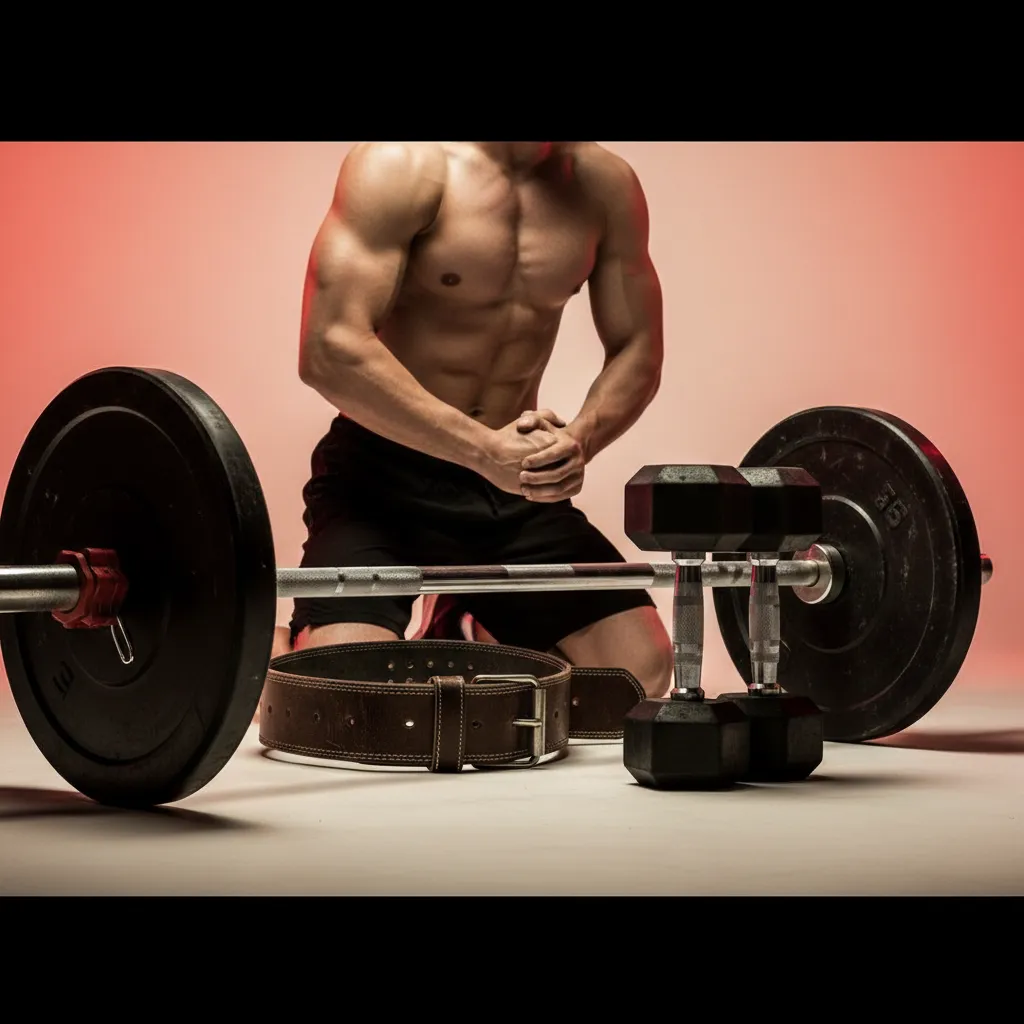
Core-Stabilisierung und Bracing sind entscheidend für Krafttraining, da sie die Wirbelsäule stützen und vor Verletzungen schützen. Der Artikel erklärt diese Konzepte, ihre Unterschiede zum "Hollow Body" und wie man sie effektiv in komplexen Übungen anwendet.
Kurze Antwort: Core-Stabilisierung ist die Aktivierung der tiefen Bauchmuskeln, während Bracing die Anspannung des gesamten Bauchbereichs ist, beides entscheidend für Sicherheit und Kraft bei Verbundübungen.
Core-Stabilisierung und Bracing sind eine Reihe von Techniken, die die Fixierung und Stabilität der Lendenwirbelsäule (unterer Rücken) und des Beckengürtels während körperlicher Aktivität, insbesondere beim Heben von Gewichten, gewährleisten. Core-Stabilisierung bezieht sich auf die koordinierte Aktivierung der tiefen Stabilisierungsmuskeln (querer Bauchmuskel, tiefer Rückenmuskel, Beckenboden, Zwerchfell), während Bracing ein umfassenderer Prozess ist, der die Erzeugung von intra-abdominalem Druck (IAP) durch Anspannung der gesamten Bauchwand beinhaltet, wobei die Atmung kurzzeitig angehalten wird (Valsalva-Manöver).
Warum ist Core-Stabilisierung so wichtig?
Einfach ausgedrückt: Core-Stabilisierung ist die Kunst, deinen Körper während der Bewegung straff und stabil zu halten, indem du die Muskeln um deine Taille herum einsetzt, um Verletzungen zu vermeiden und stärker zu werden.
Core-Stabilisierung ist das Fundament für effektives und sicheres Training. Ohne einen stabilen "Core" verliert der Körper Effizienz bei der Kraftübertragung von den Gliedmaßen, was zu geringeren Ergebnissen und einem erhöhten Verletzungsrisiko führt. Die Core-Muskeln wirken wie ein natürlicher Korsett und schützen die Wirbelsäule vor unerwünschten Bewegungen und Kompression. Dr. Stuart McGill, ein führender Experte für Wirbelsäulenbiomechanik, betont, dass eine angemessene Core-Stabilität wichtiger für die Rückengesundheit und Kraft ist als "Bauchmuskelübungen".
Core-Stabilisierung vs. Hollow Body – Was ist der Unterschied?
Obwohl beide Techniken die Bauchmuskeln beanspruchen, haben sie unterschiedliche Ziele und Mechanismen:
Core-Stabilisierung: Der Fokus liegt auf einer neutralen Position der Wirbelsäule. Das Ziel ist es, die Lendenkrümmung (Lordose) innerhalb ihrer physiologischen Grenzen zu halten, ohne sie zu beugen oder übermäßig zu strecken. Sie beinhaltet die Aktivierung tiefer Muskeln, die die Form des Bauches nicht sichtbar verändern, aber eine innere Festigkeit um die Wirbelsäule herum bieten.
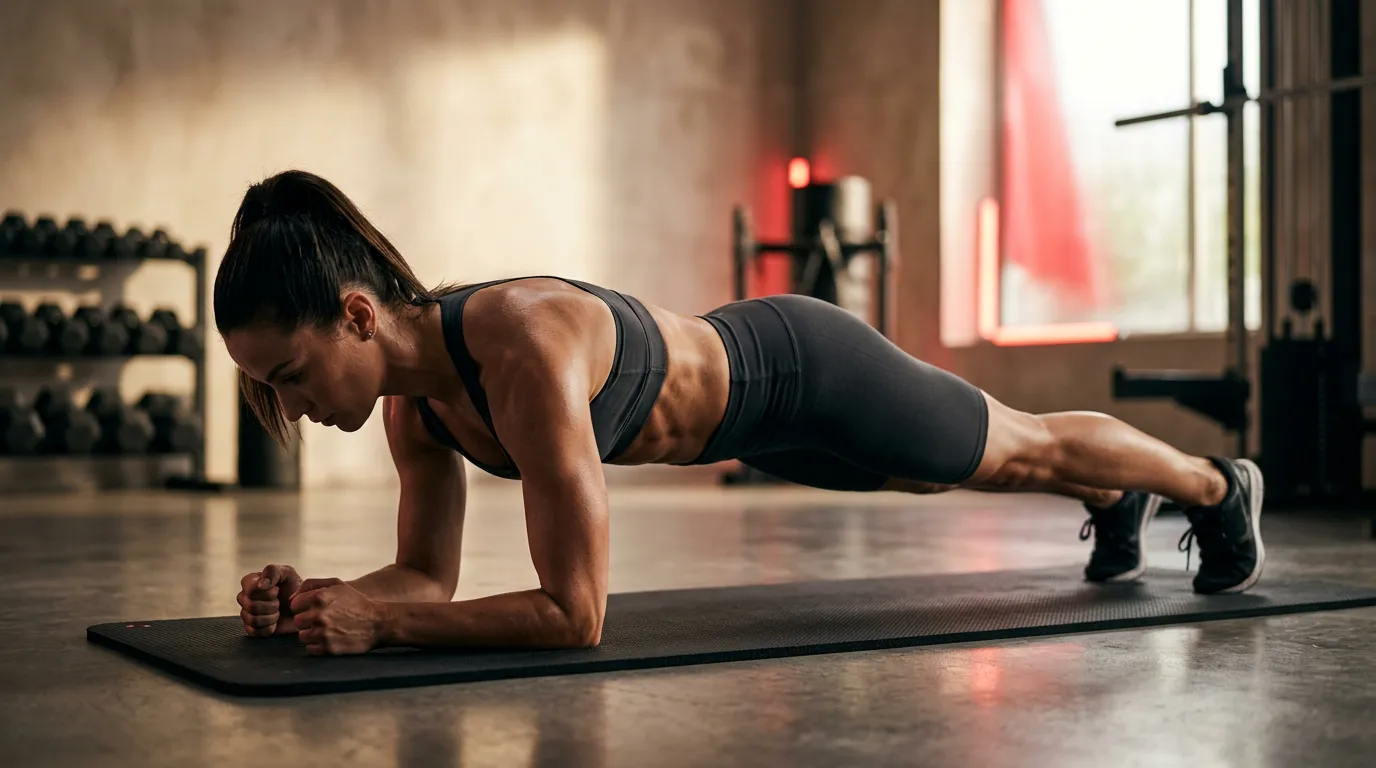
Hollow Body: Diese Technik, die häufig im Turnen und in der Körpergewichtsfitness vorkommt, beinhaltet ein starkes Einziehen des Bauches nach innen und Glätten der Lendenkrümmung (Beugung der Wirbelsäule nach hinten – posteriore Beckenkippung). Das Ziel ist es, einen gleichmäßigen, steifen Bogen von den Schultern bis zu den Zehenspitzen zu erzeugen, was für spezifische Übungen wie Planks, Crunches oder Handstände geeignet ist, bei denen der Körper als eine einzige, stabile Einheit fungieren muss.
Wie funktioniert die Bracing-Technik – Schritt für Schritt?
Die Bracing-Technik ist entscheidend beim Heben schwerer Gewichte und stellt einen Prozess zur Aktivierung der Bauch- und Rumpfmuskulatur zur Stabilisierung der Wirbelsäule dar.
- Atmung: Atmen Sie tief ein, sowohl in die Brust als auch in den Bauch, als ob Sie versuchen würden, die Bauchwände nach außen zu "drücken". Spüren Sie, wie das Zwerchfell absinkt.
- Anspannung: Nachdem Sie tief eingeatmet haben, spannen Sie den gesamten Bauchbereich fest an – als ob Sie einen Schlag in den Bauch erwarten würden. Dies sollte ein Gefühl eines "Gürtels" aus Druck um die Taille erzeugen.
- Halten: Halten Sie den Atem und die Anspannung während des gesamten Hebens (exzentrische und konzentrische Phase).
- Ausatmung: Atmen Sie erst aus, nachdem Sie die Wiederholung abgeschlossen und das Gewicht in einer stabilen Position haben. Dies ist bekannt als Valsalva-Manöver.
Bei welchen Verbundübungen wird Bracing angewendet?
Bracing ist eine unverzichtbare Technik für grundlegende Kraftübungen.
| Übung | Anwendung von Bracing | Häufige Fehler |
|---|---|---|
| Kniebeugen | Vor dem Absenken tief einatmen und den Bauch anspannen. Halten Sie die Spannung während der gesamten Bewegung. | Ausatmen während des Absenkens oder Aufrichtens, Entspannung des Bauches. |
| Kreuzheben | Vor dem Anheben vom Boden tief einatmen und anspannen. Der Bauch sollte wie ein Stein sein. | Rundrücken aufgrund unzureichenden intra-abdominalen Drucks, Atmen während der Bewegung. |
| Überkopfdrücken | Vor dem Ausstoßen der Hantel über den Kopf. Hilft, den Rumpf zu stabilisieren und verhindert übermäßiges Hohlkreuz. | Hohlkreuz, das zu Verletzungen führen kann. |
Was sind die Vor- und Nachteile von Bracing?
Bracing schützt die Lendenwirbelsäule vor Verletzungen, erhöht Kraft und Leistung, verbessert die Stabilität während der Bewegung, ermöglicht das Heben schwererer Gewichte und verbessert die Muskel-Gehirn-Verbindung für den "Core". Es erhöht jedoch vorübergehend den Blutdruck (Valsalva-Manöver), was es für Menschen mit bestimmten Herz-Kreislauf-Erkrankungen ungeeignet macht. Eine falsche Ausführung kann zu Schwindel oder Bewusstlosigkeit führen und sollte nicht für jede Übung oder bei leichten Gewichten angewendet werden.
- Schutz der Lendenwirbelsäule vor Verletzungen.
- Erhöhung von Kraft und Leistung.
- Verbesserung der Stabilität während der Bewegung.
- Ermöglicht das Heben schwererer Gewichte.
- Verbessert die Muskel-Gehirn-Verbindung für den "Core".
- Vorübergehende Erhöhung des Blutdrucks (Valsalva-Manöver).
- Ungeeignet für Menschen mit bestimmten Herz-Kreislauf-Erkrankungen.
- Kann bei falscher Ausführung zu Schwindel oder Bewusstlosigkeit führen.
- Sollte nicht für jede Übung oder bei leichten Gewichten angewendet werden.
Wer sollte das Valsalva-Manöver nicht anwenden?
Obwohl effektiv, ist das Valsalva-Manöver nicht für jeden geeignet. Personen mit schweren Herz-Kreislauf-Erkrankungen, hohem Blutdruck, Glaukom oder Hernien sollten vor der Anwendung dieser Technik einen Arzt konsultieren. Selbst bei solchen Zuständen kann jedoch ein modifiziertes Bracing ohne vollständiges Luftanhalten, sondern mit kontrolliertem Ausatmen unter Anspannung, praktiziert werden.
Weitere Informationen finden Sie in den Fitness-Leitfäden der Sport Zona Akademie.
Expertennotiz von Sport Zona
Aus meiner über 12-jährigen Arbeit mit bulgarischen Athleten bin ich immer wieder Zeuge geworden, wie falsche Core-Stabilisierung die Hauptursache für chronische Rückenschmerzen ist. Selbst bei Grundübungen wie Kniebeugen sucht der Körper instinktiv nach kompensatorischen Bewegungen, was zu Ineffizienz und einem hohen Verletzungsrisiko führt. Die Implementierung korrekter Bracing-Techniken kann die Effektivität und Sicherheit des Trainingsprozesses vollständig verändern. Ihre Beherrschung erfordert Geduld und richtige Anleitung, aber die Ergebnisse sind es wert.
Weitere Informationen finden Sie in den Fitness-Leitfäden der Sport Zona Akademie.
Empfohlene Produkte



Häufig gestellte Fragen
Wie oft sollte ich meine Rumpfmuskulatur trainieren?
Rumpfmuskeln sind an fast jeder Übung beteiligt. Spezifische Rumpfübungen können 2-3 Mal pro Woche durchgeführt werden, aber der Schwerpunkt liegt auf der korrekten Aktivierung während der grundlegenden Verbundübungen.
Kann ich einen Gewichthebergürtel anstelle von Bracing verwenden?
Ein Gürtel ist ein Hilfsmittel, das das Bracing unterstützt, indem er eine Druckrückmeldung gibt. Er ersetzt nicht die Notwendigkeit der internen Stabilisierung. Für Anfänger ist es besser, das Bracing ohne Gürtel zu lernen, bevor sie in einen investieren, um keine Abhängigkeit zu schaffen.
Was ist der beste Weg, um die Rumpfstabilität ohne Gewichte zu trainieren?
Übungen wie Bird-Dog, Pallof Press, Planks (insbesondere Modifikationen mit seitlicher oder anti-rotatorischer Belastung) und Dead Bugs sind hervorragend geeignet, um die Rumpfstabilität ohne zusätzliches Gewicht aufzubauen. Sie betonen die Kontrolle der Bewegung und die Ausdauer der stabilisierenden Muskeln.
Gibt es einen Unterschied zwischen "Bauch anspannen" und "Bauch einziehen"?
Ja, es gibt einen wesentlichen Unterschied. Das "Drawing-in maneuver" (Einziehen) ist die Aktivierung hauptsächlich des Transversus abdominis, wobei der Nabel zur Wirbelsäule gezogen wird. Dies ist Teil der Rumpfstabilisierung, aber nicht ausreichend für Bracing. "Bracing" beinhaltet die Aktivierung aller Bauchmuskeln, wodurch ein allgemeiner intra-abdominaler Druck erzeugt wird, ohne das Bauchvolumen wesentlich zu verändern, sondern es wie eine Trommel fest macht.