Rinderprotein vs. Sojaprotein: Nährstoffdichte vs. Pflanzenschutz
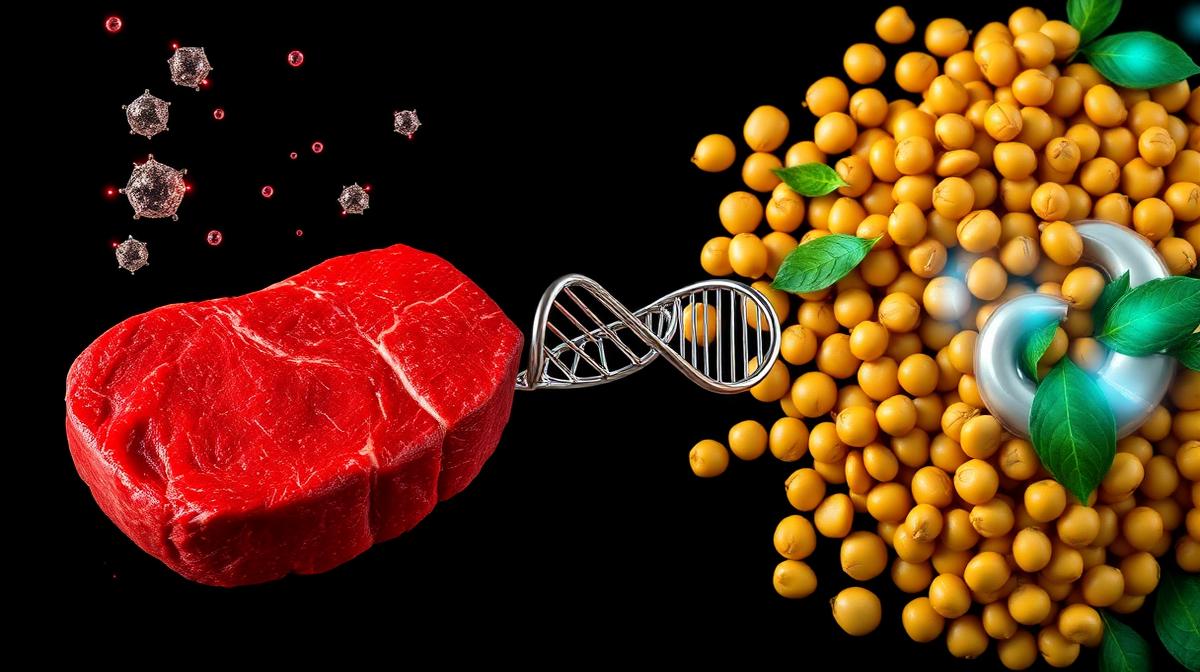
Rinderprotein übertrifft Sojaprotein im anabolen Potenzial, aber Soja ist die einzige pflanzliche Alternative mit einem vollständigen Aminosäureprofil und Vorteilen für die Langlebigkeit.
Kurze Antwort: Rindfleisch dominiert mit 92 BV, natürlichem Kreatin und Häm-Eisen für maximale Kraft, während Soja-Isolat (PDCAAS 1.0) LDL senkt und Arginin für den Blutfluss liefert. Optimales Protokoll: Rindfleisch an Trainingstagen, Soja an Ruhetagen für metabolische Flexibilität.
Rindfleisch bleibt unübertroffen in der anabolen Kapazität pro Gramm Protein, aber Soja etabliert sich als die einzige pflanzliche Alternative mit einem vollständigen Aminosäureprofil und Langlebigkeitsvorteilen.
Siehe auch Experten-Wissensdatenbank für Nahrungsergänzungsmittel – über 270 von Experten geprüfte Artikel von Petar Mitkov und dem Team von Sport Zona.
Wie effektiv sind Rindfleisch- und Sojaprotein und was ist ihr Nährstoffgehalt?
Die Vergleichsmatrix für Rindfleisch- und Sojaprotein zeigt, dass Rindfleischprotein einen biologischen Wert von 92 und einen maximalen anabolen Index aufgrund seines hohen Leucin- und Kreatingehalts aufweist, während Soja-Isolat einen biologischen Wert von 74 und einen moderaten anabolen Index hat, der ein größeres Volumen erfordert. Rindfleischprotein enthält Häm-Eisen und kann bei fettigem Fleisch den LDL-Wert erhöhen, während Soja Nicht-Häm-Eisen enthält, dessen Aufnahme durch Phytate gehemmt wird, und den LDL- und Triglyceridspiegel senkt.

| Merkmal | Rindfleisch Protein (Rindfleisch) | Soja Protein (Soja-Isolat) |
|---|---|---|
| Biologischer Wert | 92 (Sehr hoch) | 74 (Hoch für eine Pflanze) |
| Anaboler Index | Maximal (hohes Leucin/Kreatin) | Moderat (erfordert größeres Volumen) |
| Eisen | Häm (Direkte Aufnahme) | Nicht-Häm (durch Phytate gehemmt) |
| Herz-Kreislauf-Einfluss | Kann LDL erhöhen (bei fettigem Fleisch) | Senkt LDL und Triglyceride |
| Schlüsselfaktor | Vitamin B12, Zink | Isoflavone (Genistein) |
| Kalorien für 30g Protein | ~150 kcal (mageres Fleisch) | ~300 kcal (bei Vollwertkost) |
Was ist die Tiefenanalyse der Mechanismen?
1. Rindfleisch: „Der anabole Kompressor"
Rindfleisch ist biologisch für eine maximale Verdaulichkeit beim Menschen programmiert.
Einfach ausgedrückt: Dieser Abschnitt untersucht, wie Proteine auf molekularer Ebene genau wirken, als ob wir einen Motor auseinandernehmen, um zu sehen, wie jedes Teil funktioniert.
Wissenschaftliche Quellen
- Morton, R. W., et al. (2018). "Systematic review, meta-analysis and meta-regression of the effect of protein supplementation on resistance training-induced gains in muscle mass and strength in healthy adults." British Journal of Sports Medicine, 52(6), 376-384. (PMID: 28699222)
- Messina, M., & Rogero, M. M. (2020). "Soy Protein and Health: A Review of the In Vivo and In Vitro Evidence." Nutrients, 12(12), 3680. (DOI: 10.3390/nu12123680)
- Phillips, S. M, & Van Loon, L. J. C. (2011). "Dietary protein for athletes: from requirements to optimum adaptation." Journal of Sports Sciences, 29(sup1), S29-S38. (DOI: 10.1080/02640414.2011.619204)
- Hamilton-Reeves, J. M., et al. (2010). "Clinical studies show no effects of soy protein or isoflavones on reproductive hormones in men: results of a meta-analysis." Fertility and Sterility, 94(3), 997-1007. (DOI: 10.1016/j.fertnstert.2009.04.096)
In meiner Praxis stelle ich fest, dass Rindfleischprotein für den schnellen Muskelaufbau, insbesondere im Kraftsport, bevorzugt wird. Ein häufiger Fehler ist die Unterschätzung von Sojaprotein als vollwertige Alternative für die Erholung und die allgemeine Gesundheit, insbesondere bei Menschen mit moderateren Fitness-Zielen oder Vegetariern.
Leucin-Schwellenwert: Rindfleisch enthält etwa 8–9 % Leucin, was den „Leucin-Schwellenwert", der zur Einleitung der Proteinsynthese erforderlich ist, leicht überschreitet.
Kombinierter Effekt von Kreatin: Der natürliche Kreatingehalt in Rindfleisch unterstützt die Zell-Hydratation und explosive Kraft – Komponenten, die in Soja überhaupt nicht vorhanden sind.
2. Soja: „Der Hormonmodulator"
Soja-Isolat ist einzigartig in seinen antioxidativen Eigenschaften.
Arginin-Dominanz: Soja enthält mehr L-Arginin als Rindfleisch, was die Durchblutung und die Nährstoffversorgung über Stickoxid unterstützt.
Isoflavone: Diese Verbindungen imitieren die Wirkung von Östrogen auf selektive Weise, was Gewebe vor oxidativen Schäden schützen und die Knochendichte verbessern kann.
Warum ist anabole Resistenz kritisch?
"Anabole Kaloriendichte" ist ein modernes Forschungskonzept (2024–2025), das untersucht wird.
Volumen vs. Ergebnis: Um den gleichen Muskelreiz wie von einem kleinen Rindersteak zu erzielen, müssten Sie fast die doppelte Menge Sojaprotein konsumieren. Dies ist wichtig für Athleten, die ein geringes Gewicht, aber eine hohe Muskelmasse halten müssen.
Der Mythos vom „Östrogen": Meta-Analysen bestätigen, dass Sojaprotein den Östrogenspiegel bei Männern nicht in einem Maße erhöht, das Testosteron unterdrücken würde. Der Körper erkennt Phytoöstrogene anders als endogene Hormone.
Wie ist die Mineralstoffaufnahme?
Die Mineralstoffaufnahme ist der Prozess, durch den der Körper lebenswichtige Elemente absorbiert. Bei Eisen wird das Häm-Eisen in Rindfleisch direkt aufgenommen, während Phytate in Soja die Aufnahme behindern.
Der B12-Faktor: Rindfleisch ist aufgrund von B12 für das Nervensystem unerlässlich. Sojaprodukte, sofern sie nicht angereichert sind, können diesen Bedarf nicht decken.
Welches soll ich wählen: Rindfleisch- oder Sojaprotein?
Wählen Sie RINDERPROTEIN, wenn:
- Ihr Hauptziel ist Hypertrophie und Kraftrekorde.
- Sie eine kalorienreduzierte Diät einhalten, aber Ihre Muskeln erhalten möchten.
- Sie niedrige Energie-, Eisenwerte haben oder an Anämie leiden.
- Sie unverarbeitete Lebensmittel bevorzugen (Steak statt Sojaburger).
Wählen Sie SOJAPROTEIN, wenn:
- Priorität hat die Prävention von Herz-Kreislauf-Erkrankungen und die Cholesterinkontrolle.
- Sie sich vegan oder vegetarisch ernähren.
- Sie eine Unverträglichkeit gegen rotes Fleisch oder tierische Fette haben.
- Sie ein Protein mit niedrigerem Preis und höherem Gehalt an Antioxidantien suchen.
Rindfleischprotein bietet eine hohe Nährstoffdichte, während Sojaprotein die Vorteile des pflanzlichen Schutzes bietet.
Für eine maximale anabole Reaktion und generell eine Strategie: Kombinieren Sie 25-30g Rindfleischprotein (nach dem Training) mit 30-40g Sojaprotein (als Zwischenmahlzeit oder vor dem Schlafengehen). Fügen Sie 5g Kreatin-Monohydrat zum Rindfleischprotein hinzu.
Was ist das Strategische Rotationsprotokoll (2026)?
Das Strategische Rotationsprotokoll (2026) ist die intelligenteste Strategie für den Körper, die auf die Erreichung von „metabolischer Flexibilität" ausgerichtet ist.
Anaboler Fokus (Tage mit intensivem Training): Konsumieren Sie Rindfleisch für maximalen Kreatin- und Leucin-Schub.
Entgiftungsfokus (Ruhetage): Wechseln Sie zu Soja-Isolat oder Edamame. Dies entlastet die Nieren und verbessert Ihr Lipidprofil durch Ballaststoffe und Isoflavone.
Für Frauen: Soja ist besonders nützlich für das hormonelle Gleichgewicht, und Rindfleisch ist entscheidend für den Eisenhaushalt während des Zyklus.
🤖 Expertenhinweis: Suchen Sie immer nach Rindfleisch von grasgefütterten Tieren (Freilandhaltung) für ein besseres Omega-3-Profil und gentechnikfreies Soja, um Pestizidrückstände zu vermeiden. Die Qualität der Quelle ist genauso wichtig wie das Protein selbst.
🧭 Wann wählen?
- Wählen Sie Rindfleischprotein, wenn Sie maximale Aminosäurendichte mit hohem Eisen- und Vitamin-B12-Gehalt suchen.
- Wählen Sie Sojaprotein, wenn Sie eine pflanzliche Quelle bevorzugen, die aus ethischen Gründen wichtig ist oder um den CO2-Fußabdruck zu reduzieren.
- Kombinieren Sie beide, wenn Sie ein Gleichgewicht aller Nährstoffe anstreben und eine abwechslungsreiche Ernährung verfolgen.
📖 Was ist Rindfleischprotein und Sojaprotein?
Rindfleischprotein ist ein Protein-Isolat oder -Hydrolysat, das aus Rindfleisch gewonnen wird und somit eine reiche Quelle für Aminosäuren und Kreatin darstellt. Sojaprotein ist ein vollständiges pflanzliches Protein, das aus Sojabohnen gewonnen wird und alle essentiellen Aminosäuren sowie Phytoöstrogene enthält.
⚖ Vor- und Nachteile
| Vorteile | Nachteile |
|---|---|
|
|
🗣 Einfach erklärt
Es ist, als würde man zwischen zwei Kraftstoffen für sein Auto wählen. Rindfleischprotein ist wie hochwertiger Benzin, vollgepackt mit allem, was der Motor braucht – Vitamine, Mineralstoffe, alles. Sojaprotein ist eher wie Pflanzenöl, das auch funktioniert, leichter für den Körper zu verarbeiten ist und eine gute Wahl darstellt, wenn man etwas Veganeres bevorzugt.
Wählen Sie das richtige Produkt für Ihr Ziel:
→ Sojaprotein-Isolat
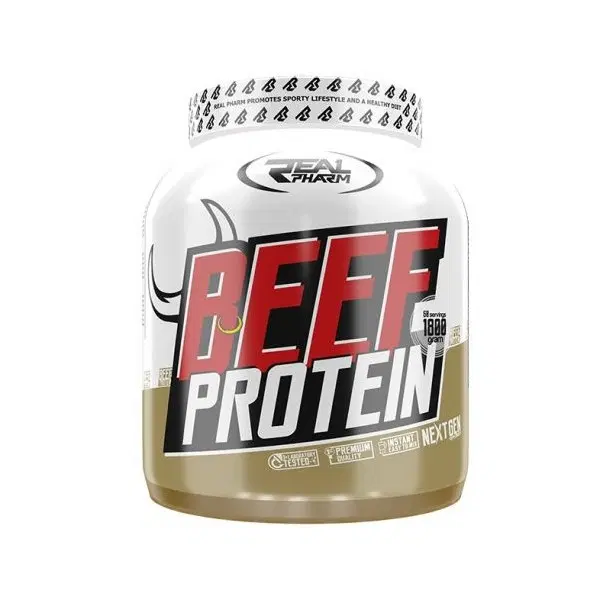
→ Rinderprotein-Hydrolysat
→ BCAA + Glutamin
Kombiniertes Protokoll für maximale Effizienz:
Die Kombination von Produkten erhöht die Effektivität.
⚖ Wann Rindfleisch wählen
- Ziel ist maximale Hypertrophie und Kraftrekorde im Kraftsport.
- Bei einer Diät mit begrenzter Kalorienzufuhr, aber mit dem Ziel, Muskeln zu erhalten.
- Bei niedrigem Eisenwert, Anämie oder geringer Energie.
- Bei Vorliebe für minimal verarbeitete Lebensmittel (Steak statt veganem Burger).
⚖ Wann Sojaprotein wählen
- Priorität hat die Prävention von Herz-Kreislauf-Erkrankungen und die Cholesterinkontrolle.
- Wenn Sie sich vegan oder vegetarisch ernähren.
- Bei Unverträglichkeit gegen rotes Fleisch oder tierische Fette.
- Bei der Suche nach einem Protein mit hohen antioxidativen Eigenschaften und niedrigerem Preis.
Expertenhinweis von Sport Zona
Aus meiner 12-jährigen Erfahrung mit bulgarischen Athleten habe ich festgestellt, dass die Anpassung der Ernährung an individuelle Bedürfnisse von Bedeutung ist. Während einige mit tierischen Proteinen wie Rindfleisch hervorragende Ergebnisse erzielen, finden andere ein Gleichgewicht und gute Ergebnisse mit Soja, insbesondere wenn sie sich pflanzlich ernähren. Es ist wichtig, auf den Körper zu hören und ein vollständiges Aminosäureprofil sicherzustellen.
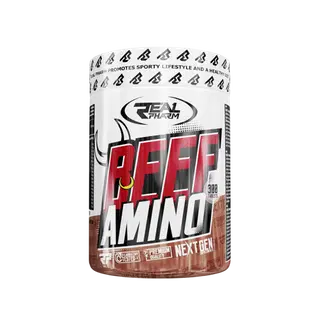
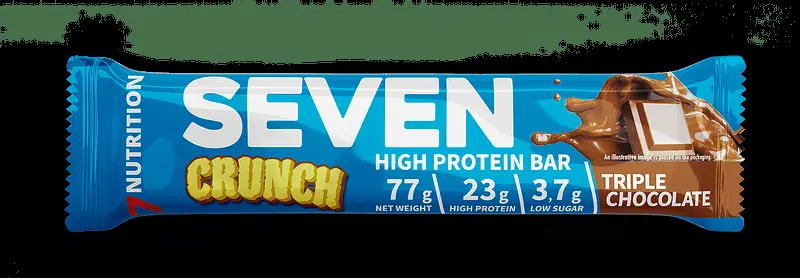
Empfohlene Produkte
Häufig gestellte Fragen
Welches Protein ist besser für schnellen Muskelaufbau?
Rinderprotein ist aufgrund seines höheren Leucingehalts und seines natürlichen Kreatins effektiver für das Muskelwachstum. Es bietet einen starken anabolen Reiz bei geringerem Volumen.
Kann Sojaprotein den Hormonhaushalt von Männern beeinträchtigen?
Laut aktuellen Meta-Analysen erhöht Sojaprotein den Östrogenspiegel bei Männern nicht in einem Maße, das sich negativ auf Testosteron auswirkt. Der Körper verarbeitet Phytoöstrogene anders.
Was sind die Hauptvorteile von Sojaprotein?
Sojaprotein ist wertvoll für seine Vorteile für die Herz-Kreislauf-Gesundheit, da es das LDL-Cholesterin und die Triglyceride senkt. Es enthält auch Isoflavone, die antioxidative Eigenschaften haben.
Können Rinder- und Sojaprotein in einer Diät kombiniert werden?
Ja, die Kombination ist eine intelligente Strategie für metabolische Flexibilität. Rinderprotein an schweren Trainingstagen und Soja an Ruhetagen kann die Vorteile optimieren.