Hydratation
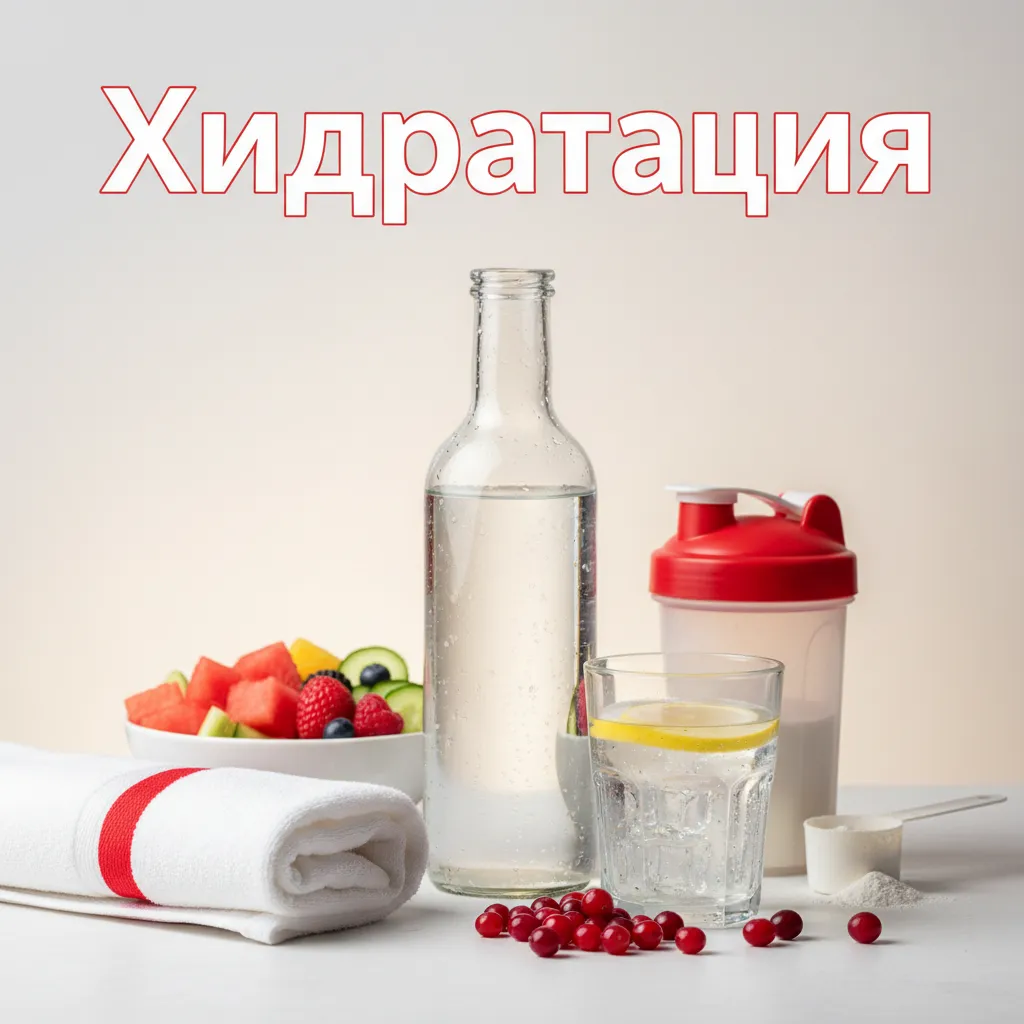
Кратка експертна дефиниция: Какво е Хидратация, как работи в организма и как се прилага в спортното хранене. Хидратацията е процесът на поддържане на адекватно ниво на вода в тялото. Водата е от съществено значение за всички физиологични функции, включително регулиране на телесната температура, транспортиране на хранителни вещества и отпадъци, смазване на ставите и поддържане на клетъчната структура. В организма водата се абсорбира в червата и се разпределя в различни тъкани и органи. Тя участва в множество биохимични реакции и поддържа обема на кръвта, което е важно за кръвното налягане и доставката на кислород. Загубата на вода настъпва чрез потене, уриниране, дишане и изпражнения. В спортното хранене хидратацията е критичен фактор за оптимално представяне и възстановяване. Адекватният прием на течности преди, по време и след тренировка или състезание помага за: * **Поддържане на обема на кръвта:** Предотвратява намаляването на кръвния обем, което може да доведе до умора и намалена издръжливост. * **Регулиране на телесната температура:** Потенето е основен механизъм за охлаждане, а достатъчното количество вода е необходимо за ефективното изпотяване. * **Оптимална мускулна функция:** Водата е важна за правилното функциониране на мускулите и предотвратяването на мускулни крампи. * **Предотвратяване на дехидратация:** Дори лека дехидратация може значително да намали спортните постижения и да увеличи риска от топлинен удар. Спортните напитки, като Gatorade или Powerade, често съдържат електролити (като натрий и калий) и въглехидрати, които подпомагат по-бързото възстановяване на загубените течности и енергия, особено при продължителни и интензивни натоварвания. Препоръките за прием на течности варират в зависимост от интензивността на тренировката, продължителността, климатичните условия и индивидуалните нужди на спортиста.
Kurze Antwort: Hydration ist ein lebenswichtiger physiologischer Prozess zur Aufrechterhaltung des Wasserhaushalts, wobei bereits eine Dehydrierung von 1-2 % die sportliche Leistung beeinträchtigen kann. Wasser ist an allen Stoffwechselprozessen beteiligt, und Elektrolyte wie Natrium sind entscheidend für das osmotische Gleichgewicht. Praktischer Tipp: Für optimale Ergebnisse trinken Sie 2-3 Stunden vor dem Training 500-600 ml Flüssigkeit und während des Trainings alle 10-20 Minuten 200-300 ml.
Hydration ist der physiologische Prozess der Aufrechterhaltung eines angemessenen Wasserhaushalts im Körper durch Aufnahme und Speicherung von Flüssigkeiten.
Für einen umfassenden Überblick siehe den vollständigen Leitfaden zur richtigen Ernährung – ein Schlüsselratgeber des Expertenteams von Sport Zona.
Was ist Hydration?
Hydration ist der Prozess, bei dem der Körper ausreichend Wasser aufnimmt und speichert, um richtig zu funktionieren.
📖 Aufrechterhaltung des Wasserhaushalts
Hydration ist der physiologische Prozess der Aufrechterhaltung eines guten Wasserhaushalts im Körper durch Aufnahme und Speicherung von Flüssigkeiten, was für das Überleben und die richtige Funktion des Organismus entscheidend ist.
Hydration ist die Aufrechterhaltung eines angemessenen Flüssigkeitsspiegels im Körper, der für das Überleben und die richtige Funktion des Organismus notwendig ist. Etwa 60 % des menschlichen Körpers bestehen aus Wasser, das an allen Stoffwechselprozessen beteiligt ist – vom zellulären Transport und biochemischen Reaktionen bis zur Regulierung der Körpertemperatur und der Schmierung der Gelenke. Wasser ist ein Hauptbestandteil von Blut, Lymphe, interstitieller Flüssigkeit und dem intrazellulären Milieu.
Die Aufrechterhaltung dieses Gleichgewichts ist ein dynamischer Prozess, der von vielen Faktoren wie Umgebungstemperatur, körperlicher Aktivität, Ernährung und Gesundheitszustand abhängt. Der Körper verliert ständig Wasser durch Urin, Stuhl, Schweiß und Atmung, und diese Verluste müssen durch die Aufnahme von Flüssigkeiten und wasserhaltigen Lebensmitteln rechtzeitig ausgeglichen werden. Unzureichende Hydration, bekannt als Dehydrierung, kann schwerwiegende negative Folgen für Gesundheit und Leistungsfähigkeit haben, insbesondere bei Sportlern.
Wie funktioniert Hydration?
Hydration ist der Prozess der Auffüllung der körpereigenen Wasserreserven, der den zellulären Transport, biochemische Reaktionen und die Regulierung der Körpertemperatur aufrechterhält.
- Aufrechterhaltung eines guten zellulären Transports und biochemischer Reaktionen
- Regulierung der Körpertemperatur
- Verhindert Leistungseinbußen und kognitive Beeinträchtigungen
- Unterstützt anabole Prozesse und die Proteinsynthese für Muskelwachstum
Nachteile
- Leichte Dehydrierung (1-2 %) reduziert Kraft und Ausdauer
- Kann Kopfschmerzen, Schwindel und Muskelkrämpfe verursachen
- Führt bei schwerer Dehydrierung zu Überhitzung und erhöhtem Herzinfarktrisiko
- Ungleichgewicht der Elektrolyte beeinträchtigt die Nervenfunktion und Muskelkontraktionen
Der Mechanismus der Hydration basiert auf einem komplexen System zur Regulierung des Wasserhaushalts, das hormonelle und neuronale Signale umfasst. Wenn der Wassergehalt im Körper sinkt, steigt die Konzentration gelöster Stoffe (Osmolalität) im Blut. Dieses Signal wird von Osmorezeptoren im Hypothalamus erfasst, die das Durstgefühl stimulieren und die Freisetzung von antidiuretischem Hormon (ADH, oder Vasopressin) aus der Hypophyse auslösen. ADH wirkt auf die Nieren, indem es die Wasserrückresorption erhöht und die Diurese reduziert, um Flüssigkeiten im Körper zu speichern.
Umgekehrt, bei einem Überschuss an Wasser, sinkt die ADH-Sekretion, die Nieren scheiden mehr Urin aus und das Durstgefühl lässt nach. Elektrolyte wie Natrium, Kalium und Chlorid helfen, den Wasserhaushalt aufrechtzuerhalten. Sie verteilen Wasser zwischen den Zellen und dem extrazellulären Raum. Die Aufrechterhaltung dieses empfindlichen Elektrolytgleichgewichts ist wichtig für die richtige Nervenfunktion, Muskelkontraktionen und den allgemeinen homöostatischen Zustand.
Warum ist Hydration für Sportler wichtig?
Für Sportler ist die richtige Hydration einer der wichtigsten Aspekte der Sporternährung, da bereits eine leichte Dehydrierung von nur 1-2 % des Körpergewichts zu einer erheblichen Verringerung der sportlichen Leistung führen kann, einschließlich verringerter Kraft, Ausdauer, Koordination und kognitiver Funktionen.
Die empfohlene tägliche Flüssigkeitsaufnahme variiert, aber die allgemein anerkannte Norm für Erwachsene beträgt etwa 2,7 Liter für Frauen und 3,7 Liter für Männer, einschließlich Wasser aus Lebensmitteln und Getränken. Für Sportler sind diese Bedürfnisse aufgrund der erhöhten Flüssigkeitsverluste durch Schweiß deutlich höher. Beispielsweise empfiehlt die International Society of Sports Nutrition (ISSN) Sportlern, 2-3 Stunden vor dem Training etwa 500-600 ml Flüssigkeit zu trinken, während des Trainings alle 10-20 Minuten 200-300 ml und nach körperlicher Aktivität 1,25-1,5 Liter Flüssigkeit pro Kilogramm verlorenes Körpergewicht. Eine ausreichende Aufnahme von Elektrolyten, insbesondere Natrium (etwa 500-700 mg/L für Ausdauersportler), ist ebenfalls entscheidend zur Vorbeugung von Hyponatriämie.
Was sind verwandte Begriffe?
Lean Bulk ist eine Phase, in der eine angemessene Hydration für das richtige Zellvolumen und die Aufrechterhaltung anaboler Prozesse wichtig ist und gleichzeitig die effiziente Aufnahme der erhöhten Nährstoffe unterstützt, die für das Muskelwachstum benötigt werden. Körperrekomposition ist ein Prozess, bei dem eine angemessene Hydration den Stoffwechsel verbessert und die gleichzeitige Fettverbrennung und den Muskelaufbau unterstützt. Anabolismus ist ein kritischer Prozess.
Laut der International Society of Sports Nutrition (ISSN) sollten Sportler 2-3 Stunden vor dem Training etwa 500-600 ml Flüssigkeit und nach körperlicher Aktivität 1,25-1,5 Liter Flüssigkeit pro Kilogramm verlorenes Körpergewicht zu sich nehmen. — Petar Mitkov
Denken Sie daran: Richtige Hydration ist ein grundlegender Faktor für Gesundheit und Leistungsfähigkeit, insbesondere für Sportler, da sie Stoffwechsel, Erholung und sportliche Leistungen direkt beeinflusst.
Experte-Hinweis von Sport Zona
Aus meinen jahrelangen Beobachtungen wissen die meisten Athleten über Hydration Bescheid, aber nur wenige halten sie wirklich den ganzen Tag über aktiv aufrecht, nicht nur während des Trainings. Der Unterschied in der Leistung ist enorm und wird oft unterschätzt. Schlechte Hydration führt zu Ermüdung und erschwert die langfristige Erholung.
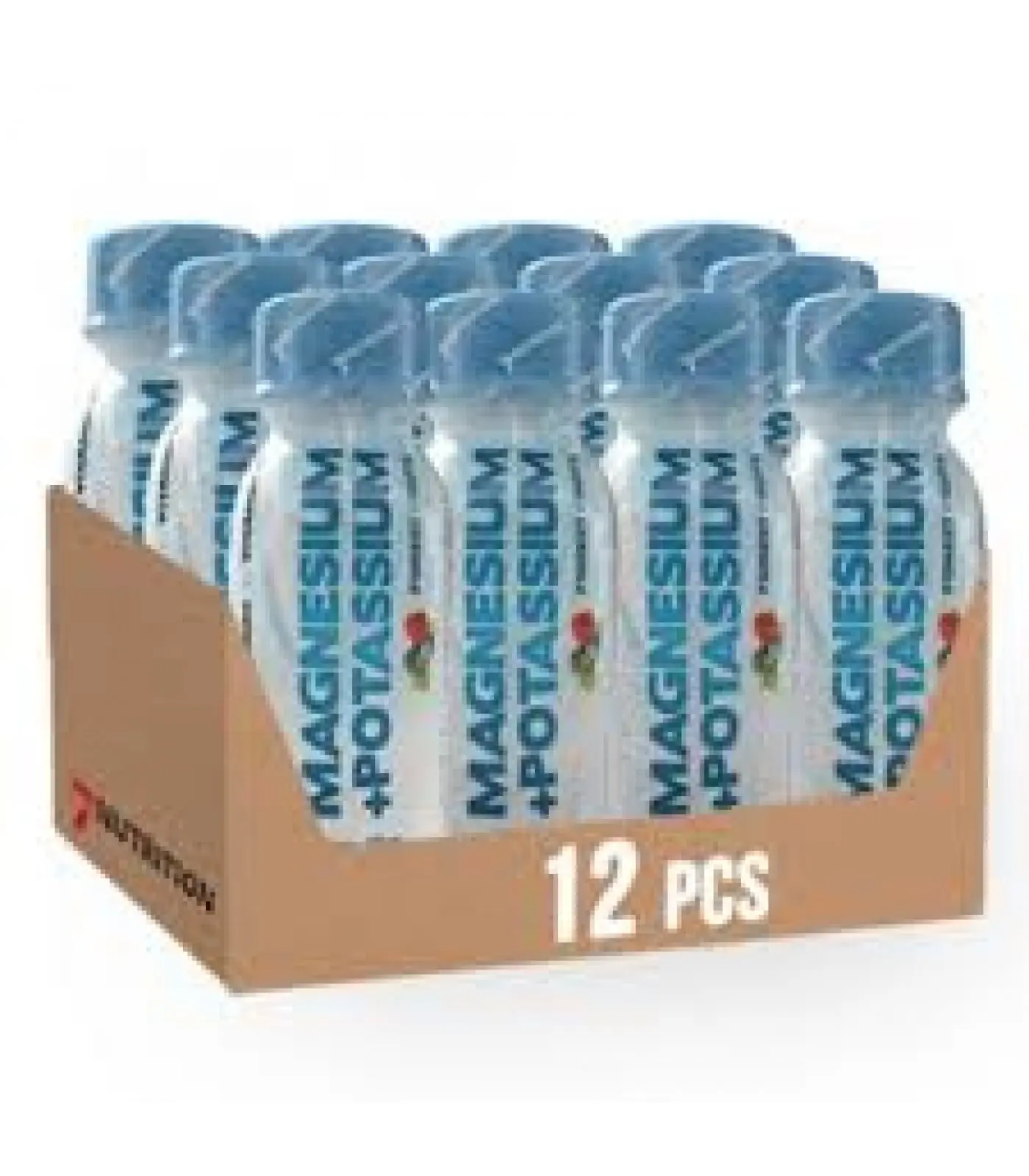
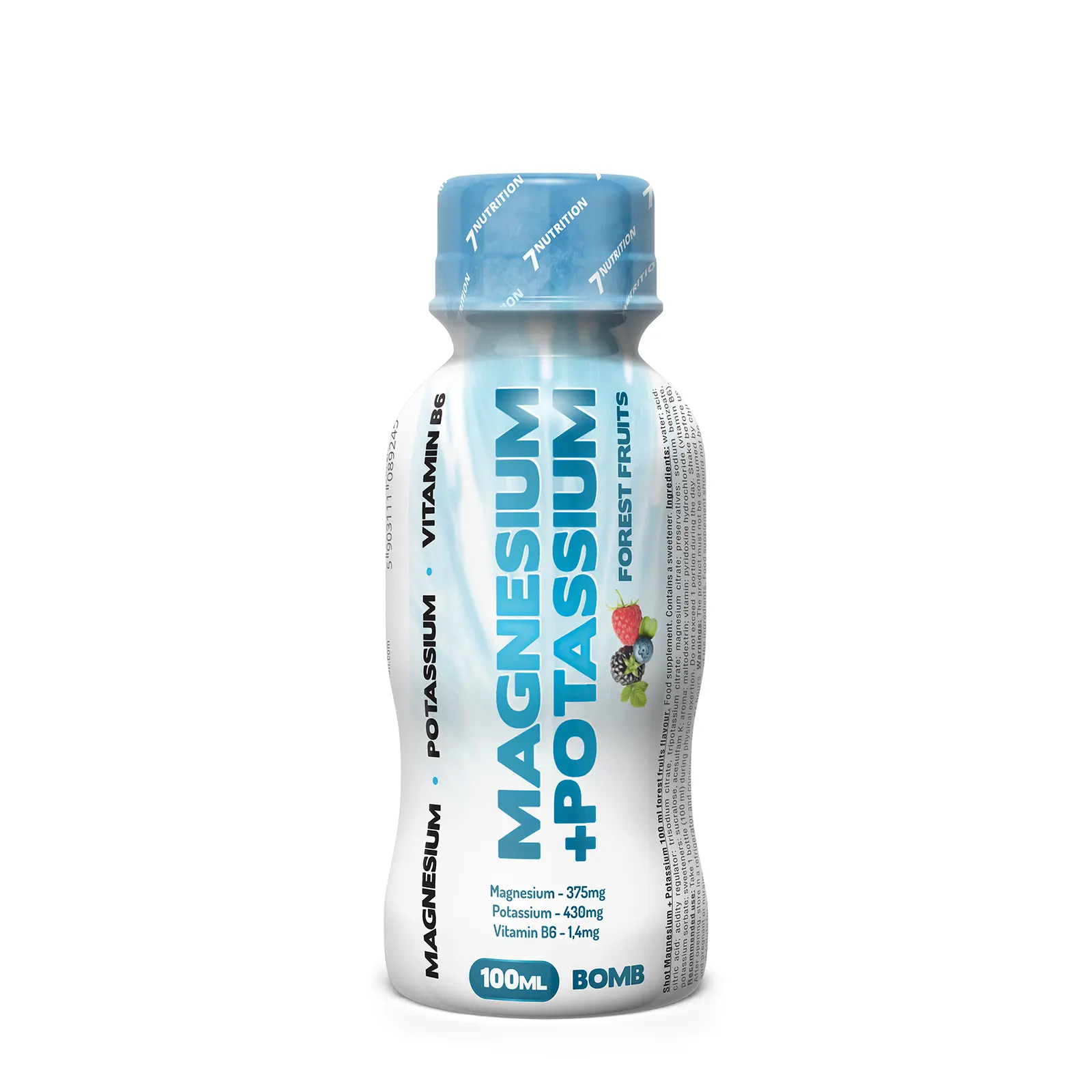
Empfohlene Produkte
Häufig gestellte Fragen
Was ist der optimale Hydratationsgrad, den Sportler aufrechterhalten sollten?
Optimale Hydratation bedeutet, ein Gleichgewicht zwischen aufgenommener und verlorener Flüssigkeit aufrechtzuerhalten. Für Sportler ist dies entscheidend, da der Schweißverlust höher ist und selbst leichte Dehydrierung die Leistung beeinträchtigen kann.
Wie wirkt sich Dehydrierung auf die sportliche Leistung aus?
Selbst ein Verlust von 1-2 % des Körpergewichts durch Dehydrierung kann Kraft, Ausdauer und Koordination erheblich reduzieren. Schwerere Dehydrierung führt zu Kopfschmerzen, Schwindel und erhöht das Risiko einer Überhitzung.
Wie viel Flüssigkeit sollten Sportler vor, während und nach dem Training zu sich nehmen?
Es wird empfohlen, 2-3 Stunden vor dem Training 500-600 ml Flüssigkeit zu sich zu nehmen, während der Aktivität alle 10-20 Minuten 200-300 ml und danach 1,25-1,5 Liter pro Kilogramm verlorenen Gewichts.
Welche Rolle spielen Elektrolyte für die Hydratation von Sportlern?
Elektrolyte, insbesondere Natrium, sind entscheidend für die Aufrechterhaltung des Wasserhaushalts und die richtige Funktion von Muskeln und Nerven. Sie helfen, Wasser im Körper zu halten und verhindern Zustände wie Hyponatriämie.