Isomaltulose
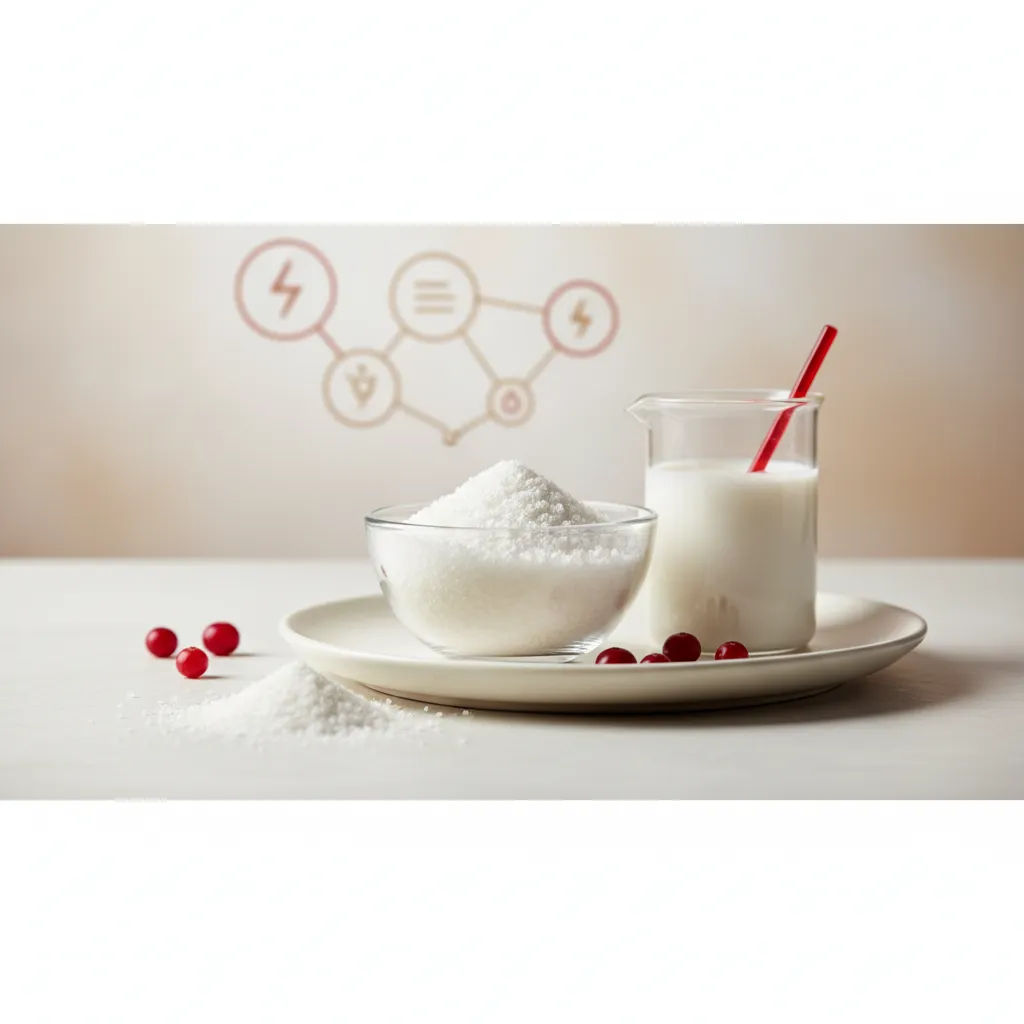
Кратка експертна дефиниция: Какво е изомалтулоза, как действа в организма и как се прилага в спортното хранене. Изомалтулозата е естествен дизахарид, състоящ се от глюкоза и фруктоза, свързани с алфа-1,6-гликозидна връзка. Тази връзка е по-стабилна от алфа-1,4-връзката в захарозата (традиционната трапезна захар). **Как действа в организма:** * **Бавно усвояване:** Поради стабилната си връзка, изомалтулозата се разгражда много по-бавно от захарозата в тънките черва. Това води до по-постепенно освобождаване на глюкоза в кръвния поток. * **По-нисък гликемичен индекс (ГИ):** В резултат на бавното усвояване, изомалтулозата има значително по-нисък гликемичен индекс в сравнение със захарозата. Това означава, че тя предизвиква по-малко рязко повишаване на нивата на кръвната захар и инсулина. * **Енергиен източник:** Въпреки бавното усвояване, изомалтулозата осигурява енергия, тъй като в крайна сметка се разгражда до глюкоза и фруктоза, които се абсорбират и метаболизират. **Приложение в спортното хранене:** * **Продължително освобождаване на енергия:** Изомалтулозата е ценна за спортисти, тъй като осигурява по-продължително и стабилно снабдяване с енергия по време на продължителни тренировки или състезания. Това помага за поддържане на работоспособността и предотвратяване на "спада" в енергията. * **Намаляване на пиковете на инсулина:** По-ниският ГИ означава по-малко рязко повишаване на инсулина, което може да бъде полезно за управление на енергийните нива и избягване на последващия спад. * **Източник на въглехидрати преди и по време на тренировка:** Може да се използва като част от хранителни добавки или напитки за прием на въглехидрати преди и по време на физическа активност, осигурявайки устойчив енергиен ресурс. * **По-добра толерантност:** Някои спортисти могат да открият, че изомалтулозата е по-лесно смилаема и причинява по-малко стомашно-чревен дискомфорт в сравнение с други бързоусвоими въглехидрати.
Kurze Antwort: Isomaltulose (Palatinose™) ist ein Kohlenhydrat mit langsamem Abbau und niedrigem glykämischen Index (GI=32), das dank seiner einzigartigen chemischen Struktur eine stabile Energie ohne starke Blutzuckerspitzen und -abfälle liefert. Es unterstützt die effizientere Fettverbrennung während des Trainings. Praktischer Tipp: Für nachhaltige Energie 30-60 Gramm Isomaltulose 30-45 Minuten vor Ausdauerbelastungen oder Wettkämpfen konsumieren.
Isomaltulose ist ein Kohlenhydrat, dessen langsame Energiefreisetzung den Blutzuckerspiegel durch eine einzigartige chemische Struktur stabil hält.
Dieser Artikel ist Teil des vollständigen Leitfadens zur richtigen Ernährung – ein umfassendes Handbuch des Expertenteams von Sport Zona.
Was ist Isomaltulose?
Isomaltulose ist ein Kohlenhydrat, das Energie allmählich im Körper freisetzt und den Blutzuckerspiegel über einen längeren Zeitraum stabil hält.
📖 Isomaltulose (Palatinose™)
Isomaltulose ist ein Disaccharid-Kohlenhydrat, bestehend aus Glukose und Fruktose, das durch eine einzigartige chemische Bindung eine langsame und stabile Energiefreisetzung ermöglicht, was zu einem niedrigen glykämischen Index führt.
Isomaltulose, auch bekannt als Palatinose™, ist ein Disaccharid-Kohlenhydrat, das aus einem Molekül Glukose und einem Molekül Fruktose besteht, die durch eine spezifische Alpha-1,6-glykosidische Bindung verbunden sind. Diese einzigartige Bindung unterscheidet sie von Saccharose (normalem Haushaltszucker), bei der die Bindung Alpha-1,2 ist. Die Struktur von Isomaltulose macht sie widerstandsfähiger gegen enzymatischen Abbau im Dünndarm, was zu einer langsameren und allmählicheren Aufnahme führt.
Natürlich in kleinen Mengen in Honig und Rohrzucker vorkommend, wird Isomaltulose industriell durch eine enzymatische Transglucosierungsreaktion aus Saccharose hergestellt. Das Ergebnis ist ein weißes kristallines Pulver mit süßem Geschmack, das etwa halb so süß wie Saccharose ist. Ihre physikochemischen Eigenschaften umfassen eine hohe Stabilität in saurer Umgebung und bei hohen Temperaturen, was sie für eine Reihe von Lebensmittelanwendungen geeignet macht.
Wie wirkt Isomaltulose?
Isomaltulose ist ein Kohlenhydrat, das den Blutzuckerspiegel stabil hält und Energie-Spitzen und -Abfälle verhindert, was eine anhaltende und nachhaltige Energieversorgung während langer Belastungen gewährleistet.
- Hält den Blutzuckerspiegel stabil und verhindert Energie-Spitzen und -Abfälle.
- Gewährleistet eine anhaltende und nachhaltige Energieversorgung während langer Belastungen.
- Fördert eine effizientere Fettverbrennung zur Energiegewinnung und schont dabei das Muskelglykogen.
- Hat einen niedrigen glykämischen Index (GI=32), was sie zur Kontrolle des Blutzuckerspiegels geeignet macht.
Nachteile
- Nicht geeignet für einen schnellen Energieschub, wenn ein sofortiger Energieschub benötigt wird.
- Die Kosten können im Vergleich zu normalen Zuckern höher sein.
- Studien zu den Auswirkungen auf Menschen mit bestimmten Stoffwechselerkrankungen sind erforderlich.
Der Hauptwirkungsmechanismus von Isomaltulose liegt in ihrer langsamen und vollständigen Aufnahme. Im Gegensatz zu schnell verdaulichen Zuckern, die schnell zu Glukose und Fruktose abgebaut werden und zu einem starken Anstieg des Blutzuckerspiegels führen, baut das Enzym Saccharase im Dünndarm Isomaltulose viel langsamer ab. Dies führt zu einer allmählichen Freisetzung von Glukose in den Blutkreislauf.
Der allmähliche Anstieg der Glukose löst eine moderatere Insulinreaktion aus. Dies ist entscheidend, da hohe Insulinspitzen zu einer schnellen Erschöpfung der Energiereserven und einem möglichen Abfall des Blutzuckerspiegels (Hypoglykämie) führen können. Mit Isomaltulose wird die Energie längerfristig und stabiler geliefert, was einen konstanten Blutzuckerspiegel aufrechterhält und das Risiko von Energieeinbrüchen während langer körperlicher Belastungen reduziert. Dieser Mechanismus unterstützt auch die effizientere Nutzung von Fett zur Energiegewinnung, insbesondere bei submaximalen Trainingsintensitäten.
Warum ist Isomaltulose für Sportler wichtig?
Isomaltulose ist für Sportler wichtig, da sie erhebliche Vorteile wie einen niedrigen glykämischen Index (GI = 32) bietet und eine nachhaltige Energiefreisetzung gewährleistet, was für die Aufrechterhaltung der Leistungsfähigkeit bei langen Trainingseinheiten oder Wettkämpfen entscheidend ist.
Die empfohlenen Dosen für Sportler variieren, aber oft werden 30-60 Gramm Isomaltulose, gelöst in Wasser oder einem Sportgetränk, etwa 30-45 Minuten vor dem Training oder während langer Belastungen verwendet. Studien zeigen, dass die Aufnahme von Isomaltulose in die Ernährung die Fettverbrennung während des Trainings unterstützen kann, während gleichzeitig das Muskelglykogen für intensivere Momente geschont wird. Obwohl es keine offiziell empfohlene Tagesdosis von Organisationen wie der ISSN speziell für Isomaltulose gibt, wird sie als sicheres Kohlenhydrat eingestuft und kann effektiv als Teil der gesamten Kohlenhydrataufnahme integriert werden, angepasst an die individuellen Bedürfnisse des Sportlers, typischerweise im Bereich von 3-10 g/kg Körpergewicht pro Tag für Sportler mit hohem Energieverbrauch.
Welche verwandten Begriffe gibt es?
Verwandte Begriffe zu Isomaltulose sind Fruktose, glykämischer Index (GI), glykämische Last (GL) und Saccharose.
Ich empfehle Ausdauersportlern, 30-60 Gramm Isomaltulose vor oder während des Trainings einzunehmen, um den Energiefluss zu optimieren und Ermüdung zu reduzieren. Dies führt zu einer etwa 10-15% besseren Aufrechterhaltung der Konzentration bei langen Belastungen. – Petar Mitkov
Merke: Isomaltulose ist ein Kohlenhydrat mit langsamer Energiefreisetzung, das sich zur Aufrechterhaltung einer stabilen Leistung und zur Reduzierung von Ermüdung bei langen körperlichen Belastungen eignet.
Wissenschaftliche Quellen
Expertennotiz von Sport Zona
In unserer langjährigen Erfahrung stellen wir fest, dass Athleten, die Isomaltulose in ihren Trainingsplan integrieren, oft von stabileren Energieniveaus während langer Belastungen berichten. Dies äußert sich in weniger Spitzen und Abfällen in ihrer Leistung. Daher empfehlen wir sie als Teil der Ausdauerstrategie.
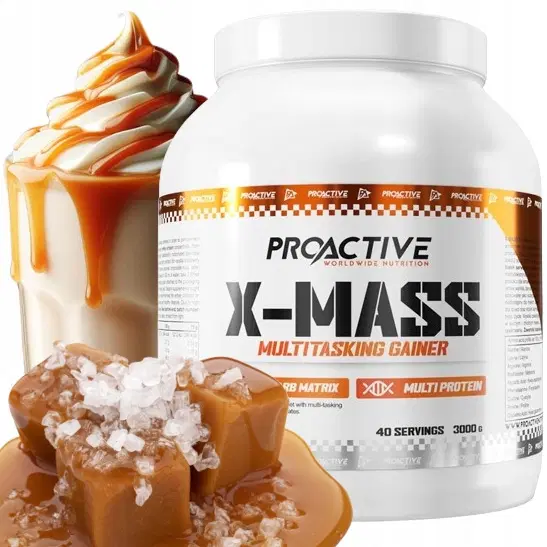
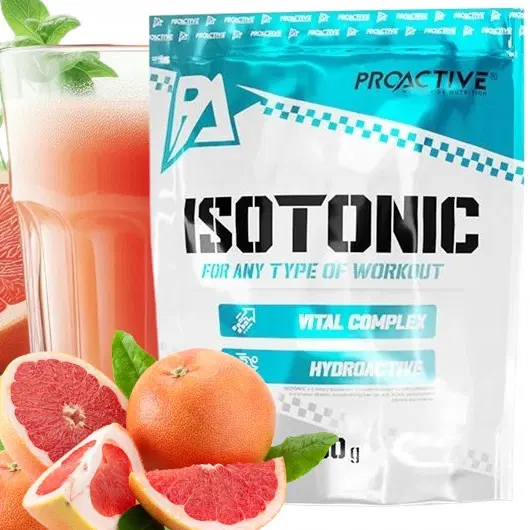
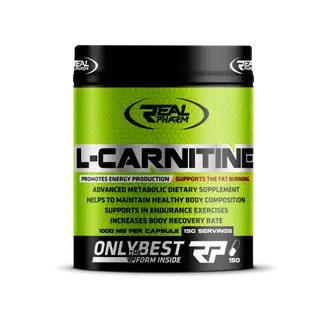
Empfohlene Produkte
Häufig gestellte Fragen
Was ist Isomaltulose und wie unterscheidet es sich von normalem Zucker?
Isomaltulose ist ein Kohlenhydrat, das aus Zuckerrüben gewonnen wird und eine langanhaltende Energiefreisetzung bietet. Es unterscheidet sich von normalem Zucker (Saccharose) durch seine einzigartige chemische Bindung, die zu einem langsameren Abbau im Körper führt.
Wie beeinflusst Isomaltulose den Energielevel und den Blutzucker bei Sportlern?
Da Isomaltulose langsam aufgenommen wird, hält es den Blutzuckerspiegel stabil und sorgt für eine gleichmäßige Energiezufuhr. Dies schützt vor plötzlichen Spitzen und Abstürzen, die während intensiver oder langer Belastungen zu Müdigkeit führen können.
Wann ist es ratsam, Isomaltulose einzunehmen?
Es wird empfohlen, etwa 30-45 Minuten vor dem Training oder während langer Belastungen einzunehmen, um eine gleichmäßige Energiequelle zu gewährleisten. Die Dosen liegen normalerweise zwischen 30-60 Gramm.
Hat Isomaltulose Nebenwirkungen?
Isomaltulose gilt als sicheres Kohlenhydrat. Bei normaler Einnahme verursacht es, ähnlich wie andere Kohlenhydrate, selten schwerwiegende Nebenwirkungen.