Alpha-Alanine vs. Beta-Alanine: Energy Recycler vs. Muscle Buffer
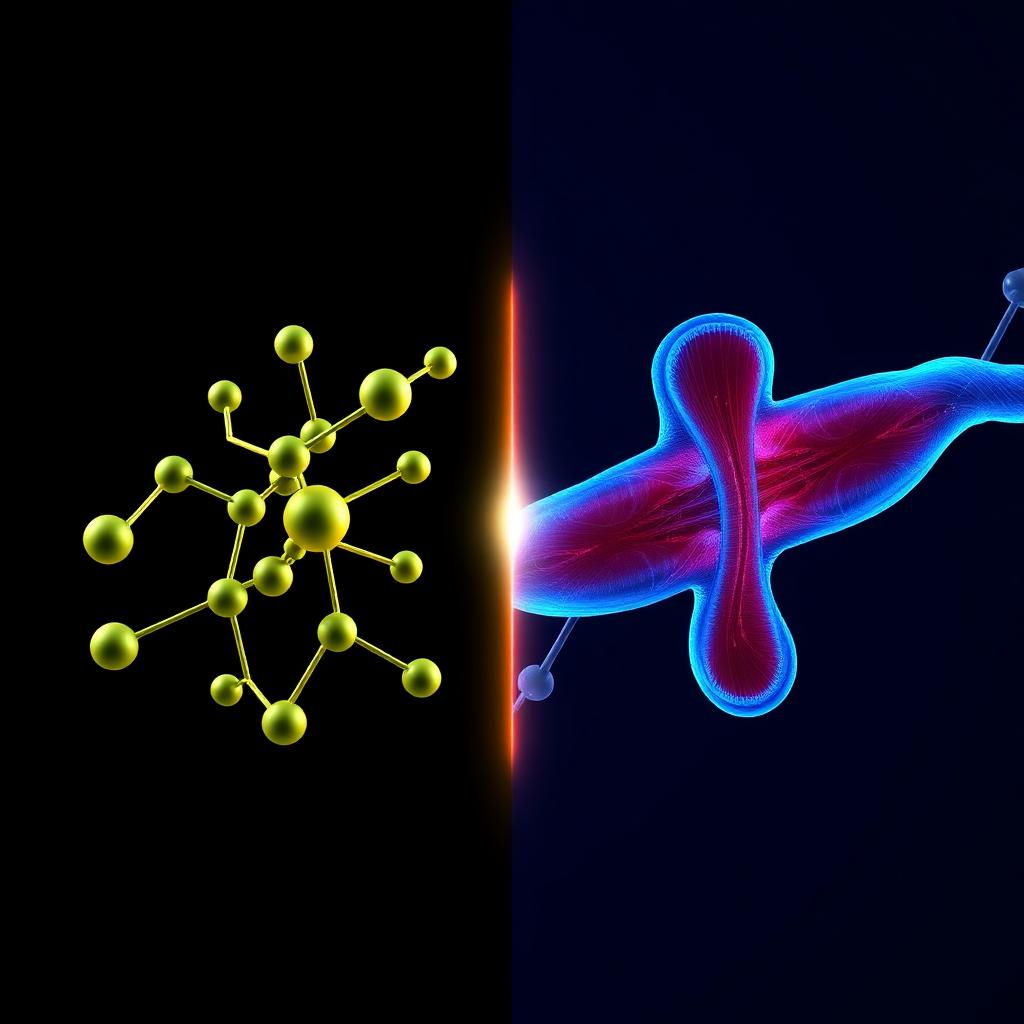
Despite their similar names, these two molecules travel along completely different biological highways. While one is abundant and maintains metabolic balance, the other is the "bottleneck" that determines how long you can endure under stress.
This comparison presents us with the choice between the "Metabolic Brick" and the "Functional Shield". In the body's systemic architecture, Alpha-alanine (L-alanine) is part of the basic building blocks that the body recycles for energy, while Beta-alanine is the specialized tool that modifies the chemical environment in the muscle to prevent its "failure".
📊 Comparative Matrix: Biochemical Profile
| Characteristic | Alpha-alanine (L-Alanine) | Beta-alanine |
|---|---|---|
| Biological Type | Proteinogenic amino acid | Non-proteinogenic amino acid |
| Primary Function | Gluconeogenesis (energy production) | Carnitine Synthesis |
| Metabolic Pathway | Glucose-Alanine Cycle | Intracellular pH control |
| Effect on Muscle | Protects against muscle breakdown (catabolism) | Delays muscle fatigue (burning) |
| Availability | High (in every protein source) | Low (limiting factor for carnitine) |
| Need for Supplementation | Low (the body synthesizes it easily) | High (for sports purposes) |
🧬 In-depth Analysis of Mechanisms
1. Alpha-alanine: The Energy Recycling Master
L-alanine is the second most abundant amino acid in the bloodstream after glutamine. Its role is logistical.
Cahill Cycle (Glucose-Alanine): When your muscles work intensely, they break down amino acids for energy, releasing toxic ammonia. Alpha-alanine "collects" this ammonia and transports it to the liver, where it is converted into new glucose.
Blood Sugar Stabilizer: It is critical for maintaining sugar levels during prolonged fasting or strenuous workouts, protecting muscle tissue from self-degradation.
2. Beta-alanine: The Cellular Fire Brigade
Beta-alanine does not build proteins. Its unique structure allows it to bind with the amino acid histidine, creating Carnitine.
Hydrogen Ion (H⁺) Buffering: During sprints or heavy sets, the accumulation of acidity blocks the muscle's ability to contract. Carnitine acts like a magnet, neutralizing these ions, allowing enzymes to continue their work.
Endurance Threshold: It is most effective for efforts lasting between 1 and 4 minutes – precisely where "burning" usually makes you give up.
🛡️ The Sensation: Silence vs. "Tinglies"
Alpha-alanine: It works in complete silence. You won't feel your body converting it into sugar for energy.
Beta-alanine: Causes paresthesia – a harmless activation of nerve receptors. Many athletes use this sensation as a psychological trigger that their body is ready to work, even though the real effect only comes after weeks of accumulation.
🛠️ Practical Selection Algorithm
🟢 Choose ALPHA-ALANINE (L-Alanine) if:
- You want to improve blood sugar recovery after long illness or exhaustion (rarely needed as a standalone supplement).
- You are on an extremely low-protein diet and are concerned about muscle breakdown.
- Note: In 99% of cases, your Whey Protein or steak provides more than enough.
🔵 Choose BETA-ALANINE if:
- Your goal is athletic performance in CrossFit, weightlifting, boxing, or rowing.
- You train with high volume of repetitions and want to delay muscle failure.
- You are prepared for daily intake (3.2g – 6.4g) for a period of 2 to 4 weeks to "load" muscle stores.
🧭 Final Verdict: How to Optimize Your Strategy?
If you need to invest your money wisely, the focus should be on Beta-alanine.
Alpha-alanine is part of your "hardware" – it's everywhere, and your body manages it excellently through food.
Beta-alanine is a "software upgrade" – your body cannot produce enough of it to reach the carnitine levels needed for elite athletic performance.
💡 Expert Note
When buying a pre-workout product, always check if it says "Beta-Alanine". Some manufacturers may add regular L-alanine to "inflate" the amount of amino acids on the label, but it won't give you any buffering effect against fatigue.
🧭 When to choose which?
- Choose Alpha-Alanine if you want to improve energy metabolism and endurance later in your workout.
- Choose Beta-Alanine if you aim to neutralize muscle acidity and delay the onset of fatigue during high-intensity exercises.
- Combine both if you are looking for a comprehensive improvement in muscle endurance and resilience during prolonged or repeated sets of exercises.
📖 What is Alpha-Alanine and Beta-Alanine?
Alpha-alanine is one of the 20 proteinogenic amino acids that build proteins in the body and serves as a building block for various metabolic processes. Beta-alanine is an isomer of alanine that is not directly used for protein synthesis but is key for carnosine production, an important muscle buffer.
⚖️ Pros and Cons
| ✅ Pros | ❌ Cons |
|---|---|
|
|
🗣️ Simply Explained
Alpha-alanine is like a small factory that helps your body recycle energy more efficiently. Beta-alanine, however, is like a sponge that absorbs and neutralizes the acids which form in your muscles during exercise, making you more durable.
Recommended products
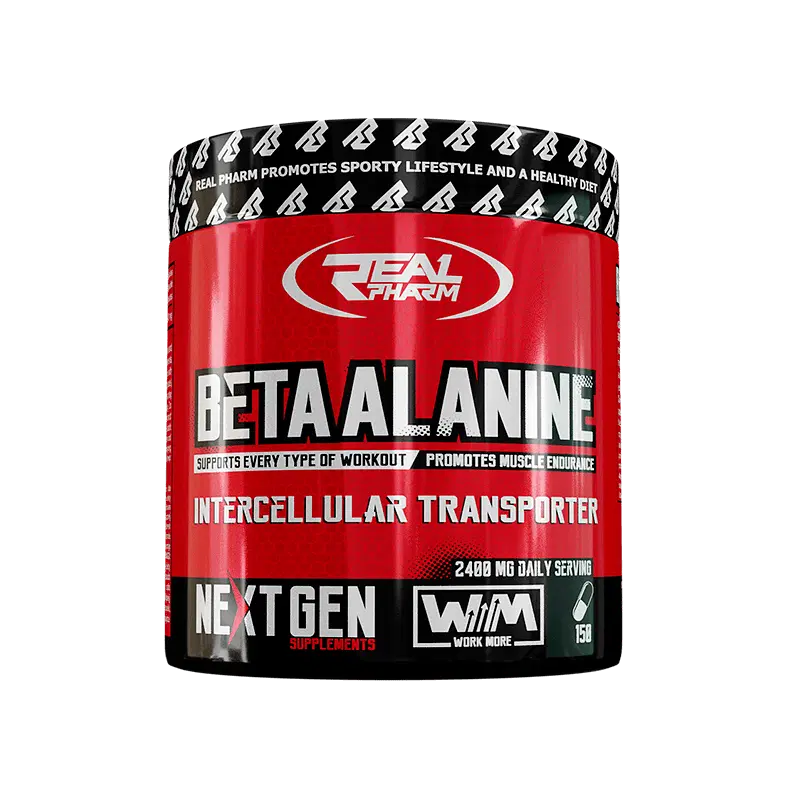
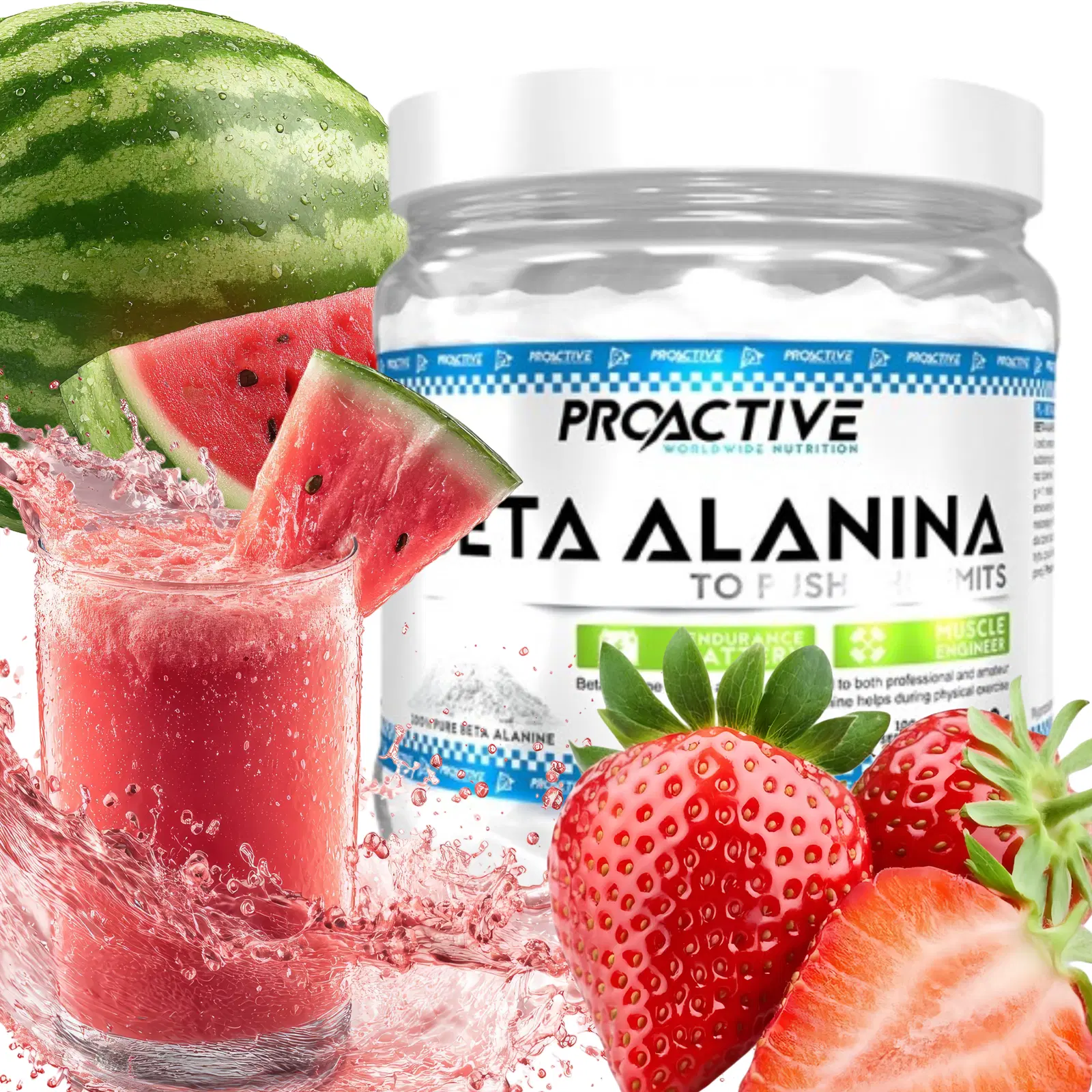
Frequently asked questions
Which of the two substances is more beneficial for improving sports results?
For athletic performance, especially during efforts between 1 and 4 minutes, Beta-alanine is more suitable. It acts as a muscle buffer and delays fatigue, while Alpha-alanine is primarily for energy metabolism.
Do Alpha-alanine or Beta-alanine have side effects?
Alpha-alanine generally has no noticeable side effects, as the body uses it naturally. Beta-alanine can cause a temporary tingling sensation (paresthesia), which is harmless.
How does Alpha-alanine benefit the body?
Alpha-alanine participates in the glucose-alanine cycle, helping to transport ammonia to the liver for conversion into glucose. It also helps maintain blood sugar and protects against muscle breakdown.
Which type of alanine is more readily available through food?
Alpha-alanine (L-alanine) is widely distributed and found in all protein sources, making it easily accessible. Beta-alanine is found in smaller amounts and is often a limiting factor for carnosine synthesis.