Antioxidants and cellular protection
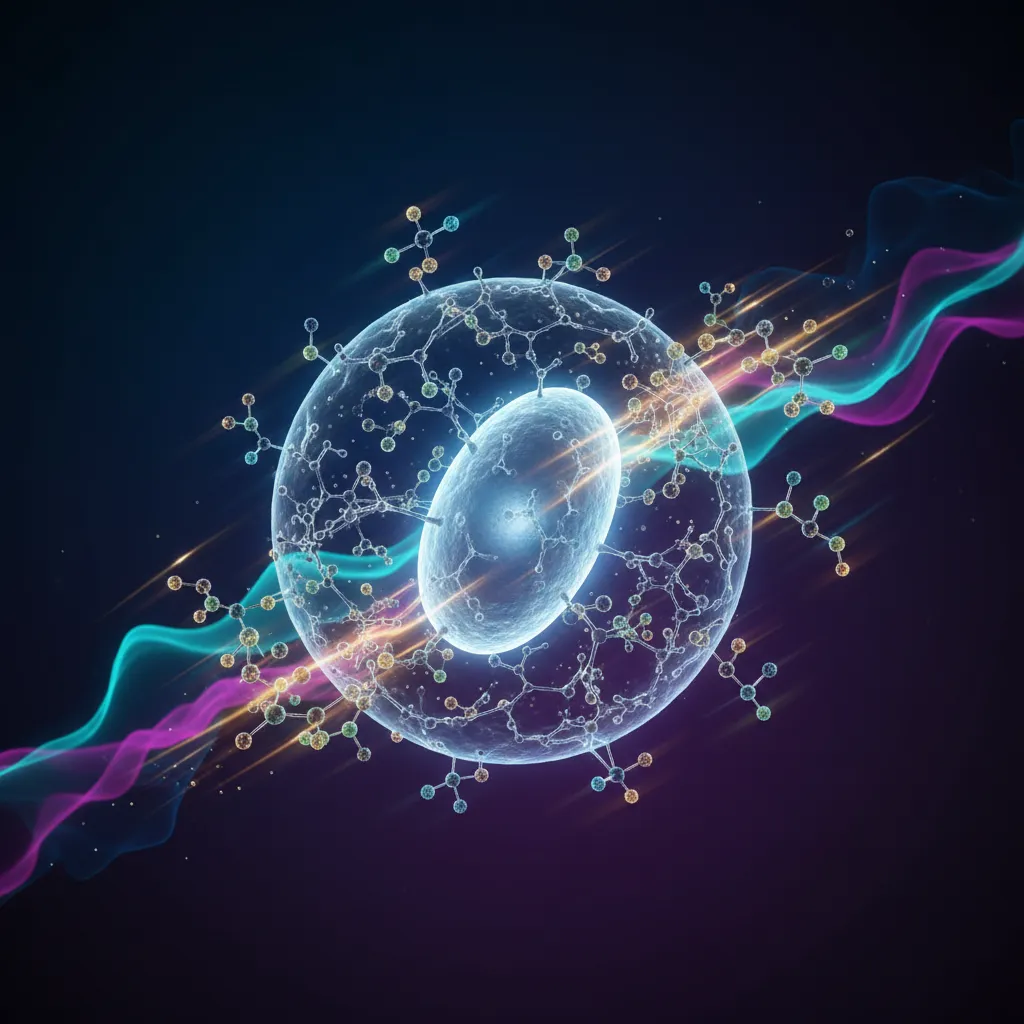
Antioxidants and cellular protection — a complete guide with types, benefits, dosages, and expert recommendations. Everything in one place from SportZone.
Antioxidants and Cellular Protection: A Complete Guide for Athletes and Active People from SportZone
What are antioxidants and cellular protection and why are they important for athletes?
🔬 From SportZone's Practice
We often observe that our clients neglect the importance of antioxidants until they start experiencing delayed recovery or frequent colds. One of the most common mistakes is expecting immediate results from a single antioxidant; a balanced intake and the right combination of foods and supplements are key.
Antioxidants are compounds that neutralize the harmful effects of free radicals in the body, and cellular protection refers to the mechanisms that protect cells from damage. For athletes, these processes are critically important, as intense physical exertion generates an increased amount of free radicals, leading to oxidative stress, inflammation, and delayed recovery. Understanding and maintaining adequate antioxidant protection and healthy cellular functions is fundamental to optimizing athletic performance, accelerating recovery, and preventing long-term damage.
Oxidative stress, caused by an imbalance between the production of free radicals and the body's ability to neutralize them, can damage proteins, lipids, and even DNA, compromising cellular integrity and function. For the exercising individual, this translates into muscle fatigue, reduced strength, longer recovery periods, and an increased risk of injury. Antioxidants work as "scavengers," donating electrons to free radicals and stabilizing them before they cause damage. Maintaining strong cellular protection is key not only for athletic results but also for overall health and longevity.
Integrating antioxidants and cellular protection strategies into an athlete's daily routine can improve adaptation to training, support the immune system, and reduce the risk of chronic diseases associated with oxidative stress. The SportZone Expert Team will guide you through the world of these important compounds so you can make informed decisions about your health and athletic fitness.
What types of antioxidants and cellular protection exist and how do we distinguish them?
📚 Scientific Sources
- Betteridge, D. J. (2000). What is oxidative stress?. Metabolism, 49(2 Suppl 1), 3-8. - Explains the cellular mechanisms of oxidative stress.
- Davies, K. J. (1995). Oxidative stress: the paradox of aerobic life. Biochemical Society Symposia, 61, 1-31. - Studies on the paradox of aerobic life and oxidative stress.
- Sen, C. K., & Packer, L. (2000). Thiol homeostasis and antioxidants with reference to physical exercise. Nutrition, 16(7-8), 585-587. - The relationship between antioxidants and physical exercise.
- Powers, S. K., & Jackson, M. J. (2008). Exercise-induced oxidative stress: cellular mechanisms and impact on muscle adaptation. Physiological Reviews, 88(4), 1243-1271. - Mechanisms of exercise-induced oxidative stress.
Antioxidants and cellular protection mechanisms can be classified in several ways – by their origin (endogenous, produced by the body, and exogenous, taken from outside), chemical structure, or mode of action. It is important to understand that they work synergistically, forming a complex network for the body's protection. Here are some of the most important types that are directly relevant to sports and an active lifestyle:
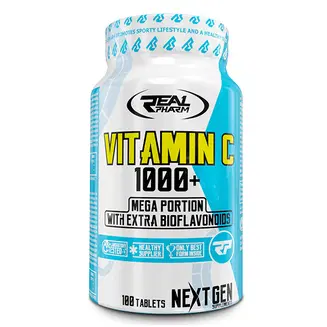
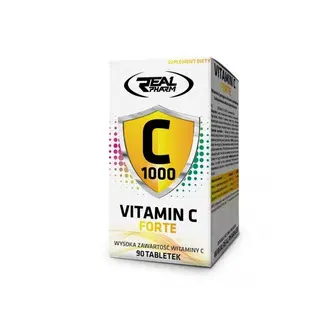
- Vitamin C — Known as a powerful water-soluble antioxidant that supports immune function, collagen synthesis, and protects cells from oxidative stress, especially important for athletes.
- Vitamin E — A fat-soluble antioxidant that protects cell membranes from free radical damage, maintains skin health, and has anti-inflammatory properties.
- Coenzyme Q10 — A vitamin-like substance, crucial for energy production in cellular mitochondria, which also acts as a potent antioxidant, supporting heart health and endurance.
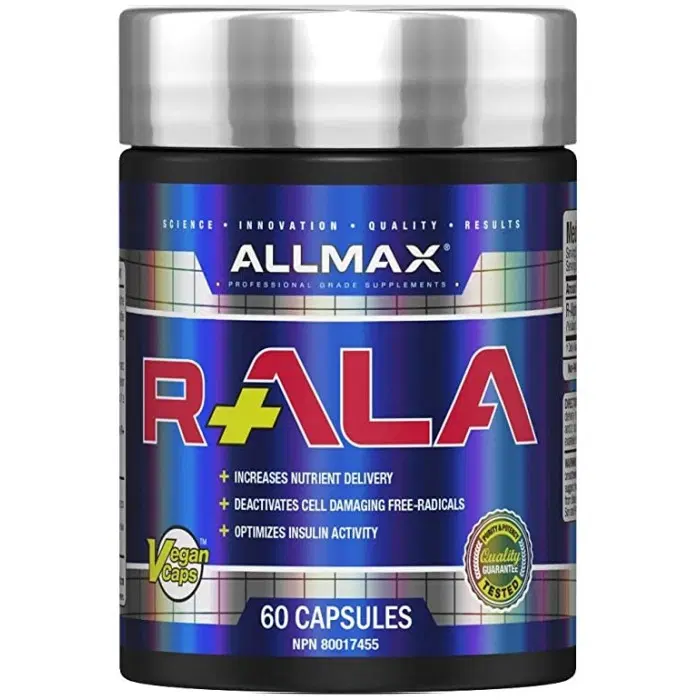
- Alpha-lipoic acid — A unique antioxidant that is both water- and fat-soluble, allowing it to act in different parts of the body and regenerate other antioxidants like Vitamin C and E.
- Resveratrol — A polyphenol found in red grapes and other plants, known for its strong antioxidant and anti-inflammatory properties, which can support heart health and longevity.
- Turmeric — A spice whose active compound curcumin is a potent antioxidant and anti-inflammatory agent, often used to support joints and recovery.
- NAC (N-acetyl cysteine) — A precursor to glutathione, one of the body's most powerful endogenous antioxidants, which supports detoxification and respiratory function.
- Probiotics — Although not direct antioxidants, they support gut health, which is closely linked to immune function and the reduction of systemic inflammation, contributing indirectly to cellular protection.
Distinguishing them is important, as each antioxidant has specific functions and sites of action. A combination of different types can provide a broader spectrum of protection.
How to choose the right antioxidants and cellular protection for our goals?
The choice of appropriate antioxidants and cellular protection agents depends on your individual goals, training regimen, and overall health status. Here are some guidelines to help you make an informed decision:
- For muscle growth: While direct antioxidants do not stimulate growth, they support recovery and reduce catabolism. NAC (N-acetyl cysteine) can support glutathione synthesis, important for cellular health and recovery after intense workouts.
- For endurance: Coenzyme Q10 is key for cellular energy production and can improve aerobic capacity. Resveratrol may also support mitochondrial function and endurance.
- For recovery: Vitamin C and Vitamin E are essential for reducing oxidative stress and inflammation after training. Turmeric is an excellent choice for reducing muscle soreness and inflammation.
- For weight loss: Some antioxidants like Alpha-lipoic acid can support glucose and fat metabolism, indirectly contributing to weight management. Probiotics also play a role in metabolic health.
- For beginners: For beginners, it's good to start with basic and well-researched antioxidants. Vitamin C is versatile and easily accessible, and Vitamin E offers basic protection for cell membranes.
How and when to take antioxidants and cellular protection for maximum results?
The optimal dosage and timing for taking antioxidants and cellular protection supplements can vary depending on the specific product, individual needs, and training intensity. Always follow the manufacturer's recommendations and consult a specialist if you have concerns. However, there are some general principles:
- Before training: Some antioxidants can be beneficial before training to prepare the body for oxidative stress. Coenzyme Q10 can be taken before training to support energy production. Alpha-lipoic acid can also be useful for improving glucose uptake during physical activity.
- After training: This is a critical time for taking antioxidants to help neutralize free radicals generated during exertion and accelerate recovery. Vitamin C, Vitamin E, Turmeric, and NAC (N-acetyl cysteine) are excellent choices for post-workout intake. They can reduce muscle soreness and support recovery processes.
- Every day: Many antioxidants and cellular support supplements are best taken daily to maintain consistent levels in the body and ensure long-term protection. This includes Vitamin C, Vitamin E, Coenzyme Q10, Alpha-lipoic acid, Resveratrol, and NAC (N-acetyl cysteine). Probiotics are also taken daily to maintain healthy gut flora.
It is important to note that some fat-soluble vitamins (like Vitamin E) are better absorbed with food containing fats. Water-soluble vitamins (like Vitamin C) can be taken at any time, but are often recommended with food for better absorption and to avoid stomach discomfort.
👉 Recommended Stack
For active athletes seeking comprehensive cellular protection and accelerated recovery: 1000mg Vitamin C daily, 400IU Vitamin E daily (with food), 200mg Coenzyme Q10 before training, and 600mg NAC in the morning. This combination provides a broad antioxidant network.
What combinations (stacks) of antioxidants and cellular protection work best?
The synergy between different antioxidants can significantly enhance their effectiveness. Combining them allows for a broader spectrum of action and regeneration of depleted antioxidants. Here are some effective combinations:
- Oxidative stress and recovery: The combination of Vitamin C and Vitamin E is a classic, as they regenerate each other and act in aqueous and lipid environments, respectively. Adding Alpha-lipoic acid to this stack enhances the effect, as it can regenerate both vitamins, as well as glutathione.
- Energy and heart health: To support mitochondrial function and heart health, the combination of Coenzyme Q10 and Resveratrol is very effective. Resveratrol can activate pathways related to mitochondrial biogenesis, while Coenzyme Q10 is directly involved in ATP production.
- Detoxification and immune support: NAC (N-acetyl cysteine) works excellently in combination with Vitamin C. NAC supports glutathione production, while Vitamin C further boosts the immune system and is an endogenous antioxidant.
- Anti-inflammatory and joint support: Turmeric, especially in the form of curcumin, combines well with other anti-inflammatory agents or antioxidants like Resveratrol to enhance anti-inflammatory effects and support joint health.
What are the most common mistakes made when taking antioxidants and cellular protection?
- ❌ Excessively high doses: Although antioxidants are beneficial, "more" does not always mean "better." Excessive doses can have the opposite effect, disrupting the body's natural pro-oxidant/antioxidant balance or leading to unwanted side effects. Always adhere to recommended dosages.
- ❌ Isolated intake of one antioxidant: Focusing only on one antioxidant, without considering others, can limit the benefits. The body needs a variety of antioxidants that act synergistically. For example, taking only Vitamin E without adequate
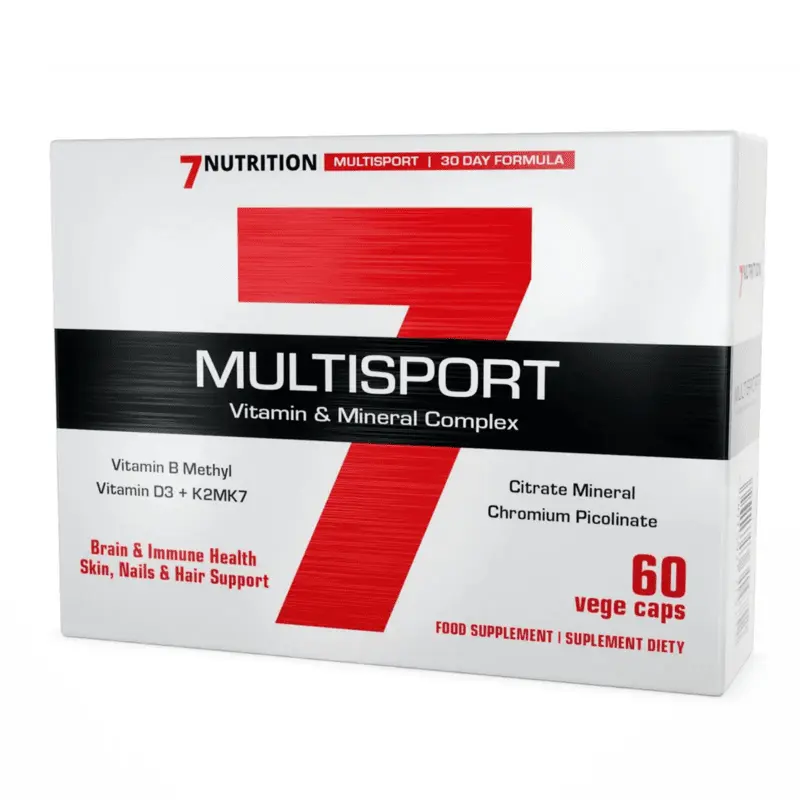
Recommended products
Frequently asked questions
What are the most important antioxidants and cellular protection?
The most important antioxidants include vitamins C and E, selenium, zinc, and various phytonutrients like polyphenols and carotenoids. They work together to neutralize free radicals and protect cells from damage.
How many types of antioxidants and cellular protection exist?
Antioxidants can be divided into endogenous (produced by the body) and exogenous (obtained through diet). Cellular protection encompasses both antioxidant mechanisms and other processes such as DNA repair and immune function.
How do antioxidants protect cells from damage?
Antioxidants work by neutralizing free radicals – unstable molecules that can damage cellular components like DNA, proteins, and lipids. This protects cells from oxidative stress and premature aging.
What are the benefits of adequate antioxidant intake for cellular protection?
Adequate antioxidant intake supports overall cell health, reduces the risk of chronic diseases such as cardiovascular disease and certain types of cancer, and may slow down aging processes.
How can I increase my intake of antioxidants and strengthen my cellular protection?
The best way is through a balanced diet rich in fruits, vegetables, whole grains, nuts, and seeds. Some foods, like berries, dark leafy greens, and green tea, are particularly rich in antioxidants.