Arginine vs. Nitric Oxide: From Raw Resource to Vascular Response
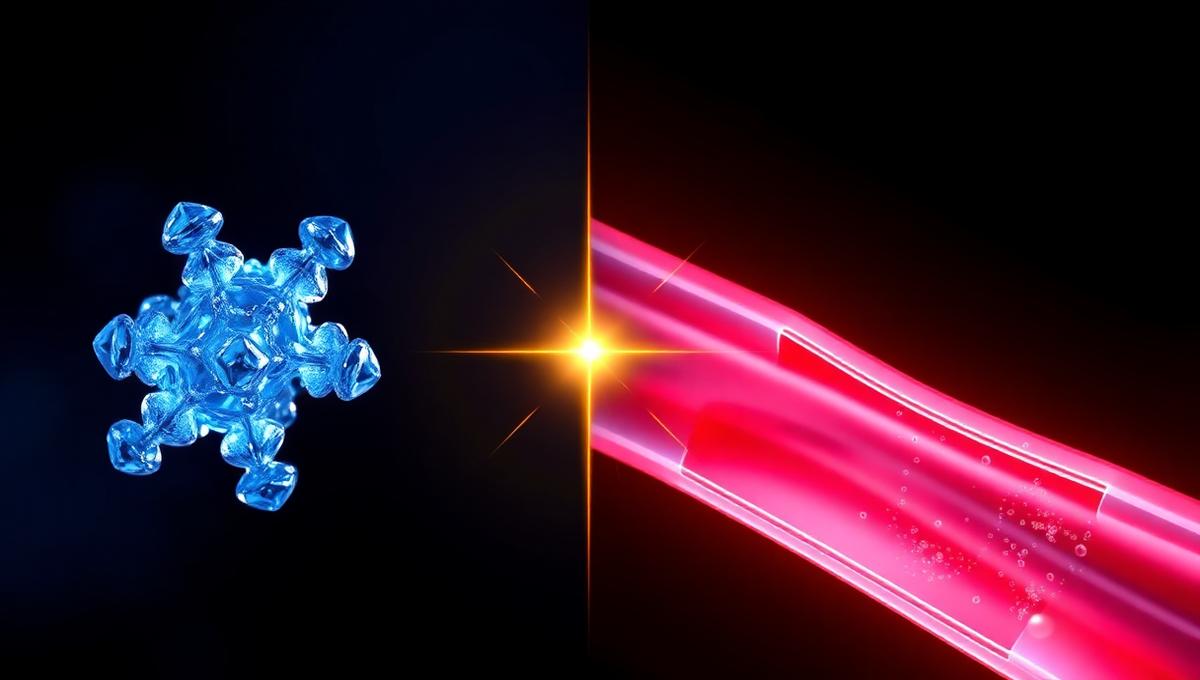
The relationship between L-Arginine and Nitric Oxide is straightforward but regulated by complex enzymatic mechanisms. Learn how the body converts this amino acid into vasodilation, when to take arginine, and why citrulline is sometimes the better choice.
This comparison is fundamental to understanding vascular physiology. In the body's architecture, L-Arginine is the logistical resource (the raw material), and Nitric Oxide (NO) is the operational signal (the execution). Without sufficient arginine, the system remains without fuel, but without efficient conversion – the fuel remains unused.
📊 Comparative Matrix: Precursor vs. Biological Agent
| Characteristic | L-Arginine | Nitric Oxide (NO) |
|---|---|---|
| Biological Status | Conditionally Essential Amino Acid | Unstable Gas Molecule |
| Lifespan in the System | Hours (metabolizes slowly) | Milliseconds (instantaneous reaction) |
| Primary Mechanism | Substrate for the eNOS enzyme | Directly relaxes smooth muscle |
| Method of Supply | Diet and supplements | Internal production only |
| Additional Functions | Ammonia detoxification and immunity | Immune signaling and neurotransmission |
| Effectiveness | Depends on enzyme activity | Direct vasodilator |
🧬 In-depth Analysis: The Biochemical Transformation Pathway
For Arginine to become "pump" and healthy vessels, it undergoes a specific enzymatic process.
1. The Role of eNOS (Endothelial Nitric Oxide Synthase)
The eNOS enzyme is the factory that processes arginine. It separates the nitrogen molecule from the amino acid to create NO.
Endothelial Function: The health of your blood vessels depends not only on how much arginine you have but also on *how efficiently these enzymatic "factories" work*.
2. Overcoming the "Liver Barrier"
A major issue with oral arginine intake is that the liver contains the enzyme arginase, which rapidly breaks down a large portion of it before it reaches systemic circulation. This explains why higher doses are sometimes needed for a real effect.
🚀 Advanced Benefits: Systemic Impact
- ✅ Metabolic Detoxification: Arginine is a critical player in the urea cycle. It assists the body in converting toxic ammonia into urea, which is then excreted through urine. This reduces muscle fatigue.
- ✅ Tissue Healing: As a precursor to proline and collagen, arginine is indispensable for recovery after surgery or severe trauma.
- ✅ Improved Insulin Sensitivity: Nitric oxide helps glucose enter cells more effectively by improving capillary flow to muscle tissues.
⚠️ The "Arginine Paradox" and Alternatives
Why doesn't arginine work for some people?
The body maintains a delicate balance. In healthy young athletes, arginine stores are often full. In these cases, taking L-Citrulline is often more effective, as it converts to arginine *later* in the kidneys, bypassing the liver and ensuring a longer-lasting presence in the blood.
🛠️ Practical Selection Algorithm
✅ Use L-ARGININE if:
- Your goal is general health, wound healing, or immune support.
- You are combining it with other amino acids to stimulate growth hormone (before sleep).
- You have diagnosed hypertension or vascular stiffness (under medical supervision).
⚠️ Be Cautious (Contraindications):
- Active Herpes: The virus needs arginine to replicate. Stop intake and increase L-Lysine.
- Low Blood Pressure: May cause dizziness due to excessive vasodilation.
🧭 Intake Protocol (2026)
- 💪 For Sports (Pre-workout): 3–6 grams about 30–60 minutes before training.
- ❤️ For Health: 2–3 grams daily, split into two doses.
- 🧪 Synergy: Combine with Vitamin C to protect newly produced nitric oxide from rapid oxidation and extend its effect.
💡 Expert Conclusion
L-Arginine and Nitric Oxide are not competitors – they are two sides of the same coin. Arginine is the fuel, and NO is the energy you get. If you are a young, healthy athlete, consider L-Citrulline as a more effective way to increase blood arginine. If you are over 40 or have vascular issues, direct L-Arginine intake may be a more suitable choice for improving endothelial function and overall health.
🤖 Expert Advice: If you are taking arginine for erectile function or blood pressure, be patient. The effect on vascular elasticity usually requires accumulation over 2 to 4 weeks of regular intake.
🧭 When to choose which?
- Choose Arginine if your goal is to support the body's natural nitric oxide production and you are looking for a direct nutritional impact.
- Choose Nitric Oxide (as a supplement) if you want a faster and more direct way to increase nitric oxide levels for specific benefits like improved blood flow.
- Combine both if you are aiming for a synergistic effect – supporting natural processes with a more direct boost in nitric oxide for maximum results.
📖 What are Arginine and Nitric Oxide?
Arginine is an amino acid that serves as a precursor for nitric oxide synthesis in the body. Nitric Oxide (NO) is a vasodilator that relaxes the smooth muscles of blood vessels, facilitating better blood flow.
⚖️ Pros and Cons
| ✅ Pros | ❌ Cons |
|---|---|
|
|
🗣️ Explained simply
Imagine arginine is like the building block your body uses to make nitric oxide. Nitric oxide, in turn, is responsible for widening your blood vessels. We'll see how this connection affects your blood circulation.
Recommended products
Frequently asked questions
When is it better to take L-Arginine and when L-Citrulline?
L-Arginine is suitable for general health, immune system support, and for certain health conditions under medical supervision. L-Citrulline is often more effective for athletes as it bypasses the liver and provides a more stable increase in arginine levels.
How does L-Arginine work to improve blood vessels?
L-Arginine is a raw material (precursor) for the production of Nitric Oxide (NO) in the body. NO acts as a signal that relaxes the smooth muscles in the walls of blood vessels, causing their dilation (expansion) and improving blood flow.
Are there any side effects from taking L-Arginine?
Yes, L-Arginine can have side effects such as worsening symptoms of active herpes, as the virus needs it for replication. In people with low blood pressure, it can cause dizziness due to significant vasodilation.
Can I combine L-Arginine with other supplements?
Yes, combining L-Arginine with Vitamin C is recommended, as Vitamin C protects the newly formed Nitric Oxide from rapid oxidation and prolongs its effect. To stimulate growth hormone, it can be combined with other amino acids before sleep.