Arginine vs. Beta-Alanine: Blood Flow vs. Acid Control

Arginine improves blood supply, and beta-alanine delays muscle fatigue. Arginine dilates blood vessels for better nutrient transport. Beta-alanine lowers acidity, allowing for more intense workouts.
Short answer: Arginine stimulates nitric oxide for vasodilation and better blood flow, while beta-alanine buffers hydrogen ions for extended performance in 1-4 min. loads. Practical tip: For a pre-workout stack, use citrulline (more effective than arginine) + beta-alanine.
We compare two supplements that help in different ways – arginine improves blood flow, and beta-alanine controls acidity in the muscles. Arginine dilates blood vessels, thus improving nutrient delivery. Beta-alanine reduces acidity in the muscles so you can work longer.
Related reading: the detailed guide to supplements — over 270 expert-verified articles by Petar Mitkov and the Sport Zona team.
Which is better: arginine or beta-alanine?
The comparison matrix presents the main differences between L-Arginine (AAKG) and Beta-Alanine (CarnoSyn), with L-Arginine being a precursor to Nitric Oxide, and Beta-Alanine being a precursor to Muscle Carnosine. Their effects are vasodilation and pH control, respectively.
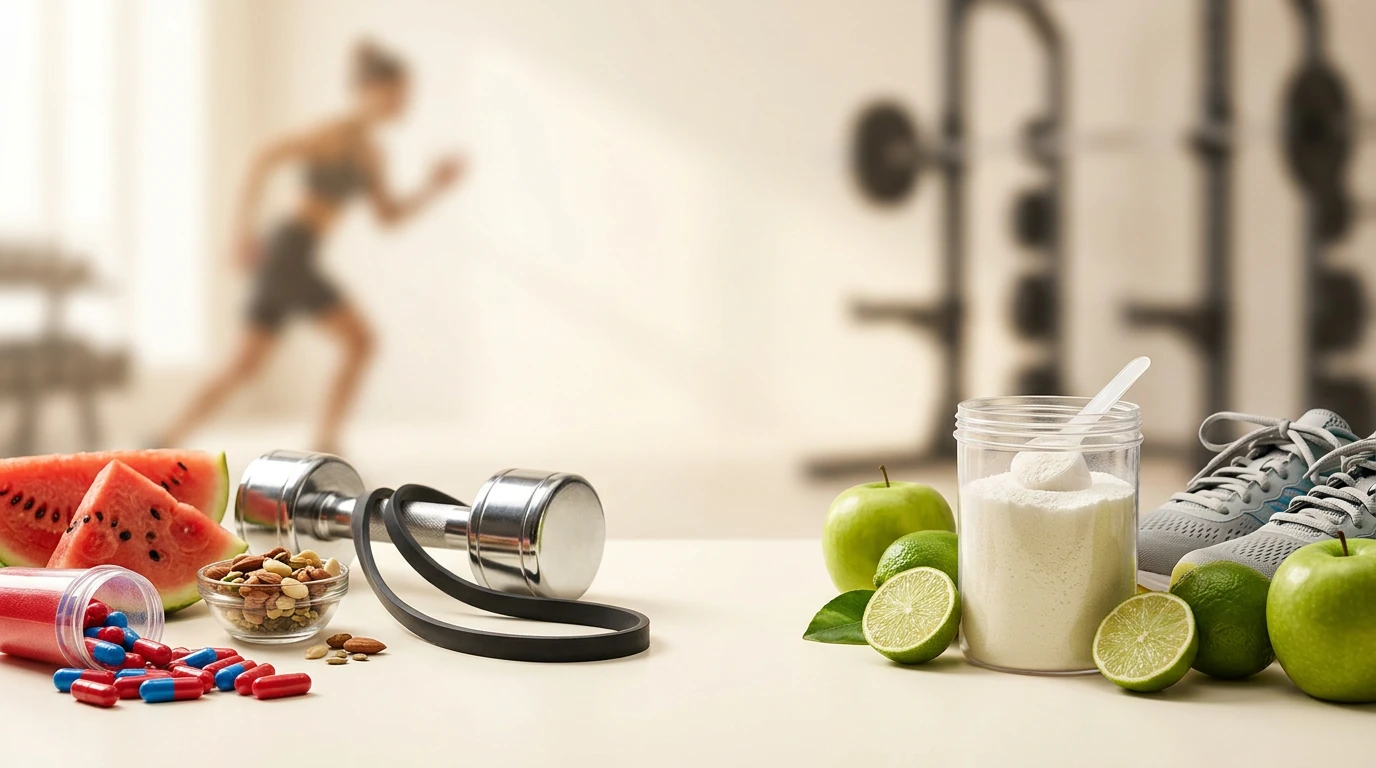
| Characteristic | L-Arginine (AAKG) | Beta-Alanine (CarnoSyn) |
|---|---|---|
| Biological Role | Precursor of Nitric Oxide (NO) | Precursor of Muscle Carnosine |
| Main Effect | Vasodilation (vessel dilation) | Intracellular pH buffer |
| Time of Effect | Acute (acts after 30–60 min.) | Cumulative (requires 2–4 weeks) |
| Training Goal | "Pump" and vascularity | Endurance and set volume |
| Type of Fatigue | Reduces peripheral resistance | Neutralizes hydrogen ions (H⁺) |
| Specific Symptom | Increased body temperature / vascularity | Paresthesia (harmless tingling) |
What are the mechanisms of action of arginine and beta-alanine?
1. Arginine: Better nutrient delivery
Arginine is an amino acid that plays a key role in blood vessel function, as the enzyme NOS converts it into gaseous nitric oxide when its blood levels increase.
Simply put: This section explains how arginine and beta-alanine work at the cellular level and their chemical pathways.
Scientific sources
- Schwedhelm et al., 2008 - L-Arginine and arginine derivatives in cardiovascular diseases (PMID: 18451897)
- Hobson et al., 2012 - Effects of β-alanine supplementation on exercise performance: a meta-analysis (DOI: 10.1007/s00421-012-2491-6)
- Harris et al., 2006 - The absorption of orally administered β-alanine and its effects on muscle carnosine synthesis in humans (DOI: 10.1113/jphysiol.2006.113937)
- Paddon-Jones et al., 2004 - Effects of arginine-containing supplements on amino acid concentrations and protein synthesis in healthy adults (PMID: 15159247)
Many strength athletes and endurance trainers prefer the combination of Arginine and Beta-Alanine for maximum performance. A common mistake is to expect a quick effect from beta-alanine, but it requires accumulation in the body. Our clients often report significant "pump" and less fatigue during higher rep training if dosed correctly.
The "Hyperemia" Effect: Dilated vessels allow more blood to flow to the working muscles. This isn't just for a better look – increased blood flow quickly delivers glucose and amino acids right when muscle cells need them most.
Metabolite Clearance: Arginine helps remove lactate and ammonia from muscles, shortening rest time between sets.
2. Beta-Alanine: The intracellular shield
While arginine affects the circulatory system, beta-alanine acts directly within muscle fibers.
Fighting the "Burn": During intense exercise, muscles become acidic due to the accumulation of hydrogen ions. This hinders muscle contraction. Beta-alanine increases carnosine levels, which buffers these ions and maintains stable pH levels.
The Time Window: Beta-alanine is most effective for loads lasting between 60 and 240 seconds – this is the time when muscles typically "fail" due to acidity.
How to manage arginine and beta-alanine intake?
L-arginine is often associated with poor intestinal absorption, which is why athletes prefer AAKG (Arginine Alpha-Ketoglutarate) for better absorption or Citrulline, which the body converts to arginine more efficiently.
Beta-alanine and "Needles": Paresthesia is a sign that beta-alanine is activating nerve receptors. It is not harmful, but can be uncomfortable for some. Splitting the daily dose into 3–4 smaller intakes of 1.6g usually eliminates this effect.
When to choose arginine over beta-alanine?
Arginine (or AAKG) is a suitable choice if you aim to improve blood flow and muscle pump during training.
- You want muscle hypertrophy and maximum pump.
- You aim for better vascularity during training.
- You need faster recovery between short, explosive sets.
🔵 Choose BETA-ALANINE if:
- You train CrossFit, martial arts, or run middle distances.
- You want to increase the number of repetitions per set (from 8 to 12–15).
- You want to delay the onset of muscle "burn".
Recommended stack
For the best pre-workout effect, combine 3-5 grams of L-Arginine (as AAKG) for vasodilation with 2-3 grams of Beta-Alanine (as CarnoSyn) for buffering lactic acid. Take beta-alanine daily for a cumulative effect, regardless of whether you train.
What is the "Pump and Persistence" Synergy Protocol (2026)?
The "Pump and Persistence" Synergy Protocol (2026) is a way to combine arginine and beta-alanine to work synergistically without having to choose between the two supplements.
Every day (Foundation): Take 3.2g of Beta-Alanine daily to maintain high muscle carnosine levels.
45 min. Before workout (Support): Take 3–5g of Arginine (or 6–8g of Citrulline Malate).
The Result: Arginine provides greater blood flow and more nutrients to the muscles, while Beta-Alanine ensures they work longer with that fuel without becoming exhausted from acidity.
Expert note:
If you are prone to cold sores, be cautious with high doses of arginine as it can activate the virus. In such cases, take arginine along with L-Lysine to reduce this risk. You can also replace arginine with Citrulline – the body converts it to arginine without causing the same problem.
🧭 When to choose which?
- Choose Arginine if you want to improve muscle pump and nutrient delivery.
- Choose Beta-Alanine if you want to increase muscle endurance and delay fatigue during high-intensity training.
- Combine both if you want both better blood flow and greater capacity for high-intensity loads.
📖 What are Arginine and Beta-Alanine?
Arginine is a conditionally essential amino acid, a precursor to nitric oxide (NO), which dilates blood vessels and improves blood flow. Beta-alanine, when combined with histidine, forms carnosine, which acts as an intracellular buffer, neutralizing the acidity accumulated during intense exercise.
⚖ Pros and Cons
| Pros | Cons |
|---|---|
|
|
🗣 Simply Explained
Arginine helps improve muscle blood supply, delivering more oxygen and nutrients. Beta-alanine acts as a buffer against acid buildup in muscles during training, reducing fatigue and allowing you to train longer.
Choose the right product for your goal:
→ Pre-workout products with arginine
→ Creatine with added beta-alanine
Combined protocol for maximum effectiveness:
Combining products increases effectiveness. Based on Sport Zona practice.
⚖ When to choose Arginine
- Athletes who want muscle hypertrophy and maximum pump.
- Athletes seeking improved vascularity during training.
- Athletes needing faster recovery between explosive sets.
- When an athlete seeks faster nutrient delivery to muscles.
⚖ When to choose Beta-Alanine
- Athletes practicing CrossFit, martial arts, or middle-distance running.
- Athletes who want to increase the number of repetitions per set (from 8 to 12–15).
- Athletes aiming to delay fatigue and muscle burn.
- When an athlete trains with loads lasting between 60 and 240 seconds.
Expert note from Sport Zona
From my practice, I notice that combining these two supplements yields good results. Arginine improves the pre-workout pump, and beta-alanine extends the intensity of the set, especially in sports with high metabolic load.
Recommended products
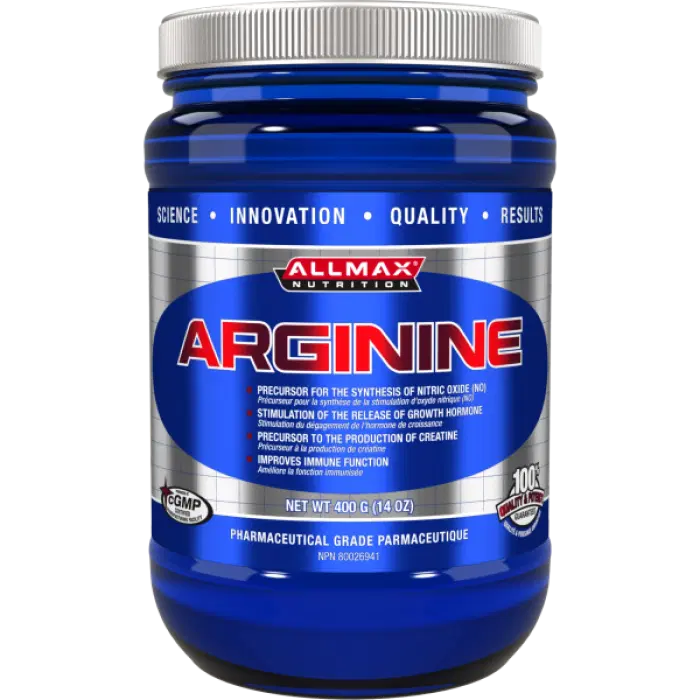
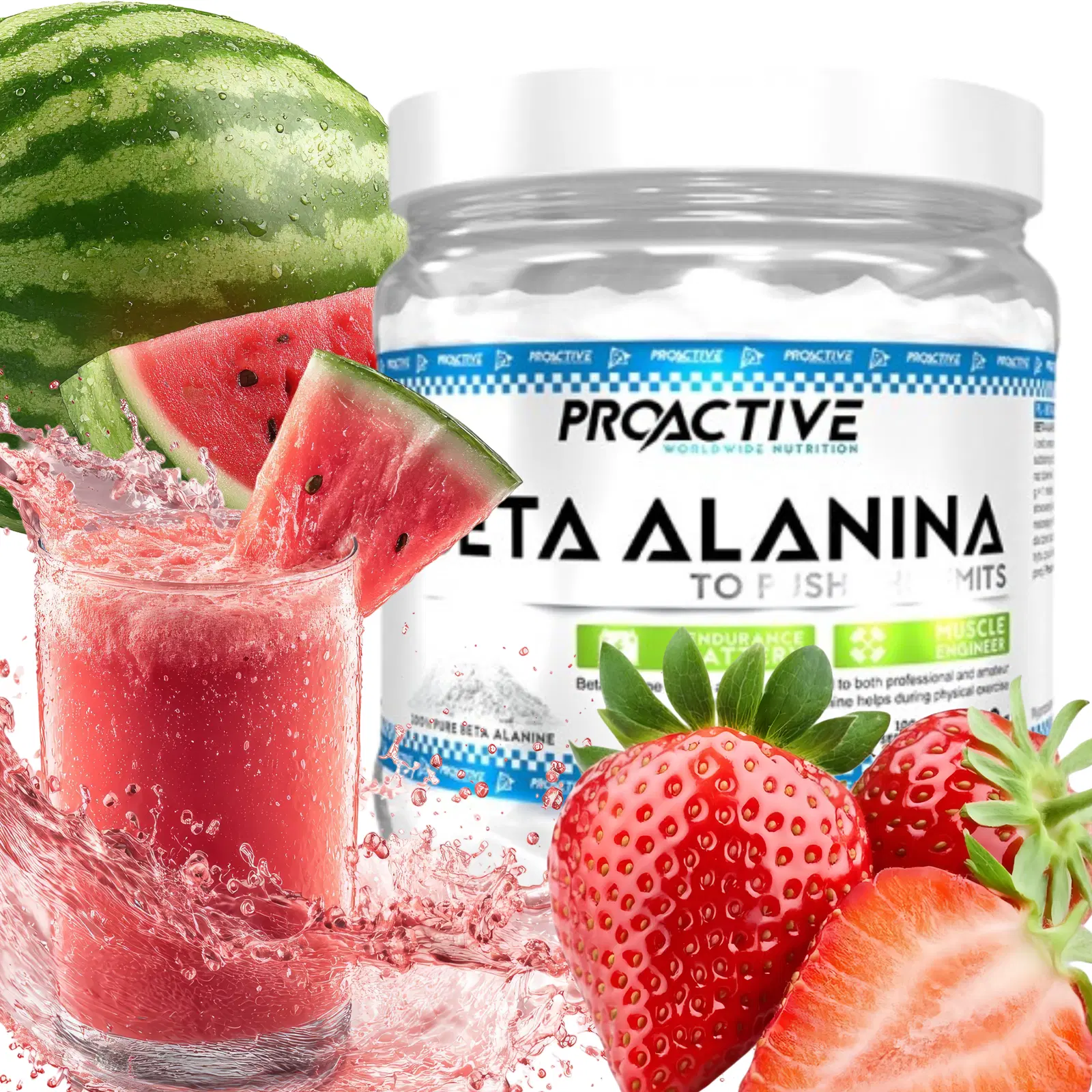
Frequently asked questions
Can Arginine and Beta-Alanine be taken together?
Yes, they can be combined for a synergistic effect. Arginine improves blood flow, while Beta-Alanine increases muscle endurance.
Which is better for endurance - Arginine or Beta-Alanine?
Beta-Alanine is more suitable for improving endurance. It helps neutralize acidity in the muscles, which delays fatigue during longer workouts.
When is the best time to take Arginine and Beta-Alanine?
Beta-Alanine is taken daily for muscle accumulation, and Arginine is taken about 45 minutes before training for an acute vasodilation effect.
What are the main side effects of these supplements?
With Arginine, increased body temperature and vascularity may be observed. Beta-Alanine can cause paresthesia (tingling), which is harmless and can be avoided by splitting the dose.