ATP-CP energy system

The ATP-CP energy system is a primary energy source for high-intensity, short-duration physical activities. It provides instant power without the need for oxygen, making it key for sports requiring explosive movements.
The ATP-CP energy system is an anaerobic alactic system that represents the fastest and most immediate mechanism for energy production in the human body. It is based on the breakdown of creatine phosphate (CP) for the resynthesis of adenosine triphosphate (ATP), the main energy currency of cells, without the need for oxygen and without the accumulation of lactic acid.
How does the ATP-CP system work?
💬 Simply put: This is the fastest way for the body to produce energy for short and intense efforts, using creatine phosphate to replenish its main fuel – ATP.
During high-intensity activities, such as weightlifting, sprinting, or jumping, muscles require immediate energy. Adenosine triphosphate (ATP) is the molecule that directly provides this energy by breaking down into adenosine diphosphate (ADP) and releasing a phosphate group. The amount of ATP stored directly in the muscles is extremely small and can only sustain muscle activity for a few seconds (approximately 1-3 seconds).
This is where creatine phosphate (CP) comes into play. Creatine phosphate is a high-energy molecule stored in muscle cells that can quickly donate its phosphate group to ADP to convert it back into ATP. This reaction is catalyzed by the enzyme creatine kinase and is extremely fast. Thus, the ATP-CP system provides additional energy for another 8-12 seconds, extending the total duration of high-intensity activity to a maximum of 10-15 seconds.
Duration and Intensity
The main characteristic of the ATP-CP system is its extremely high power output and short duration. It is the dominant energy system for efforts with maximum intensity and duration between 0 and 15 seconds. After this period, the creatine phosphate stores in the muscles are significantly depleted, and other energy systems (such as anaerobic glycolysis and the aerobic system) begin to take the lead.
Examples of activities that rely predominantly on this system include:
- Short-distance sprints (e.g., 100 meters)
- Weightlifting (single or a few repetitions with maximum weight)
- Jumps (vertical jumps, long jump)
- Throws (javelin, shot put)
- Explosive movements in team sports (shot, quick change of direction)
ATP-CP System Recovery
The recovery of creatine phosphate stores after exhaustion is a relatively fast process. About 70% of the stores are recovered within 30 seconds to 1 minute of rest, and full recovery typically takes between 3 to 5 minutes. This is the reason for the long rest periods often employed in strength training with low repetitions and high intensity. Schoenfeld (2010), for example, recommends longer rest periods (2-3 minutes) for optimal strength adaptations, precisely because of the need for creatine phosphate resynthesis.
Importance for Sports and Training
Understanding the ATP-CP system is crucial for planning training aimed at improving strength, power, and explosiveness. Athletes whose sports require sudden, powerful movements, such as weightlifters, sprinters, combat athletes, and team sport players, benefit significantly from training protocols that target this system.
Typical training includes:
- A low number of repetitions with maximum or submaximal weight (1-5 repetitions)
- Short sets (up to 10-15 seconds of work)
- Long rest periods between sets (2-5 minutes)
- Use of plyometric exercises (jumps, throws)
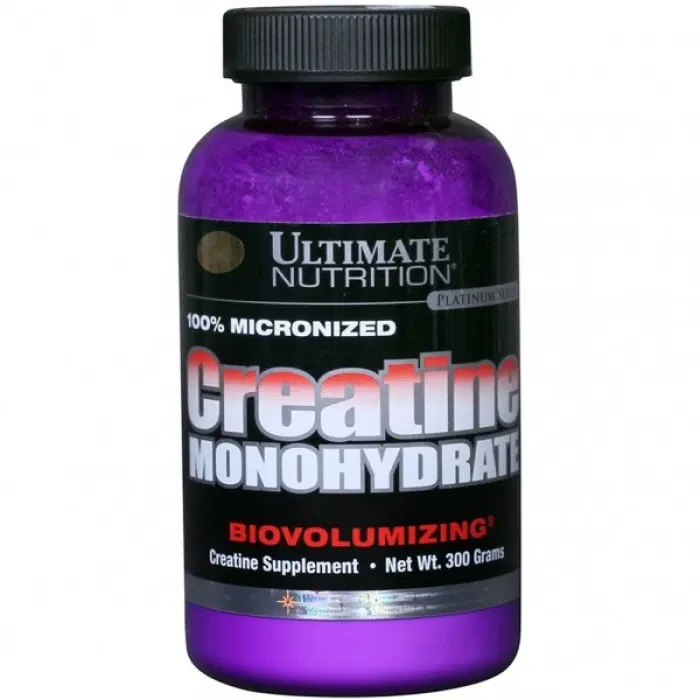
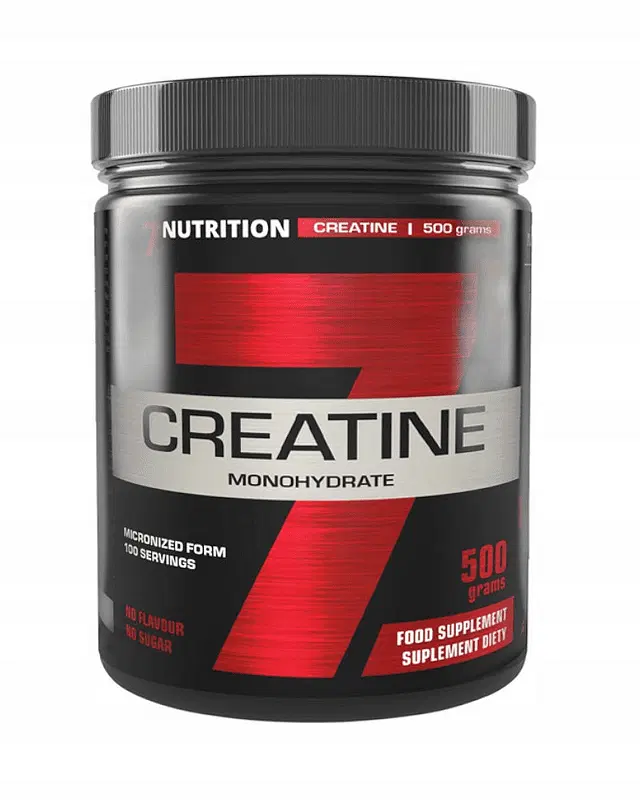
Supplementation with creatine monohydrate can significantly increase creatine phosphate stores in the muscles, which enhances the capacity of this energy system and allows for more high-intensity repetitions or higher power output for a short period. Studies by Hultman et al. (1996) and Buford et al. (2007) strongly confirm the effectiveness of creatine in improving strength and power.
Differences with Other Energy Systems
For better understanding, here is a comparison of the main energy systems:
| Energy System | Primary Fuel | Duration | Intensity | Examples of Sports | Oxygen Requirement |
|---|---|---|---|---|---|
| ATP-CP | Creatine Phosphate (CP) | 0-15 seconds | Maximal | Sprints (100m), weightlifting, jumps | Not required (Anaerobic Alactic) |
| Anaerobic Glycolysis | Glucose | 15 seconds - 2 minutes | High to Maximal | Sprints (400m), medium sets in strength training | Not required (Anaerobic Lactate) |
| Aerobic System | Glucose, Fats, Proteins | > 2 minutes | Low to Moderate | Marathon, triathlon, long-distance running | Required (Aerobic) |
- Provides immediate and maximal power output
- Does not require oxygen for energy production
- Does not lead to lactic acid accumulation (no metabolic fatigue)
- Fast recovery of stores
- Extremely limited capacity (up to 15 seconds)
- Performance drops drastically with overload without adequate rest
- Relying solely on this system can limit endurance
See more in the fitness guides of Sport Zona Academy.
📚 Scientific Sources
- International Society of Sports Nutrition position stand: safety and efficacy of creatine supplementation in exercise, sport, and medicine (Kreider RB, et al., 2017)
- The interaction between the metabolic energy systems of skeletal muscle during high-intensity exercise (Baker JS, et al., 2010)
- Skeletal muscle energy metabolism during exercise (Hargreaves M, et al., 2020)
🔬 Expert Note from Sport Zona
When working with Bulgarian athletes, I observe that they often underestimate the importance of full recovery between high-intensity sets. Adequate rest is key to replenishing creatine phosphate stores and allowing for maximum performance in subsequent repetitions. Neglecting this aspect leads to a significant decrease in strength and explosiveness after the first few sets.
See more in the fitness guides of Sport Zona Academy.
Recommended products
Frequently asked questions
How long does it take for the ATP-CP system to recover?
About 70% of phosphocreatine stores are replenished in 30-60 seconds, and full recovery takes between 3 and 5 minutes of rest.
What type of training is most suitable for developing the ATP-CP system?
Low-rep training (1-5 reps) with maximal or near-maximal weights, short sets (<15 seconds), and long rests (2-5 minutes) between sets.
Can creatine improve the performance of the ATP-CP system?
Yes, creatine monohydrate supplementation increases muscle phosphocreatine stores, which directly improves the capacity and efficiency of the ATP-CP system.
Which sports rely most heavily on the ATP-CP system?
Sports requiring short, explosive efforts such as sprints (100m), weightlifting, jumping, throwing, and quick, powerful movements in team sports.