Avocado versus Olives: Lipid Energy and Cellular Protection
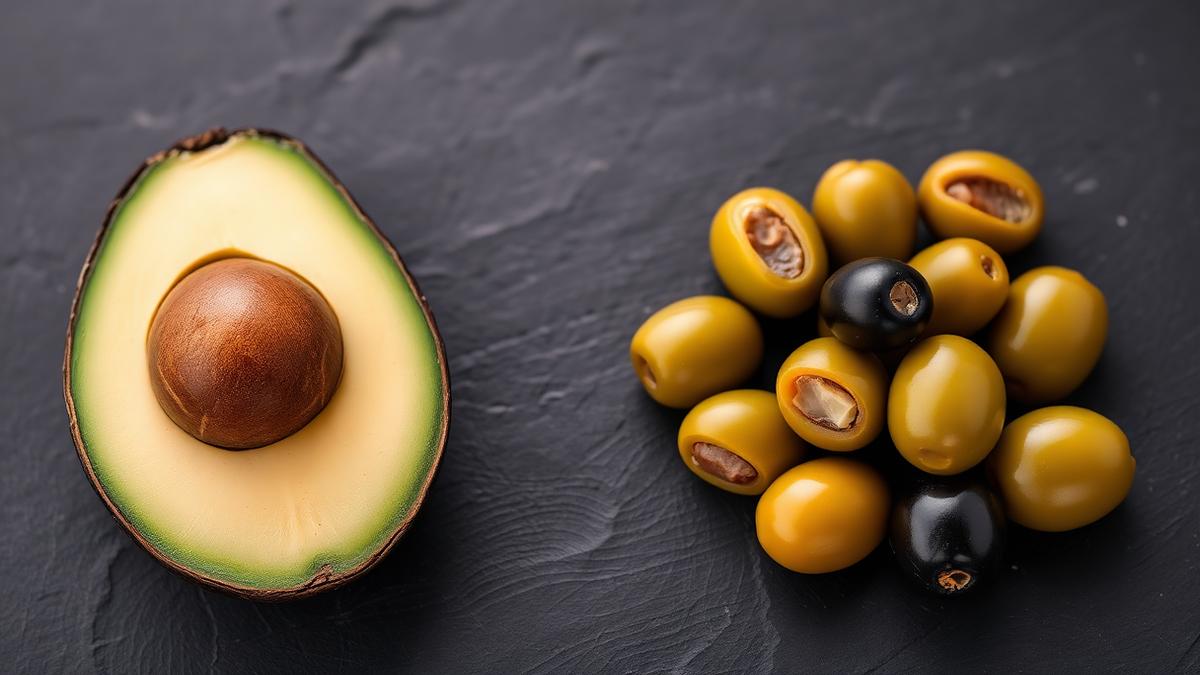
Optimization of insulin sensitivity and the oxidative response. Avocado provides potassium, glutathione, and prebiotic fiber for metabolic control, and olives – oleocanthal and hydroxytyrosol for anti-inflammatory protection.
Optimization of Insulin Sensitivity and Oxidative Response
🏋️ SportZone Insight: By 2026, sports biochemistry views fats as "signaling macronutrients". The choice between avocado and olives is not a matter of calories, but whether your body needs electrolytic transfer (Potassium) or enzymatic pain suppression (Oleocanthal).
Characteristic
Avocado (Pulp)
Olives (Black/Green)
Fat Profile
Monounsaturated (Omega-9)
Monounsaturated (High Stability) ✓
Potassium (Electrolyte)
485 – 520 mg 🏆
~10 – 40 mg
Sodium (Hydration)
7 mg
700 – 1500 mg 🏆
Fiber
6.7 – 7.0 g (Prebiotic) 🏆
3.0 – 3.5 g
Vitamin E
Frequently asked questions
Why are olives called natural ibuprofen?
Olives contain oleocanthal – a phenolic compound that mimics the action of ibuprofen by inhibiting COX-1 and COX-2 enzymes. This makes them ideal for reducing chronic joint pain in athletes.
How does avocado help in the absorption of other nutrients?
The fats in avocado increase the absorption of fat-soluble carotenoids (beta-carotene, lutein) from vegetables by up to 15 times, acting as a transport vehicle for these nutrients.
Are olives suitable for hydration during hot weather sports?
Yes. Canned olives contain 700-1500 mg of sodium per 100g, making them the fastest natural way to restore electrolyte balance in athletes who lose a lot of salt through sweat.
Can excessive consumption of avocado be harmful?
Avocado contains oxalates, which in predisposed individuals can contribute to kidney stone formation. Also, firm (unripe) avocado contains starches that can cause bloating.