Nitric Acid vs. Nitric Oxide: From Industrial Power to Biological Signal
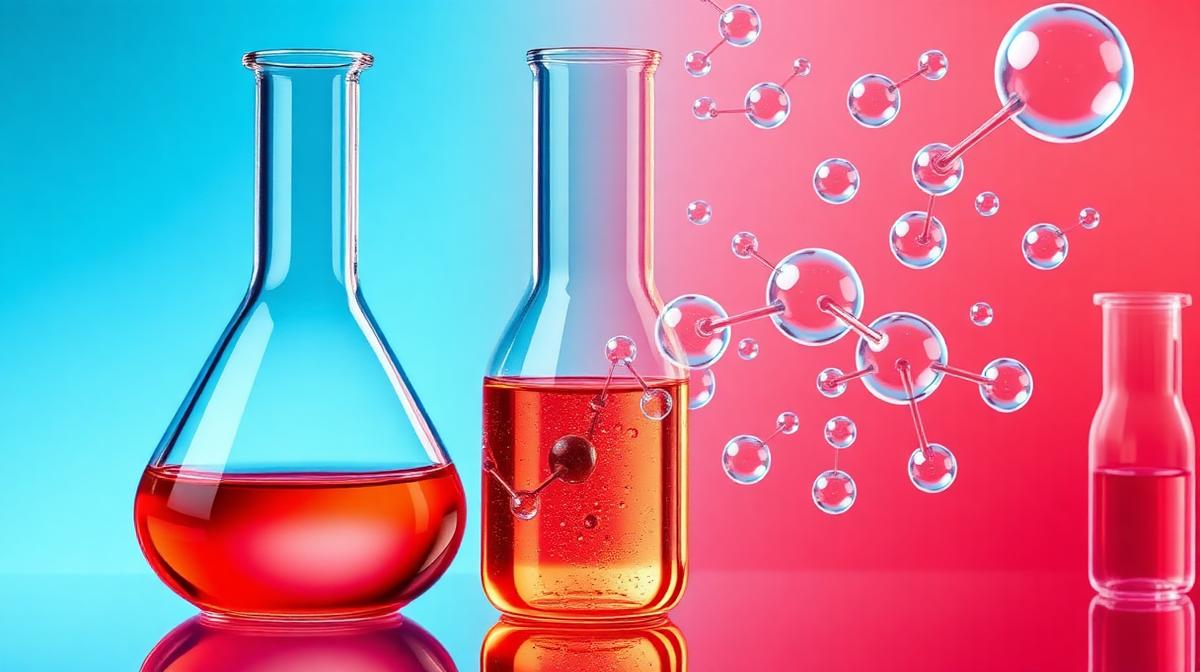
Nitric acid is a strong liquid used in industry, while nitric oxide is a gas that plays an important role in the human body.
Short answer: Nitric acid (HNO₃) is a corrosive industrial liquid for fertilizers and explosives, while nitric oxide (NO) is a vital signaling molecule with a lifespan of 1–5 seconds that controls blood vessels and immunity. Do not confuse them — one burns, the other heals.
Nitric Acid vs. Nitric Oxide: From Industrial Might to Biological Signal
Often confused, nitric acid (HNO₃) and nitric oxide (NO) are two entirely different substances. One is a corrosive liquid with industrial applications, and the other is a gaseous signal crucial for the human body. Understanding these differences helps us avoid fatal mistakes and appreciate their roles in various aspects of life and industry.
What is the comparative matrix between nitric acid and nitric oxide?
The comparative matrix between nitric acid (HNO₃) and nitric oxide (NO) is an overview that distinguishes one from the other by aggregate state, biological status, chemical nature, production focus, molecule lifespan, risks, and key role.

| Characteristic | Nitric Acid (HNO₃) | Nitric Oxide (NO) |
|---|---|---|
| Aggregate State | Highly corrosive liquid | Colorless gas |
| Biological Status | Highly toxic (burns) | Vital biosignaler |
| Chemical Nature | Strong mineral acid | Free radical / gas |
| Production Focus | Fertilizers, polymers, explosives | Vasodilation, immunity |
| Molecule Lifespan | Stable (in a sealed container) | short (1–5 seconds) |
| Risks | Corrosive burns, toxic fumes | Low risk at physiological levels |
| Key Role | Industrial raw material | Regulator of circulation, nervous system |
What is nitric acid?
Nitric acid (HNO₃) is a colorless, highly corrosive mineral acid that is a key component in the production of ammonium nitrate and is used in industry for nitration and metal treatment.
What is nitric oxide (NO) as a bioregulator?
Nitric oxide is a gaseous molecule that is an unstable free radical with a short lifespan of a few seconds and acts as a biosignaler in the body, playing a major role in the proper functioning of various systems in the organism.
- Circulatory System: Nitric oxide dilates blood vessels (vasodilation), which improves blood flow and regulates blood pressure. This is important for normal cardiovascular function.
- Nervous System: NO acts as a neurotransmitter, participating in memory, learning, and communication processes between brain cells.
- Immune System: Produced by immune cells, nitric oxide helps fight bacteria and viruses by modulating inflammatory processes.
- Muscle Function: It is involved in regulating muscle tone and metabolism, which is important for athletic performance and recovery.
What are the practical implications for health and fitness?
The role of nitric oxide in health and fitness is significant, as understanding it leads to numerous applications in these fields.
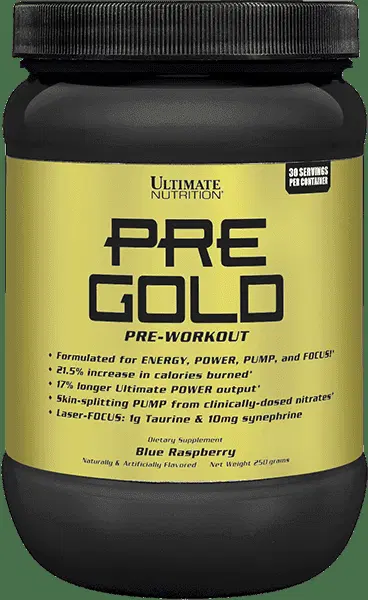
- Sports Supplements: Many pre-workout products contain ingredients like L-arginine and L-citrulline, which stimulate NO production. The goal is to improve blood supply to the muscles, meaning more oxygen and nutrients during training. This can lead to an increased "pump" effect, better endurance, and faster recovery.
- Cardiovascular Health: Maintaining healthy NO levels naturally is important for regulating blood pressure. Foods rich in nitrates (like beets and leafy greens) can support NO production.
- Erectile Dysfunction: NO boosters are often used to treat erectile dysfunction, as NO dilates the blood vessels in the penis.
Why is nitric acid different from nitric oxide?

Nitric acid is a strong mineral acid primarily used in industry for the production of fertilizers and explosives, while nitric oxide is a gaseous molecule that plays a key role as a signaling messenger in biological systems, including regulating blood vessels and nerve function.
Taking supplements containing L-Citrulline or L-Arginine can increase nitric oxide production, leading to a better "pump" and the possibility of more repetitions.
- SportZona Academy Expert Team
Want to improve your endurance and recovery?
Explore our nitric oxide boosting products – backed by science and the results of over 50,000 satisfied customers.
Explore Nitric Oxide ProductsHow do we maintain nitric oxide (NO) levels?
Adequate nitric oxide levels are key to overall health, and supporting its production is mainly achieved through diet and supplements.
Foods Rich in Nitrates
Some foods are naturally rich in nitrates, which the body converts into nitric oxide:
- Beets: Highly recommended for boosting NO levels. Many athletes use them to improve performance.
- Spinach: Rich in nitrates that support cardiovascular health.
- Arugula: One of the richest sources of nitrates.
- Kale: Also provides significant amounts of nitrates.
Supplements
For a more targeted increase in NO, supplements are often used:
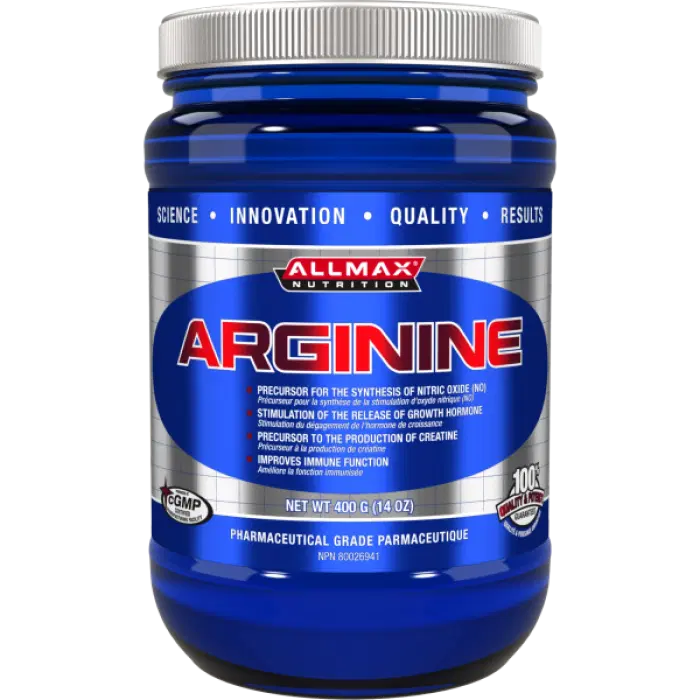
- L-Arginine: An amino acid, a direct precursor to NO.
- L-Citrulline: A suitable option, as the body converts it to L-arginine, which provides more stable nitric oxide levels for a longer period.
- Beetroot Extract: A concentrated form of nitrates from beetroot.
What is the difference between nitric acid and nitric oxide?
Nitric acid is an important inorganic acid widely used in industry as a raw material for fertilizers and explosives, while nitric oxide is a gaseous molecule that plays a key role as a biological signaler in the body.
Our Top 3 Nitric Oxide Recommendations:
| Product | Key Ingredients | Price | Why We Recommend It | Action |
|---|---|---|---|---|
| L-Arginine Powder - BioTech USA | L-Arginine | 14.99 € | Pure arginine for direct NO boost. Fast acting. | View Product |
| L-Citrulline Malate - Pure Nutrition | L-Citrulline Malate | 21.99 € | Greater bioavailability, maintains NO levels longer. | View Product |
| Nitrox Therapy - BioTech USA | Arginine, Citrulline, Beta-Alanine, Caffeine | 27.99 € | Complex pre-workout formula for maximum "pump" and energy. | View Product |
What is the difference between nitric acid and nitric oxide?
L-citrulline is a precursor to nitric oxide production, which plays a key role in cardiovascular health. Nitric acid and nitric oxide are different chemical compounds, information for which is available on PubChem.
Recommended products
Frequently asked questions
Is it safe to take supplements containing nitric oxide (NO) for sports purposes?
Supplements like arginine and citrulline do not contain nitric oxide directly, but they aid in its natural production within the body. They can improve circulation and muscle pump during workouts.
Is there a connection between nitric acid (HNO₃) and sports performance?
No, nitric acid is a highly corrosive industrial chemical and has no direct connection to athletic performance or human health. It is dangerous upon contact and inhalation.
What foods can help naturally increase nitric oxide in the body?
Foods rich in nitrates such as beetroot, arugula, and spinach can help the body produce more nitric oxide. This supports blood vessel health and their elasticity.
What are the main risks of mishandling nitric acid?
Nitric acid is highly corrosive and can cause severe chemical burns upon skin contact. Inhaling its fumes can damage the respiratory tract.