BCAA vs. Nitrogen Booster: Recovery vs. Pump

BCAAs aid muscle recovery, while nitric oxide boosters improve circulation and energy. The choice depends on your goals: recovery or greater strength.
Short answer: BCAAs signal muscle repair through leucine, but nitric oxide boosters (citrulline, arginine) increase oxygen and nutrient delivery by up to 30%. Practical tip: Use a nitric oxide booster pre-workout for pumps and BCAAs during it for anti-catabolic protection.
BCAAs (branched-chain amino acids) and nitric oxide boosters are popular supplements for athletes, but they work differently. BCAAs repair muscles, while nitric oxide boosters improve blood circulation and deliver energy.
See also the expert knowledge base on supplements — over 270 expert-verified articles by Petar Mitkov and the Sport Zona team.
What is the comparative matrix for BCAAs and nitric oxide boosters?
The comparative matrix for BCAAs and nitric oxide boosters presents the key characteristics of these supplements, examining their main goals, mechanisms of action, optimal intake times, main benefits, and key ingredients.

| Characteristic | BCAAs (Leucine, Isoleucine, Valine) | Nitric Oxide Booster (NO) |
|---|---|---|
| Main Goal | Recovery and muscle protection | More energy, "pump", endurance |
| Mechanism | Supports muscle protein synthesis | Dilates blood vessels |
| Timing | During or after workout | 30–60 minutes before workout |
| Main Benefit | Reduces muscle soreness | Improves oxygen and nutrient flow |
| Key Ingredients | Leucine, Isoleucine, Valine | L-Arginine, L-Citrulline |
How do the supplements work?
1. BCAAs (Branched-Chain Amino Acids)
BCAAs are three essential amino acids – leucine, isoleucine, and valine – that are metabolized directly in the muscles, rather than passing through the liver.
Simply put: We look at how these supplements work at the cellular level.
Scientific Sources
- Blomstrand, E., et al. (2006) - "Branched-chain amino acids activate key enzymes in protein synthesis after physical exercise." (DOI: 10.1080/02640410600877026)
- Gornall, J., et al. (2018) - "L-Citrulline Supplementation Improves Athletic Performance in Humans: A Review." (DOI: 10.1007/s00289-018-02685-6)
- MacLean, D.A., et al. (1994) - "Branched-chain amino acids and muscle protein synthesis." (DOI: 10.1007/BF02302899)
- Sureda, A., et al. (2014) - "L-Arginine and L-Citrulline in the Treatment of Cardiovascular Diseases." (PMID: 24716768)
Practical Experience
Many people take supplements without knowing exactly what they do. They often confuse nitric oxide boosters with primary recovery agents, neglecting BCAAs. Correct combinations and dosages are important for maximum results and to avoid disappointment.
- Muscle Protection: Very useful during fasted training or low-calorie diets, as they protect muscle tissue from breakdown.
- Recovery: Leucine activates the mTOR pathway, which is important for building new muscle fibers.
- Reduced Fatigue: They help block tryptophan in the brain, which delays the feeling of fatigue during long workouts.
2. Nitric Oxide Booster (NO)
Nitric oxide is a gas that the body produces from amino acids like L-Arginine and L-Citrulline.
- "Pump" Effect: The dilation of blood vessels increases blood flow to the working muscles, leading to a stronger pump.
- Endurance: Better blood flow means faster delivery of oxygen and more efficient removal of waste products like ammonia and lactic acid.
- Energy: Most nitric oxide boosters are part of pre-workout formulas, which often also contain caffeine for better focus.
Which supplement should we choose?
BCAAs are branched-chain amino acids that support muscle recovery, while a nitric oxide booster is a supplement that enhances pump and performance during training.
Choose BCAAs if:
- You want Faster recovery.
- You train for endurance (running, cycling).
- You are in a Cutting phase or train fasted.
- You are looking for a way to reduce muscle soreness after intense workouts.
🔵 Choose a Nitric Oxide Booster if:
- You are looking for More energy and a better "pump" in the gym.
- You want maximum Strength and intensity when lifting weights.
- Your goal is improved Endurance and oxygen flow.
- You want a visually better Vascularity and muscle definition.
Can they be taken together?
💜 Yes – they work together!
Combining them (Nitric Oxide Booster before and BCAAs during/after workout) is established. Many pre-workout products already contain both components.
Recommended Stack
For maximum effect on recovery and pump, combine 5-10g of BCAAs (with a 2:1:1 ratio of leucine:isoleucine:valine) during your workout with 6-8g of L-Citrulline Malate taken 30 minutes prior.
Should I take BCAAs and nitric oxide boosters together?
- Pre-workout (30–60 min): 6–8g Citrulline Malate or Arginine (nitric oxide booster).
- During workout: 5–10g BCAAs, dissolved in water, especially if training fasted.
- Post-workout: 5g BCAAs or a complete protein shake with naturally high BCAA content.
Expert Conclusion
BCAAs and nitric oxide boosters do not interfere with each other; they complement each other. BCAAs repair muscles, while nitric oxide boosters ensure these elements reach the muscles faster through improved blood flow. If your budget is limited, it's advisable to focus on BCAAs for recovery and diet, while nitric oxide boosters are more suitable for volume and strength.
🤖 Expert Tip: If you already take whey protein, it naturally contains about 25% BCAAs. In that case, additional BCAAs might not be necessary, except for fasted training. Focus your budget on a quality nitric oxide booster with clinical doses of citrulline (6+ grams).
🧭 When to choose which?
- Choose BCAAs if your priority is accelerated muscle recovery and less muscle soreness after training.
- Choose a Nitric Oxide Booster if your goal is to improve blood circulation during training, achieve a strong muscle pump, and increase energy.
- Combine both if you want complete recovery, noticeable pump, and endurance during training.
📖 What are BCAAs and Nitric Oxide Boosters?
BCAAs (branched-chain amino acids) are leucine, isoleucine, and valine, which are important for muscle recovery and growth. Nitric oxide boosters increase nitric oxide levels in the body, improving blood flow and nutrient delivery.
⚖ Pros and Cons
| Pros | Cons |
|---|---|
|
|
🗣 Simply Explained
BCAAs are important for muscle recovery. Nitric oxide boosters, on the other hand, help with blood flow, creating a "pump" sensation. Here you will learn how the two supplements complement each other.
Choose the right product for your goal:
→ BCAAs for recovery and reducing muscle fatigue
→ Pre-workout products with nitric oxide boosters
→ Amino acids for overall support and recovery
Combined protocol for maximum effectiveness:
Combining products increases effectiveness. Based on Sport Zona practice.
⚖ When to choose BCAAs
- Choose BCAAs if you train fasted or are in a calorie deficit to protect your muscles.
- Choose BCAAs if your goal is faster recovery and reduced muscle soreness after training.
- BCAAs are suitable for endurance training (running, cycling) to delay fatigue.
- Use BCAAs if you already take whey protein but train fasted.
⚖ When to choose a Nitric Oxide Booster
- Choose a nitric oxide booster if you want more energy and a stronger "pump" in the gym.
- Nitric oxide boosters are suitable for athletes aiming for maximum strength and intensity when lifting weights.
- Choose a nitric oxide booster if you seek improved endurance and efficient oxygen flow to the muscles.
- Nitric oxide boosters are for you if you desire visually better vascularity and muscle definition.
Expert Note from Sport Zona
My long-term experience shows that most athletes seek the "pump" for an immediate effect. However, I usually recommend BCAAs as a more important foundation for long-term recovery and progress. Nitric oxide boosters are a great addition, but they should be a supplement, not the primary focus when choosing supplements.
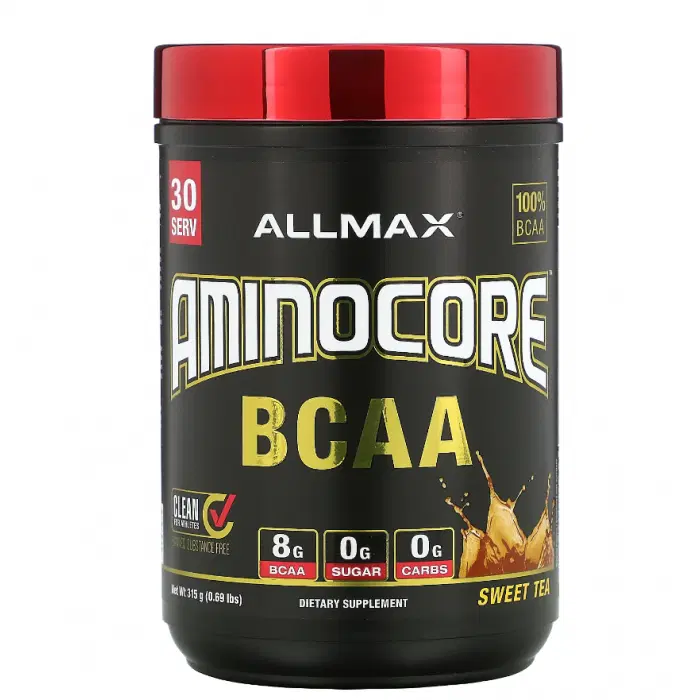
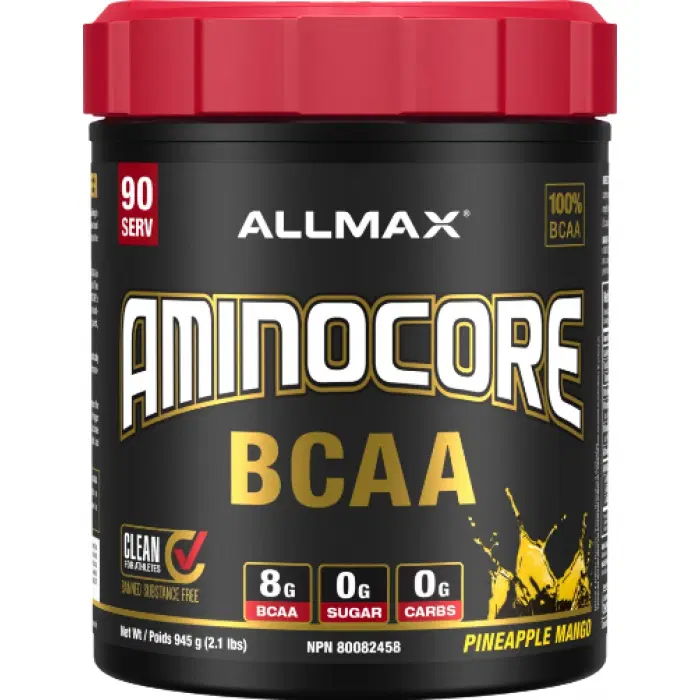
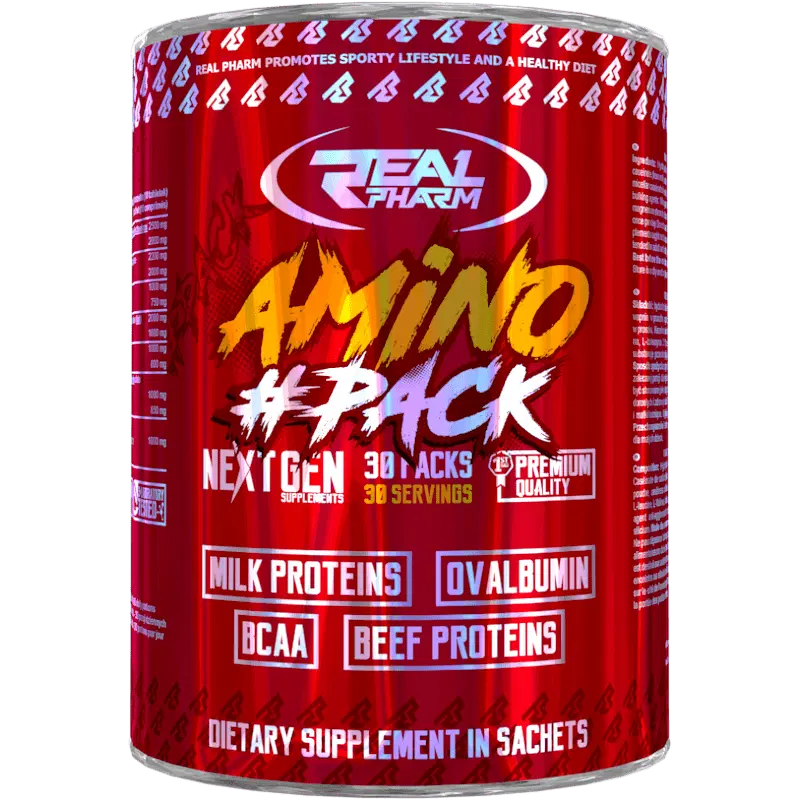
Recommended products
Frequently asked questions
What is the main difference between BCAAs and nitric oxide boosters for athletes?
BCAAs (Branched-Chain Amino Acids) are directly used by muscles for energy and recovery, while nitric oxide boosters improve blood circulation to the muscles, which helps with nutrient delivery and effective pumping.
When is it most appropriate to take BCAAs?
BCAAs are most effective before, during, or after training to reduce muscle fatigue and support muscle recovery. They can also help prevent muscle catabolism.
Are nitric oxide boosters suitable for all types of training?
Nitric oxide boosters are most beneficial during intense strength training, where maximum pump and rapid recovery between sets are sought. Their effect may be less noticeable during prolonged aerobic training.
Can BCAAs and nitric oxide boosters be combined?
Yes, they can be combined for a comprehensive effect – BCAAs will directly support the muscles, while the nitric oxide booster will improve blood flow to them.