BCAA vs. Beta-Alanine: Muscle Repair vs. Acid Buffer
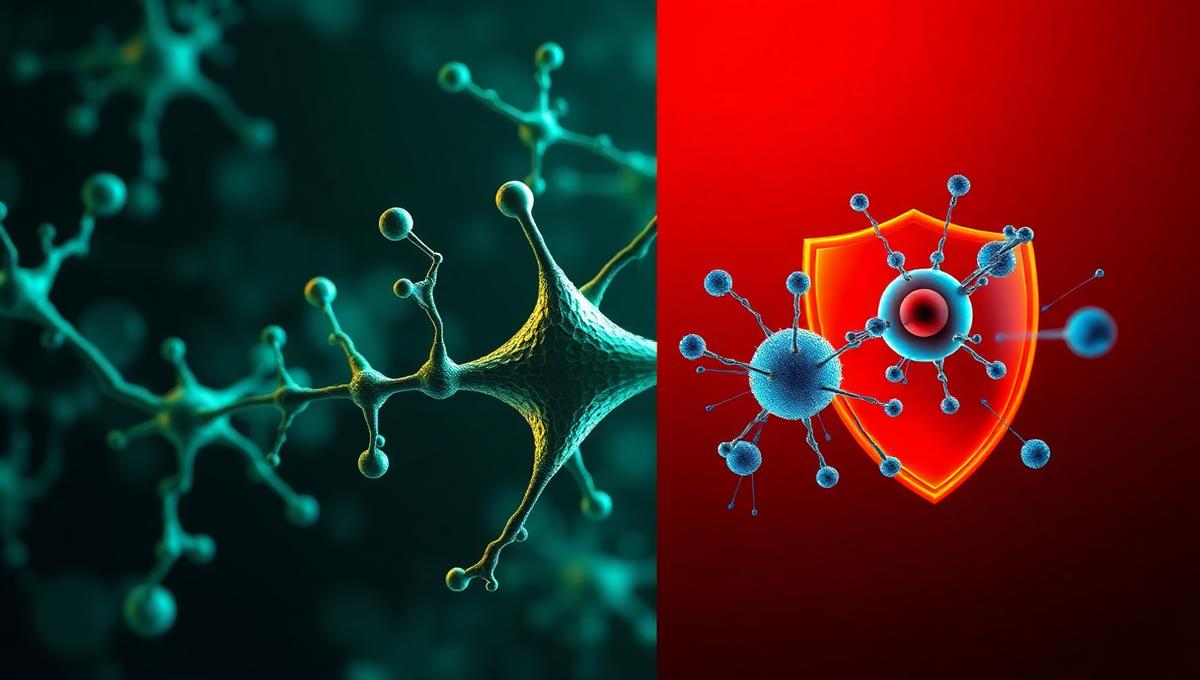
BCAAs support muscle growth and recovery. Beta-alanine enhances endurance by delaying fatigue.
Short answer: BCAAs (leucine, isoleucine, valine) are the "bricks" for muscle repair and anabolism, acting immediately, while beta-alanine is the "ventilation system" that buffers acidity through carnosine for high-intensity efforts (1-4 min). Practical advice: Combine 3.2g of beta-alanine daily for saturation and 5-10g of BCAAs during training for maximum volume and recovery.
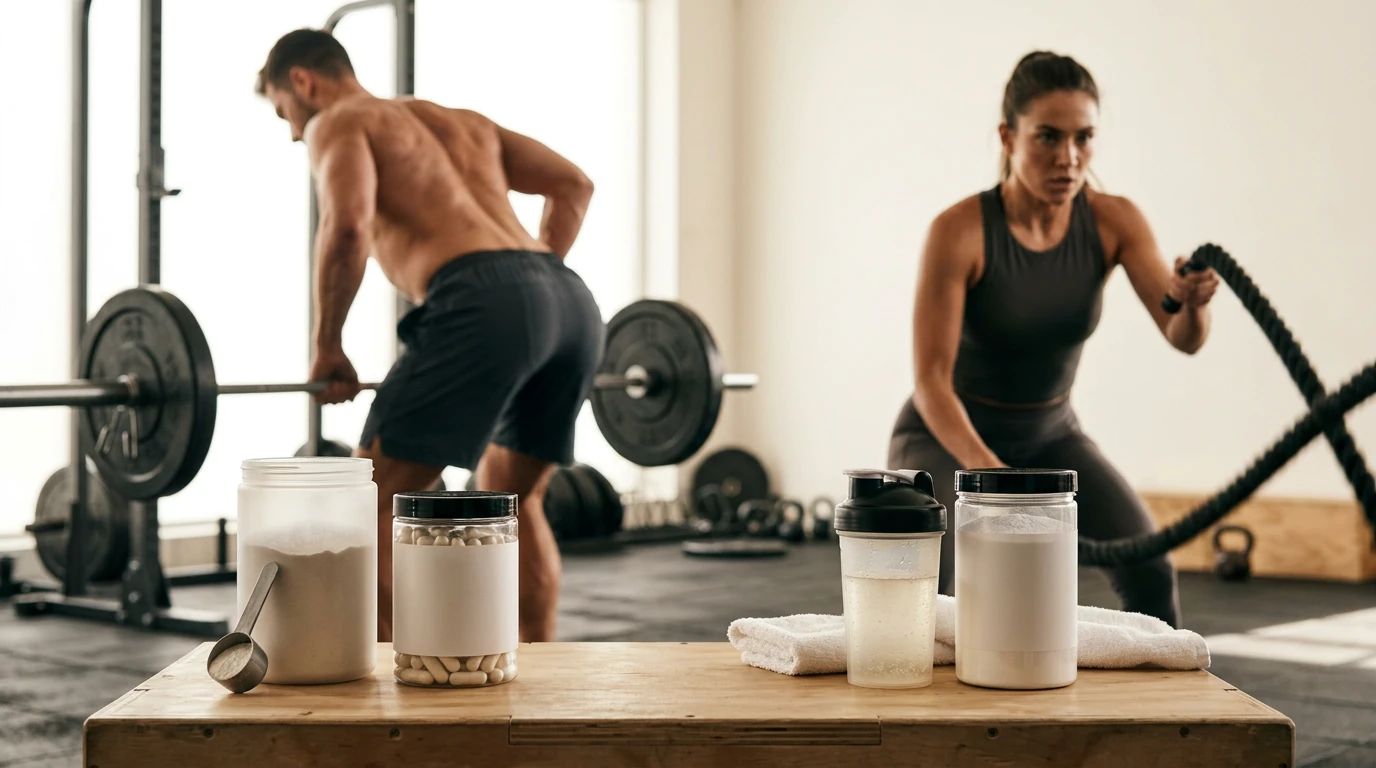
Choosing between BCAAs and Beta-alanine often comes down to whether you're looking for muscle protection or better endurance. BCAAs help muscles recover, while Beta-alanine improves the muscle environment so they can work longer.
For a more complete overview, check out our guide to sports supplements — over 270 articles written by Petar Mitkov and the Sport Zona team.
Which is better: BCAA or Beta-alanine?
BCAAs (branched-chain amino acids, usually in a 2:1:1 ratio) are a supplement that supports muscle growth and protects them from breakdown, while Beta-alanine (often used in CarnoSyn form) increases endurance and balances pH in the muscles.
| Characteristic | BCAA (2:1:1) | Beta-alanine (CarnoSyn) |
|---|---|---|
| What they do | Help muscles grow and protect them from breakdown | Increase endurance and balance pH in muscles |
| How they are absorbed | Directly into the muscles | Convert to carnosine in muscles |
| When they work | Quickly, immediately | Requires accumulation, works over time |
| For what workouts | Strength training, when fasted | High-intensity (HIIT), CrossFit |
| Main ingredient | Leucine (main activator) | Histidine (helps with carnosine) |
| How they affect fatigue | Reduce brain fatigue | Reduce muscle burning |
How does BCAA work?
1. BCAA: Amino acids for protection
BCAAs are the three amino acids – leucine, isoleucine, and valine – that do not pass through the liver but are processed directly in the muscles.
Simply put: It's important to know how supplements work to use their potential correctly.
Scientific sources
- Shimomura, Y., et al. (2006). "Branched-chain amino acid supplementation before exercise reduces indicators of muscle damage in humans." International Journal of Sports Nutrition and Exercise Metabolism, 16(3), 229-231. (PubMed ID: 16738953)
- Artioli, G.G., et al. (2010). "Role of beta-alanine supplementation on muscle carnosine content and exercise performance." Medicine & Science in Sports & Exercise, 42(6), 1162-1173. (DOI: 10.1249/MSS.0b013e3181c74e38)
- Blomstrand, E., et al. (2006). "Amino acids and central fatigue." Amino Acids, 31(Suppl 1), S19-S27. (PubMed ID: 17136200)
- Trexler, E.T., et al. (2015). "International Society of Sports Nutrition position stand: Beta-Alanine." Journal of the International Society of Sports Nutrition, 12(1), 30. (DOI: 10.1186/s12970-015-0090-y)
Many people choose only one of these supplements. For active athletes, combining BCAAs for muscle protection with Beta-alanine for better endurance often yields the best results. Always tailor your approach to your needs and training style.
Leucine activates mTOR: Leucine is like a key that turns on muscle protein synthesis. This process is important for muscle growth.
Energy during fasting: If there isn't enough glycogen, the body can use BCAAs for energy. This protects muscle proteins from breakdown. BCAAs are a backup energy source for the muscle cell.
2. Beta-alanine: Reduces acidity
Beta-alanine is the leading factor in creating carnosine – a substance that neutralizes acidity in muscle cells.
Neutralizes hydrogen ions (H⁺): During intense exercise, H⁺ ions increase, and the muscle's pH drops. When the environment becomes too acidic, enzymes stop working, and the muscle fails. Carnosine absorbs these ions.
Delays fatigue: Beta-alanine is most effective for efforts lasting 1 to 4 minutes. This makes it important for athletes whose training or sports require sustained high intensity.
The combined effect: Why do they work better together?
If you combine BCAAs and beta-alanine, you create a high-performance cycle:
More work (Beta-alanine): You can do 12 reps instead of 8, or sprint for another 30 seconds. This provides a stronger stimulus for growth.
Less damage (BCAAs): The increased workload from beta-alanine leads to more micro-tears. BCAAs immediately begin recovery, shortening rest time.
Better focus: Beta-alanine reduces muscle burning, while BCAAs reduce brain fatigue by competing with tryptophan.
Which is better: BCAA or Beta-alanine?
BCAAs are a group of three essential amino acids (leucine, isoleucine, and valine) taken to support muscle growth, recovery, and reduce post-workout muscle soreness.
- You train fasted (morning cardio or strength training).
- You
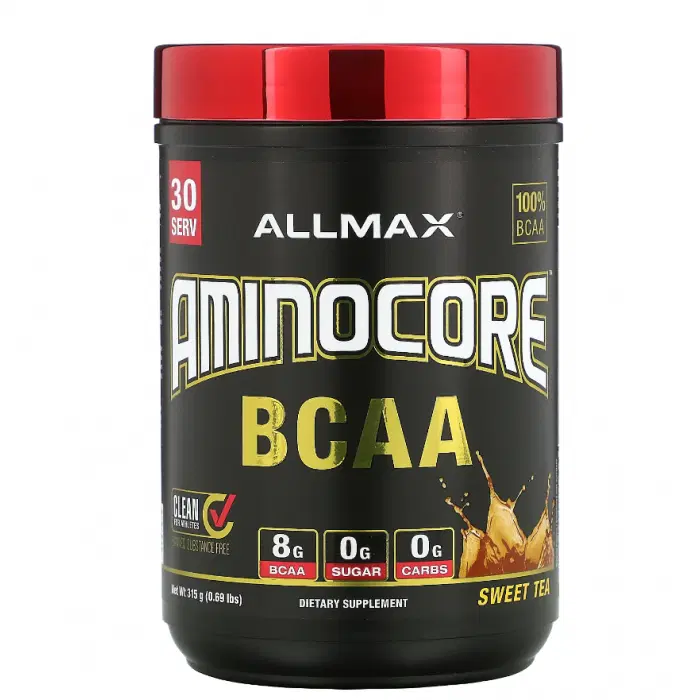
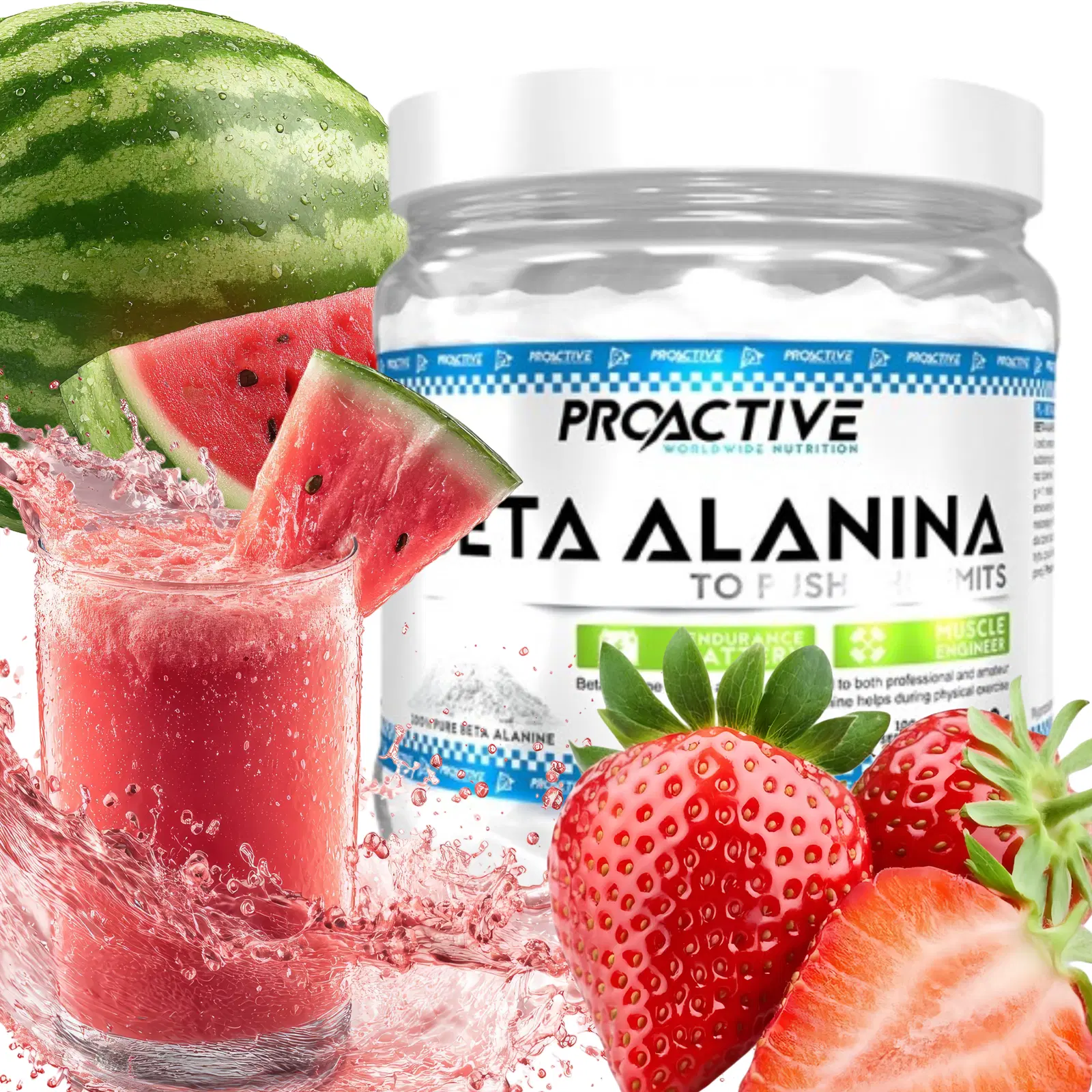
Recommended products
Frequently asked questions
Can I take BCAAs and Beta-alanine simultaneously?
Yes, the most effective strategy combines both components. Beta-alanine supports muscle endurance, while BCAAs provide rapid repair and protection against catabolism.
Which is more suitable for beginners - BCAAs or Beta-alanine?
For beginners engaging in lower-intensity training and seeking basic muscle support, BCAAs might be a more direct choice. Beta-alanine is more specific to high-intensity efforts and requires time for saturation.
When is the best time to take BCAAs and Beta-alanine?
Beta-alanine should be taken daily (even on rest days) to maintain carnosine levels. BCAAs are most effective during exercise to provide amino acids or in the morning during a diet to prevent overnight catabolism.
Does Beta-alanine have side effects?
Beta-alanine can cause a temporary tingling or 'burning' sensation (paresthesia) on the skin. This is a harmless effect that can be reduced by splitting the dose or taking larger amounts with food.