BCAA vs. Glutamine: Muscle Signaling vs. Systemic Protection
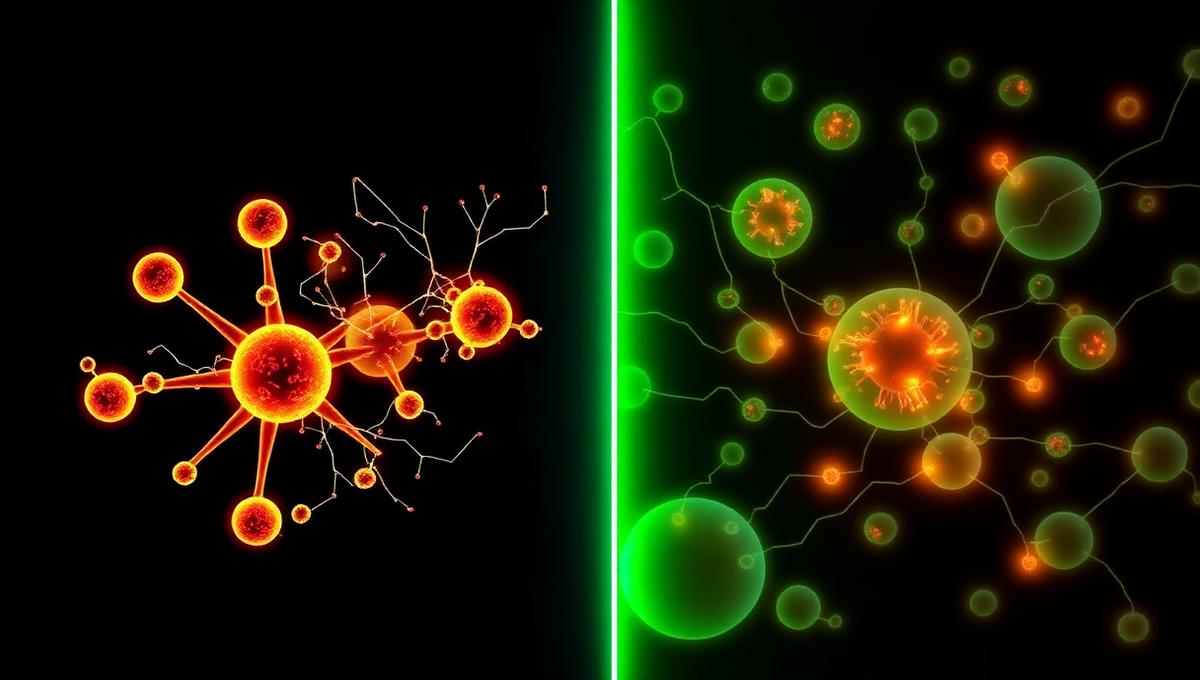
BCAAs stimulate muscle growth, while glutamine supports the immune system and recovery. These amino acids have different roles, although both are important for the body.
Short answer: BCAAs (5-10g) are a signal for muscle growth, acting directly in the muscles, while Glutamine (10-20g) is a systemic resource for immunity and gut health, preferentially used by organs. Combining them after training (5g BCAA + 5g Glutamine) provides a complete anabolic and recovery effect. Practical advice: Take 5-10g of BCAAs during training for energy and focus, and 5-10g of Glutamine after training or before bed for recovery and immune support.
BCAAs and Glutamine are amino acids, but their actions in the body differ. BCAAs go directly to the muscles without passing through the liver. Glutamine is distributed first to organs responsible for vital functions and protection.
Related reading: the detailed guide to nutritional supplements — over 270 expert-verified articles by Petar Mitkov and the Sport Zona team.
Which is more important: muscle signal or systemic resource?
BCAAs and L-glutamine are amino acids that differ in their biochemical status, primary mechanisms of action, metabolic pathways, and effects on the body, especially during dieting and fatigue.

Which is more important: BCAAs or Glutamine?
1. BCAAs: The "Anabolic Trigger"
BCAAs are a group of three essential amino acids (leucine, isoleucine, and valine) that are key for muscle protein synthesis and recovery, while glutamine is a conditionally essential amino acid important for immune function and gut health.
Simply put: We examine how BCAAs and glutamine work in the body to understand each of their functions.
Scientific sources
- Shimomura et al., 2006 - Pre-exercise supplementation with branched-chain amino acids reduces muscle damage and soreness (PMID: 16365094)
- Coqueiro et al., 2019 - The Glutamine-Immunity Link: The Role of Glutamine in the Function of Immune Cells (DOI: 10.3390/nu11061214)
- Blomstrand et al., 2006 - Branched-chain amino acids activate mTOR signaling in muscle cells (PMID: 17183060)
- Cruzat et al., 2018 - Glutamine: Metabolism, transport, and clinical uses in critical illness (DOI: 10.1152/physrev.00029.2017)
There is often confusion about the functions of BCAAs and Glutamine. Although they are amino acids, their mechanisms of action and optimal intake times differ. Therefore, correct dosing according to your goals is important.
mTOR signaling: Leucine is the most potent activator of the mTOR pathway, which signals cells to begin producing proteins.
Real-time energy: During exercise, the body can use BCAAs for energy, thus protecting muscle proteins from breakdown.
2. Glutamine: The "Repair Kit"
Glutamine is the most abundant amino acid, but it is rapidly depleted under stress.
Immune buffer: Immune cells (lymphocytes and macrophages) require glutamine for division and protection. Without it, the body becomes more susceptible to viruses after training.
Gut barrier health: Glutamine is the primary fuel for enterocytes (gut cells). It maintains the "tight junctions" that prevent toxins from entering the bloodstream.
The Combined Effect: Why 1 + 1 = 3?
The combination of BCAAs and Glutamine is well-established in bodybuilding and endurance sports for three reasons:
Enhanced protein synthesis: Glutamine improves cell hydration, which amplifies the anabolic signal from BCAAs.
Liver and kidney protection: Glutamine aids in the detoxification of ammonia, a waste product from increased amino acid intake (BCAAs).
Complete recovery: BCAAs support muscle fibers, while Glutamine takes care of the immune and nervous systems.
How to choose between BCAAs and Glutamine?
Choose BCAAs when:
- You train intensely and with strength, aiming for muscle mass.
- You do cardio on an empty stomach and want to avoid muscle loss.
- You experience fatigue and lack of focus during your workout.
Choose GLUTAMINE when:
- You participate in endurance sports (running, cycling) – glutamine levels drop the most in these sports.
- You have a sensitive stomach, bloating, or digestive issues.
- You get sick frequently or are under significant mental and physical stress.
- You want to reduce the duration of muscle soreness after training.
BCAAs and glutamine are nutritional supplements taken for muscle signaling and systemic protection, respectively, to support recovery and growth after physical exertion.
For maximum muscle growth and recovery, combine 5-7 grams of BCAAs before training with 10-15 grams of L-Glutamine after training and before sleep.
❓ What is the intake protocol (2026)?
BCAAs are taken during training at a dose of 5–10g, sipped slowly in small amounts, to maintain energy and reduce central fatigue in the brain.
After training or before bed: 5–10g of Glutamine. This is when the body enters "repair" mode and the immune system needs support.
Combined stack: 5g BCAA + 5g Glutamine immediately after training is effective for stopping catabolism.
Expert conclusion
If you consume high-quality whey protein, you are already getting about 5g of BCAAs and 4g of Glutamine per serving. Additional intake becomes important for workouts over 90 minutes or during strict calorie deficit when dietary intake is insufficient.
🧭 When to choose which?
- Choose BCAAs if your goal is to stimulate muscle protein synthesis and reduce muscle fatigue during training.
- Choose Glutamine if your goal is to support immune function, restore the gut, and strengthen the body during intense training.
- Combine both if you are looking for comprehensive recovery, improved results, and body protection during a heavy training regimen.
📖 What are BCAAs and Glutamine?
BCAAs (branched-chain amino acids) are leucine, isoleucine, and valine, important for muscle growth and recovery. Glutamine is the most abundant amino acid in the body, supporting recovery, immune function, and gut health.
⚖ Pros and Cons
| Pros | Cons |
|---|---|
|
|
🗣 Explained Simply
BCAAs signal muscles to start building and repairing faster after training. Glutamine acts as a general protector of the body, supporting the immune system and preventing overtraining. If you aim to accelerate muscle growth, BCAAs are a good choice. If you aim for overall health and faster recovery, glutamine is more suitable.
Choose the right product for your goal:
→ BCAAs for muscle signaling and recovery
→ Glutamine for immune support and recovery
→ Combined amino acids for comprehensive support
Combined protocol for maximum effectiveness:
Combining products increases effectiveness.
⚖ When to choose BCAAs
- You train intensely and with strength, aiming for muscle mass.
- You do cardio on an empty stomach and want to avoid muscle loss.
- You experience fatigue and lack of focus mid-workout.
- Your goal is to stimulate muscle protein synthesis during training.
⚖ When to choose Glutamine
- You participate in endurance sports (running, cycling) with high expenditure.
- You have a sensitive stomach, bloating, or digestive issues.
- You get sick frequently or are under significant physical and mental stress.
- You want to reduce the duration of muscle soreness after training.
Expert note from Sport Zona
In working with athletes over the years, I've noticed that the focus on BCAAs is often exaggerated when the diet is regular and protein-rich. At the same time, during heavy exertion and stress, glutamine often helps restore the immune system and gut, which indirectly aids overall condition and results.
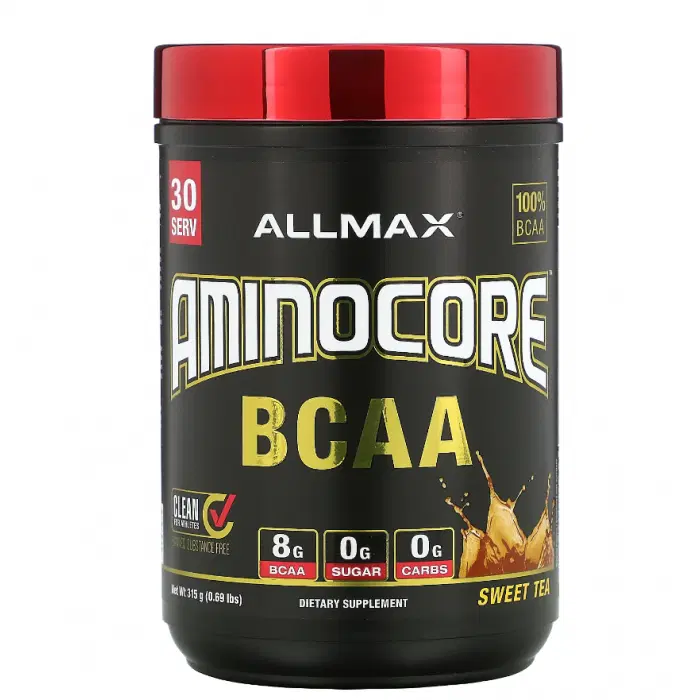
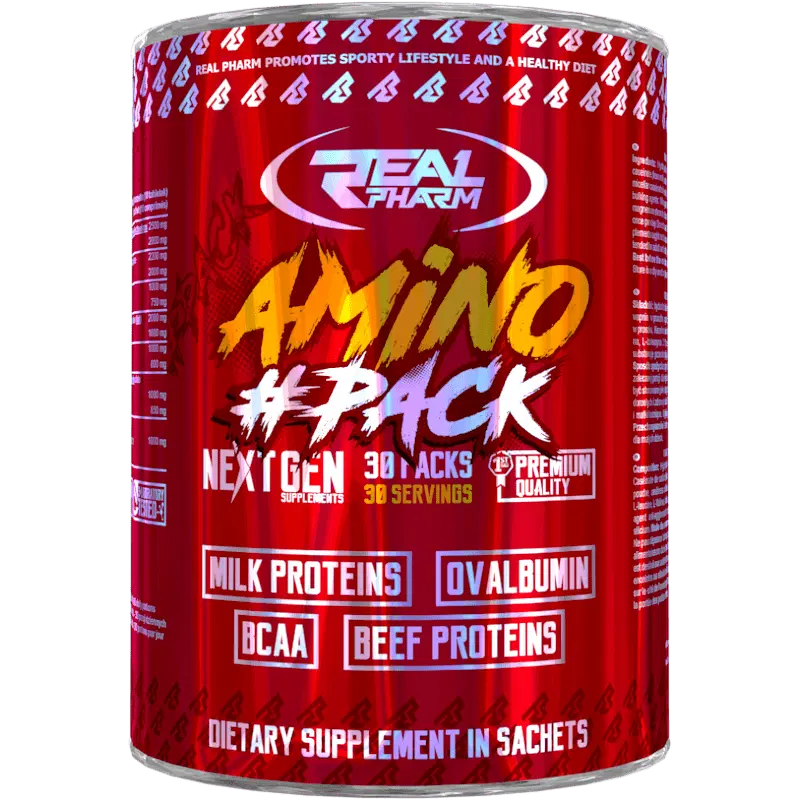
Recommended products
Frequently asked questions
Can BCAA and Glutamine be combined?
Yes, combining them can lead to a synergistic effect, with BCAAs stimulating protein synthesis and Glutamine supporting recovery and immune function.
Which is better for beginners: BCAA or Glutamine?
For beginners aiming to increase muscle mass and strength training, BCAAs may be more suitable due to their anabolic effect. However, if they suffer from digestive problems or get sick often, Glutamine can offer additional support.
When is the most appropriate time to take BCAA and Glutamine?
BCAAs can be taken during training for energy and to reduce fatigue. Glutamine is more effective after training or before bed to support recovery and the immune system.
Are there any side effects from taking BCAA and Glutamine?
When recommended doses are followed, there are usually no side effects. With excessive use, especially of BCAAs, ammonia detoxification may occur, which Glutamine helps neutralize.