Berberine vs. Chromium: The Plant Metabolic Regulator vs. The Mineral Sugar Balancer
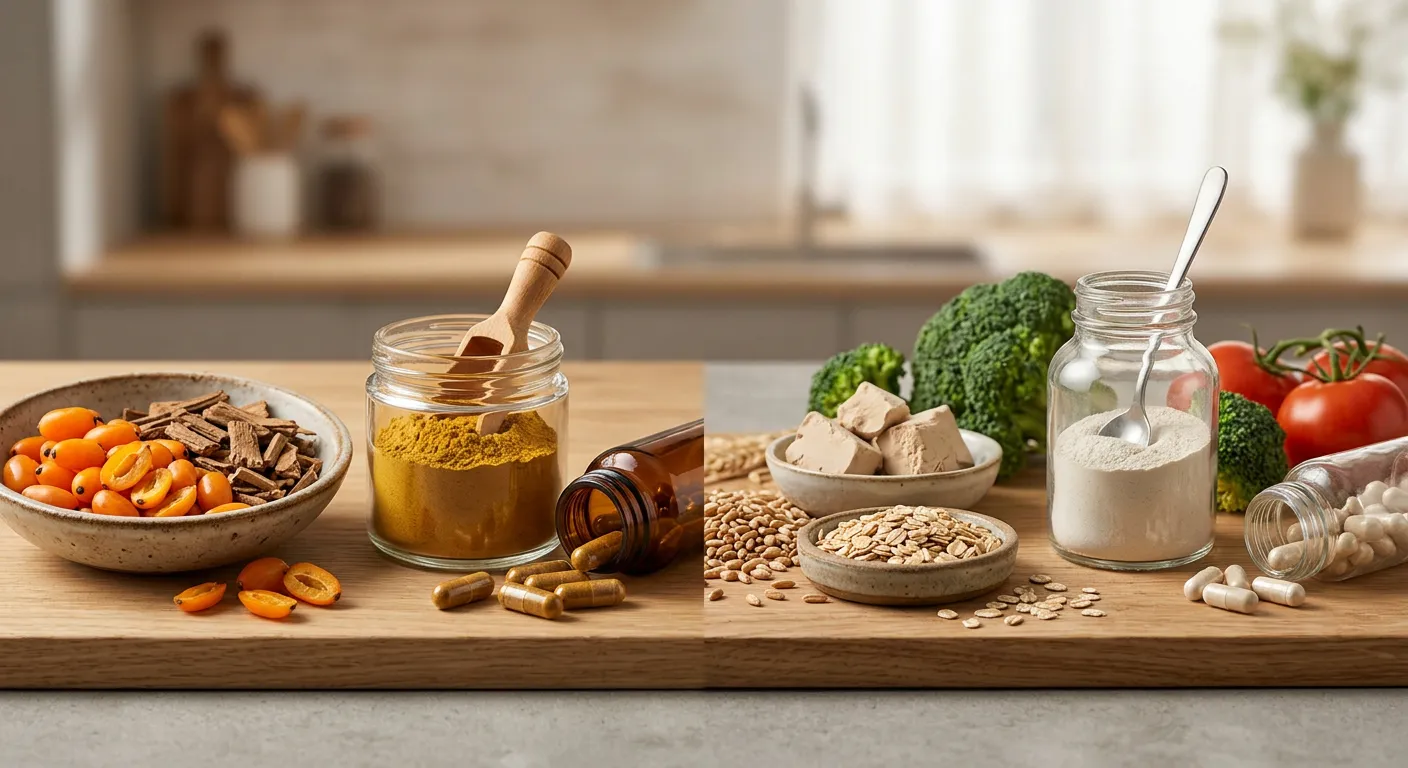
Berberine and chromium support stable blood sugar. Berberine stimulates glucose uptake, while chromium supports insulin receptors.
Short Answer: Berberine is a potent AMPK activator for significantly lowering blood sugar, similar to some medications. Chromium is an essential mineral that subtly enhances insulin action via chromodulin. Practical Tip: For general carbohydrate metabolism support, use 200-400 mcg of chromium picolinate daily. For insulin resistance, consider berberine at 1000-1500 mg daily, split into 2-3 doses before meals, but not for more than 8-12 weeks without a break.
Good blood sugar management is important for any athlete. Protein and creatine are often the focus, but how the body processes carbohydrates directly affects energy, recovery, muscle mass, and fat burning. Uncontrolled glucose level fluctuations can derail even the best-laid training plans.
For stable blood sugar and better insulin sensitivity, berberine and chromium are effective aids. Both supplements work in this direction, but their mechanisms differ. Chromium acts as a tuner, keeping insulin receptors in optimal condition. Berberine is more of an intervention, stimulating cells to absorb glucose even when the primary system isn't functioning correctly.
Understanding the differences between the two supplements is key to building a good supplementation plan. Are you looking for long-term support or a faster, stronger intervention? This analysis will help you make an informed decision tailored to your goals, physiology, and training regimen.
This article is part of the Expert Supplement Hub — over 270 expertly vetted articles by Petar Mitkov and the Sport Zona team.
What Makes Berberine and Chromium Different as Metabolic Regulators?
The comparative matrix presents a systematic analysis of berberine and chromium, where berberine is a plant alkaloid and non-essential, while chromium is an essential trace element. Berberine's primary focus is on potent activation of the AMPK pathway, while chromium focuses on improving insulin receptor function. Berberine's mechanism is a direct, enzymatic activator (drug-like), while chromium is a supportive cofactor (via chromodulin).
| Criterion | Berberine | Chromium |
|---|---|---|
| Biological Status | Plant Alkaloid (Non-essential) | Essential Trace Element |
| Primary Focus | Potent Activation of the AMPK Pathway | Improving Insulin Receptor Function |
| Mechanism | Direct, Enzymatic Activator (Drug-like) | Supportive Cofactor (via Chromodulin) |
| Time Horizon | Rapid, Noticeable Effect (Days to Weeks) | Cumulative, Slow Effect (Weeks to Months) |
| Appetite Impact | Stronger, via AMPK and gut flora influence | Moderate, mainly on sweet cravings |
| Specific Bonus | Improves gut microbiome; antimicrobial properties | Excellent tolerability; no side effects at recommended doses |
| Typical Dose | 500–1500 mg daily (split doses) | 200–1000 mcg daily (chromium picolinate) |
How Do Berberine and Chromium Work at the Metabolic Level?
To understand when to use each supplement, we need to delve into their biochemistry.1. Berberine: The Cellular Energy Regulator
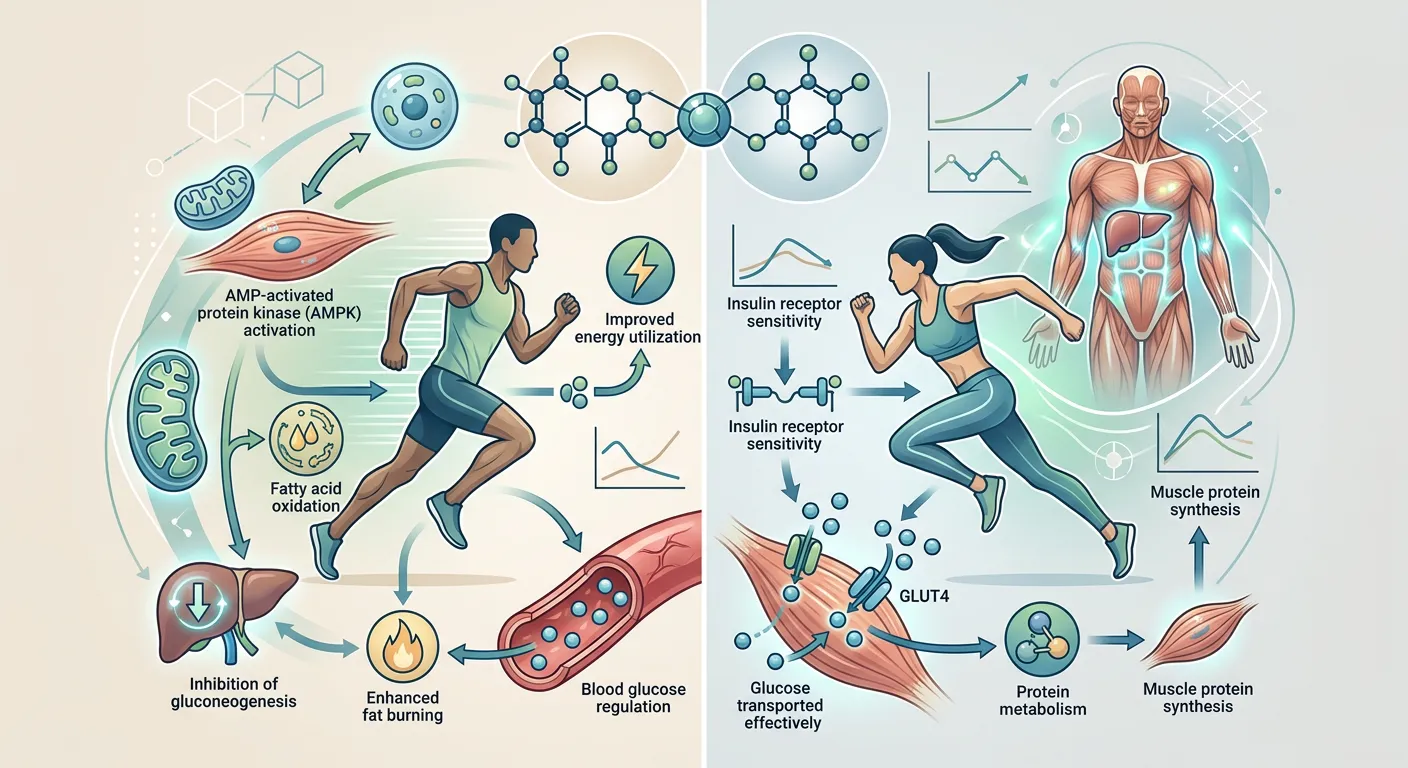
Berberine is a bioactive compound extracted from various plants, including the *Berberis* genus (barberry). Its primary action is related to activating an enzyme called Adenosine Monophosphate-Activated Protein Kinase (AMPK). AMPK is often called the cell's "master metabolic switch." It gets activated when cellular energy (like ATP, adenosine triphosphate) is low. Once activated, AMPK triggers a cascade of processes aimed at restoring energy balance:- Enhances Glucose Transport: Increases the number of GLUT4 transporters on the surface of muscle cells, which take up glucose from the blood, even without a strong insulin signal.
- Inhibits Gluconeogenesis: Reduces glucose production in the liver.
- Stimulates Fatty Acid Oxidation: Encourages the body to use fats as an energy source.
Berberine is a plant-based metabolic regulator that acts like an emergency protocol, opening the cell's doors to glucose during low energy levels and stimulating fat burning, partially bypassing the need for normally functioning insulin.
2. Chromium: The Insulin Signal Optimizer
Chromium is an essential trace element. This means our body cannot produce it and must obtain it from food. Its role is more supportive and optimizing. Chromium's primary mechanism is related to a protein called Chromodulin. When insulin binds to its receptor on the cell surface, chromodulin (containing chromium) attaches to the intracellular part of this receptor. This binding amplifies and prolongs the signal sent by insulin. The result is:- Increased Insulin Sensitivity: The cell becomes more receptive to the insulin signal. This means less insulin is needed to achieve the same glucose uptake effect.
- More Efficient Glucose Transport: As a consequence of the stronger signal, more GLUT4 transporters move to the cell membrane.
Simply put: Chromium improves the cell's sensitivity to insulin. It helps the cell "hear" the insulin signal more clearly, allowing it to absorb glucose more effectively.
Scientific Sources
- Yin J, et al. Berberine and botanicals containing berberine in the treatment of type 2 diabetes. Metabolism, 2008
- Chromium Fact Sheet for Health Professionals. National Institutes of Health: Office of Dietary Supplements, 2021
- Chromium. The Linus Pauling Institute at Oregon State University, 2019
- Lan J, et al. Meta-analysis of the effect and safety of berberine in the treatment of type 2 diabetes mellitus. J Ethnopharmacol, 2015
- Berberine - Health benefits, dosage, side effects. Examine.com, 2023
- EFSA Panel on Dietetic Products, Nutrition and Allergies (NDA). Scientific Opinion on the substantiation of health claims related to chromium. EFSA Journal, 2010
The Synergistic Effect: Why Do They Work Better Together?
Berberine and chromium do not compete; they complement each other. Their combination creates a two-pronged attack against inefficient glucose management:
- Chromium optimizes the primary glucose uptake pathway – the one dependent on insulin.
- Berberine creates a potent alternative pathway that is less insulin-dependent, while also suppressing excess glucose production by the liver.
For a mass-gaining athlete consuming large amounts of carbohydrates, this combination means nutrients will be directed more effectively to the muscles for glycogen storage, rather than to fat depots. For an athlete in a cutting phase, the combination helps maintain stable energy levels and appetite control despite a caloric deficit.
What is the Selection Algorithm?
The choice between berberine and chromium (or their combination) is determined by specific individual goals and current health status.
Choose Berberine if:
- You have signs of insulin resistance (high body fat percentage, easy fatigue after carbohydrate meals).
- You are bulking and want to optimize nutrient partitioning.
- You are looking for a fast and strong effect for blood sugar control.
- You have a strong appetite and constant hunger.
🔵 Choose Chromium if:
- You are looking for long-term support and prevention.
- Your main issue is strong and frequent cravings for sweets.
- You are just starting to optimize your nutrition.
- You have a sensitive stomach (berberine can sometimes cause discomfort).
Recommended Stack for Maximum Synergistic Effect:
For athletes who want a good effect, combined intake works well. The protocol might look like this:
- Chromium Picolinate: 200-400 mcg in the morning with the first meal, for consistent support.
- Berberine: 500 mg, 15-20 minutes before the two largest carbohydrate meals of the day (e.g., before lunch and before the post-workout meal).
What is the 2026 Protocol: "Foundation and Performance Stack"?
"The 2026 Protocol: Foundation and Performance Stack" is an approach that includes two levels – foundational support and a performance stack, designed to achieve optimal results and long-term health.
| Timing | Supplement | Dosage | Goal |
|---|---|---|---|
| Daily (Foundation) | Chromium Picolinate | 200-400 mcg | Long-term optimization of insulin sensitivity. |
| Before Major Carb Meals (Performance Stack) | Berberine | 500 mg | Control of glucose spikes and nutrient direction to muscles. |
Expert Note
Berberine is a potent supplement but can interact with certain medications (e.g., antibiotics and immunosuppressants). Consultation with a doctor is mandatory if you are taking such medications. Start with a lower dose (500 mg daily) for a week to assess tolerance before increasing to 1000-1500 mg.
🧭 When to Choose Which?
- Choose only Chromium if you are looking for basic, preventive measures against sweet cravings and to maintain good insulin function, without having serious issues.
- Choose only Berberine if you need a strong and rapid intervention to improve body composition, control appetite, and manage large amounts of carbohydrates.
- Combine the two for maximum effect, especially if you are an advanced athlete looking to optimize every aspect of your metabolism for peak performance.
📖 What are Berberine and Chromium?
Berberine: A plant alkaloid that acts as a potent activator of the metabolic enzyme AMPK. It helps cells absorb glucose and burn fat, independent of the insulin signal.
Chromium: An essential mineral that is a key component of the chromodulin molecule. It "tunes" insulin receptors, making them more sensitive and efficient, which improves natural blood sugar control.
⚖ Pros and Cons
| Pros | Cons | |
|---|---|---|
| Berberine | Potent and fast effect; Suppresses appetite; Improves gut microbiome; Directs nutrients to muscles. | Can cause stomach discomfort; Interacts with medications; Higher cost. |
| Chromium | Excellent tolerability; Suitable for prevention; Reduces sweet cravings; Affordable price. | Slower and milder effect; Not strong enough for severe insulin resistance. |
🗣 Simply Explained
If your metabolism were a car:
- Chromium is like quality engine oil. It doesn't make the car go faster, but ensures the engine (insulin system) runs smoothly and efficiently in the long run.
- Berberine is a nitro system. It provides a powerful, immediate boost of power, forcing the engine to process fuel (glucose) instantly and more efficiently.
Choose the Right Product for Your Goal:
- For Fat Burning: The combination is effective for maintaining energy and controlling appetite. See weight loss supplements.
- For Metabolic Optimization: This is the core strength of these two supplements. Explore other amino acids for synergistic effects.
- For General Health and Prevention: Chromium is a great foundation. Supplement it with our vitamins and minerals.
⚖ When to Choose Berberine
- You want a strong and fast effect.
- You consume a lot of carbohydrates.
- You aim to improve body composition.
- You need serious appetite control.
⚖ When to Choose Chromium
- You are looking for prevention and long-term support.
- Your main issue is craving sweets.
- You have a sensitive stomach.
- You prefer a milder, supportive approach.
Expert Note from Sport Zona
I observe that many athletes focus on macronutrients but often underestimate how the body processes them. Personally, I recommend chromium picolinate as a foundational supplement for almost every trainee – it's affordable, safe, and effectively improves metabolism. Berberine is more of a specialized tool. I use it strategically with clients who have a higher body fat percentage or during heavy carbohydrate cycles, often for periods of 8-12 weeks followed by a break. The combination is powerful, but it shouldn't replace the fundamental principles – quality nutrition and regular training.
Recommended products


Frequently asked questions
Can Berberine and Chromium be taken together?
Yes, they can be combined as they work through different mechanisms. Chromium provides basic support, while berberine acts more specifically. However, this combination should be used with increased caution and after consulting a specialist to avoid the risk of hypoglycemia (too low blood sugar).
Which is better for beginners - Berberine or Chromium?
For beginners or people without serious blood sugar problems, chromium is a more suitable and safer choice. It acts more gently and maintains healthy levels. Berberine is stronger and is suitable for a more pronounced need for glucose control.
When is the best time to take Berberine and Chromium?
Both supplements are best taken about 15-30 minutes before a carbohydrate-rich meal. This allows the active ingredients to prepare the body for the upcoming glucose load. Berberine is usually divided into several doses throughout the day before main meals.
Are there side effects from taking Berberine or Chromium?
Chromium is considered very safe at recommended doses (up to 1000 mcg/day). Berberine, especially at higher doses, can cause gastrointestinal discomfort such as cramps, diarrhea, or constipation in some people. These effects usually decrease over time or when the dose is divided.
What is the recommended dosage of Berberine and Chromium?
The standard dose for chromium (usually in the form of chromium picolinate) is 200-400 micrograms (mcg) per day. For berberine, the effective dose is significantly higher – usually 1000 to 1500 milligrams (mg) per day, divided into 2-3 doses.