Beta-Alanine vs. Taurine: The Battle for the Transport Channel
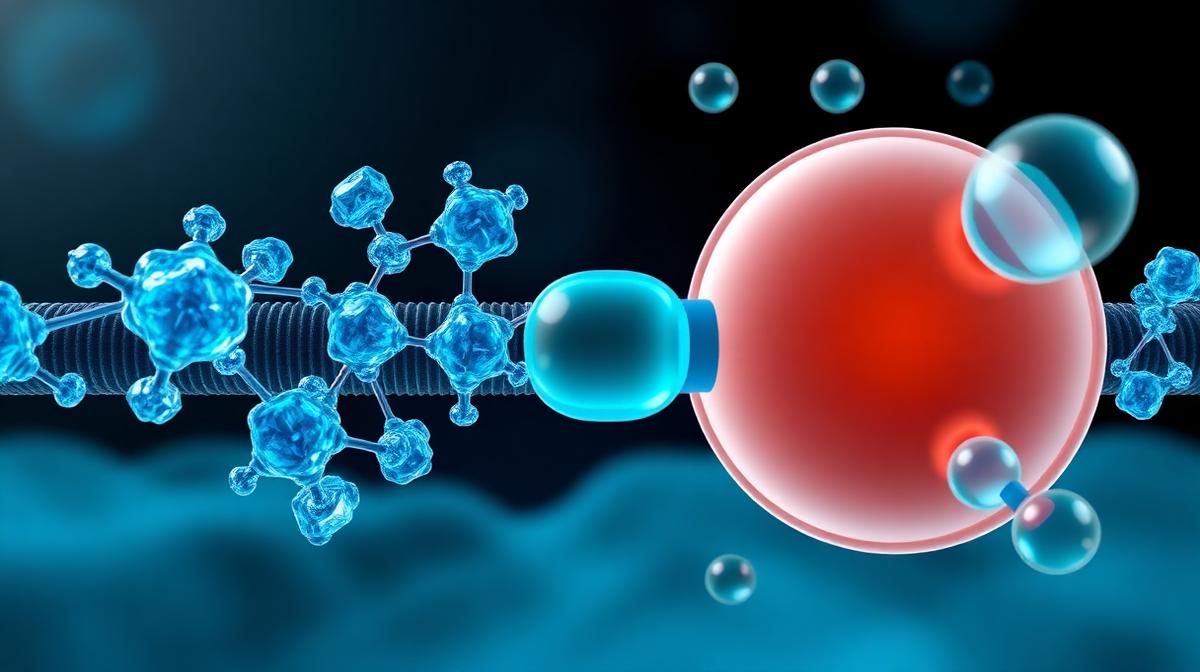
Beta-alanine improves muscle endurance, while taurine protects against cramps. We understand their functions and differences.
Short answer: Beta-alanine and taurine compete for the same transport channel (TauT). High doses of beta-alanine deplete muscle taurine, which can lead to cramps. The solution is to separate them in time: beta-alanine before training, taurine after, in a 2:1 ratio.
We are comparing two supplements: Beta-alanine helps muscles work harder, even with acidity buildup, while Taurine acts as a stabilizer, protecting the system from overload and cramps.
This article is part of the Expert Hub for Nutritional Supplements — over 270 expertly verified articles by Petar Mitkov and the Sport Zona team.
What is the functional synergy and conflict?
The comparative matrix presents the main characteristics of Beta-alanine (CarnoSyn) and Taurine (L-Taurine), describing their biological roles, sites of action, mechanisms, and effects on the CNS. The transport pathway for both amino acids is via the Taurine transporter (TauT).
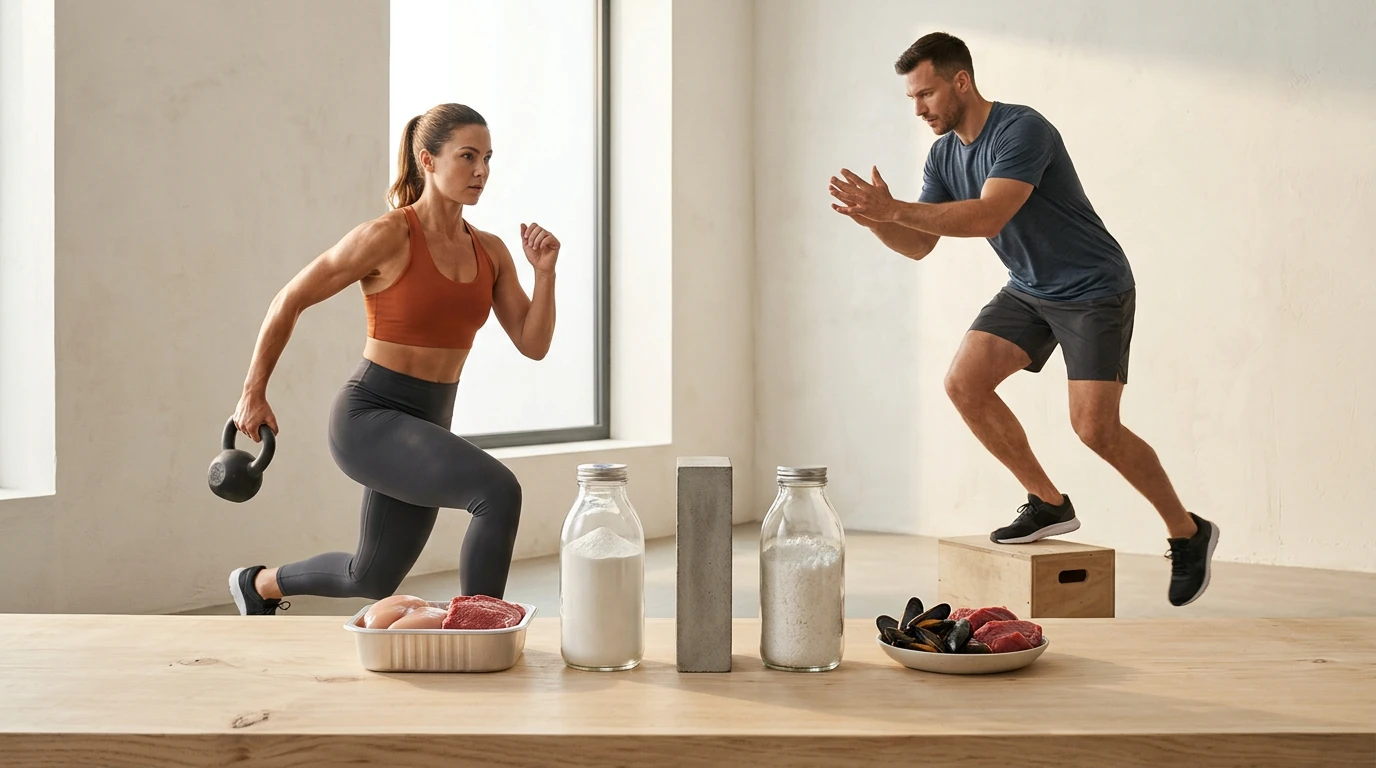
What are the mechanisms of action of the ingredients?
1. Beta-alanine: The Aggressive Buffer
Beta-alanine is a precursor to carnosine, which in turn acts as an intracellular buffer, neutralizing the acidity that builds up in muscles during intense physical exercise.
Simply put: This section explains how beta-alanine and taurine work in the body.
Scientific Sources
- Harris, R. C. et al. (2006). The absorption of orally administered beta-alanine and its effect on muscle carnosine synthesis in human vastus lateralis. Amino Acids, 30(3), 279-284. (DOI: 10.1007/s00726-006-0299-8)
- Ripps, H., & Shen, W. (2012). Review: Taurine: A "very essential" amino acid. Molecular Vision, 18, 2673–2686. (PubMed: 23155352)
- Artioli, G. G. et al. (2010). Role of beta-alanine supplementation on muscle carnosine content and exercise performance. Medicine & Science in Sports & Exercise, 42(6), 1162-1173. (DOI: 10.1249/MSS.0b013e3181c0349b)
- De Carvalho, F. G. A. et al. (2018). Taurine: A possible protective mechanism against excitotoxicity in the retina. Neurotoxicity Research, 33(3), 519-530. (DOI: 10.1007/s12640-017-9844-3)
Combining Beta-alanine and Taurine is common. A frequent mistake is taking them at the same time, which suppresses their effects. The best results are achieved when Taurine is taken in the evening and Beta-alanine before training.
- The Compromise: Beta-alanine and taurine use the same transport channel (TauT).
- The Result: More beta-alanine means less taurine entering the muscles.
2. Taurine: The Cell Stabilizer
Taurine is the most abundant free amino acid in the heart and skeletal muscle.
- Calcium Control: Taurine helps muscles contract and relax properly by regulating calcium flow.
- Prevents Cramps: With low taurine levels (e.g., from high doses of beta-alanine), muscle cells cannot retain water and electrolytes, leading to painful cramps and muscle burning.
Can Taurine Reduce "Tingling"?
Taurine is an amino acid taken to reduce the paresthesia (tingling) caused by beta-alanine intake.
- Neurological Connection: Beta-alanine activates sensory neurons, while taurine has a calming effect on the nervous system. Taking them together can make training more comfortable for people who are sensitive to skin itching.
What is Protocol 2026?
Protocol 2026 is a supplementation strategy aimed at optimizing taurine levels and improving endurance while preventing potential deficiency.
⏱ 1. Proper Distribution (Timing)
- Before training (45–60 min): Take Beta-alanine (3.2g) to allow time for it to enter the cells and prepare the buffering system.
- After training or Evening: Take Taurine (2–3g). Taurine levels decrease during exertion, so taking it post-workout restores electrolyte balance and calms the nervous system, improving sleep.
⚖ 2. 2:1 Ratio
If your pre-workout product already contains both, ensure that for every 2g of beta-alanine, there is at least 1g of taurine. This ratio helps maintain plasma balance.
3. When to Choose Only Taurine?
- If you suffer from chronic muscle cramps.
- If you train for long distances (marathons), where hydration is more important than pH buffering.
- If you want to improve insulin sensitivity and focus.
Recommended Stack
For maximum effect without conflict: Beta-alanine (3-5g) 30 min before training and Taurine (1-2g) before sleep.
What is the final verdict?
- Choose Beta-alanine if you want to last longer in the last 30 seconds of a set.
- Choose Taurine if your goal is for muscles to work smoothly, the heart to be protected, and to avoid cramps.
- Combine them, but do it wisely. Don't let beta-alanine displace taurine from your body.
The expert conclusion is a summary of key points and findings, presenting a comprehensive assessment of the comparison between beta-alanine and taurine.
For athletes on a vegan diet, this stack is very important. Vegans often have low levels of both amino acids (found mainly in meat), so targeted supplementation can significantly improve training capacity.
🧭 When to Choose What?
- Choose Beta-alanine if your goal is to last longer during high-intensity training and delay muscle fatigue.
- Choose Taurine if you are looking for support for overall health, post-workout recovery, and better cardiovascular function.
- Choose Beta-alanine if you train for strength and power, where short, explosive efforts are key.
- Combine both if you want to comprehensively improve your athletic performance, reduce oxidative stress, and accelerate recovery.
📖 What are Beta-alanine and Taurine?
Beta-alanine combines with histidine to increase carnosine levels in muscles, which helps neutralize acids and delay fatigue. Taurine is an amino acid involved in numerous metabolic processes, such as antioxidant protection and cellular hydration.
⚖ Pros and Cons
| Pros | Cons |
|---|---|
|
|
🗣 Explained Simply
Beta-alanine and taurine are like two brothers fighting for a spot in the car (transport channel) on the way to training. Beta-alanine is more assertive and often manages to get in first to help muscles work harder. Taurine is calmer but equally important for the body.
Choose the right product for your goal:
→ Pre-workout formulas with beta-alanine
→ Amino acids with taurine
→ Creatine + amino acids (with taurine)
Combined protocol for maximum effectiveness:
Combining products increases effectiveness.
⚖ When to Choose Beta-alanine
- If the goal is to improve your endurance during heavy loads, delaying muscle fatigue.
- If you train for strength and power, performing short, explosive efforts.
- If you want to last longer in the last 30 seconds of a set.
- If you are a vegan athlete training aggressively to compensate for low carnosine levels.
⚖ When to Choose Taurine
- If you suffer from chronic muscle cramps and are seeking relief.
- If you train for long distances, like marathons, where hydration is important.
- If you want your muscles to work smoothly and your heart to be protected.
- If you are a vegan athlete seeking support for recovery and cardiovascular function.
Expert Note from Sport Zona
I observe that most trainees feel a stronger and faster effect from taurine, especially regarding energy and focus. Beta-alanine requires longer intake and patience for noticeable results, but it is often preferred for strength training. The ratio between the two in a pre-workout product affects the overall feeling.
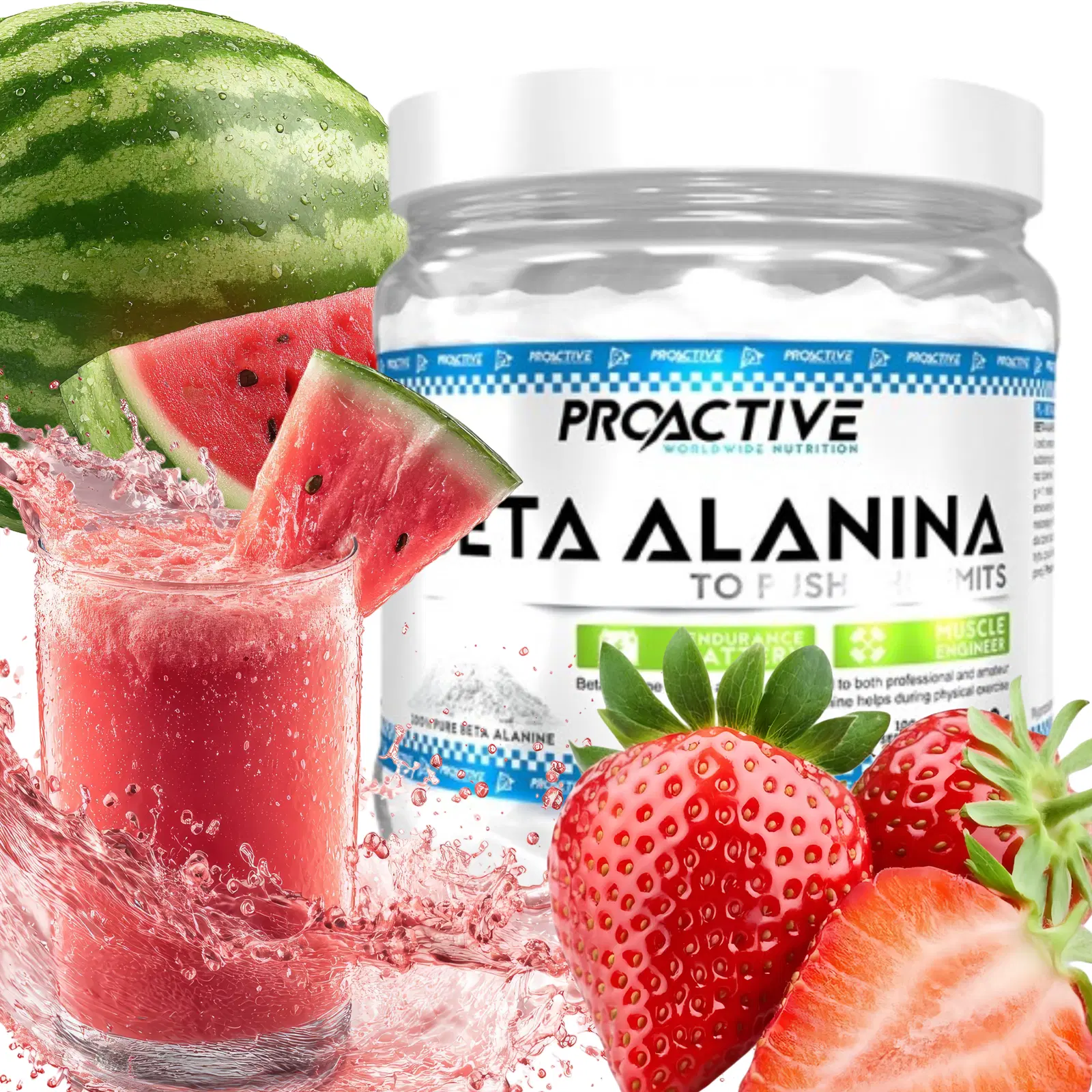
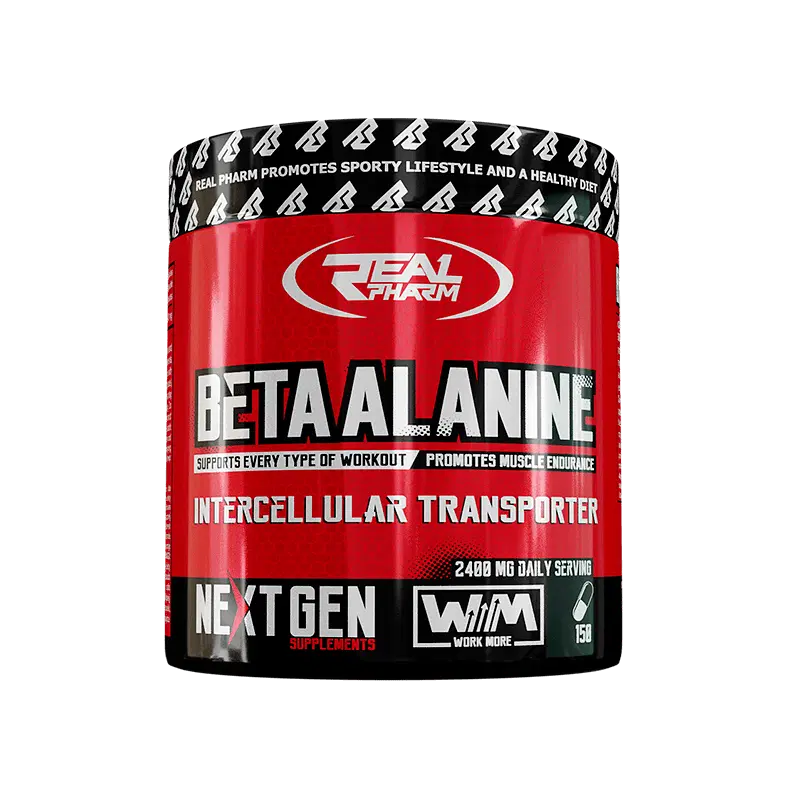
Recommended products
Frequently asked questions
Can Beta-Alanine and Taurine be taken together?
Yes, they can be combined, but it's important to maintain a balance. A 2:1 ratio (Beta-Alanine to Taurine) is recommended to avoid Taurine depletion.
Does Beta-Alanine have side effects?
The main side effect is paresthesia (tingling and itching of the skin). Taking Taurine with Beta-Alanine can help mitigate this effect.
When is it better to take Taurine instead of Beta-Alanine?
Taurine is preferable for chronic muscle cramps, marathons, or if you are looking for improved insulin sensitivity and focus, rather than a direct increase in muscle endurance.
What is the optimal time to take Beta-Alanine and Taurine?
Beta-Alanine is taken before training (45-60 min) to increase carnosine. Taurine is best taken after training or in the evening to restore balance and aid recovery.