Budget Guide: Which Supplements to Get First

Budget Guide: Which Supplements to Take First — A Complete Guide to Types, Benefits, Dosages, and Expert Recommendations. Everything in One Place from SportZone.
Budget Guide: Which Supplements to Take First?
What is Supplement Prioritization on a Limited Budget and Why is it Important for Athletes?
🔬 From SportZone's Experience
We often observe that our clients start with too many supplements at once, leading to confusion and dissatisfaction. Our experience shows that focusing on 1-2 proven products initially, like protein and creatine, leads to much better and easily trackable results before considering more specific supplements. One of the most common mistakes is skipping essential micronutrients like Vitamin D and Magnesium, which are fundamental for good recovery and overall health, regardless of athletic goals.
Supplement prioritization on a limited budget is a strategic approach that helps athletes and active individuals choose the most effective and cost-efficient dietary supplements to support their fitness goals. In a world filled with countless products promising quick results, it is essential to focus on those that offer the greatest value for money, especially when the budget is tight. This approach can help ensure you invest wisely, avoiding unnecessary expenses on supplements that are not a top priority for your specific needs.
For athletes, proper supplement prioritization is key to optimizing performance, accelerating recovery, and achieving long-term results without unduly burdening their finances. Supplements are not a substitute for a balanced diet and training regimen, but they can fill nutritional gaps and provide additional support when chosen wisely. Understanding the basic mechanisms of action of each supplement and its place in the overall plan is fundamental to achieving maximum benefits at minimal cost.
What types of supplement prioritization on a limited budget exist and how do we distinguish them?
📚 Scientific Sources
- Kreider, R. B., et al. (2017). International Society of Sports Nutrition position stand: safety and efficacy of creatine supplementation in exercise, sport, and medicine. - Report supporting the safety and efficacy of creatine.
- Phillips, S. M., & Van Loon, L. J. C. (2011). Dietary protein for athletes: from requirements to optimum adaptation. - Review on the role of protein for adaptation in athletes.
- Costello, R. B., et al. (2014). The effect of caffeine on performance in athletes: an evidence-based review. - Review of evidence on the impact of caffeine on sports performance.
- Golan, K., et al. (2018). Beta-alanine supplementation to improve exercise capacity and performance: a systematic review and meta-analysis. - Systematic review on the impact of beta-alanine.
Supplement prioritization can be divided into several main categories based on their function and proven effectiveness. Distinguishing them helps you focus on those that are most important for your individual goals.
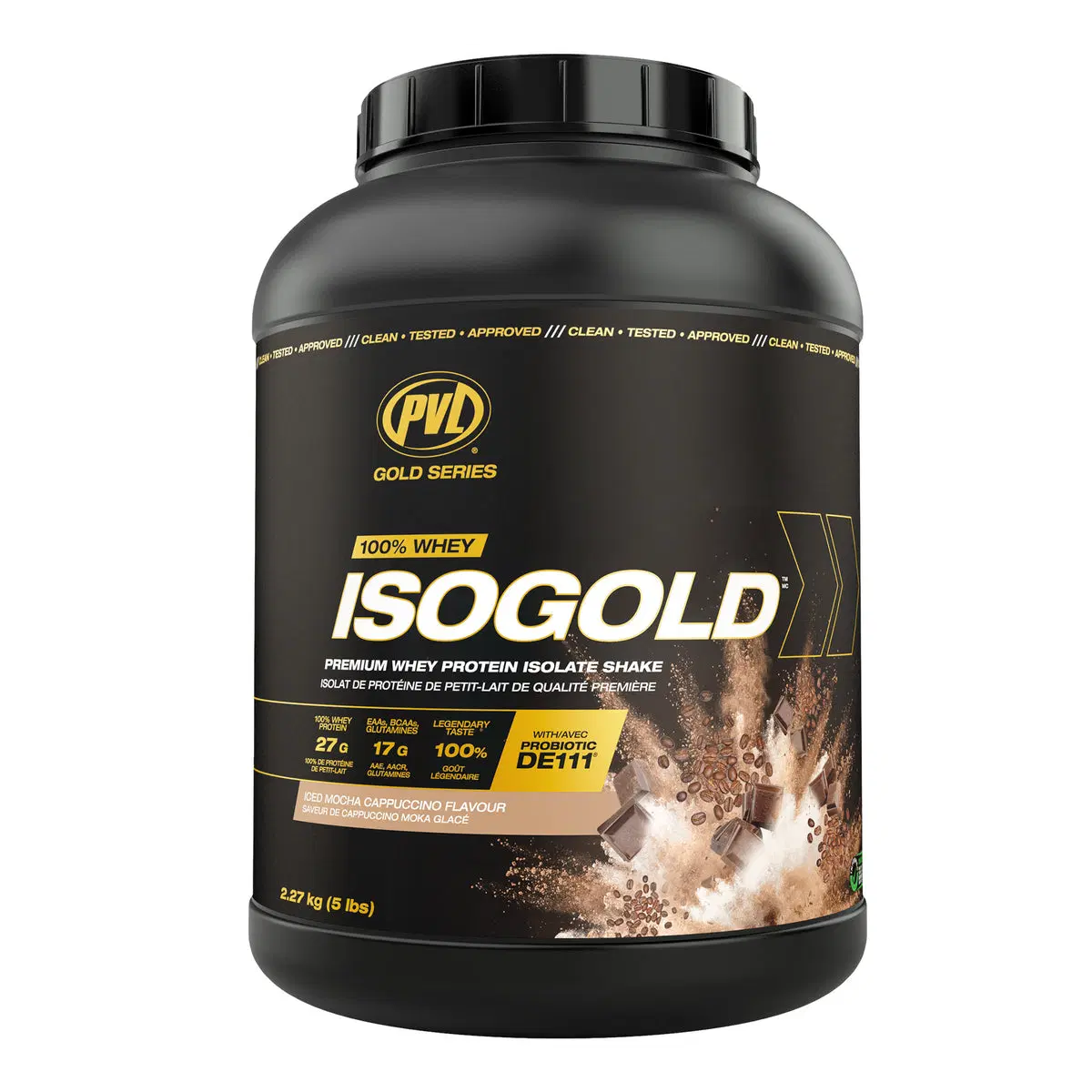
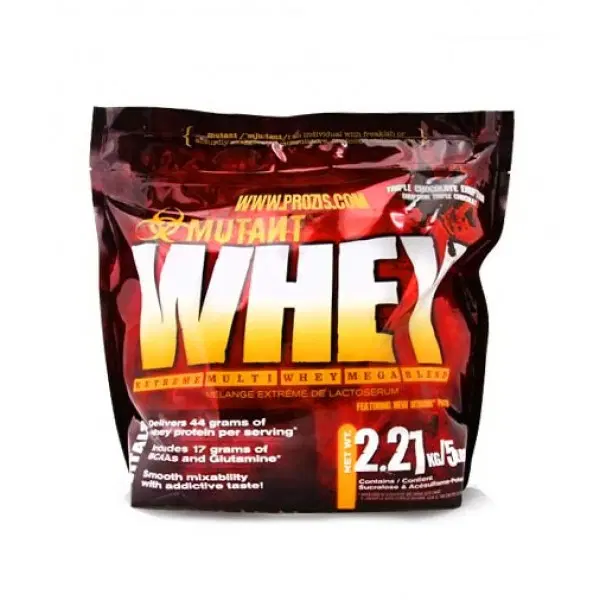
- Whey Protein — One of the most popular and effective sources of high-quality protein, crucial for muscle growth and recovery. It is rapidly absorbed and contains all essential amino acids.
- Creatine — A naturally occurring compound that improves strength, power, and muscle endurance by increasing ATP stores in the muscles. It is considered one of the best-researched and effective supplements.
- Beta-Alanine — An amino acid that helps buffer lactic acid in the muscles, delaying fatigue and allowing for more intense workouts, especially during anaerobic efforts.
- Caffeine — A powerful stimulant that can improve focus, energy, and athletic performance by reducing the perception of effort and increasing alertness.
- Vitamin D — A vital vitamin that plays a key role in bone health, immune function, and even muscle strength. It is often deficient, especially in regions with less sunshine.
- Magnesium — An essential mineral involved in over 300 biochemical reactions in the body, including muscle function, energy production, and the nervous system. It can improve sleep quality and reduce muscle cramps.
- Zinc — An important mineral for immune function, protein synthesis, and recovery. Its deficiency can negatively affect hormonal balance and athletic performance.
- Multivitamins — A complex of vitamins and minerals designed to fill potential nutritional gaps in the diet and support overall health and well-being.
- Omega-3 — Essential fatty acids known for their anti-inflammatory properties, support for cardiovascular and brain health, and post-workout recovery.
- Protein Bar — A convenient source of protein and energy, ideal for a quick snack or post-workout recovery when you don't have access to a full meal.
- Mass Gainer — A caloric supplement designed to aid in muscle mass gain for individuals who have difficulty consuming enough calories through food.
How to choose the right supplement prioritization on a limited budget for our goals?
The choice of supplements should be tailored to your specific fitness goals and diet. Here's how to prioritize:
- For muscle growth: Start with Whey Protein for adequate protein intake and Creatine to increase strength and training volume. These are the main pillars.
- For endurance: Beta-Alanine can help buffer lactic acid, and Caffeine can boost energy and focus during long workouts.
- For recovery: Again, Whey Protein is key. Adding Magnesium can improve muscle relaxation and sleep, and Omega-3 can reduce inflammation.
- For weight loss: Focus on adequate protein intake with Whey Protein to preserve muscle mass. Caffeine can support metabolism and energy during a caloric deficit.
- For beginners: It's best to start with the basics: Whey Protein for overall protein intake and Creatine for strength improvement. If you have dietary gaps, Multivitamins can be a good addition.
How and when to take prioritized supplements on a limited budget for maximum results?
Proper dosage and timing are just as important as the choice of supplement itself. Optimizing these factors can increase the effectiveness of even the most basic supplements.
- Pre-workout: Caffeine is taken about 30-60 minutes before training to boost energy and focus. Beta-Alanine can be taken before training, but since it works through accumulation, the timing is less critical than daily intake.
- Post-workout: Whey Protein is ideal for consumption immediately after training (within 30-60 minutes) for rapid recovery and to initiate muscle growth. Mass Gainer is also suitable post-workout for those who need extra calories.
- Every day: Creatine is taken daily (even on rest days) to maintain saturated muscle stores. Vitamin D, Magnesium, Zinc, Multivitamins, and Omega-3 should be taken daily, usually with food, for optimal absorption and to maintain body levels. Beta-Alanine is also taken daily for carnosine accumulation in muscles.
👉 Recommended Stack
For beginner athletes aiming for muscle growth and strength, we recommend a stack of Whey Protein (30-40 grams post-workout and/or between meals) and Creatine Monohydrate (5 grams daily, anytime). This represents an optimal foundation for achieving visible results on a limited budget.
What combinations (stacks) of prioritized supplements on a limited budget work best?
Combining supplements can lead to a synergistic effect, enhancing results. Here are some effective and budget-friendly combinations:
- Foundation for muscle growth and strength: Whey Protein + Creatine. This combination is the gold standard for anyone aiming to increase muscle mass and strength. Protein provides building blocks, and creatine enhances performance.
- For increased energy and endurance: Caffeine + Beta-Alanine. Caffeine provides a quick energy boost, while beta-alanine helps delay muscle fatigue, allowing for longer and more intense workouts.
- For overall health and recovery: Magnesium + Zinc + Vitamin D + Omega-3. This combination supports the immune system, hormonal balance, bone health, reduces inflammation, and improves sleep quality, which is crucial for recovery.
- For rapid recovery and convenience: Whey Protein + Protein Bar. A protein shake immediately after training, and a bar as a convenient snack between meals or on the go to maintain protein intake.
What are the most common mistakes made when taking prioritized supplements on a limited budget?
Even the best supplements won't yield results if not taken correctly or if expectations are unrealistic. Avoiding these common mistakes is key:
- ❌ Expecting miraculous results without effort — Supplements are just an addition to training and diet. They cannot compensate for lack of effort or a poor diet. Focus on the basics first.
- ❌ Neglecting diet and training — Even the most expensive supplements are useless if you don't eat properly and train effectively. They are "supplements," not "substitutes."
- ❌ Taking too many supplements at once — Especially on a limited budget, this is counterproductive. Start with one or two core supplements, assess the effect, and then consider adding others.
- ❌ Incorrect dosage or timing — Even effective supplements like Creatine or Caffeine can be ineffective or cause side effects if recommended doses and timeframes are not followed. Always read labels and follow instructions.
- ❌ Buying "trendy" supplements without scientific backing — The market is full of products that lack proven effectiveness. Prioritize supplements with scientifically supported benefits, such as Whey Protein and Creatine.
- ❌ Ignoring individual needs and tolerance — Every body is different. A supplement that works for someone else may not be suitable for you. Monitor how your body reacts.
What should we know in brief about prioritizing supplements on a limited budget?
| Supplement | Primary Benefit
Recommended productsFrequently asked questions
|
|---|