Arginine: The Complete Guide — Citrulline, AAKG, Ornithine, and All Forms for NO Boosting
Arginine is an amino acid, key for NO boosting, improving blood circulation, and athletic performance. The guide explains its forms and how to achieve maximum effect.
Short Answer: Arginine, citrulline, and ornithine are key amino acids for nitric oxide (NO) production, improving circulation, pump, and recovery. Citrulline is more effective at raising arginine levels than arginine itself. Practical Tip: For a maximum NO boost, combine L-Citrulline (6-8g pre-workout) with AAKG or L-Arginine (3-5g) and Ornithine (1-3g) for a synergistic effect and better recovery.
This is the most detailed guide to Arginine and its compounds. As an expert, I will explain the world of nitric oxide (NO) boosters, detoxification, and hormonal optimization. This material is for athletes aiming for maximum pump, better circulation, and overall improvement in athletic performance.
This article is part of the Expert Hub for Nutritional Supplements — over 270 expert-verified articles by Petar Mitkov and the Sport Zona team.
What is Arginine?

Arginine is a semi-essential amino acid. The body can produce it, but under stress, intense training, or growth, needs exceed its own synthesis. Its primary function is as a precursor to nitric oxide (NO) – it dilates blood vessels and improves circulation. Arginine also participates in the urea cycle, helps detoxify ammonia, is important for immune function, and regulates hormones.
Many athletes rely solely on L-Arginine for pump but are often disappointed due to its low bioavailability. A common mistake is taking low doses or not combining it with Citrulline for better results. Proper pre-workout intake is crucial for the desired effect.
L-Arginine: The Biologically Active Form
In supplements, "Arginine" and "L-Arginine" are often used interchangeably. Only the L-form is biologically active and recognized by human enzymes. D-Arginine is a mirror image of the L-form but is not active, and the body does not use it for protein synthesis or other processes. When the label simply states "Arginine," it refers to L-Arginine in 99.9% of cases.
What are the Metabolic Pathways and Functions of Arginine?
Arginine is a semi-essential amino acid that is important for several key biochemical processes in the human body.
Simply put: Arginine has many tasks in the body – from providing energy to building muscle.
Scientific Sources
- Schwabedissen et al., 2008 - Pharmacokinetic and pharmacodynamic properties of oral L-citrulline and L-arginine: evaluation of intestinal first-pass metabolism (DOI: 10.1007/s00210-008-0331-5)
- Alvarez et al., 2011 - Oral L-arginine supplementation increases nitric oxide production and decreases blood pressure in endotoxemic rats (DOI: 10.3390/nu3070744)
- Pahlavani et al., 2017 - Effects of oral L-arginine supplementation on body composition and performance in athletes: A systematic review and meta-analysis (DOI: 10.1186/s12970-017-0172-8)
- Wijnands et al., 2015 - Arginine and ornithine supplementation and the immune response after exercise: a review (DOI: 10.3390/nu7105494)
- Nitric Oxide (NO) Production: Arginine's most well-known function. Through the enzyme NO synthase (NOS), Arginine is converted to NO, which relaxes the smooth muscles of blood vessels, leading to vasodilation and improved circulation.
- Urea Cycle: Arginine is part of the urea cycle, which detoxifies ammonia – a toxic byproduct of protein metabolism.
- Hormonal Modulation: At higher doses, Arginine can stimulate growth hormone (HGH) secretion, especially during sleep.
- Immune Function: Arginine is important for T-cell function and overall immune response.
- Collagen Synthesis: It participates in collagen production, which is important for wound healing and connective tissue recovery.
What are the Different Forms of Arginine and Their Specifics?
Arginine is an amino acid that comes in various forms, each with its specific advantages and characteristics.
L-Arginine Base
This is the purest form of Arginine. It often has an unpleasant taste and an alkaline pH, which can irritate the stomach in some individuals.
L-Arginine HCL (Hydrochloride)
This form is bound with hydrochloric acid, making it more stable and better soluble in water. The HCL form has a more neutral pH, making it gentler on digestion compared to L-Arginine Base.
AAKG (Arginine Alpha-Ketoglutarate)
AAKG is a combination of L-Arginine and alpha-ketoglutarate. Alpha-ketoglutarate is an intermediate in the Krebs cycle, important for energy production. AAKG improves energy metabolism and provides a more sustained pump, as alpha-ketoglutarate can help utilize Arginine more effectively and reduce its breakdown.
What is the Difference Between Arginine and Other Amino Acids and Supplements?
Arginine is an amino acid that is often compared or combined with other supplements aimed at increasing nitric oxide (NO) or supporting athletic performance, each with its specific mechanisms of action and benefits.
Citrulline vs. Arginine: The Bioavailability Paradox
Both amino acids aim to produce nitric oxide (NO), but L-Citrulline is preferred in sports science for optimizing NO levels due to how the body processes them.
When you take L-Arginine, a significant portion is broken down in the intestines and liver by the enzyme arginase before reaching the bloodstream. L-Citrulline, however, passes through the liver unimpeded, reaches the kidneys, and is converted to Arginine there. Studies show that Citrulline intake increases blood Arginine levels more effectively and for a longer duration than taking Arginine itself.
Advantages of Citrulline Malate
In sports supplements, Citrulline is often combined with malic acid (Malate). Malate participates in the Krebs cycle, helping to recycle lactate and produce energy. This leads to:
- Better pump and recovery.
- More reps to failure.
- Significant reduction in muscle soreness.
- Maintenance of blood vessel elasticity.
When Arginine Still Has a Place
Despite Citrulline's superiority for NO boosting, L-Arginine is valuable in specific cases:
- Quick Start: Arginine provides a more significant initial NO spike, but it's short-lived.
- Immune Modulation: Arginine is important for T-cells and immune response in certain pathological conditions.
- Cost: As a raw material, it is cheaper, making it a common ingredient in lower-cost pre-workout formulas.
Arginine vs. Ornithine: Synergistic Enhancement in Detoxification and Anabolism
Arginine and Ornithine do not just work together; they are part of the Urea Cycle. Their role is crucial in converting toxic ammonia (a byproduct of protein metabolism) into safe urea, which the body excretes.
In-depth Analysis of Synergy
- Detoxification: Ornithine is the driver – it's the first step in the urea cycle. More Ornithine means faster waste elimination. Arginine complements the process by providing nitrogen groups.
- Hormonal Optimization (GH and Insulin): The Arginine + Ornithine combination is known as a "natural growth hormone stimulator." Ornithine suppresses somatostatin – a hormone that inhibits growth hormone production. This allows GH peaks (especially during sleep) to be higher and longer, leading to better fat burning and faster recovery.
- Arginine Regeneration: Ornithine can be converted back to Arginine in the body, creating a continuous supply of raw material for nitric oxide and preventing "downtime" in pump during long workouts.
Benefits of the Combined Arginine/Ornithine Protocol
- Reduced liver stress.
- Improved sleep (Ornithine has a calming effect).
- Better vascularity and definition.
L-Arginine vs. L-Carnitine: Blood Transport vs. Energy Transport
These two amino acids have different roles. L-Arginine improves nutrient flow, while L-Carnitine facilitates fat burning for energy.
In-depth Analysis of Mechanisms
- L-Arginine: Improves Blood Flow: Through NO production, Arginine enhances circulation, delivering more oxygen and glucose to muscles and accelerating lactate removal.
- L-Carnitine: Transports Fatty Acids: Carnitine transports long-chain fatty acids into the mitochondria, where they are burned for energy. This improves the utilization of fats as fuel and conserves muscle glycogen.
Specialized Forms: ALCAR (Acetyl-L-Carnitine)
ALCAR crosses the blood-brain barrier and acts as a neuroprotector, improving cognitive functions, focus, and memory.
Synergy: Can They Be Taken Together?
Yes. Combining them creates a comprehensive metabolic cycle: Arginine delivers more fatty acids and oxygen to the cells, and Carnitine transports them into the mitochondria for burning. The result is increased endurance, better fat burning, and faster regeneration.
Arginine vs. Creatine: Vascular Flow vs. Cellular Power
These two supplements are important for athletic performance but operate at different levels. Arginine prepares nutrient delivery, while Creatine provides energy for muscle contraction.
In-depth Analysis of Mechanisms
- Arginine: Improves Blood Flow: Through NO, Arginine dilates vessels, enhancing the delivery of oxygen and nutrients and the removal of waste products.
- Creatine: Provides Energy: Creatine stores high-energy phosphate groups and rapidly replenishes ATP (the cell's primary energy currency) during intense exertion. This allows for more reps and greater strength. Creatine also draws water into muscle cells, which is an anabolic signal.
Winner by Category
- For Muscle Mass: Creatine. It has a direct effect on protein synthesis and strength increase.
- For Aesthetics and "Pump": Arginine. For visual vein prominence and a feeling of fullness.
- For Health: Arginine. Broader application for blood pressure and cardiovascular function.
Can They Be Combined? (The Power Stack)
Yes. Arginine dilates vessels, allowing ingested creatine to reach muscle cells faster and more effectively. The combination provides a dual energy effect (aerobic from Arginine and anaerobic from Creatine) and improves recovery.
What is the Best Option?
The comparative matrix presents the main L-forms of Arginine, Citrulline, Ornithine, Carnitine, as well as Creatine, which differ in their biological role, primary focus, and bioavailability.
| Parameter | L-Arginine | L-Citrulline | L-Ornithine | L-Carnitine | Creatine |
|---|---|---|---|---|---|
| Biological Role | NO precursor, ammonia detoxification | Arginine precursor, NO booster | Ammonia detoxification, GH stimulator | Fatty acid transporter | Phosphocreatine reserve (Energy) |
| Primary Focus | Vasodilation, blood flow | Increasing plasma Arginine, endurance | Detoxification, hormonal optimization | Fat metabolism, energy | Strength, explosiveness, muscle volume |
| Bioavailability | Low (broken down by arginase) | High (bypasses the liver) | High | Good | Good |
| Effect on Plasma Arginine | Short peak, followed by a drop | Stable and prolonged increase | Indirect (via recycling) | No direct effect | No direct effect |
| Gastrointestinal Tolerance | Risk of nausea and discomfort | Excellent tolerance | Good | Rare: digestive issues | Good |
| Key Form | Arginine HCL / AAKG | Citrulline Malate (2:1) | L-Ornithine HCL | L-Carnitine L-Tartrate / ALCAR | Creatine Monohydrate |
| Fitness Goal | Pump, vascularity, endurance | Explosive pump, endurance, recovery | Reduced fatigue, GH stimulation | Fat burning, recovery | Maximum strength, explosiveness, muscle growth |
| Time Horizon | Acute (acts immediately) | Acute and prolonged | Acute and chronic | Chronic (accumulation) | Chronic (accumulation) |
| Visual Effect | "Pump" and vascularity | Stronger and longer-lasting "pump" | Indirect (via hormones) | Definition (via fat burning) | Density, volume, hydration |
| Side Effects | Gastrointestinal discomfort, hypotension | Very rare | Very rare | Rare: digestive issues | Water retention (in muscles), gastrointestinal discomfort (rare) |
What Does Science Say?
Scientific research provides an in-depth look at Arginine and its derivatives, with numerous meta-analyses and randomized controlled trials confirming the benefits of L-Citrulline for increasing plasma Arginine and nitric oxide levels, leading to improved athletic performance, reduced fatigue, and faster recovery.
The Arginine/Ornithine combination has been studied for its potential to stimulate growth hormone, especially when taken before sleep. Studies on L-Carnitine, particularly the L-tartrate form, show a significant reduction in muscle damage and markers of oxidative stress after intense exercise. ALCAR is well-researched for its neuroprotective and cognitive-enhancing properties.
Creatine remains one of the most well-researched and proven supplements for increasing strength, muscle mass, and explosiveness, with thousands of scientific publications supporting its effectiveness and safety.
What are the Common Mistakes?
Common mistakes when taking Arginine include relying solely on L-Arginine for NO boosting without Citrulline, as it is more effective, as well as incorrect timing and insufficient doses.
- Taking Arginine for NO Boosting Without Citrulline: One of the biggest mistakes is relying solely on L-Arginine for maximum pump, neglecting L-Citrulline, which is proven to be more effective at raising plasma Arginine levels.
- Incorrect Timing: Taking NO boosters too early or too late before a workout can reduce their effect.
- Insufficient Doses: Many products contain under-dosed active ingredients, leading to a lack of results.
- Neglecting Hydration: When taking Creatine, adequate hydration is crucial for effectiveness and safety.
- Taking Arginine with Herpes: The Herpes Simplex virus requires Arginine for replication. High intake can activate an outbreak. In such cases, taking Lysine, an antagonist of Arginine, is recommended.
- Expecting Immediate Results from Creatine or Carnitine: These supplements require accumulation in the body for maximum effect, unlike Arginine/Citrulline, which have a rapid effect.
📊 What is the Arginine Dosing Protocol for Workouts?
The Arginine dosing protocol for workouts is a combination of forms aimed at maximizing pump, endurance, and recovery for active individuals.
Pre-Workout Intake (30-45 minutes before training):
- L-Citrulline Malate (2:1): 6-8 grams. This is the foundation for maximum and sustained pump.
- AAKG: 3-5 grams. For an additional NO boost and support of energy metabolism.
- L-Carnitine L-Tartrate: 2 grams. To improve fat metabolism and reduce muscle damage.
- Creatine Monohydrate: 5 grams (if not taken at another time).
Post-Workout/Recovery Intake (Evening before bed on an empty stomach):
- L-Arginine HCL: 3 grams.
- L-Ornithine HCL: 1.5 grams (2:1 Arginine to Ornithine ratio). This combination is for ammonia detoxification and growth hormone stimulation during sleep.
- Creatine Monohydrate: 5 grams (if not taken pre-workout).
Additional Guidelines:
- Hydration: Drink plenty of water throughout the day, especially when taking Creatine.
- Cycling: Some athletes cycle NO boosters (e.g., 8-12 weeks of intake followed by 2-4 weeks of rest) to prevent adaptation and maintain receptor sensitivity.
- Individual Needs: Always start with lower doses and gradually increase them to assess your individual tolerance.
Recommended Stack
For adequate NO boosting and pump, combine Citrulline Malate (6-8 grams) with Arginine Alpha-Ketoglutarate (AAKG) (3-5 grams) 30 minutes before training. Add Ornithine (1-2 grams) to enhance the urea cycle and reduce fatigue.
What is Arginine and What are Its Forms for NO Boosting?
Arginine is an amino acid, and its derivatives like Citrulline, AAKG, and Ornithine are taken to achieve maximum athletic results by increasing nitric oxide (NO).
Although L-Citrulline is proven to be more effective at increasing NO levels, Arginine still has its place, especially in combination with Ornithine for detoxification and hormonal support. Combining these supplements intelligently can lead to synergistic effects that surpass the results of taking each one individually. Always consult a healthcare professional before starting a new supplement regimen, especially if you have pre-existing health conditions.
🧭 When to Choose What?
- Choose Citrulline if your goal is maximum nitric oxide (NO) increase for better circulation and pump.
- Choose Arginine AKG if you are looking for faster absorption and direct stimulation of NO synthesis, which can be beneficial for endurance.
- Choose Ornithine if you want to support ammonia detoxification and create a combined effect with arginine for overall recovery.
- Combine Arginine and Citrulline if you aim for a comprehensive effect on NO production, improved athletic performance, and accelerated recovery.
📖 What is Arginine?
Arginine is a conditionally essential amino acid that plays a role in many bodily functions, including protein synthesis, wound healing, and nitric oxide release.
⚖ Pros and Cons of Arginine
| Pros | Cons |
|---|---|
|
|
🗣 Simply Explained
Arginine is like fuel for the body that helps blood vessels widen so more blood and oxygen can reach the muscles. This means you can train harder and longer. There are different forms of it, like citrulline and AAKG, that the body processes to achieve this effect. Use it as a turbo boost for your muscles!
Choose the right product for your goal:
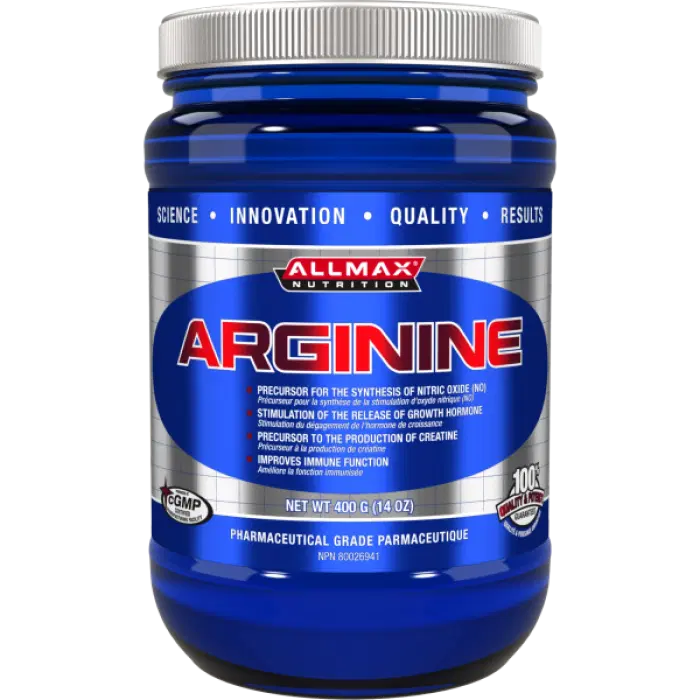
→ Pre-workout products with arginine and citrulline
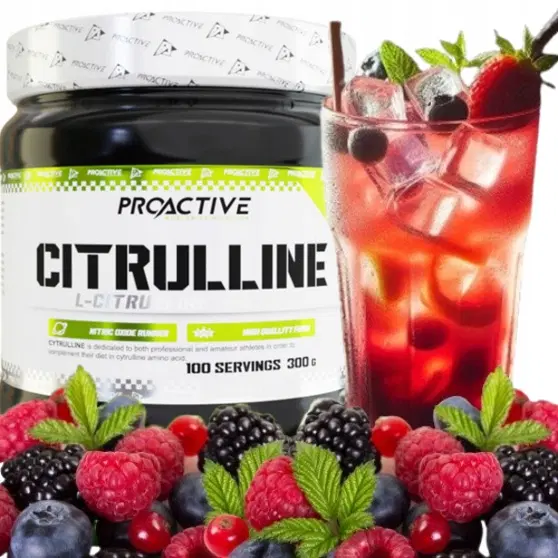
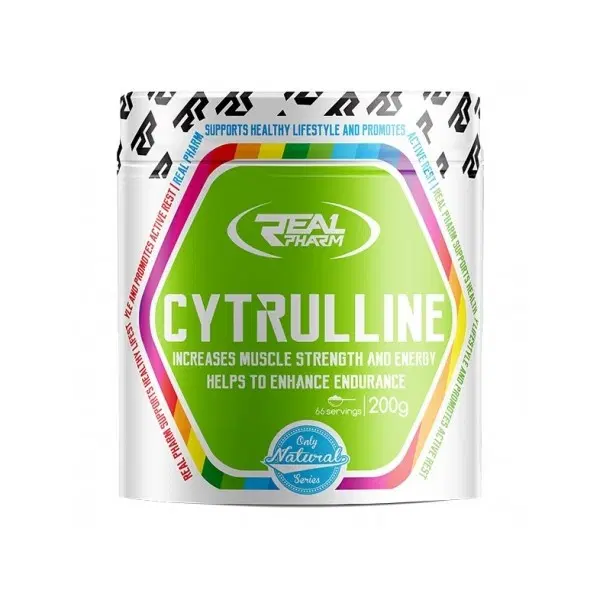
→ Amino acids (L-Citrulline)
→ Amino acids (L-Arginine, L-Ornithine)
Combined protocol for maximum effectiveness:
Combining products increases effectiveness. According to Sport Zona practice.
⚖ When to Choose Citrulline
- For more effective and sustained increase in blood Arginine levels.
- To increase reps to failure and improve pump.
- For significant reduction of muscle soreness after intense workouts.
- To maintain blood vessel elasticity and better recovery.
⚖ When to Choose Arginine
- When ammonia detoxification is needed with high protein intake.
- To stimulate growth hormone secretion during sleep.
- For support of immune function and T-cells.
- For improved collagen synthesis and faster tissue repair.
Expert Note from Sport Zona
In my 12 years of working with athletes, I've noticed that pure Arginine is rarely "enough" for Remarkable pump. Often, it's necessary to combine it with Citrulline or integrate it into a comprehensive pre-workout formula to achieve the desired effect. The differences between individual forms are important for maximum effectiveness and absorption.
Recommended products
Frequently asked questions
What is the main benefit of taking Arginine for athletes?
Arginine is key for the production of nitric oxide (NO), which improves blood circulation and nutrient delivery to muscles. This leads to better pumps and optimized training results.
Which form of Arginine is the most biologically active?
L-Arginine is the biologically active form that the body uses for protein synthesis and other metabolic processes. D-Arginine is inert and not absorbed.
What is the difference between L-Arginine and Citrulline regarding NO production?
While both stimulate NO, L-Citrulline is more effective because it is better absorbed and converted into Arginine in the kidneys, bypassing breakdown in the intestines and liver.
What is the function of AAKG (Arginine Alpha-Ketoglutarate)?
AAKG combines L-Arginine with alpha-ketoglutarate, which is involved in energy metabolism. The goal is to enhance energy contribution and ensure a longer-lasting pump.