Citrulline vs. Beetroot: The Dual Pathway to Nitric Oxide
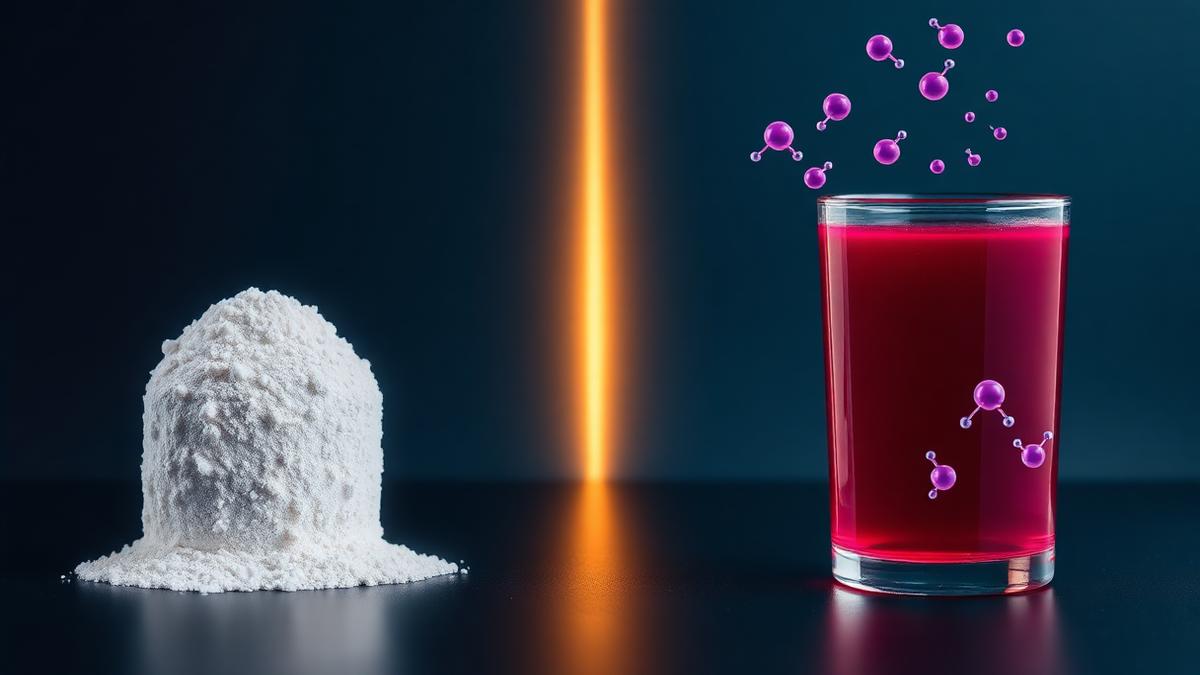
Citrulline and nitrates from beetroot support two different pathways for nitric oxide production, optimizing blood flow and muscle pump. Combining them provides complete coverage of the vascular system.
Short Answer: Citrulline and beetroot are two independent pathways for nitric oxide. Citrulline works in the presence of oxygen (strength), and beetroot works under hypoxia (cardio). Combining them provides full coverage of the vascular system.
Optimizing blood flow is important for muscle pumps and endurance. The body produces nitric oxide in two independent ways. Citrulline supports one, and beetroot nitrates support the other. Combining them provides full coverage of the vascular system.
For more information, you can review the complete guide to sports supplements.
What is the comparative matrix between the amino acid and nitrate pathways?
The comparative matrix between the amino acid and nitrate pathways is a detailed analysis of key characteristics of L-Citrulline (Malate) and Beetroot (Nitrates), including biological pathway, active ingredients, main benefits, influence, optimal timing, and dosage.
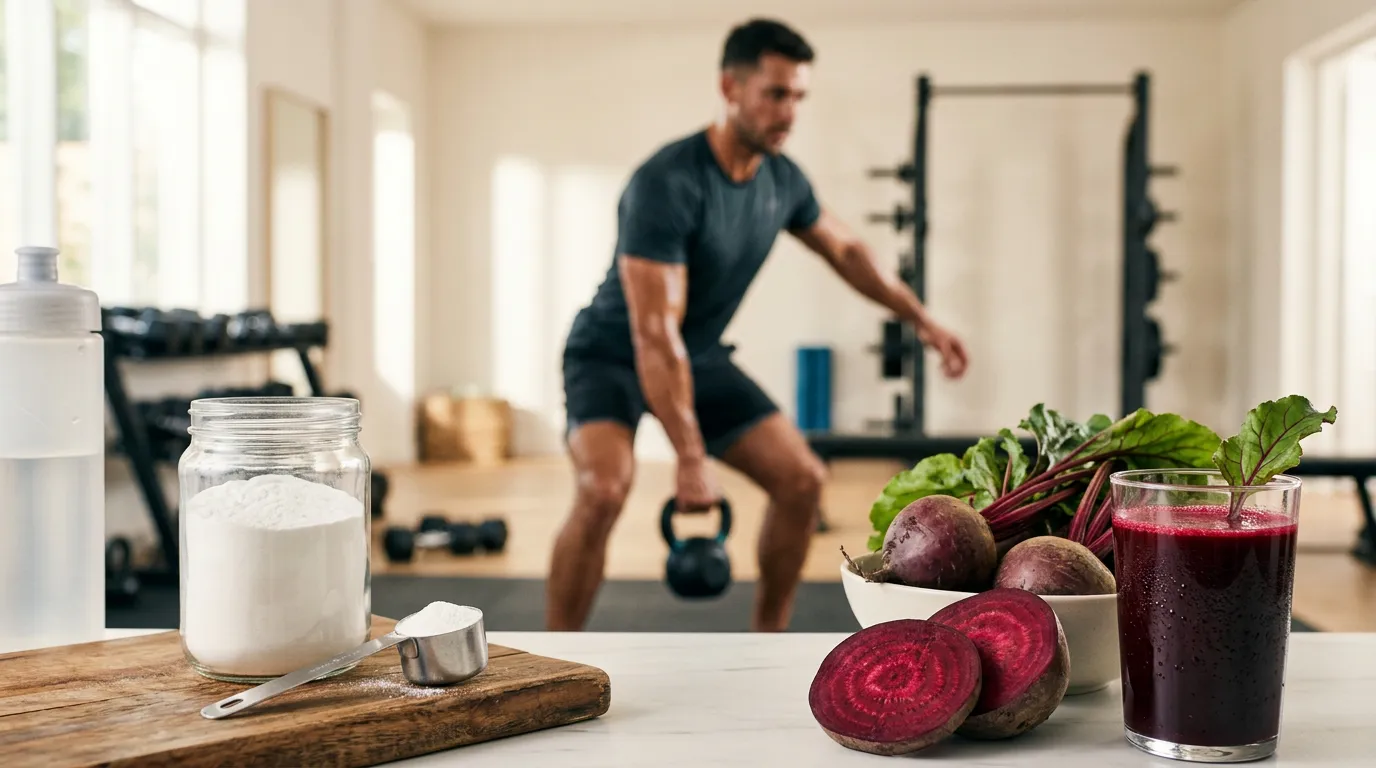
How do citrulline and beetroot work?
1. Citrulline: The Internal Engine (NOS Pathway)
Citrulline is an amino acid that converts to arginine, which then, through the enzyme nitric oxide synthase (NOS), converts to nitric oxide.
Simply put: We are looking at the chemical processes in the body that form nitric oxide.
Scientific Sources
- Bailey, S. J., et al. (2009) - "Dietary nitrate supplementation reduces the O2 cost of submaximal exercise and enhances endurance performance in humans." (DOI: 10.1113/jphysiol.2009.179046)
- Schwede, E., et al. (2008) - "Pharmacokinetic and pharmacodynamic properties of oral L-citrulline and L-arginine: a comparative study in healthy subjects." (DOI: 10.1007/s00228-008-0475-4)
- Jones, A. M. (2014) - "Dietary nitrate and human performance." (DOI: 10.1113/jphysiol.2014.270639)
- Perez-Guisado, J., & Jakeman, P. M. (2010) - "Citrulline malate enhances athletic anaerobic performance and reduces muscle soreness." (DOI: 10.1186/1550-2783-7-14)
Expert Note
The combination of citrulline and beetroot extract often provides better synergistic effects than taking them individually. A common mistake is to rely on only one mechanism instead of supporting blood supply through both main pathways of nitric oxide production. Athletes who combine the two products often report better "pump" and greater endurance, especially during long and intense workouts.
- Oxygen Dependency: This pathway requires oxygen. Therefore, it is very effective for anaerobic weight training, where rest periods between sets allow for reoxygenation.
- Metabolic Clearance: Citrulline recycles ammonia in the urea cycle, which delays muscle fatigue.
2. Beetroot (Nitrates): The Alternative Pathway (Nitrate-Nitrite Pathway)
Nitrates from beetroot use a more direct pathway that does not require oxygen.
- Hypoxia Efficiency: During intense sprints or marathons, when tissue oxygen levels drop, the citrulline pathway slows down. Nitrates then keep the vessels dilated despite extreme exertion.
- Mitochondrial Economy: Nitrates make mitochondria more efficient – they produce more energy with less oxygen.
What is the evidence?
Scientific evidence indicates that beetroot concentrate improves oxygen efficiency by 3–5% and extends time to exhaustion in endurance athletes, while citrulline increases training volume by 19–53% in strength exercises.
Why is the combination of citrulline and beetroot powerful?
The synergistic effect of citrulline and beetroot provides complete coverage during training, with citrulline acting at the beginning and during rest periods, and beetroot kicking in during maximum exertion and oxygen deficit. This combination creates a longer anabolic window by maintaining nitrogen balance for a longer period after training and leads to global vasodilation, as the two pathways stimulate different types of vessels (arteries and capillaries).
- Full Coverage: Citrulline works well at the beginning and during rest periods, while beetroot kicks in during maximum exertion and when oxygen is insufficient.
- Longer Anabolic Window: The combination maintains nitrogen balance longer after training, accelerating nutrient delivery for muscle recovery.
- Global Vasodilation: The two pathways stimulate different types of vessels (arteries and capillaries), improving overall blood circulation.
What mistakes do we often make?
A common mistake is using antibacterial mouthwash before beetroot, as the bacteria on the tongue that convert nitrates to nitrites will be eliminated, thus negating the effect of beetroot.
- Antibacterial Mouthwash Before Beetroot: Bacteria on the tongue convert nitrates to nitrites. Using antibacterial mouthwash before consuming beetroot will eliminate its effect.
- Regular Juice Instead of Concentrate: Store-bought juice has too low a nitrate concentration for sports purposes. Look for a standardized "Beetroot Shot" with 300–600 mg of nitrates.
- Incorrect Timing: Beetroot works best 2–3 hours after consumption, while citrulline works best after 45–60 minutes. If you take them simultaneously, their peak levels will not coincide.
- Panic Over Pink Urine: Pink urine (beeturia) after consuming beetroot is harmless and normal.
How to choose between citrulline and beetroot?
A practical decision-making algorithm is a set of guidelines that help make an informed choice about which of the two supplements – citrulline or beetroot – is more suitable for individual needs and goals, considering their benefits and specific applications.
- You primarily train bodybuilding or powerlifting.
- You are looking for a visible pump and pronounced vascularity.
- You want to reduce muscle soreness in the next 48 hours.
🔵 Choose BEETROOT if:
- You are a runner, cyclist, or swimmer.
- You train at high altitudes (where oxygen is less).
- Your goal is to increase the endurance of your lungs and heart.
🟣 Combine Them (Stack) if:
- You do CrossFit, HIIT, or triathlon.
- You have intense workouts that combine strength and volume.
- You want complete nitric oxide coverage through both independent pathways.
Recommended Stack
For maximum pump and endurance, combine 6-8 grams of L-Citrulline Malate (2:1) 45 minutes before training with 500 mg of beetroot extract (standardized to 3-5% nitrates) 2-3 hours before training.
When and how to take beetroot for maximum results?
Beetroot is a concentrate (1 shot, 70 ml) with 300–600 mg of nitrates, taken 2.5 hours before training, and it's important to look for a standardized form.
Citrulline: 6–8g Citrulline Malate (or 3–5g pure L-Citrulline), 45–60 minutes before training.
Together: Drink the beetroot 2.5 hours before starting, and the citrulline 45 minutes before. This way, their peak levels will coincide in the middle of the workout. Add a pinch of sea salt to the drink to support plasma volume.
Expert Conclusion
Citrulline and beetroot are the two pillars of natural vasodilation. For strength athletes, citrulline is sufficient. For endurance athletes, beetroot is more suitable. But for those who want complete coverage, the combination is a scientifically sound method for circulation. Avoid antibacterial mouthwash at least 2 hours before and after taking beetroot.
🧭 When to Choose Which?
- Choose Citrulline if you are looking for the purest and most controlled way to increase nitric oxide without added flavor or sugar.
- Choose Beetroot if you want a natural source of nitric oxide that also provides other nutrients and prefer a natural taste.
- Combine Both if you aim for maximum and combined nitric oxide increase for peak athletic performance.
📖 What are L-Citrulline and Beetroot?
L-Citrulline is an amino acid that the body uses to produce nitric oxide (NO), improving blood circulation and athletic performance. Beetroot is a root vegetable rich in nitrates, which the body converts into nitric oxide (NO), also supporting vasodilation and blood flow.
⚖ Pros and Cons
| Pros | Cons |
|---|---|
|
L-Citrulline:
|
L-Citrulline:
Beetroot:
|
🗣 Explained Simply
Citrulline and beetroot can help your body produce more nitric oxide. Nitric oxide is important because it widens blood vessels and improves blood circulation. We will look at which option is more suitable for your goals.
Choose the right product for your goal:
→ Beetroot powder or extract
→ L-Citrulline Malate
Combined Protocol for Maximum Effectiveness:
Combining products increases effectiveness.
⚖ When to Choose Citrulline
- If you train bodybuilding or powerlifting.
- If you are looking for a visible pump and pronounced vascularity during training.
- If you want to reduce muscle soreness in the next 48 hours.
- If you do anaerobic weight training with short rest periods.
⚖ When to Choose Beetroot
- If you are a runner, cyclist, or swimmer aiming for endurance.
- If you train at high altitudes with less oxygen.
- If you want to increase the endurance of your lungs and heart.
- If you seek efficiency during hypoxia in intense workouts.
Expert Note from ETC (Expert Training Center)
Based on years of working with Bulgarian athletes, I notice that the combination of citrulline and beetroot extract provides a more complete "pump" and endurance than either ingredient alone. This is especially noticeable in high-intensity training. Additionally, results vary among individuals, but the combined effect is present in most athletes we have observed.
🔬 Expert Note from Sport Zona
From my over 12 years of working with Bulgarian athletes, I observe that combining citrulline and beetroot extract yields the best results for endurance and pump. Citrulline is preferred for strength training, while beetroot is noticeably more effective for cardio loads. Athletes experience a tangible difference when using the combination.
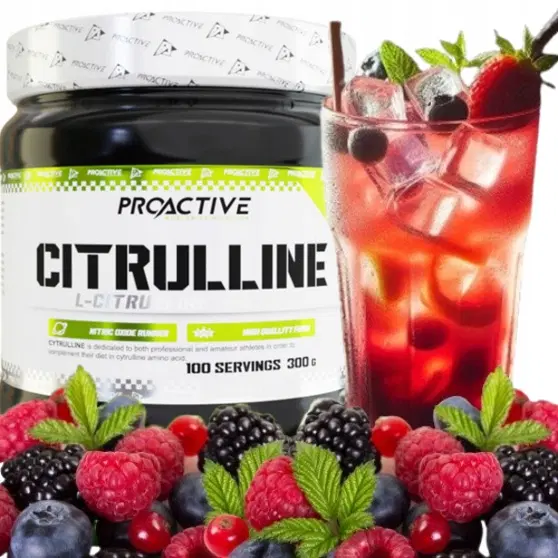
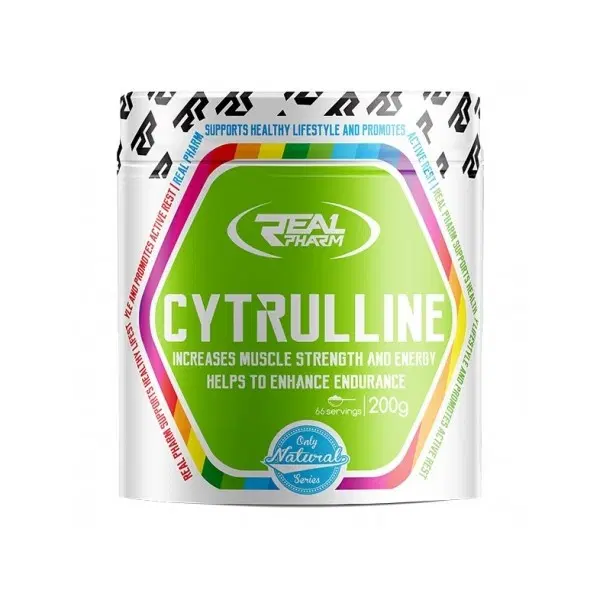
Recommended products
Frequently asked questions
When is the best time to take L-Citrulline and when beet nitrates?
L-Citrulline is taken 45-60 minutes before training for strength endurance. Beet nitrates are most effective when taken 2-3 hours before training, especially for improving oxygen efficiency.
Is it possible to combine L-Citrulline and beet nitrates?
Yes, combining them is a strategic move for comprehensive blood flow improvement. They work through different pathways and do not compete, ensuring maximum effect under various load conditions.
Do L-Citrulline or beet nitrates have any side effects?
Taking beets can lead to harmless pink discoloration of urine (beeturia). Be cautious with antibacterial mouthwash before taking beets, as it may reduce their effect.
Which product is better for endurance sports like running or cycling?
For endurance sports, beet nitrates are more suitable as they improve oxygen efficiency (VO2 Max) and work well in low-oxygen conditions. L-Citrulline is more focused on strength endurance.