Supplements for special diets: Keto, Vegan, and Intermittent Fasting
Supplements for special diets: Keto, Vegan, and Intermittent Fasting — a complete guide with types, benefits, dosages, and expert recommendations. Everything in one place from SportZone.
Supplements for Special Diets: Keto, Vegan & Intermittent Fasting – A Complete Guide from SportZone
What are supplements for Keto, Vegan, and IF diets and why are they important for athletes?
Supplements for special dietary regimens such as keto, veganism, and intermittent fasting are specialized nutritional products designed to compensate for potential nutritional deficiencies and optimize athletic performance that can arise due to the restrictions of these diets. They are extremely important for athletes, as intense training increases the body's needs for certain nutrients, and specific dietary regimens can make it difficult to obtain them solely through food.
🔬 From SportZone's Experience
In our work with over 50,000 clients, we see that a large number of athletes on a keto or vegan diet miss out on electrolytes and omega-3s, leading to a drop in performance and poor recovery. A common mistake is also overdosing on protein for vegans without paying attention to amino acid balance.
These diets, although beneficial for certain goals, often exclude entire food groups, requiring more careful planning of nutrient intake. For example, the vegan diet is devoid of animal products, the ketogenic diet restricts carbohydrates to a minimum, and intermittent fasting imposes periods of fasting. Each of these limitations can lead to a deficiency in important vitamins, minerals, electrolytes, proteins, or other bioactive compounds that are critical for an athlete's energy, recovery, muscle growth, and overall health. The correct choice and intake of supplements help maintain optimal bodily function and prevent unwanted side effects.
What types of supplements exist for Keto, Vegan, and IF diets and how do we distinguish them?
There are numerous supplements that can be beneficial for special dietary regimens, differing in their composition, origin, and primary function. Distinguishing them is key to their effective application.
📚 Scientific Sources
- Rogerson, D. (2017). Vegan diets: practical advice for athletes and exercisers. Journal of the International Society of Sports Nutrition, 14(1), 36. (DOI: 10.1186/s12970-017-0184-8)
- Paoli, A., Mancin, L., Bianco, A., et al. (2019). Ketogenic Diet and Sport: A Systematic Review. Nutrients, 11(10), 2092. (DOI: 10.3390/nu11102092)
- Barnes, J. N., & Miller, J. A. (2020). Intermittent Fasting and Exercise: A Systematic Review and Meta-Analysis. Sports Medicine - Open, 6(1), 59. (DOI: 10.1186/s40798-020-00282-3)
- Craig, W. J. (2009). Health effects of vegan diets. The American Journal of Clinical Nutrition, 89(5), 1627S-1633S. (DOI: 10.3945/ajcn.2009.26736S)
- Plant-based Protein: Extremely important for vegans, this type of protein is derived from plant sources such as peas, rice, hemp, or soy. It provides the necessary amino acids for muscle growth and recovery.
- Soy Protein: A specialized type of plant-based protein derived from soy, which is a complete source of amino acids and suitable for vegans and vegetarians.
- Electrolytes: Minerals like sodium, potassium, magnesium, and calcium, which are vital for hydration, nerve function, and muscle contractions. Especially important in keto diets and intermittent fasting, where dehydration and electrolyte loss can occur.
- MCT Oil: Medium-chain triglyceride oil, which is rapidly metabolized into ketones and provides quick energy without raising blood sugar levels. Ideal for the keto diet to maintain ketosis.
- Creatine: One of the most researched supplements, improving strength, power, and muscle volume. It can be beneficial for athletes on any diet, including vegans who often have lower creatine levels.
- Beta-Alanine: An amino acid that increases carnosine levels in muscles, delaying fatigue and improving endurance. Suitable for high-intensity training, regardless of diet.
- Vitamin D: A fat-soluble vitamin important for bone density, immune function, and hormonal balance. Deficiencies are common, especially in diets that avoid dairy products or fish.
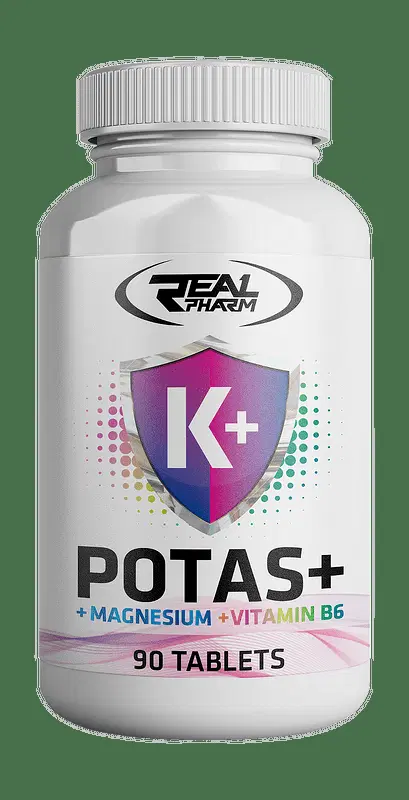
- Magnesium: A vital mineral involved in over 300 enzymatic reactions, including energy production, muscle function, and nerve transmission. Deficiency is common and can negatively impact athletes.
- Zinc: A mineral crucial for immune function, recovery, and hormonal health. Vegans and people with restricted diets may have lower zinc intake.
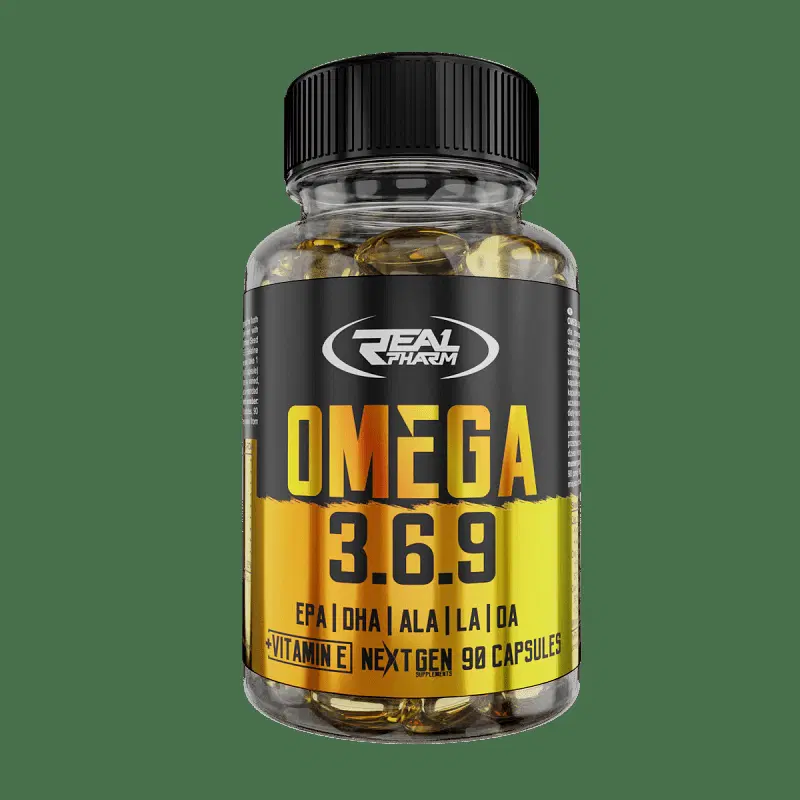
- Omega-3: Essential fatty acids important for cardiovascular health, brain function, and reducing inflammation. Vegans should seek plant-based sources like flaxseed or algae.
- Vitamin B Complex: A group of eight water-soluble vitamins that play a key role in energy metabolism, nerve function, and red blood cell production. Especially important for vegans, as Vitamin B12 is primarily found in animal products.
- Chromium: A trace element that supports insulin action and the metabolism of carbohydrates, fats, and proteins. It can be helpful in regulating blood sugar.
- Calcium: A mineral essential for bone health, muscle contractions, and nerve function. Important for vegans who do not consume dairy products.
- Iron: A mineral essential for oxygen transport in the blood and energy metabolism. Deficiency is common in vegans and athletes.
- Probiotics: Live microorganisms that support digestive health and immune function. Important for overall well-being and nutrient absorption, especially when changing diets.
How to choose the right supplements for Keto, Vegan, and IF diets for our goals?
Choosing the right supplements depends on individual goals, specific dietary regimen, and potential deficiencies. It's important to research the body's needs and approach it with informed decisions.
- For muscle growth: For vegans and those on intermittent fasting who need adequate protein intake, Plant-based Protein (especially Soy Protein) is an excellent choice. Creatine is also versatile for muscle growth and strength.
- For endurance: Beta-Alanine can improve endurance in high-intensity training. Electrolytes are key for maintaining hydration and muscle function, especially during prolonged exertion and on a keto diet.
- For recovery: Magnesium aids muscle relaxation and reduces cramps. Zinc and Vitamin D are important for immune function and overall recovery. Omega-3 fatty acids can reduce post-workout inflammation.
- For weight loss: On a keto diet, MCT Oil can support ketosis and provide energy, which can indirectly contribute to weight loss. Chromium can help regulate blood sugar and appetite.
- For beginners: For beginner athletes on special diets, essential supplements include Plant-based Protein (for vegans), Electrolytes (for keto and intermittent fasting), and general vitamins and minerals like Vitamin D, Magnesium, and Vitamin B Complex (especially B12 for vegans).
How and when to take supplements for Keto, Vegan, and IF diets for maximum results?
Proper dosing and timing are essential for maximum supplement effectiveness. General principles include considering the dietary regimen, training intensity, and individual needs.
- Before training:
- MCT Oil: On a keto diet, pre-workout intake can provide quick energy and improve focus.
- Electrolytes: Important for preventing dehydration and muscle cramps, especially during long or intense workouts.
- Beta-Alanine: Usually taken daily, but can be part of a pre-workout supplement to boost endurance.
- After training:
- Plant-based Protein (or Soy Protein): Post-workout protein intake is critical for muscle recovery and growth.
- Creatine: Can be taken post-workout to optimize absorption and creatine store replenishment.
- Electrolytes: To replenish minerals lost through sweat.
- Every day:
- Vitamin D: Often taken daily, especially with limited sun exposure.
- Magnesium: For general health, muscle function, and sleep.
- Zinc: For immune function and hormonal balance.
- Omega-3: To reduce inflammation and support cardiovascular health.
- Vitamin B Complex: Especially important for vegans to compensate for the lack of B12.
- Iron: If a deficiency is diagnosed, especially in vegans.
- Calcium: To maintain bone density, especially in vegans.
- Probiotics: To maintain a healthy gut flora and optimal nutrient absorption.
- Chromium: To support metabolism and blood sugar regulation.
What supplement combinations (stacks) for Keto, Vegan, and IF diets work best?
Combining supplements can lead to synergistic effects and optimize results. Here are some effective stacks for different special diets:
- Keto stack for energy and electrolytes:
- MCT Oil: For quick ketogenic energy.
- Electrolytes: To prevent "keto flu" and maintain hydration.
- Magnesium: For muscle function and sleep.
- Vegan stack for muscle growth and health:
- Plant-based Protein (or Soy Protein): For adequate protein intake.
- Creatine: For strength and muscle volume, as vegans often have lower levels.
- Vitamin B Complex (with emphasis on B12): For energy metabolism and nerve function.
- Iron and Calcium: To compensate for potential deficiencies.
- Intermittent Fasting stack for recovery and energy:
- Electrolytes: To maintain balance during fasting phases.
- Magnesium: For overall recovery and reducing fatigue.
- Omega-3: To reduce inflammation and maintain health.
- General stack for athletes on any diet:
- Vitamin D: For immune function and bone health.
- Magnesium: For muscle function and sleep.
- Omega-3: For cardiovascular health and anti-inflammatory effects.
- Probiotics: For optimal digestion and nutrient absorption.
What are the most common mistakes when taking supplements for Keto, Vegan, and IF diets?
- ❌ Inadequate dosage: Taking too little may not lead to desired results, while too high doses can be harmful. Always follow the manufacturer's or specialist's recommendations.
- ❌ Neglecting food: Supplements are a complement to a balanced diet, not a substitute. The main focus should always be on whole foods, tailored to the chosen regimen.
- ❌ Lack of personalization: Each person is different, with unique needs and tolerances. Taking supplements just because "they work for someone else" can be ineffective or even dangerous. Consulting a dietitian or doctor is recommended.
- ❌ Lack of patience: The effect of some supplements is gradual. Expecting immediate results and rapidly changing products may prevent long-term benefits.
- ❌ Not checking origin and quality: Especially with vegan supplements, it's important to ensure products are certified and contain no animal ingredients. Always choose supplements from reputable manufacturers.
- ❌ Ignoring side effects: Some supplements can cause adverse reactions. It's important to monitor how your body reacts and discontinue use if negative symptoms appear.
What should we know briefly about supplements for Keto, Vegan, and IF diets?
| Supplement | Main Benefit | Recommended Dosage (General) | Optimal Timing | Suitable Diet |
|---|---|---|---|---|
| Plant-based Protein | Muscle growth, recovery | 20-30g per dose | After workout, between meals | Vegan, Intermittent Fasting |
| Soy Protein | Muscle growth, recovery (complete amino acid profile) | 20-30g per dose | After workout, between meals | Vegan |
| Electrolytes | Hydration, muscle function, energy | As needed, often 1 dose | Before/during/after workout, during fasting | Keto, Intermittent Fasting |
| MCT Oil | Quick ketogenic energy, maintaining ketosis | 5-15ml per dose | Before workout, morning | Keto |
| Creatine | Strength, power, muscle volume | 3-5g daily (after loading phase) | Daily, anytime | All (especially vegans) |
| Beta-Alanine | Endurance, fatigue reduction | 2-5g daily | Daily, before workout | All |
| Vitamin D | Bone health, immunity, mood | 1000-5000 IU daily | Daily, with fat | All (especially vegans) |
| Magnesium | Muscle function, sleep, energy | 200-400mg daily | Evening, before sleep | All |
| Zinc | Immunity, recovery, hormones | 15-30mg daily | Evening, on an empty stomach | All (especially vegans) |
| Omega-3 | Heart health, inflammation reduction | 1-3g EPA/DHA daily | Daily, with food | All (plant sources for vegans) |
| Vitamin B Complex | Energy metabolism, nervous system | According to recommendations | Morning, with food | All (especially vegans for B12) |
| Chromium | Blood sugar regulation, metabolism | 200-1000 mcg daily | With food | All |
| Calcium | Bone health, muscle function | 1000-1200mg daily | Daily, with food | Vegan |
| Iron | Oxygen transport, energy | As needed, often 18-27mg | On an empty stomach (or with Vitamin C) | Vegan |
| Probiotics | Gut health, immunity | Billions of CFU daily | Morning, on an empty stomach | All |
Recommended products
Frequently asked questions
What are the most important supplements for special dietary regimes — keto, veganism, and intermittent fasting?
The most important supplements vary depending on the diet. For a keto diet, electrolytes and MCT oil are often recommended. For vegans, vitamin B12, iron, and omega-3 are key. For intermittent fasting, supplements are less mandatory but can include electrolytes to maintain hydration.
How many types of supplements for special dietary regimes — keto, veganism, and intermittent fasting exist?
There is no fixed number of supplement types, as they are aimed at filling specific nutritional deficiencies or supporting physiological processes. The main categories include vitamins, minerals, amino acids, fatty acids, and other functional ingredients.
What are the main benefits of taking supplements when following a keto diet?
In the keto diet, which restricts carbohydrates, supplements can help compensate for electrolyte loss (sodium, potassium, magnesium), leading to a reduction in "keto flu" symptoms. MCT oil can provide quick energy and support entering ketosis.
What are the most common nutritional deficiencies in vegan diets and how can supplements help?
Vegans may experience a deficiency in vitamin B12, which is primarily found in animal products. Other common deficiencies include iron, zinc, calcium, iodine, and omega-3 fatty acids (EPA and DHA). Supplements are an effective way to ensure these important nutrients.
Is it necessary to take supplements during intermittent fasting and which ones are recommended?
For intermittent fasting, if practiced short-term and without extreme restrictions, supplements are not always necessary. However, during fasting, especially for longer periods, taking electrolytes can help maintain energy levels and prevent headaches and muscle cramps.