Metabolism and insulin sensitivity supplements

Metabolism and insulin sensitivity supplements — a complete guide with types, benefits, dosages, and expert recommendations. Everything in one place from SportZone.
Metabolism and Insulin Sensitivity Supplements: A Complete Guide from SportZone
What are metabolism and insulin sensitivity-boosting supplements, and why are they important for athletes?
Metabolism and insulin sensitivity-boosting supplements are nutritional supplements that support the optimal functioning of the body's energy exchange and the ability of cells to respond effectively to insulin. These supplements are critically important for athletes as they directly influence energy levels, recovery, weight management, and overall athletic performance.
🔬 From SportZone's Experience
In our work with over 50,000 clients, we see that underestimating insulin sensitivity often leads to stagnant results, even with a perfect training and nutrition plan. A common mistake is to focus solely on macronutrients without paying attention to how the body absorbs and utilizes glucose and fats at the cellular level. Properly selected supplements can be a key factor in overcoming plateaus.
At its core, metabolism is the sum of all chemical processes that sustain life, including the conversion of food into energy. Insulin sensitivity, on the other hand, is the ability of cells to respond adequately to the hormone insulin, which regulates blood sugar levels. When insulin sensitivity is good, the body uses glucose more efficiently for energy and storage, which is vital for athletes needing a quick and constant supply of energy, as well as for optimal recovery. Supplements in this category work through various mechanisms – from improving mitochondrial function to regulating hormonal balance and reducing inflammation, all of which contribute to better physical fitness and a healthy metabolism.
What types of metabolism and insulin sensitivity-boosting supplements exist, and how do we differentiate them?
Supplements aimed at improving metabolism and insulin sensitivity can be classified according to their primary mechanism of action and chemical composition. They include vitamins, minerals, amino acids, plant extracts, and other bioactive compounds, each playing a specific role in the body.
📚 Scientific Sources
- Tabrizi, R., et al. (2018). The effects of L-carnitine supplementation on glycemic control and lipid profiles in patients with metabolic syndrome: A systematic review and meta-analysis of randomized controlled trials. - DOI: 10.1016/j.clins.2018.06.002
- Chowdhury, A., et al. (2018). Role of Vitamin D in Insulin Resistance and Glucose Homeostasis. - PubMed: 29774136
- Guerrero-Romero, F., et al. (2011). Oral magnesium supplementation improves insulin sensitivity in non-diabetic subjects with insulin resistance. - DOI: 10.1007/s00125-011-2292-2
- Cefalu, W. T., et al. (2004). Dose-response effect of chromium picolinate on insulin sensitivity in subjects with type 2 diabetes. - DOI: 10.2337/diacare.27.11.2741
- L-Carnitine — An amino acid derivative that plays a key role in transporting fatty acids to the mitochondria for energy production, aiding fat burning.
- Vitamin D — A fat-soluble vitamin important for immune function, bone health, and may positively influence insulin sensitivity and glucose metabolism.
- Magnesium — An essential mineral involved in over 300 enzymatic reactions, including those related to energy production, muscle function, and blood sugar regulation.
- Zinc — An important trace element necessary for immune function, protein and DNA synthesis, as well as carbohydrate, fat, and protein metabolism.
- Turmeric — A plant extract known for its powerful anti-inflammatory and antioxidant properties, which can support metabolism and insulin signaling.
- Omega-3 — Essential fatty acids (EPA and DHA) that reduce inflammation, improve cell membrane function, and can contribute to better insulin sensitivity and cardiovascular health.
- Alpha-Lipoic Acid — A potent antioxidant that aids in the conversion of glucose into energy and can improve insulin sensitivity.
- Inositol — A sugar alcohol that plays a role in cell signaling and can improve insulin sensitivity, especially in conditions like polycystic ovary syndrome (PCOS).
- CLA (Conjugated Linoleic Acid) — A natural fatty acid that can influence fat metabolism, aiding in the reduction of body fat and increase of lean muscle mass.
- Chromium — A trace element that supports insulin action and can improve glucose and fat metabolism.
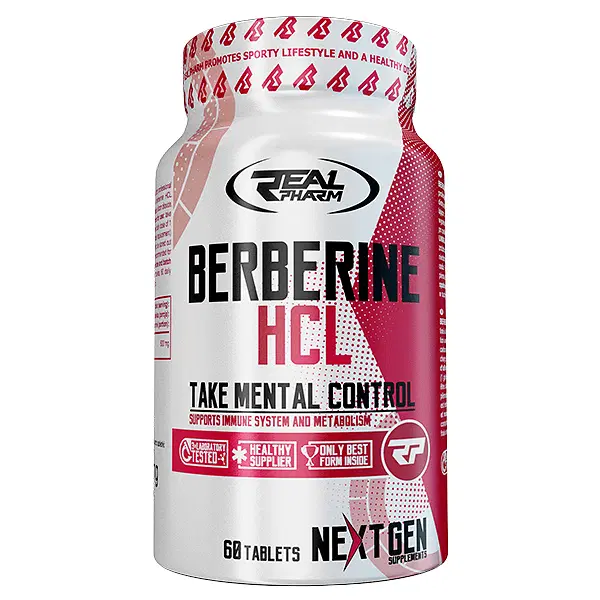
- Berberine — A bioactive compound extracted from plants, known for its ability to activate the AMPK enzyme, improving glucose metabolism and insulin sensitivity.
How do we choose the right metabolism and insulin sensitivity-boosting supplements for our goals?
Choosing the right supplement depends entirely on individual goals and needs. It is important to consider your current physical condition, diet, and the specific goals you want to achieve.
- For muscle growth: For direct muscle growth, the focus is on proteins and amino acids, but to optimize energy metabolism, which indirectly supports growth, Magnesium can be considered to improve protein synthesis and ATP function.
- For endurance: L-Carnitine is an excellent choice as it supports the use of fats as an energy source during prolonged exertion, sparing glycogen.
- For recovery: Omega-3 fatty acids are key for reducing post-workout inflammation, and Magnesium aids in muscle relaxation and nerve function.
- For weight loss: CLA can help reduce body fat, and Berberine and Chromium can improve blood sugar control and reduce appetite. L-Carnitine is also effective for optimizing fat burning.
- For beginners: For beginners looking to support their overall health and metabolism, good foundational supplements include Vitamin D for general health and Magnesium for essential bodily functions.
How and when should metabolism and insulin sensitivity-boosting supplements be taken for maximum results?
Proper intake and timing are essential for deriving maximum benefits from supplements. Dosage and timing can vary significantly depending on the specific product and individual needs.
- Pre-workout: Some supplements, like L-Carnitine, can be taken before a workout to support fat utilization for energy during physical activity. Alpha-Lipoic Acid can also be beneficial pre-workout to optimize glucose metabolism.
- Post-workout: For recovery and inflammation reduction, Omega-3 fatty acids are suitable for post-workout intake. Magnesium can help with muscle relaxation and recovery.
- Daily: Many metabolism and insulin sensitivity supplements are taken daily to maintain consistent levels in the body. This includes Vitamin D, Magnesium, Zinc, Turmeric, Omega-3, Inositol, Chromium, and Berberine. These supplements are often taken with food to improve absorption and avoid stomach discomfort.
What combinations (stacks) of metabolism and insulin sensitivity-boosting supplements work best?
Combining supplements can lead to synergistic effects that enhance individual benefits. Here are some effective combinations:
- For overall metabolic health: Berberine + Alpha-Lipoic Acid + Chromium. This combination is powerful for improving insulin sensitivity and blood sugar control, supporting both glucose uptake and its efficient utilization.
- For weight loss support and energy: L-Carnitine + CLA + Omega-3. L-Carnitine optimizes fat burning for energy, CLA can support body composition changes, and Omega-3 reduces inflammation and maintains metabolic health.
- For hormonal balance and insulin sensitivity: Vitamin D + Magnesium + Inositol. These three elements work together to maintain optimal Vitamin D levels, which are important for hormonal regulation, Magnesium participates in over 300 enzymatic reactions, and Inositol is particularly beneficial for improving insulin signaling.
- For powerful antioxidant and anti-inflammatory support: Turmeric + Omega-3 + Alpha-Lipoic Acid. This combination provides strong protection against oxidative stress and inflammation, which can hinder metabolism and insulin function.
What are the most common mistakes made when taking metabolism and insulin sensitivity-boosting supplements?
- ❌ Neglecting the fundamentals: A common mistake is relying solely on supplements without paying attention to a balanced diet, adequate physical activity, and sufficient sleep. Supplements are just an addition to a healthy lifestyle, not a replacement.
- ❌ Incorrect dosage: Taking too small or too large doses can lead to a lack of effect or unwanted side effects. Always follow the manufacturer's recommendations or consult a specialist.
- ❌ Lack of patience: The results from supplements do not appear immediately. Consistent intake over a period of time is necessary for the body to adapt and show its full benefits.
- ❌ Ignoring individual needs: Every body is different. A supplement that works for one person may not be effective for another. It is important to research your own needs and experiment carefully.
- ❌ Incompatibility with medications: Some supplements can interact with medications. Always inform your doctor about all supplements you are taking to avoid potential risks.
What should we know in brief about metabolism and insulin sensitivity-boosting supplements?
| Supplement | Primary Benefit for Metabolism/Insulin Sensitivity | Example Dosage (for adult) | Recommended Timing |
|---|---|---|---|
| L-Carnitine | Supports fat burning for energy, improves performance. | 500-2000 mg | Pre-workout or with food. |
| Vitamin D | Supports immune function, affects insulin sensitivity. | 1000-5000 IU | Daily, with fat-containing food. |
| Magnesium | Involved in energy metabolism, muscle function, regulates blood sugar. | 200-400 mg | Daily, can also be taken before bed. |
| Zinc | Important for macronutrient metabolism, immune function. | 15-30 mg | Daily, with food. |
| Turmeric | Anti-inflammatory and antioxidant properties, supports metabolism. | 500-1500 mg (extract with piperine) | Daily, with food. |
| Omega-3 | Reduces inflammation, improves insulin sensitivity, cardiovascular health. | 1000-3000 mg (EPA+DHA) | Daily, with food. |
| Alpha-Lipoic Acid | Potent antioxidant, improves glucose metabolism and insulin sensitivity. | 300-600 mg | Before meals or pre-workout. |
| Inositol | Improves insulin sensitivity, especially in PCOS. | 2000-4000 mg | Daily, divided doses. |
| CLA | May support body fat reduction. | 1000-3000 mg | Daily, with food. |
| Chromium | Supports insulin action, regulates blood sugar. | 200-400 mcg | Daily, with food. |
| Berberine | Activates AMPK, improves glucose metabolism and insulin sensitivity. | 500-1500 mg | Daily, before meals. |
Recommended products
Frequently asked questions
What are the most important supplements for improving metabolism and insulin sensitivity?
Among the most important supplements for metabolism and insulin sensitivity are berberine, alpha-lipoic acid, chromium, and magnesium. These compounds can help regulate blood sugar levels and improve how the body uses insulin.
How many types of supplements for improving metabolism and insulin sensitivity exist?
There are many types of supplements that can support metabolism and insulin sensitivity. They range from herbal extracts and minerals to amino acids and vitamins, each with a specific mechanism of action.
How do supplements affect metabolism and insulin sensitivity?
Supplements can affect metabolism and insulin sensitivity through various mechanisms, such as improving glucose uptake, reducing inflammation, supporting mitochondrial function, and optimizing hormonal balance.
What are the main benefits of taking supplements for metabolism and insulin sensitivity?
The main benefits include better blood sugar control, increased energy, support for healthy body weight, and reduced risk of developing metabolic syndrome and type 2 diabetes.
Are there any side effects from taking supplements for metabolism and insulin sensitivity?
As with any supplement, side effects are possible, which are usually mild and include gastrointestinal issues. It is always recommended to consult with a healthcare professional before starting, especially if you are taking other medications.