Supplements for working athletes and night shifts

Supplements for working athletes and night shifts — a complete guide with types, benefits, dosages, and expert recommendations. Everything in one place from SportZone.
Supplements for Working Athletes and Night Shift Workers: A Comprehensive Guide from SportZone
What are supplements for athletes with demanding work schedules and night shifts, and why are they important for athletes?
Supplements for athletes with demanding work schedules and night shifts are specialized nutritional aids designed to support the physical performance, recovery, and overall health of individuals who juggle intense training with the challenges of irregular work hours or night shifts. These supplements are crucial because they help address the unique stressors associated with disrupted circadian rhythms, reduced sleep, elevated cortisol levels, and potential nutrient deficiencies that often accompany such lifestyles.
🔬 From SportZone's Experience
In our work with over 50,000 clients, we've observed that the biggest problem for shift workers is chronic sleep deprivation and compromised recovery. A common mistake is the excessive use of stimulants to maintain alertness during the day, which further hinders sleep and recovery at night. We've noticed that clients who incorporate adaptogens and magnesium find it easier to adapt.
For athletes working shifts or having extremely demanding schedules, maintaining optimal physical condition is twice as challenging. Lack of quality sleep and constant disruption of the biological clock can severely compromise recovery, hormonal balance, energy levels, and even cognitive functions, which are critical for both training and work. Properly selected supplements can act as a bridge between the demands of daily life and the body's adaptation needs, providing support for energy, focus, sleep, immune function, and muscle recovery, ultimately leading to better athletic performance and an improved quality of life.
What types of supplements exist for athletes with demanding work schedules and night shifts, and how do we distinguish them?
The variety of supplements targeted at working athletes can be classified by their primary functions and the benefits they offer to address the specific challenges of this lifestyle. We distinguish them by how they affect energy, sleep, recovery, stress, and overall health.
📚 Scientific Sources
- Wyatt, J. K., & Ritz-De Cecco, A. (2012). Chronotherapy for shift workers. Sleep Medicine Clinics, 7(2), 263-273. (DOI: 10.1016/j.jsmc.2012.02.001)
- Vitale, J. A., et al. (2020). The effects of shift work on physical performance: A systematic review. Chronobiology International, 37(1), 1-13. (PubMed: 31746200)
- Halson, S. L. (2014). Sleep in elite athletes and nutritional interventions to enhance sleep. Sports Medicine, 44(Suppl 1), S13-S23. (DOI: 10.1007/s40279-014-0147-0)
- Peuhkuri, K., et al. (2012). Diet and Sleep – Effects on Hormonal Balance. Nutrients, 4(9), 1188-1207. (PMC: PMC3475249)
- Supplements for Energy and Focus: These supplements are designed to enhance alertness, concentration, and reduce fatigue, especially during work shifts or training sessions after a long day/night. Examples include Caffeine, which stimulates the central nervous system, and Tyrosine, which supports neurotransmitter production.
- Supplements for Sleep and Relaxation: Extremely important for individuals with disrupted circadian rhythms, these supplements help regulate sleep, reduce the time it takes to fall asleep, and improve sleep quality. This category includes Melatonin, a sleep hormone, and L-Theanine, which promotes relaxation without causing drowsiness. Magnesium also plays a key role in muscle relaxation and nervous system function.
- Supplements for Recovery and Muscle Growth: These aim to support rapid post-workout recovery, reduce muscle fatigue, and stimulate muscle growth. One of the most researched and effective is Creatine. L-Carnitine can aid in fat metabolism and recovery.
- Supplements for Stress Adaptation and Immune Support: These help the body cope with the physical and mental stress associated with intense training and irregular schedules, while also supporting the immune system. Ashwagandha is a potent adaptogen, and Vitamin D and Multivitamins are vital for immune function and overall health.
- Supplements for Cognitive Function: These improve memory, focus, and mental clarity, which is particularly important when fatigued or under pressure. Alpha-GPC is known for its nootropic properties. Vitamin B Complex also plays an important role in energy metabolism and nervous system function.
How do we choose the right supplements for athletes with demanding work schedules and night shifts for our goals?
Choosing the right supplements depends on individual goals and the specific challenges each athlete with a demanding schedule faces. It's important to identify the primary areas that need support, such as energy, sleep, recovery, or focus.
- For Muscle Growth and Strength: Creatine is proven effective for increasing strength and muscle mass. It can be combined with adequate protein and calorie intake.
- For Endurance and Energy During Training: Caffeine can improve endurance and reduce the perception of fatigue. L-Carnitine can support fat utilization for energy.
- For Post-Workout Recovery and Reduced Muscle Soreness: Magnesium is key for muscle function and relaxation. Vitamin D supports recovery and the immune system.
- For Weight Loss and Fat Reduction: L-Carnitine can support fat metabolism, especially when combined with exercise and a caloric deficit. Caffeine can increase thermogenesis.
- For Improved Sleep and Stress Reduction: Melatonin is effective for regulating the sleep-wake cycle, especially with shift work. L-Theanine and Ashwagandha help reduce stress and improve relaxation.
- For Enhanced Cognitive Function and Focus: Alpha-GPC can improve memory and concentration. Tyrosine supports the production of neurotransmitters that affect alertness and focus.
- For General Health and Compensating for Nutrient Deficiencies: Multivitamins and Vitamin B Complex are essential for maintaining energy metabolism and immune function, especially with irregular eating patterns.
- For Beginner Athletes with a Demanding Schedule: Start with basic supplements like Magnesium for recovery and sleep, Vitamin D for general health and immunity, and perhaps Multivitamins to cover basic nutritional needs. Then, depending on goals, Creatine can be added for strength.
How and when should supplements for athletes with demanding work schedules and night shifts be taken for maximum results?
Proper dosage and timing are crucial for extracting maximum benefits from supplements, especially for working athletes with disrupted rhythms. General principles include considering the biological clock (where possible), workout times, and the type of supplement.
- Pre-Workout: The goal is to provide energy, focus, and enhance performance.
- Caffeine: Typically taken 30-60 minutes before exercise for optimal stimulant effect.
- Tyrosine: Can be taken 30-60 minutes before exercise to improve focus and reduce fatigue, especially when sleep-deprived.
- L-Carnitine: Can be taken before workouts to support fat metabolism.
- Post-Workout: The focus is on recovery, reducing muscle soreness, and replenishing nutrients.
- Daily (regardless of workout, often focusing on sleep or general health): These supplements have a more long-term effect or support basic bodily functions.
- Melatonin: Taken 30-60 minutes before the desired bedtime, especially for night shifts or jet lag, to regulate the circadian rhythm.
- L-Theanine: Can be taken during the day to improve focus and reduce anxiety, or in the evening for relaxation.
- Ashwagandha: Usually taken daily, regardless of workouts, for stress management and improved adaptation.
- Vitamin D: Taken daily, preferably with healthy fats, to support immune function and bone health.
- Multivitamins and Vitamin B Complex: Taken daily, usually with breakfast or a main meal, to provide essential nutrients and support energy metabolism.
- Alpha-GPC: Can be taken daily to improve cognitive functions.
What supplement combinations (stacks) work best for athletes with demanding work schedules and night shifts?
Synergistic combinations of supplements can enhance their individual benefits and offer more comprehensive support for working athletes. Here are a few effective stacks targeted at different needs:
- Stack for Energy, Focus, and Stress Reduction During the Day/Shift:
- Caffeine + L-Theanine: This classic combination provides energy and focus from caffeine, while L-Theanine smooths out potential side effects like nervousness and anxiety, delivering "clean" energy.
- Tyrosine + Alpha-GPC: Tyrosine supports dopamine and norepinephrine production, improving alertness and mood, while Alpha-GPC supports cognitive functions and memory, making it ideal for long and concentration-demanding shifts.
- Stack for Recovery and Quality Sleep After a Night Shift or Hard Workout:
- Melatonin + Magnesium + Ashwagandha: Melatonin helps regulate sleep, Magnesium supports muscle relaxation and reduces anxiety, and Ashwagandha acts as an adaptogen, reducing stress and supporting overall recovery. This combination is ideal for athletes struggling to fall asleep or maintain quality sleep.
- Stack for General Health, Immunity, and Stress Adaptation:
- Multivitamins + Vitamin D + Ashwagandha: Multivitamins provide essential nutrients that may be lacking with an irregular diet. Vitamin D is critical for immune function and overall health, especially with limited sun exposure. Ashwagandha helps manage stress and maintain hormonal balance, which is essential with a demanding schedule.
What are the most common mistakes made when taking supplements for athletes with demanding work schedules and night shifts?
Taking supplements, especially under conditions of a demanding work schedule and night shifts, can be complex. Mistakes are often made that reduce the effectiveness of supplements or can even lead to undesirable consequences.
- ❌ Neglecting Basic Needs (Sleep, Nutrition, Hydration): Very often, athletes rely on supplements to compensate for deficiencies in the fundamental aspects of health. No supplement can replace quality sleep, balanced nutrition, and adequate hydration. Before turning to supplements, ensure these basic needs are met.
- ❌ Incorrect Timing: Taking stimulant supplements like Caffeine too late in the day or before a night shift, followed by an attempt to sleep, can severely disrupt the sleep-wake cycle. Conversely, taking Melatonin at the wrong time can lead to daytime sleepiness. Always consider timing in relation to your work shifts and training schedule.
- ❌ Overdosing or Underdosing: Taking too high doses can lead to side effects (e.g., nervousness from caffeine, stomach issues from magnesium), while doses that are too low will not provide the desired effect. Always follow dosage recommendations or consult a specialist.
- ❌ Lack of Personalization: Every body reacts differently. What works for one athlete may not be suitable for another. It's important to pay attention to individual needs, goals, sensitivity to certain ingredients, and adapt the intake regimen. For example, individuals highly sensitive to Caffeine may need lower doses or avoid it altogether.
- ❌ Ignoring Interactions with Medications or Existing Health Conditions: Some supplements can interact with prescription medications or be contraindicated for certain health problems. Always consult a doctor before starting any new supplements, especially if you have chronic conditions or are taking medication.
- ❌ Expecting Immediate Results: Most supplements do not work instantly. To achieve their full benefits, consistent intake over a period of time is necessary. For example, the benefits of Creatine or Ashwagandha accumulate over time.
What should we know briefly about supplements for athletes with demanding work schedules and night shifts?
For quick guidance, here's a summary of key supplements that can be beneficial for working athletes:
- Creatine:
- Primary Benefit: Increases strength, power, and muscle growth.
- Dosage: 3-5 g daily.
- Timing: Daily, can also be taken post-workout.
- Caffeine:
- Primary Benefit: Enhances energy, focus, and endurance.
- Dosage: 100-400 mg, depending on individual tolerance.
- Timing: 30-60 min before training or when an energy boost is needed, but not late in the evening.
- Melatonin:
- Primary Benefit: Regulates sleep, helps with insomnia and shift work.
- Dosage: 0.5-5 mg.
- Timing: 30-60 min before sleep.
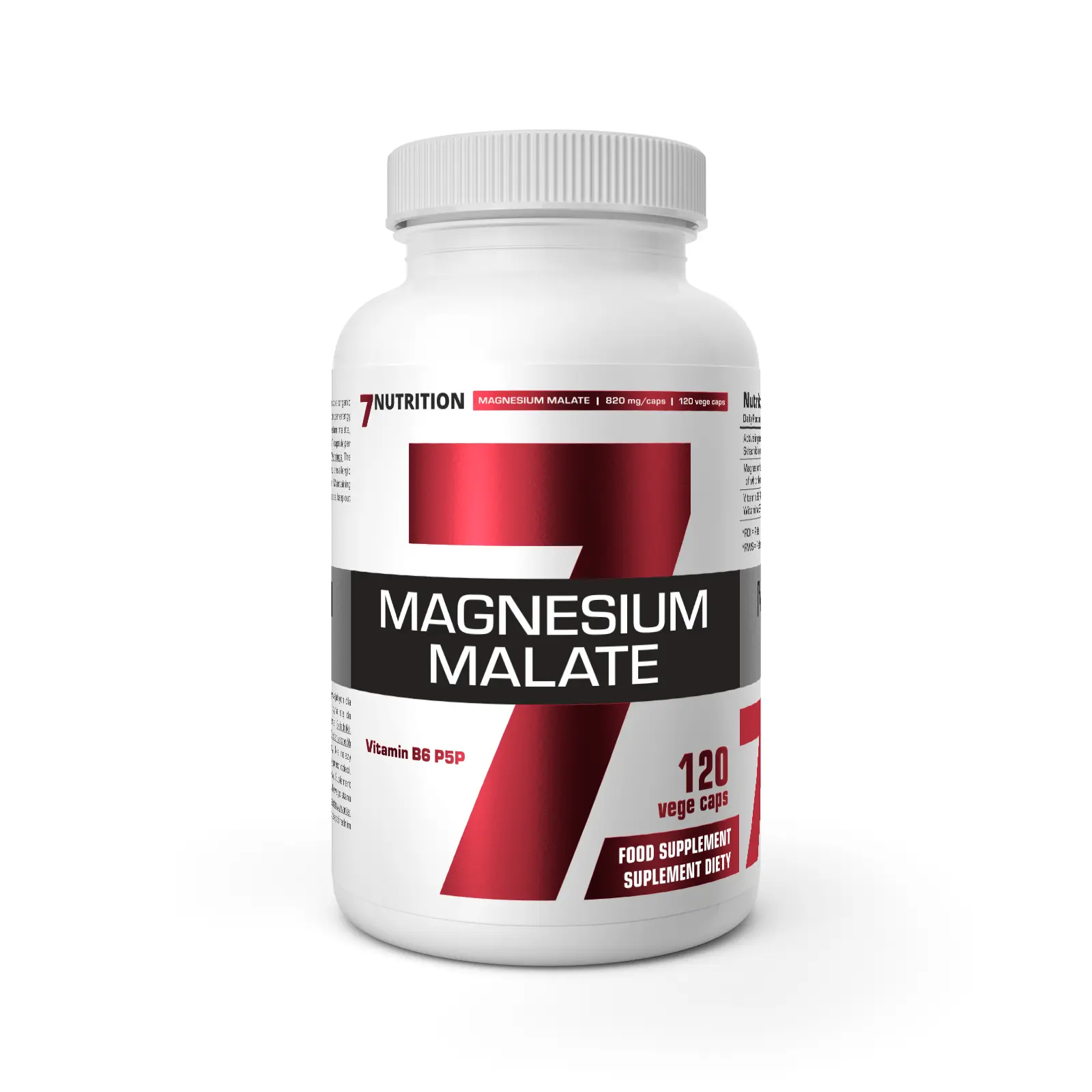
- Magnesium:
- Primary Benefit: Supports muscle function, nervous system, reduces stress, and improves sleep.
- Dosage: 200-400 mg.
- Timing: Evening, before sleep.
- Vitamin D:
- Primary Benefit: Supports immune system, bone health, mood.
- Dosage: 1000-5000 IU.
- Timing: Daily, with fat-containing food.
- Ashwagandha:
- Primary Benefit: Adaptogen, reduces stress, improves sleep and recovery.
- Dosage: 300-600 mg extract.
- Timing: Daily, can be taken in the evening.
- L-Theanine:
- Primary Benefit: Improves focus, relaxation, reduces anxiety without causing drowsiness.
- Dosage: 100-200 mg.
- Timing: When focus or relaxation is needed, can be taken with caffeine.
- L-Carnitine:
- Primary Benefit: Supports fat metabolism and recovery.
- Dosage: 1-3 g.
- Timing: Pre-workout or with food.
- Multivitamins:
- Primary Benefit: Provides essential vitamins and minerals, fills nutritional gaps.
- Dosage: As per product instructions.
- Timing: Daily, with food.
- Alpha-GPC:
- Primary Benefit: Enhances cognitive functions, memory, and focus.
- Dosage: 300-600 mg.
- Timing: Pre-workout or when a cognitive boost is needed.
- Vitamin B Complex:
- Primary Benefit: Supports energy metabolism, nervous system, reduces fatigue.
- Dosage: As per product instructions.
- Timing: Daily, with food.
- Tyrosine:
- Primary Benefit: Improves focus, mood, and cognitive functions under stress.
- Dosage: 500-1500 mg.
- Timing: Pre-workout or when a cognitive boost is needed.
Recommended products

Frequently asked questions
What are the most important supplements for athletes with busy work schedules and night shifts?
For athletes with busy work schedules and night shifts, the most important supplements usually include those that support energy, recovery, and sleep. These may include adaptogens, complex vitamins and minerals, as well as supplements to improve sleep quality.
How many types of supplements for athletes with busy work schedules and night shifts exist?
The types of supplements are diverse and can be categorized by their primary function. The main categories include energy boosters, recovery aids, adaptogens for stress management, and sleep-enhancing supplements.
How can supplements help with sleep problems related to night shifts?
Supplements such as melatonin, magnesium, and herbs like valerian can help regulate the circadian rhythm and improve sleep quality. This is especially important for disrupted sleep due to night shifts.
Which supplements are suitable for maintaining energy levels in athletes with long working hours?
For maintaining energy levels, supplements like caffeine (in moderate doses), B vitamins, creatine, and complex energy formulas are suitable. They help combat fatigue and increase endurance.
Are there specific supplements that aid in recovery for shift-working athletes?
Yes, supplements such as protein powder, amino acids (BCAAs), glutamine, and omega-3 fatty acids are extremely beneficial for accelerating muscle recovery. They support the body's repair processes after training and physical exertion.