Supplements for teenagers and young athletes (16-25)

Supplementation for Teenagers and Young Athletes (16-25) — A Comprehensive Guide to Types, Benefits, Dosages, and Expert Recommendations. Everything in One Place from SportZone.
Safe Supplement Use for Teenagers and Young Athletes (Ages 16-25)
What is Safe Supplement Use for Young Athletes and Why is it Important for Athletes?
Safe supplement use for young athletes involves a carefully selected and controlled approach to dietary supplements, aiming to support the physical development, athletic performance, and overall health of adolescents and young adults between the ages of 16 and 25, without compromising their health. During this critical period of growth and intense training, the body has specific needs that often cannot be fully met through diet alone. Supplements, when chosen and taken correctly, can act as a powerful tool to optimize recovery, increase strength and endurance, and prevent deficiencies that could compromise both athletic form and long-term health.
🔬 From SportZone's Experience
In our work with over 50,000 clients, we see that young athletes are often pressured to achieve results, which can lead to indiscriminate supplement use. A common mistake is attempting rapid muscle growth with products unsuitable or unsafe for their age group, without emphasizing basic nutrients. We observe that when an informed approach is applied and basic supplements like vitamins, minerals, and protein are chosen, the results are more sustainable and healthy.
For the young athlete, who often undergoes significant physical stress, an adequate nutritional regimen is fundamental. However, high activity levels, rapid metabolism, and the specific demands of some sports can create gaps in essential nutrient intake. This is where supplements come into play, offering a concentrated source of vitamins, minerals, proteins, and other bioactive compounds that support energy metabolism, muscle growth and recovery, and immune function. It is crucial, however, to approach this with awareness and caution to avoid potential risks and ensure that the benefits outweigh any possible side effects, especially concerning a developing organism.
What Types of Safe Supplement Use for Young Athletes Exist and How Do We Differentiate Them?
The world of dietary supplements is vast and varied, but for young athletes, it's crucial to focus on those that are proven safe and effective for their age group. We can classify them into several main categories:
📚 Scientific Sources
- Branum et al., 2011 - "Trends in dietary supplement use among US adolescents and young adults" (Journal of Adolescent Health, DOI: 10.1016/j.jadohealth.2010.07.018)
- Lukaski, H. C. (2004) - "Vitamin and mineral status: effects on physical performance." (Nutrition, Vol. 20, Issue 7-8, Pages 632-644, DOI: 10.1016/j.nut.2004.04.001)
- American Academy of Pediatrics (2016) - "Adolescent substance use and abuse: current issues." (Pediatrics, Vol. 138, Issue 1, DOI: 10.1542/peds.2016-1736)
- Kreider et al., 2017 - "International Society of Sports Nutrition position stand: safety and efficacy of creatine supplementation in exercise, sport, and medicine." (Journal of the International Society of Sports Nutrition, DOI: 10.1186/s12970-017-0173-z)
- Essential Nutrients: These are supplements that compensate for vitamin and mineral deficiencies, often found in intensely active individuals. They are fundamental for overall health and optimal bodily function.
- Vitamin D — Vital for bone health, immune function, and muscle strength.
- Magnesium — Involved in over 300 biochemical reactions, including muscle function, energy metabolism, and fatigue reduction.
- Zinc — Important for the immune system, recovery, and hormonal balance.
- Iron — Key for oxygen transport in the blood and energy metabolism, especially important for young female athletes.
- Vitamin C — A powerful antioxidant, supports the immune system and collagen synthesis.
- Multivitamins — A convenient way to ensure a broad spectrum of vitamins and minerals when the diet is incomplete.
- Omega-3 — Essential fatty acids that support heart and brain health and have anti-inflammatory properties.
- Supplements for Muscle Growth and Recovery: These products aim to support muscle synthesis, reduce muscle damage, and accelerate post-workout recovery.
- Whey Protein — A high-quality protein source, rich in essential amino acids, key for muscle growth and recovery.
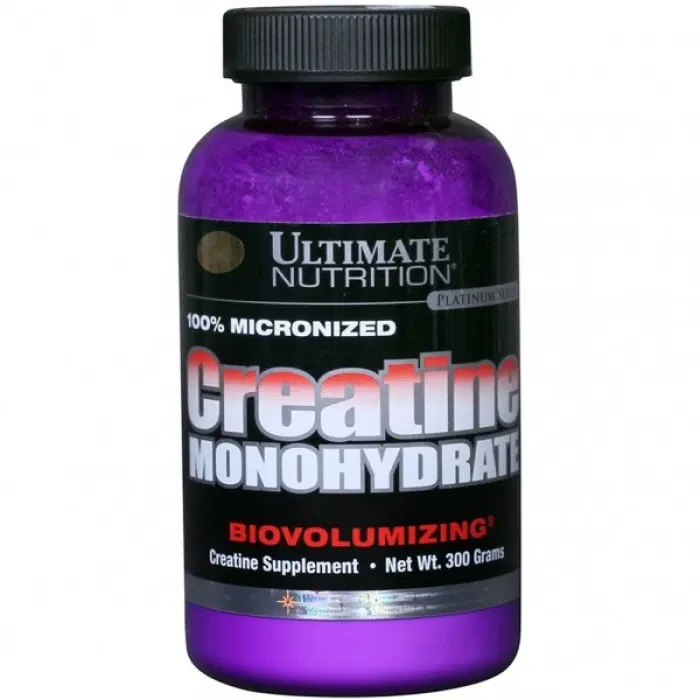
- Creatine — One of the most researched and proven effective supplements for increasing strength, power, and muscle mass.
- Mass Gainer — A caloric supplement designed to help athletes with fast metabolisms gain weight and muscle mass.
- Protein Bar — A convenient source of protein and energy for quick recovery or as a meal replacement.
- Supplements for Digestion and Immune System: Support gut health and the body's defenses, which is particularly important under high loads.
- Probiotics — Beneficial bacteria that maintain a healthy gut flora, improve digestion, and immune function.
How to Choose the Right Safe Supplement Regimen for Young Athletes' Goals?
Selecting the right supplements depends entirely on the young athlete's individual goals, their dietary habits, the type of sport they practice, and any existing deficiencies. Always start with an assessment of the dietary intake – supplements are a complement, not a substitute for a balanced diet. Consultation with a doctor or a qualified dietitian is essential to avoid adverse reactions and ensure safety.
- For Muscle Growth and Strength: If the goal is to increase muscle mass and strength, after optimizing protein intake, Whey Protein and Creatine are the most well-researched and effective options. For those who struggle with calorie intake, Mass Gainer can be beneficial.
- For Endurance and Energy: For sports requiring high endurance, adequate intake of Iron (especially for girls), Magnesium, and Vitamin D is key for energy metabolism and fatigue prevention.
- For Recovery and Reducing Muscle Soreness: Whey Protein is excellent for rapid post-workout recovery. Magnesium can aid muscle relaxation and reduce cramps. Omega-3 fatty acids have anti-inflammatory properties that can speed up recovery.
- For Overall Health and Immune Support: In young athletes undergoing intense stress, the immune system can be compromised. Multivitamins, Vitamin C, Zinc, and Vitamin D can provide necessary support. Probiotics also contribute to gut health and immune function.
- For Beginner Athletes: For those just starting out, the focus should be on essential nutrients and ensuring adequate protein intake. Whey Protein is a good start, and Multivitamins can fill potential dietary gaps.
How and When to Take Supplements for Young Athletes for Maximum Results?
Proper timing and dosage are as important as the supplement choice itself. Always follow the manufacturer's recommendations and consult with an expert. Here are some general principles:
- Pre-Workout: The goal is to provide energy and prepare the body for the load.
- For quick energy, especially during longer or more intense workouts, a small Protein Bar or a carbohydrate drink can be consumed.
- Creatine can be taken at any time of day, but some prefer to take it before training for an immediate strength effect.
- Post-Workout: This is the "anabolic window" when the body is most receptive to nutrients for recovery and growth.
- Whey Protein is ideal immediately after training to support muscle synthesis and recovery. Combining it with fast carbohydrates (e.g., from Mass Gainer or fruit) can speed up the process.
- Creatine can also be taken post-workout, along with protein, for optimal absorption.
- Daily (Regardless of Training): Some supplements require consistent intake for accumulation in the body or to maintain daily functions.
- Vitamin D, Magnesium, Zinc, Iron, Multivitamins, and Omega-3 fatty acids are taken daily, often with meals, for better absorption.
- Probiotics are also taken daily, usually in the morning on an empty stomach or with the first meal, to maintain a healthy gut flora.
- Vitamin C can be taken daily, divided into several doses throughout the day.
What Combinations (Stacks) of Safe Supplements for Young Athletes Work Best?
Combining supplements (so-called "stacks") can lead to synergistic effects that enhance benefits. Here are a few proven effective and safe combinations for young athletes:
- Muscle Growth and Strength Stack: Whey Protein + Creatine. This combination is the gold standard for increasing muscle mass and strength, with protein providing the building blocks and creatine improving energy production during training.
- General Health and Recovery Stack: Multivitamins + Omega-3 + Vitamin D. This trio provides a broad spectrum of essential nutrients, supports immune function, reduces inflammation, and maintains bone and brain health.
- Energy and Fatigue Reduction Stack: Magnesium + Iron (if deficient, especially in girls) + Vitamin C. Magnesium is key for energy metabolism, iron for oxygen transport, and vitamin C improves iron absorption.
- Digestion and Immunity Stack: Probiotics + Zinc. Probiotics maintain a healthy gut flora, which is the foundation of a strong immune system, and zinc further boosts the body's defenses.
What are the Most Common Mistakes Made When Taking Supplements for Young Athletes?
Despite potential benefits, supplement use can be ineffective or even dangerous if approached without the necessary informed
Recommended products

Frequently asked questions
What are the most important aspects for the safe intake of supplements for young athletes (16-25)?
The most important aspects include consulting with a doctor or dietitian, choosing high-quality products from reputable manufacturers, and adhering to recommended dosages. It is important to avoid supplements with unproven effectiveness or potentially harmful ingredients.
How many types of safe supplement intake for young athletes exist?
There isn't a fixed number of 'types' of safe intake, but rather principles for safe intake. These include individual planning according to the athlete's needs, goals, and health status, as well as regular monitoring of the effects.
What are the main benefits of taking supplements for young athletes?
Supplements can aid in recovery, increase energy levels, and provide essential nutrients that may not be sufficiently obtained from the daily diet. They can also support muscle growth and overall athletic performance.
When is the most appropriate time for young athletes to take supplements?
The timing of intake depends on the type of supplement and its goals. For example, protein supplements are often taken after training for muscle recovery, while creatine can be taken before or after training. Always follow the specific product instructions.
What are the potential risks of improper supplement intake in young athletes?
Improper intake can lead to unwanted side effects such as gastrointestinal problems, hormonal imbalances, or strain on the liver and kidneys. There is also a risk of ingesting banned substances, which can lead to disqualification.