Supplements for Hormonal Balance in Athletes
Supplements for hormonal balance — complete guide from SportZone.
Injury Recovery Supplements: A Complete Guide from SportZone
What are supplements for accelerated recovery after sports injuries and why are they important for athletes?
Supplements for accelerated recovery after sports injuries are specialized nutritional products designed to support the body in the process of healing damaged tissues, reducing inflammation, and restoring full functionality after trauma. They play a key role for athletes as they help them return to training faster and stronger, minimizing time out of play and preventing chronicity of the condition.
🔬 From SportZone's Experience
In our work with over 50,000 clients, we see that the biggest mistake after an injury is underestimating the role of adequate nutritional intake. A common mistake is to rely only on pain medication without supporting the body with the necessary building blocks for true recovery. Our observations show that a combination of hydrolyzed collagen, vitamin C, and Omega-3 fatty acids is extremely effective in accelerating the healing of connective tissue and reducing inflammation.
At the core of their action lies the support of the body's natural recovery processes. Sports injuries often lead to damage to muscles, tendons, ligaments, joints, and bones, which requires increased intake of certain nutrients for optimal recovery. These supplements provide concentrated doses of micro- and macronutrients that are essential for the synthesis of new tissues, strengthening the immune response, and reducing oxidative stress, thus accelerating the healing process.
Their importance for athletes is immense, as any injury can lead to a loss of form, motivation, and even the end of a career. Properly selected supplements, as part of a comprehensive recovery plan including physiotherapy, adequate rest, and balanced nutrition, can significantly shorten the recovery period and support higher-quality healing, reducing the risk of re-injury.
What types of supplements for accelerated recovery after sports injuries exist and how do we distinguish them?
Injury recovery supplements can be classified according to their primary mechanism of action and purpose. We distinguish several main categories that often overlap in their benefits:
📚 Scientific Sources
- Clark, K. L., et al. (2008). 24-Week study on the use of collagen hydrolysate as a dietary supplement in athletes with activity-related joint pain. Current Medical Research and Opinion, 24(5), 1485-1496. (DOI: 10.1185/030079908x291967)
- DePhillipo, N.N., et al. (2018). Efficacy of Vitamin C Supplementation on Collagen Synthesis and Oxidative Stress Following Anterior Cruciate Ligament Reconstruction: A Systematic Review. Arthroscopy: The Journal of Arthroscopic & Related Surgery, 34(10), 2840-2851. (DOI: 10.1016/j.arthro.2018.06.012)
- Calder, P. C. (2017). Omega-3 fatty acids and inflammatory processes: from molecules to man. Biochemical Society Transactions, 45(5), 1085-109 omega-3. (PMID: 28916538)
- Ostojic, S. M., et al. (2007). Glucosamine and chondroitin sulfate vs. celecoxib for knee osteoarthritis: a randomized trial. BMC Musculoskeletal Disorders, 8, 1. (DOI: 10.1186/1471-2474-8-1)
- For structural support and tissue regeneration: These supplements provide building blocks for the repair of damaged muscles, tendons, ligaments, cartilage, and bones. Collagen is a primary protein involved in building connective tissue, and Proline is one of the main amino acids needed for its synthesis. Glucosamine is a key component of cartilage and aids in its regeneration.
- For reducing inflammation and pain: Inflammation is the body's natural response to injury, but chronic or excessive inflammation can delay recovery. Supplements like Omega-3 fatty acids and Turmeric are known for their potent anti-inflammatory properties.
- For supporting immune function and antioxidant protection: Injuries can strain the immune system and increase oxidative stress. Vitamin C is a powerful antioxidant and is important for collagen synthesis, while L-Glutamine supports immune function and gut barrier integrity. Vitamin D and Zinc also play significant roles in immune response and healing.
- For general recovery and energy: Some supplements support the body's overall recovery and energy metabolism, indirectly contributing to faster recovery from injuries.
How to choose the right supplements for accelerated recovery after sports injuries for our goals?
Choosing the right supplements depends on the type and severity of the injury, individual needs, and specific goals. It is always recommended to consult with a doctor or sports dietitian.
- For connective tissue recovery (tendons, ligaments, cartilage): Collagen, Proline, Glucosamine. They provide the essential building blocks for the regeneration of these tissues.
- For reducing inflammation and pain: Omega-3, Turmeric. These supplements can help alleviate discomfort and speed up recovery processes by modulating the inflammatory response.
- For immune system support and overall healing: Vitamin C, Vitamin D, Zinc, L-Glutamine. These micronutrients are critical for immune function, antioxidant protection, and various enzymatic processes involved in healing.
- For muscle recovery after tears or sprains: L-Glutamine, which supports muscle tissue repair and reduces muscle fatigue.
- For beginners and general prevention: A good starting point is a combination of Omega-3 for general health and anti-inflammatory effects, along with Vitamin D and Vitamin C for immune support and collagen synthesis.
How and when to take supplements for accelerated recovery after sports injuries for maximum results?
Proper dosing and timing are essential for the maximum effectiveness of supplements. General principles include:
- Consistency: Unlike energy or strength supplements, recovery supplements require longer-term intake, often for weeks or months, to show their full effect.
- With or without food: Some supplements, such as fat-soluble vitamins (Vitamin D) and Omega-3, are better absorbed when taken with a meal containing fat. Others, such as Collagen and Glucosamine, can be taken on an empty stomach or between meals. L-Glutamine is often recommended post-workout or before bed.
- Dosage: Always follow the manufacturer's recommendations or the guidance of your medical professional. Higher doses do not always mean better results and can lead to unwanted side effects.
- Before exercise: Typically, specific injury recovery supplements are not taken before exercise, as the focus then is on energy and performance. However, if you are training with a mild injury, some anti-inflammatory supplements like Turmeric may be taken to reduce discomfort.
- After exercise: L-Glutamine is excellent for muscle recovery and immune system support after physical exertion. Collagen can be taken after exercise to support connective tissue.
- Every day: Most injury recovery supplements, such as Vitamin C, Vitamin D, Zinc, Omega-3, Glucosamine, Proline, and Turmeric, are taken daily to ensure a steady supply of active ingredients and maintain a continuous healing process. Splitting the daily dose into several administrations can improve absorption.
What combinations (stacks) of supplements for accelerated recovery after sports injuries work best?
The synergistic action of different supplements can significantly enhance recovery results. Here are some effective combinations:
- For general joint and cartilage support: Glucosamine + Collagen + Vitamin C. Glucosamine supports cartilage health, collagen provides structural elements, and vitamin C is a cofactor for collagen synthesis.
- For reducing inflammation and pain: Omega-3 + Turmeric. These two supplements have powerful anti-inflammatory effects, aiding in pain relief and accelerating recovery.
- For muscle and immune recovery: L-Glutamine + Vitamin D + Zinc. Glutamine supports muscle regeneration and immune function, while Vitamin D and Zinc are critical for immunity and healing processes.
- For comprehensive connective tissue recovery: Collagen + Proline + Vitamin C + Zinc. This combination provides all the necessary building blocks and cofactors for optimal collagen synthesis and repair of damaged tissues.
What are the most common mistakes made when taking supplements for accelerated recovery from sports injuries?
- ❌ Expecting immediate results: Recovery supplements are not a magic pill. They work gradually and require time to build up their effect. Patience and consistency are key.
- ❌ Neglecting basic recovery principles: No supplement can compensate for a lack of adequate rest, balanced nutrition, and proper physiotherapy. Supplements are an addition, not a replacement.
- ❌ Self-treatment without consultation: Taking supplements without prior consultation with a doctor or qualified professional can lead to incorrect choices, ineffective doses, or even unwanted interactions with other medications.
- ❌ Incorrect dosing or timing: Taking too low or too high doses, as well as the wrong timing of intake, can reduce the supplement's effectiveness or cause side effects. Always follow the instructions.
- ❌ Taking too many supplements at once: "More is better" doesn't always apply to supplements. Too many different supplements can burden the digestive system and lead to unwanted interactions. Focus on a few key ones that are most relevant to your injury.
- ❌ Choosing low-quality products: The market is flooded with supplements. Choose products from reputable manufacturers that have quality certifications and transparency regarding ingredients.
What should we know in brief about supplements for accelerated recovery from sports injuries?
| Supplement | Main Benefit | Recommended Dosage (Approximate) | Recommended Timing | Detailed Guide |
|---|---|---|---|---|
| Proline | Building block for collagen, supports connective tissue synthesis. | 1-3 g daily | Between meals or with collagen | Learn more |
| Collagen | Supports joint, tendon, skin, and bone health. | 10-20 g daily | On an empty stomach or after exercise | Learn more |
| L-Glutamine | Muscle recovery, immune support, gut barrier integrity. | 5-15 g daily | After exercise, before bed | Learn more |
| Vitamin D | Bone health, immune function, reduced inflammation. | 1000-4000 IU daily (consult) | With the largest meal of the day | Learn more |
| Zinc | Immune function, wound healing, enzyme processes. | 15-30 mg daily | With food (to avoid stomach discomfort) | Learn more |
| Turmeric | Potent anti-inflammatory and antioxidant effects. | 500-1500 mg curcumin (with piperine for better absorption) | With food | Learn more |
| Omega-3 | Reduced inflammation, cardiovascular health, brain function. | 1-3 g EPA/DHA daily | With food | Learn more |
| Vitamin C | Collagen synthesis, antioxidant, immune support. | 500-2000 mg daily | Split into several doses throughout the day | Learn more |
| Glucosamine | Supports cartilage and joint health. | 1500 mg daily | With food | Learn more |
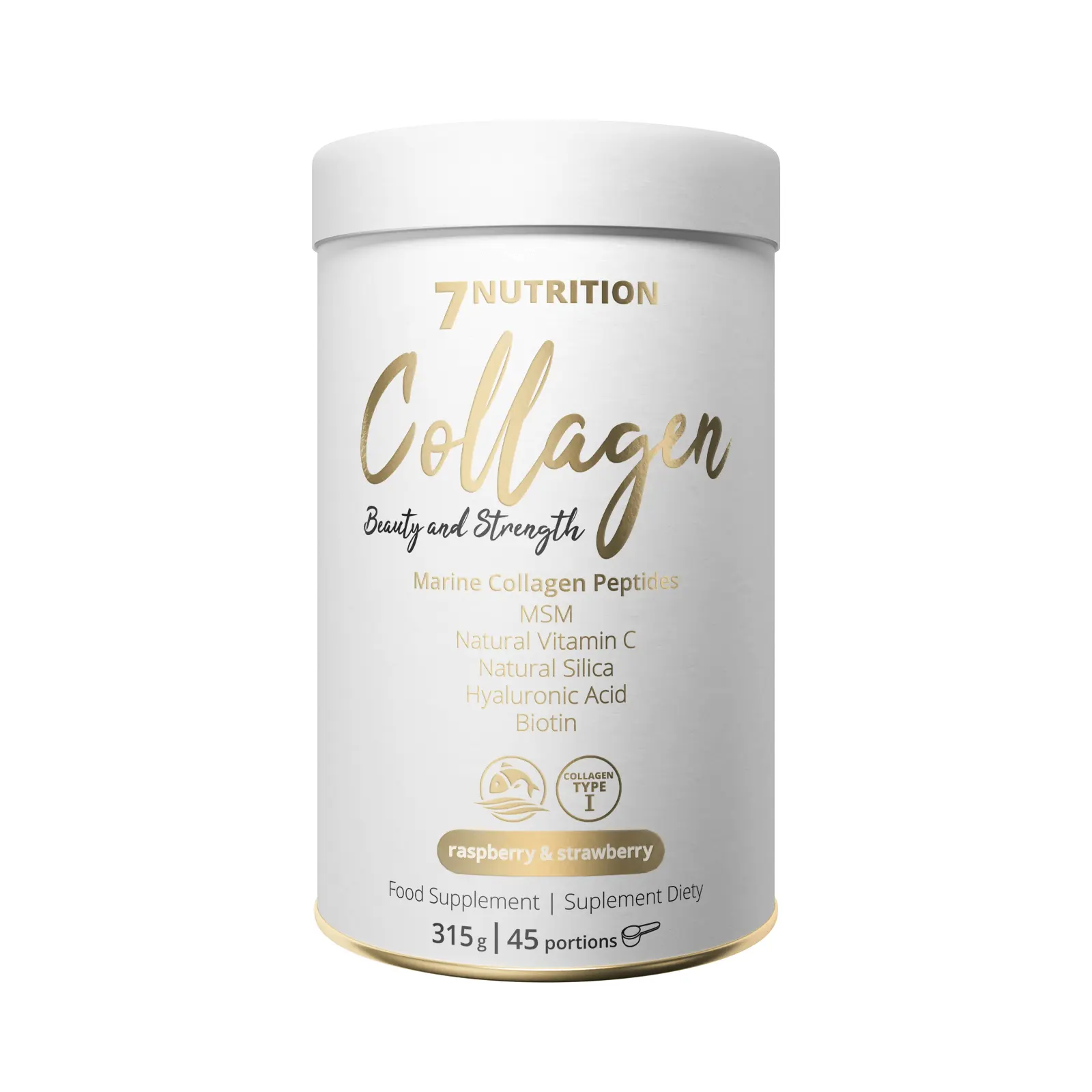
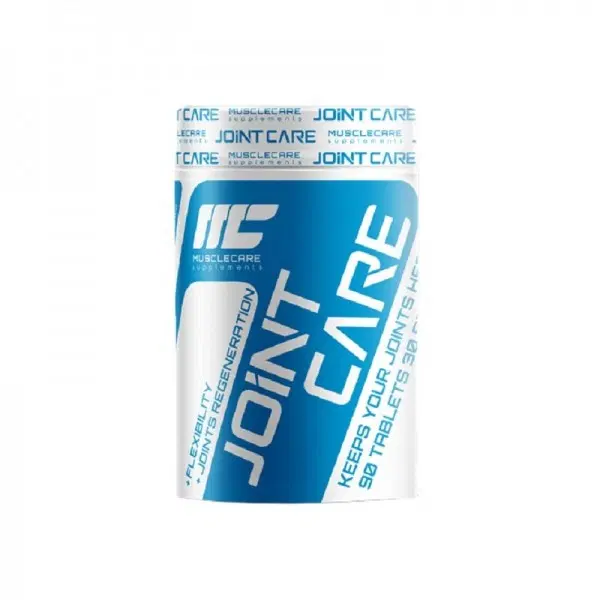
Recommended products
Frequently asked questions
What are the most important supplements for accelerated recovery after sports injury?
The most important supplements for accelerated recovery after sports injury include proteins for muscle repair, amino acids like BCAAs to reduce muscle soreness, and creatine to improve strength and energy. Omega-3 fatty acids are also beneficial due to their anti-inflammatory properties.
How many types of supplements for accelerated recovery after sports injury exist?
There are many types of supplements for accelerated recovery after sports injury, which can be grouped according to their main functions. These include nutritional supplements for protein synthesis, anti-inflammatory agents, supplements for joints and cartilage, as well as energy boosters.
How do supplements for recovery after injury aid the healing process?
Supplements for recovery after injury aid the healing process by providing building blocks for tissues, reducing inflammation and pain, and stimulating cellular metabolism. They can also improve blood circulation in the affected area, speeding up the delivery of oxygen and nutrients.
Are there side effects from taking supplements for recovery after injury?
Taking supplements for recovery after injury is generally safe when recommended dosages are followed. However, some individuals may experience mild side effects such as digestive issues or allergic reactions. It is always advisable to consult with a doctor or dietitian before use.
When is the most appropriate time to take supplements for recovery after injury?
The most appropriate time to take supplements for recovery after injury depends on the specific supplement and its purpose. Proteins and BCAAs are often taken after training or injury to support muscle repair. Joint supplements can be taken throughout the day, and anti-inflammatory agents as needed.