Supplements for female athletes

Supplements for Female Athletes — A Complete Guide to Types, Benefits, Dosages, and Expert Recommendations. Everything in one place from SportZone.
Supplements for Female Athletes: A Comprehensive Guide from SportZone
What are Supplements for Female Athletes and Why are They Important for Athletes?
Supplements for female athletes are specific nutritional products designed to help optimize the physical condition, recovery, and overall health of women who actively engage in sports. They are developed to address the unique physiological needs and challenges faced by women in sports, such as hormonal balance, bone health, iron deficiencies, and specific recovery processes.
🔬 From SportZone's Experience
In our work with over 50,000 clients, we see that many female athletes underestimate the importance of iron and vitamin D, which often leads to fatigue and reduced performance. A common mistake is to rely solely on multivitamins without addressing specific individual deficiencies identified through blood tests.
In sports, where the demands on the body are high and often intense, optimal nutrition is key to achieving peak performance and preventing injuries. Even with a balanced diet, female athletes may experience deficiencies in certain nutrients due to increased energy expenditure, loss of micronutrients through sweat, or specific needs related to the menstrual cycle. Supplements do not replace a complete diet but act as a powerful tool to fill these gaps, improve adaptation to training, and accelerate recovery, ultimately leading to better athletic achievements and a healthier lifestyle.
What Types of Supplements for Female Athletes Exist and How Do We Differentiate Them?
Supplements for female athletes can be categorized according to their primary functions and ingredients. We distinguish several main categories that cover a wide range of needs – from energy and muscle growth to recovery and general health. It is important to understand the differences between them to make an informed choice.
📚 Scientific Sources
- McClung, J.P. (2012). Iron status and the female athlete. Journal of the International Society of Sports Nutrition, 9(1), 38. (DOI: 10.1186/1550-2783-9-38)
- Larson-Meyer, D.E., & Woolf, K. (2010). Vitamin D and athletes. Current Sports Medicine Reports, 9(4), 220-226. (PubMed: 20622533)
- Close, G.L., et al. (2016). Nutrition for the exercising female: What is different? Journal of Sports Sciences, 34(16), 1475-1481. (DOI: 10.1080/02640414.2016.1189351)
- Thomas, D.T., et al. (2016). Position of the Academy of Nutrition and Dietetics, Dietitians of Canada, and the American College of Sports Medicine: Nutrition and Athletic Performance. Journal of the Academy of Nutrition and Dietetics, 116(3), 501-528. (DOI: 10.1016/j.jand.2015.12.006)
- Vitamins and Minerals: These are essential micronutrients, vital for thousands of biochemical processes in the body, including energy metabolism, bone health, and immune function. For female athletes, Iron is particularly important for preventing anemia, Vitamin D for bone health and immunity, Magnesium for muscle function and recovery, and Zinc for the immune system and hormonal balance. Vitamin C is a powerful antioxidant that supports immune function and recovery.
- Supplements for Energy and Metabolism: These supplements aim to improve energy production and fat metabolism. L-Carnitine is a popular example that can aid in transporting fatty acids to the mitochondria for energy production, which can be beneficial for endurance and weight management.
- Supplements for Recovery and Joint Health: Intense training puts a strain on muscles and joints. Collagen is a key protein that builds connective tissue and can support the health of joints, tendons, skin, and hair, which is especially important for female athletes.
- Supplements for Digestion and Immunity: A healthy gastrointestinal tract is the foundation for good nutrient absorption and strong immunity. Probiotics are live microorganisms that can support the balance of gut flora, improving digestion and immune defense.
- Supplements for General Well-being: This category includes supplements that support overall health and optimize various bodily functions. Omega-3 fatty acids are important for cardiovascular health, reducing inflammation, and brain function. Melatonin can aid in regulating sleep, which is essential for recovery.
How to Choose the Right Supplements for Female Athletes for Our Goals?
The choice of the right supplements depends entirely on individual goals, training regimen, dietary habits, and health status. It is important to approach this with informed decisions and consider the specific needs of the female body.
- For Muscle Growth and Recovery: Protein supplements (whey, casein, plant-based) are fundamental. Although not included in the list for detailed articles, they are a core component. Combine them with Collagen to support connective tissue and joints, which is crucial for strength training.
- For Endurance and Energy: L-Carnitine can support fat metabolism and increase energy production during prolonged exertion. Supplements like Magnesium are important for muscle function and preventing cramps.
- For Recovery and Inflammation Reduction: Omega-3 fatty acids are known for their anti-inflammatory properties, which can accelerate recovery after intense workouts. Vitamin C also plays a role in tissue repair and immune function. Sufficient Melatonin is very important for quality sleep, which is a primary factor for recovery.
- For Weight Management and Metabolism: L-Carnitine, in combination with a suitable diet and training, can support fat-burning processes.
- For Beginner Athletes: Start with basic supplements for general health that are often lacking in the diet. These include Vitamin D, Magnesium, and Omega-3. Also, pay attention to Iron if there is a risk of deficiency, especially with heavy menstruation.
How and When to Take Supplements for Female Athletes for Maximum Results?
Proper dosage and timing of supplement intake are just as important as choosing them. To achieve maximum results and avoid side effects, it is important to follow general principles and recommendations.
- Before Training: Supplements aimed at increasing energy, focus, or aiding fat burning are usually taken before training. For example, L-Carnitine can be taken 30-60 minutes before physical activity to support the utilization of fatty acids for energy.
- After Training: The post-training period is critical for recovery and muscle growth. Protein supplements (not listed but important) are a core component. Magnesium can help relax muscles and reduce cramps, taken after training or before bed. Collagen, taken after training, can support connective tissue recovery.
- Every Day (Regardless of Training): Some supplements have a cumulative effect and require consistent intake to show their benefits. These include Vitamin D, Iron, Omega-3, Probiotics, and Zinc. They support general health, the immune system, and hormonal balance, regardless of training days. Melatonin is taken before bed to improve sleep quality.
What Combinations (Stacks) of Supplements for Female Athletes Work Best?
Combining supplements synergistically can enhance their individual benefits and lead to better results. Here are some effective combinations tailored to the needs of female athletes:
- For General Health and Immunity: Vitamin D + Omega-3 + Probiotics. This combination supports a strong immune system, reduces inflammation, and optimizes digestion, which is crucial for active individuals.
- For Bone Health and Energy: Magnesium + Vitamin D + Iron. Magnesium and Vitamin D are key for bone density, while iron is vital for energy metabolism and preventing fatigue, especially in women.
- For Recovery and Joint Health: Protein (whey/plant-based) + Collagen + Vitamin C. Protein provides building blocks for muscles, collagen supports joints and tendons, and Vitamin C is necessary for collagen synthesis and acts as an antioxidant.
- For Metabolism and Weight Management: L-Carnitine + Zinc. L-Carnitine supports fat burning, while zinc plays a role in hormonal balance and metabolism, which can be beneficial for weight management.
What Are the Most Common Mistakes Made When Taking Supplements for Female Athletes?
- ❌ Taking supplements without real need or deficiency: One of the most common mistakes is indiscriminate supplement intake without a proven deficiency or specific goal. This is not only ineffective but can also be financially wasteful. It is always recommended to consult a specialist and, if necessary, get blood tests done.
- ❌ Incorrect dosage and timing: Not adhering to recommended dosages or taking supplements at the wrong time can reduce their effectiveness or lead to side effects. For example, taking Melatonin during the day can cause drowsiness.
- ❌ Ignoring product quality: Choosing cheap or unverified brands can lead to taking ineffective products or those with contaminants. Always look for products from reputable manufacturers with good manufacturing practices.
- ❌ Expecting miraculous results without lifestyle changes: Supplements are only a supplement to a healthy diet, adequate sleep, and regular training. They cannot compensate for bad habits and will not lead to results if not part of a holistic approach.
- ❌ Overlooking interactions with medications: Some supplements can interact with medications you are taking. For example, Omega-3 in high doses can affect blood clotting if taken with anticoagulants. Always inform your doctor about all supplements you are taking.
What Should We Know Briefly About Supplements for Female Athletes?
| Supplement | Main Benefit | Recommended Timing | Dosage (approximate) |
|---|---|---|---|
| Probiotics | Improves digestion and immunity | Every day, with or before meals | Billions of CFUs (per product) |
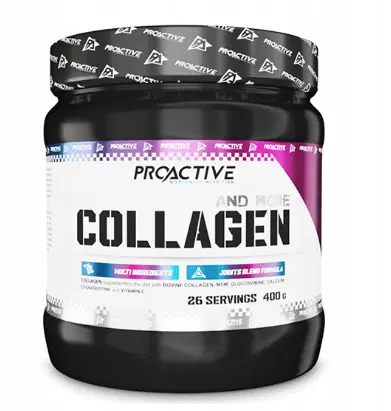
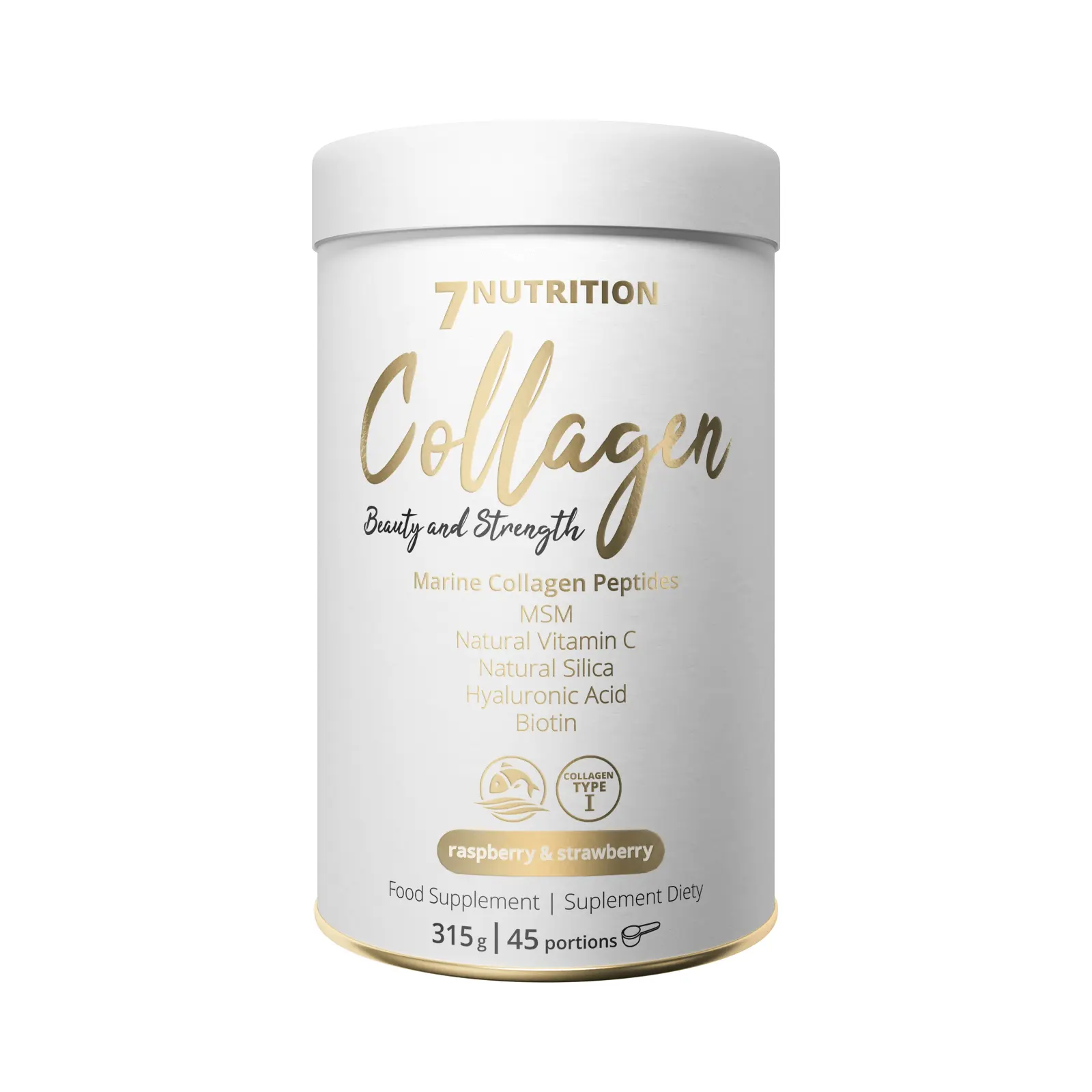
| Collagen | Health of joints, skin, hair, nails | Every day, anytime | 5-15 g |
| L-Carnitine | Supports fat burning, energy | Before training | 500-2000 mg |
| Iron | Prevents anemia, fatigue, supports energy | Every day, with food (away from calcium) | 18-27 mg (as needed) |
| Vitamin D | Bone health, immunity, mood | Every day, with fats | 2000-5000 IU (as needed) |
| Magnesium | Muscle function, recovery, sleep | Every day, after training or before sleep | 200-400 mg |
| Zinc | Immunity, hormonal balance, recovery | Every day, with food | 10-25 mg |
| Omega-3 | Anti-inflammatory, heart health, brain function | Every day, with food | 1000-3000 mg total EPA/DHA |
| Melatonin | Sleep regulation | Before bed | 0.5-5 mg |
| Vitamin C | Antioxidant, immunity, collagen synthesis | Every day, anytime | 500-1000 mg |
Recommended products
Frequently asked questions
What are the most important supplements for female athletes?
The most important supplements for female athletes often include protein for muscle recovery, creatine for improved strength and power, and multivitamins to cover essential nutritional needs. Supplements like iron and calcium are also important, especially with specific diets or an increased risk of deficiency.
How many types of supplements for female athletes exist?
The types of supplements for female athletes are numerous and can be categorized by their function. The main categories include proteins, amino acids, energy boosters, recovery aids, vitamins and minerals, as well as specialized supplements for bone health and hormonal balance.
How can supplements help female athletes?
Supplements can help female athletes by supporting muscle recovery, increasing energy levels, improving strength and endurance, and filling potential nutritional gaps. They can contribute to faster recovery between workouts and overall enhancement of athletic performance.
Are there specific supplements recommended for female athletes?
Yes, there are specific supplements that can be particularly beneficial for female athletes. This includes supplements that support bone health like calcium and vitamin D, as well as those that address potential iron deficiency, which is common in women. Protein supplements are also important for muscle recovery and growth.
When is the best time to take supplements for female athletes?
The best time to take supplements for female athletes depends on the specific supplement and its goals. Proteins are often taken post-workout for recovery, while energy supplements can be beneficial pre-workout. Vitamins and minerals are usually taken with meals to improve absorption.