EAA vs. BCAA: The Complete Guide to Essential Amino Acids — When, How, and Why
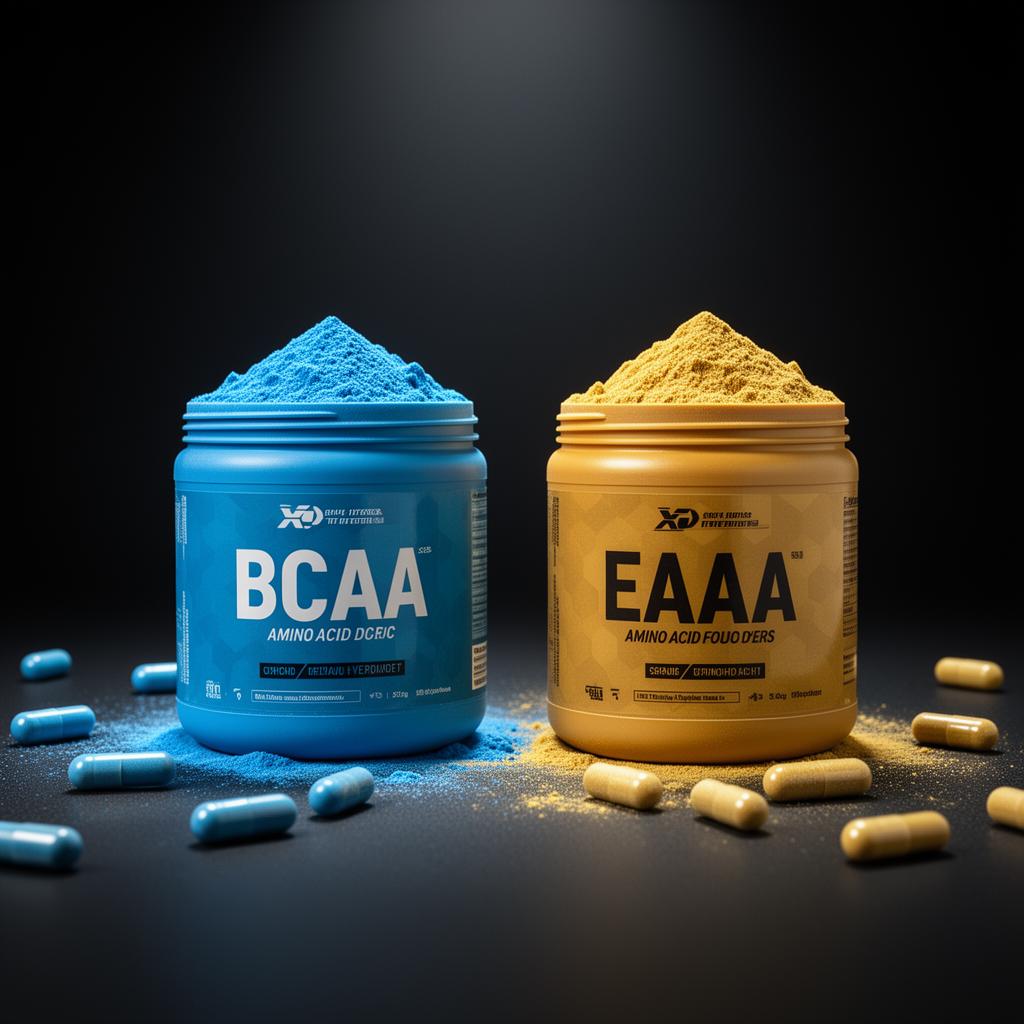
<p>EAAs are better than BCAAs because they contain all 9 essential amino acids needed for optimal muscle growth and recovery. Take them before, during, or after training for maximum results.</p>
EAA vs. BCAA: The Complete Guide to Essential Amino Acids — When, How, and Why
In sports supplements, amino acids hold a central place as the fundamental building blocks of proteins. Among them, essential amino acids (EAA) and branched-chain amino acids (BCAA) are the most popular, but often the most misunderstood. This comprehensive guide will delve deep into the differences, similarities, and optimal intake strategies for EAA and BCAA, as well as their synergy with other key supplements like creatine, glutamine, and whey protein. The goal is to provide beginners and advanced athletes alike with a clear roadmap for selection and application, based on scientific evidence and practical experience.
What are EAA and BCAA?
To fully understand the function of EAA and BCAA, it's important to start from the basics. Proteins are macromolecules built from smaller units called amino acids. The human body uses 20 different amino acids to build proteins, which perform countless functions – from building muscles and tissues to producing enzymes and hormones.
EAA (Essential Amino Acids)
There are 9 essential amino acids: histidine, isoleucine, leucine, lysine, methionine, phenylalanine, threonine, tryptophan, and valine. They are called "essential" because the human body cannot synthesize them on its own and must obtain them through food or supplements. They are absolutely mandatory for protein synthesis to occur and, consequently, for muscle growth and recovery. Without the presence of all 9 EAAs, the body cannot effectively build new proteins, even if other amino acids are abundant.
BCAA (Branched-Chain Amino Acids)
BCAAs are a subset of EAAs and include three amino acids: leucine, isoleucine, and valine. They are called "branched" due to their unique chemical structure. BCAAs are particularly important because, unlike most amino acids, they are metabolized directly in the muscles, not the liver. Leucine is especially key, as it is the primary signaling molecule for initiating muscle protein synthesis (via the mTOR pathway).
Complete Comparative Matrix of EAA, BCAA, Glutamine, Creatine, and Whey Protein
| Characteristic | EAA (Essential Amino Acids) | BCAA (Branched-Chain Amino Acids) | Glutamine (L-Glutamine) | Creatine Monohydrate | Whey Protein |
|---|---|---|---|---|---|
| Classification / Composition | 9 indispensable amino acids | 3 indispensable amino acids (Leucine, Isoleucine, Valine) | 1 conditionally indispensable amino acid | Nitrogen-containing organic acid | Complete protein (all 20 amino acids) |
| Biological Role | Complete substrate for tissue building; direct building component | Signaling of protein synthesis; energy during exertion | Anti-catabolism, immunity, gut integrity | ATP regeneration, energy intermediate | Overall nutrition, anabolism, immune support |
| Key Process | Protein Synthesis (MPS) | Initiation of MPS, energy | Immune function, gut barrier, cell hydration | ATP resynthesis, muscle strength and endurance | Protein synthesis, recovery |
| Anabolic Potential | High (provides complete building material) | Lower (missing other EAAs) | Indirect (via anti-catabolism) | Indirect (by increasing training volume) | High (complete amino acid profile) |
| Impact on Weight | Minimal (lean muscle mass) | Minimal | Minimal | Possible increase (intracellular water) | Depends on total caloric intake |
| Intake Timing | Critical (around workout, on an empty stomach) | Critical (during workout, long cardio) | Post-workout, before bed, during stress | Not critical (requires accumulation) | Post-workout, between meals |
| Taste | Often fruity / refreshing | Often fruity / refreshing | Neutral (tasteless) | Neutral (tasteless) | Various flavors |
| Digestion | Zero (direct absorption) | Zero (direct absorption) | Zero (direct absorption) | Not applicable | Requires breakdown of peptide bonds |
| Peak Blood Time | 15 – 30 minutes | 15 – 30 minutes | 30 – 60 minutes | Not applicable (accumulates) | 60 – 90 minutes |
| Insulin Response | Low (depends on Leucine dose) | Low | Low | Low | Moderate to high |
| Primary Focus | Anabolism (building) | Anti-catabolism, energy | Recovery, immunity | Strength, power, endurance | Muscle growth, recovery, satiety |
| Target Systems | Skeletal musculature | Skeletal musculature | Immune system, gut, muscles | Muscles, nervous system | Whole body |
| Critical Moment | Lack of complete protein, training on an empty stomach | During long cardio, low-calorie diet | During illness, stress, overtraining | During high-intensity training | Insufficient protein intake |
EAA vs. BCAA: In-depth Analysis of Muscle Metabolism
The choice between EAA and BCAA is not just a matter of preference, but of understanding the biological context of protein synthesis. While BCAAs are a specialized tool, EAAs represent complete systemic support for the body.
The "All or Nothing" Principle
To build muscle tissue, a complete "genetic kit" of 9 essential amino acids is required. The process of muscle protein synthesis (MPS) is like a production line. If even one amino acid is missing (e.g., histidine or lysine), the body cannot complete the protein chain, and your efforts in the gym go to waste. EAAs provide everything necessary for this process.
Why BCAAs Are Not Enough for Complete Protein Synthesis?
BCAAs (leucine, isoleucine, and valine) are only three of the nine EAAs. Taking only BCAAs is like having only the car keys but no fuel. Leucine is a powerful signaling molecule that "starts the engine" of protein synthesis, but without the other six essential amino acids that EAAs provide, this process cannot be completed. As a result, the body may be forced to break down its own muscle proteins to obtain the missing EAAs, which is counterproductive to muscle growth.
EAA vs. Glutamine: Muscle Growth vs. Systemic Recovery
Although both supplements are amino acids, their actions unfold in fundamentally different "departments" of the body. While EAAs are the indispensable software for muscle growth, Glutamine is vital for the body's survival under extreme physical stress.
EAA: The Only Real "Builder"
As mentioned earlier, EAAs are the complete set of building blocks required for muscle tissue construction. They directly activate the mTOR pathway, which is a central regulator of cell growth and protein synthesis. Without adequate EAA intake, muscle growth is severely compromised.
Glutamine: The Hidden Hero of Immunity and Gut Integrity
Glutamine is the most abundant amino acid in the blood and muscle tissue, but it's a "currency" the body spends quickly. It is conditionally indispensable, meaning the body can synthesize it, but under stress (heavy training, illness, injury), needs exceed synthesis capacity.
- Immune Shield: Your white blood cells (leukocytes) use glutamine as their primary energy source. After heavy training, glutamine levels drop by up to 50%, creating a "window" for viruses and infections.
- Gut Repair: Glutamine is the primary "fuel" for the cells of the intestinal lining. It maintains a healthy gut barrier, preventing toxins from entering the bloodstream (so-called "leaky gut"), which often occurs with intense exercise.
Synergy: "The Total Recovery Stack"
Combining EAA and Glutamine is not just "adding," but multiplying effects:
- Transport Assistance: Glutamine helps regulate acid-base balance and cell volume. A well-hydrated cell, thanks to glutamine, absorbs EAAs much more effectively.
- Resource Protection: When you take glutamine, the immune system stops "stealing" amino acids from your muscles. This leaves the ingested EAAs entirely available for muscle growth.
- Result: Faster strength recovery, less illness, and steady muscle progress.
EAA vs. Creatine: Building Material vs. Energy Catalyst
Unlike many other supplements, there is no overlap in functions here. EAA and Creatine work in perfect symbiosis – one supplement creates conditions for harder work, and the other provides the resources for recovery from it.
Creatine: The Cellular Energy Revolution
Creatine acts as a "quick battery" for muscles. During intense effort, the body breaks down ATP (adenosine triphosphate) to ADP (adenosine diphosphate) to release energy. Creatine (in the form of phosphocreatine) instantly donates a phosphate group, converting ADP back to ATP. This allows you to train with an intensity the body otherwise couldn't sustain for more than a few seconds.
EAA: The Complete Genetic Code for Growth
As we've emphasized, EAAs are vital for muscle building. They are particularly important for people who train in the morning without food, as they stop catabolic processes instantly and provide the necessary building blocks for recovery and growth.
Synergy: "The Performance & Recovery Stack"
Combining Creatine and EAA creates a closed loop of progress:
- Creatine increases training volume (more sets, more weight). This creates a stronger stimulus for growth and more "micro-tears" in muscle fibers.
- EAAs immediately enter the bloodstream and begin to "patch up" these tears, turning them into stronger and larger muscle tissue.
- Cellular Hydration: Creatine draws water into the cells, which improves osmotic pressure and facilitates the transport of amino acids (EAAs) to the site of need.
EAA vs. Whey Protein: Direct Speed vs. Complete Nutrition
The difference between EAA and whey protein is not just in the number of amino acids, but in kinetics – the speed at which the body recognizes and utilizes these substances. While whey needs to be "unpacked" by stomach enzymes, EAAs are in a state of full readiness and enter the bloodstream almost instantly.
Whey Protein: The Anabolic Explosion
Whey is known as the "king" of proteins due to its high leucine content and rapid absorption compared to food (meat, eggs). It contains all 20 amino acids, as well as bioactive fractions like immunoglobulins and lactoferrin, which support the immune system. Due to the need for digestion, it triggers satiety hormones, making it ideal for suppressing hunger and as a meal replacement.
EAA: The Pure Metabolic Trigger
EAAs contain only the 9 amino acids that the body cannot synthesize. They are the "critical mass" for muscle protein synthesis. Since they do not contain non-essential amino acids (which the body can make itself), EAAs offer higher efficiency per unit weight – 10g of EAA often stimulates synthesis as strongly as 25g of protein. This makes them an ideal choice for intra-workout intake, as they do not divert blood flow from the muscles to the stomach during heavy sets.
Strategic Combination: "The 24/7 Anabolic Loop"
For professional results, use both supplements according to their unique time profiles:
- During Workout (EAA): Drink EAAs to keep blood amino acid levels high and stop muscle breakdown (catabolism) the moment it occurs.
- Post-Workout (Whey): Consume protein to give the body the "complete package" for long-term recovery over the next few hours.
- Between Meals: If your meals are low in protein, add 5–10g of EAA to "spike" protein synthesis without adding extra calories.
EAA and BCAA for Weight Loss: Energy Signal vs. Complete Recovery
When we are in a "cutting" phase (fat loss), our body is in a catabolic state – it actively seeks energy and often finds it by breaking down its own muscle proteins. Here, amino acids play the role of "rescuers," but their capacity varies significantly.
The Construction Site Metaphor
Imagine muscle growth as building a house. BCAAs are just three specialized workers (leucine is their foreman). They can come to the site and shout "Start work!", but they don't bring materials. EAAs are the entire crew plus all the necessary bricks, cement, and wood. If you only take BCAAs during a diet, the body receives the signal to build, but since it lacks the other 6 amino acids (which you are not consuming), it is forced to "steal" them from your other muscles. The result? You might break down muscle to build muscle. EAAs eliminate this risk.
Insulin Efficiency and Fat
EAAs (especially when in free form) have a minimal caloric load but maintain high muscle sensitivity to nutrients. The more lean muscle mass you can preserve through EAAs during a deficit, the higher your basal metabolic rate (BMR) remains – meaning you burn more calories while resting.
Specific Benefits for Weight Loss
- Appetite Suppression: EAAs contain phenylalanine and tryptophan, which are precursors to the hormones of happiness and satiety (dopamine and serotonin). This helps manage "emotional eating" during a diet.
- Fasted Cardio: If you do cardio in the morning on an empty stomach, EAAs are preferable because they provide complete protection. BCAAs can raise blood sugar (through gluconeogenesis), which can sometimes slightly slow fat oxidation compared to EAAs.
🔬 What Science Says
Scientific research consistently supports the superiority of EAAs over BCAAs for stimulating muscle protein synthesis. A landmark study by Jackman et al. (2017), published in Frontiers in Physiology, found that EAAs stimulated muscle protein synthesis by 50% more than BCAAs at the same caloric intake. The reason is simple: without the other essential amino acids that are not part of BCAAs, the body cannot complete the process of building new proteins. The position of the ISSN (International Society of Sports Nutrition) is also unequivocal – EAAs are the functionally more effective product, as muscle protein synthesis requires the presence of all essential amino acids.
Regarding glutamine, studies show it is critical for maintaining immune function and gut integrity, especially in athletes under intense stress. Its role in cell hydration is also well-documented, indirectly supporting nutrient transport and recovery.
Creatine is one of the most researched and proven effective supplements for increasing strength, power, and muscle mass. Its mechanism of action through ATP resynthesis is fundamental for high-intensity exercise.
Whey protein, in turn, is the gold standard for fast-absorbing protein, providing a complete amino acid profile and bioactive peptides that support the immune system and recovery.
⚠️ Common Mistakes
- Taking only BCAAs expecting maximum muscle growth: This is the biggest mistake. BCAAs are only part of the puzzle. They can signal the start of protein synthesis, but without the other EAAs, the process cannot be completed effectively.
- Using BCAAs as a protein substitute: BCAAs are not a complete protein source and cannot replace food or whey protein.
- Neglecting glutamine during intense training or dieting: Glutamine is key for the immune system and gut integrity, especially when the body is under stress. Its deficiency can lead to more frequent illnesses and digestive problems.
- Incorrect supplement timing: Each supplement has an optimal time for intake. For example, EAAs are most effective around workouts, while creatine is less sensitive to timing.
- Expecting miraculous results from supplements alone: Supplements are just an addition to a well-structured diet and training program. Without these foundations, their effect will be minimal.
- Avoiding whey protein because of EAAs: Whey protein and EAAs have different functions and can complement each other. Whey provides a longer-lasting release of amino acids and additional bioactive compounds.
🧭 Practical Protocol
The optimal protocol for amino acid and other supplement intake depends on your goals, training regimen, and dietary habits.
For Maximum Muscle Growth and Recovery:
- Morning on an empty stomach: 10-15g EAA. This will stop catabolism, initiate protein synthesis, and prepare the body for the day.
- Pre-workout: 5g Creatine.
- During workout: 10-15g EAA. This will maintain high blood amino acid levels, prevent muscle breakdown, and aid recovery during exertion.
- Post-workout: 30-40g Whey Protein + 5g Glutamine. Protein will provide a full spectrum of amino acids for long-term recovery, and glutamine will support the immune system and gut integrity.
- Before bed: 5g Glutamine (optional, especially during intense periods).
For Weight Loss and Muscle Mass Preservation:
- Morning on an empty stomach (before cardio): 10-15g EAA. This will protect muscles from breakdown and aid fat burning.
- Pre-weight training: 5g Creatine.
- During weight training: 10-15g EAA.
- Post-workout: 20-30g Whey Protein (if you haven't met your protein needs from food) + 5g Glutamine.
- Between meals (if there's a long interval or low protein intake): 5-10g EAA to keep protein synthesis active without excess calories.
For Vegans and Vegetarians:
- Regular EAA intake: 10-15g, 1-2 times daily, especially around workouts. This is critical to compensate for potential deficiencies of essential amino acids in a plant-based diet.
- Creatine: 5g daily, as vegan diets are often low in creatine.
- Glutamine: 5g daily, to support the immune system and gut integrity.
💡 Expert Conclusion
EAAs are fundamental for anyone aiming for optimal muscle growth, recovery, and muscle mass preservation, especially during a caloric deficit or fasted training. They provide the complete set of building blocks that the body cannot produce on its own. BCAAs, while important, are only a part of EAAs and cannot provide complete protein synthesis on their own. BCAA intake is justified only if you are already getting enough EAAs from your diet or other supplements and are seeking an additional energy boost or reduction in muscle soreness.
Glutamine is indispensable for maintaining the immune system and gut health, especially during intense training, while creatine is a proven champion for increasing strength and power. Whey protein remains the gold standard for fast-absorbing, complete protein.
The most effective strategy is to leverage the synergy between these supplements. Combining EAAs for a rapid anabolic signal during training, whey protein for long-term recovery afterward, creatine for performance enhancement, and glutamine for systemic recovery and immunity will provide you with the best results. Invest in EAAs as the core building block and supplement with the others according to your individual needs and goals.
🧭 When to choose which?
- Choose EAA if you want comprehensive support for muscle growth and recovery, as well as improved overall health.
- Choose BCAA if your primary focus is reducing muscle fatigue during exercise and stimulating muscle protein synthesis under stress.
- Combine both if you aim for maximum efficient recovery after intense workouts, need extra energy, and want to optimize muscle growth.
📖 What is EAA and BCAA?
EAAs (Essential Amino Acids) are the nine amino acids that the body cannot synthesize and must obtain from the diet, being key for all protein functions. BCAAs (Branched-Chain Amino Acids) are three of these EAAs (leucine, isoleucine, valine) that are metabolized primarily in the muscles and play a vital role in energy and muscle synthesis.
⚖️ Pros and Cons
| ✅ Pros | ❌ Cons |
|---|---|
|
|
🗣️ Explained simply
Think of essential amino acids (EAAs) as all the basic parts for building something, and branched-chain amino acids (BCAAs) as just the key 'bricks' among them. You need both, but EAAs are like a complete toolkit, while BCAAs are just the most important screwdrivers. For muscle recovery and growth, it's ideal to have all of them, but BCAAs can help quickly when needed.
Recommended products
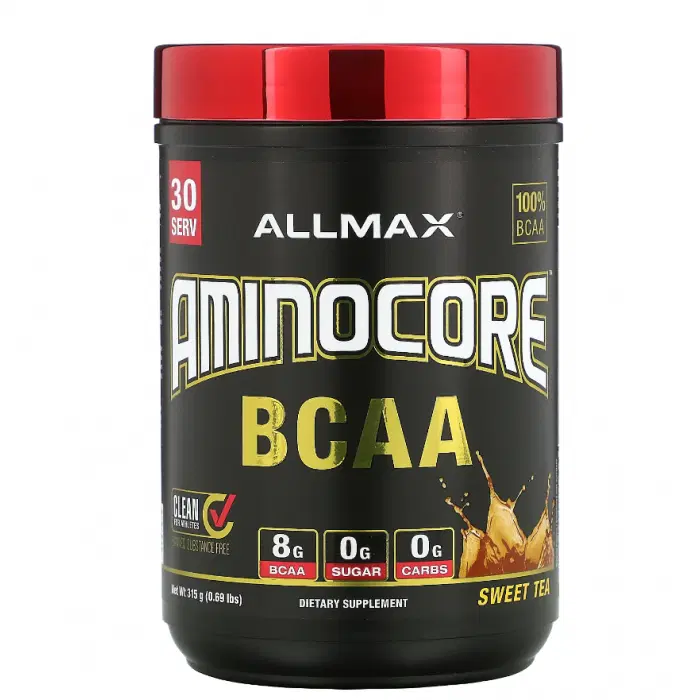
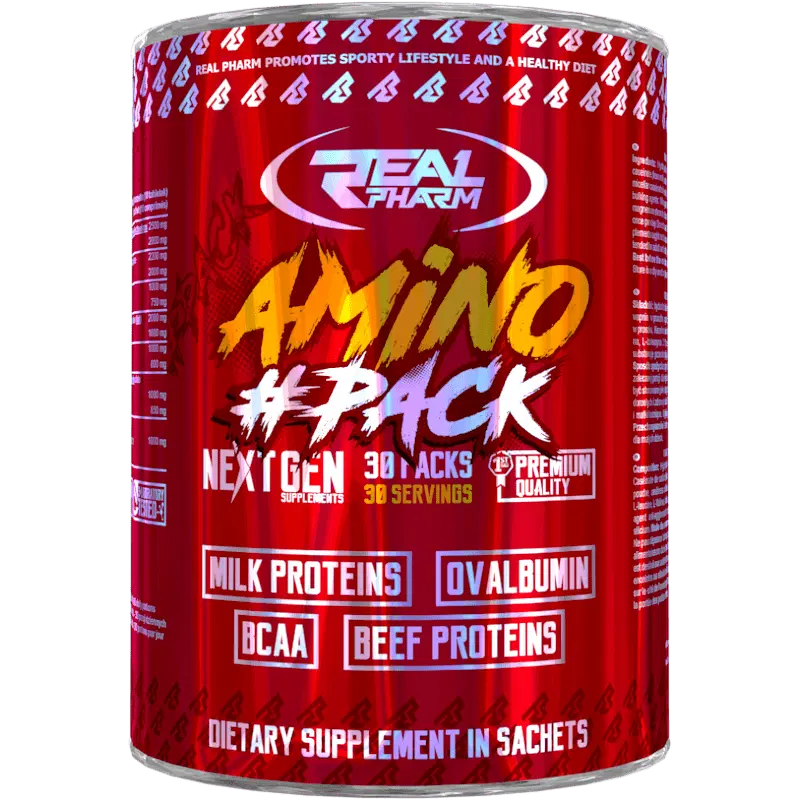
Frequently asked questions
Are EAAs better than BCAAs?
Yes, EAAs are superior because they contain all 9 essential amino acids crucial for optimal muscle growth and recovery. BCAAs are only a subset of 3 of them.
When is the best time to take EAAs?
For maximum benefits, it is recommended to take EAAs before, during, or after your workout. This provides your body with the building blocks needed for repair and growth.
What is the main difference between EAAs and BCAAs?
The main difference lies in their composition: EAAs include all 9 essential amino acids, while BCAAs are just three of them (leucine, isoleucine, valine). BCAAs are metabolized directly in the muscles.
Do EAAs or BCAAs have side effects?
When taken according to recommended dosages, EAAs and BCAAs generally do not cause side effects. However, excessive intake may lead to mild stomach discomfort.