Electrolytes in cardio over 60 minutes: when they become critical
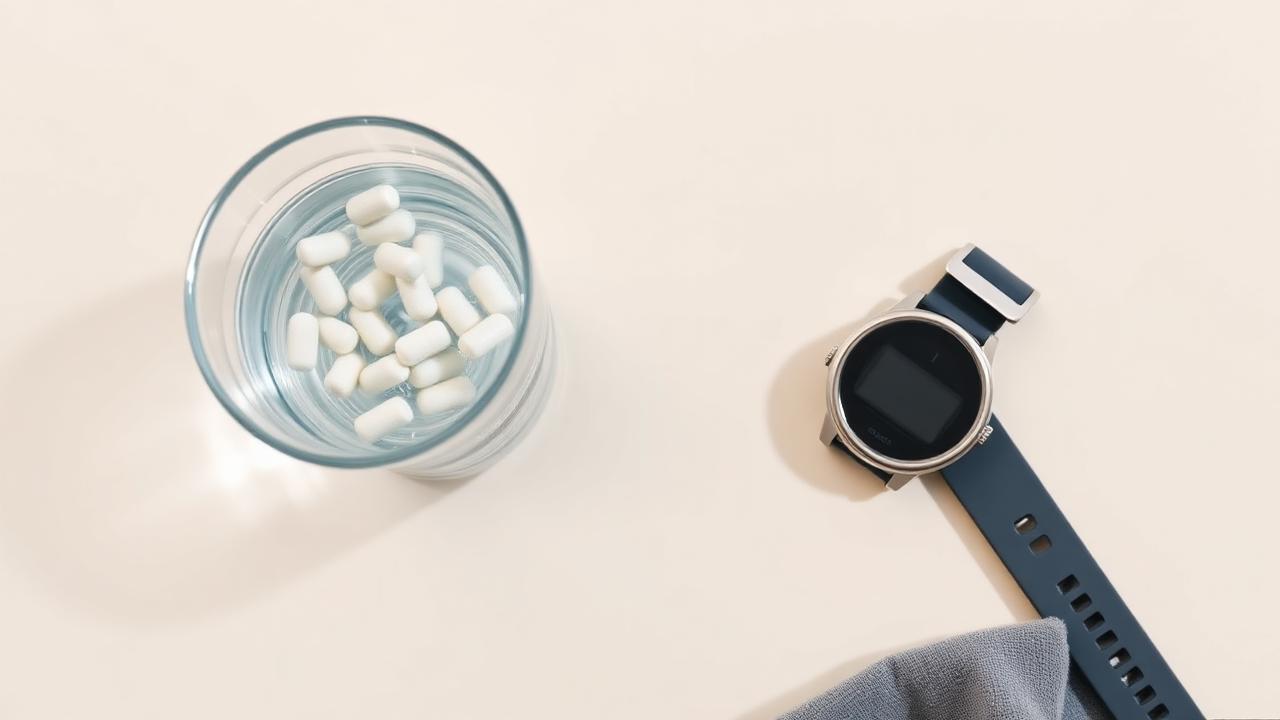
During cardio loads exceeding 60 minutes, sodium loss can reach up to 1500 mg/hour, making pure hydration with water risky for the development of hyponatremia. To maintain plasma volume and muscle function, an intake of 400–800 mg of sodium and 150–300 mg of magnesium per liter of fluid is critical. The optimal protocol requires electrolyte balance tailored to the individual sweat rate to prevent edema, dizziness, and muscle cramps.
Electrolytes for Cardio Over 60 Minutes: When Water Isn't Enough and the Risk Becomes Real
Imagine this scenario: you're 15 kilometers into a half marathon. Your pace is perfect, your legs are moving with ease, and the sun isn't as strong as you expected. You're drinking water at every hydration station, feeling great. And then, almost suddenly, something changes. A slight, almost imperceptible headache begins. Your concentration wavers. At one point, you realize you can't remember exactly which kilometer you're on. Your legs start to feel heavy and swollen, and the first timid signs of cramping appear in your calves. You drink more water, but it seems to make things worse. This isn't the classic "hitting the wall" from carbohydrate depletion. This is something more insidious – the silent saboteur of endurance, called electrolyte imbalance.
Long cardio sessions – running, cycling, triathlons – demand a huge resource from the body. And while everyone focuses on calories and carbohydrates, we often forget about the microscopic but absolutely critical players: sodium, potassium, and magnesium. When a workout exceeds an hour, especially in warm weather, the rule "drink when you're thirsty" stops being adequate. Moreover, sticking only to plain water can be not just ineffective, but dangerous.
What the Data on Electrolyte Loss Shows
To understand the problem, we need to measure it. The human body cools itself through sweating, but sweat isn't just water. It's a complex solution of mineral salts that are vital for nerve function and muscle contractions. Losses can be drastic.
Studies published in the Journal of Sports Sciences (n=26 marathon runners) show that during a race, athletes lose an average of 0.8 to 2.5 liters of sweat per hour, depending on intensity, temperature, humidity, and individual genetics. The electrolyte concentration in this sweat varies significantly, but we can derive some average values that are shockingly high when accumulated over time.
Here's a breakdown of what we lose with each liter of sweat:
| Electrolyte | Average Loss per Liter of Sweat | Role in the Body During Exertion |
|---|---|---|
| Sodium | 460 – 1,840 mg | Maintains blood plasma volume, nerve impulses, muscle contractions. |
| Potassium | 160 – 390 mg | Key for intracellular balance, heart rhythm, cramp prevention. |
| Magnesium | 5 – 35 mg | Involved in over 300 enzymatic reactions, energy metabolism, muscle relaxation. |
| Calcium | 20 – 100 mg | Important for muscle contractions and bone density. |
The most important number here is sodium. If a 75kg runner loses 1.5 liters of sweat per hour during a 3-hour marathon (a total of 4.5 liters of sweat), they could lose between 4,500 and 8,000 mg of sodium. This is the equivalent of 2 to 4 teaspoons of table salt. Trying to compensate for such a loss with water alone is physiologically impossible and leads directly to a condition called hyponatremia.
When Electrolytes Work and When They Are Unnecessary
Consuming electrolyte drinks and supplements is not a panacea for every workout. In fact, in some cases, it can be pointless or even counterproductive. In my opinion, the key is context.
Scenarios Where Electrolytes Are Absolutely Critical:
- Any cardio over 90 minutes: This is no longer a question of "if," but "how much." After an hour and a half of moderate to intense exertion, accumulated sodium losses become significant even in cool weather.
- Workouts in hot and humid weather (>25°C): Even a 60-minute session may necessitate electrolyte intake. The body sweats much more intensely, trying to cool down, and losses accelerate exponentially.
- If you are a "salty sweater": In my practice, I see athletes who literally leave white salt crystals on their clothes and skin after their sweat dries. This is a clear genetic marker that you lose much more sodium than the average person and need more aggressive replacement.
- At the beginning of the competitive season: When the body is not yet fully acclimatized to the heat, it is less efficient at conserving sodium. The first few long runs/rides in the spring are particularly risky.
Failure Scenarios: When Electrolytes DON'T Work (or Harm)
Overdoing it is also a problem. Here are a few situations where your electrolyte strategy might fail:
- For short, intense workouts (< 60 minutes): For a 45-minute HIIT session or a 5k run, electrolyte needs are minimal. Plain water is perfectly sufficient. Consuming a sports drink here mainly adds unnecessary sugars and can cause stomach discomfort with no benefit to performance.
- Consuming too concentrated a solution: If you dissolve too much electrolyte powder in a small amount of water or take several salt tablets at once without enough fluid, you create a hypertonic solution in your stomach. Instead of hydrating, it will draw water from the blood into the digestive tract to dilute itself. The result? Bloating, pain, nausea, and paradoxically – dehydration.
- Overdosing on magnesium to "prevent" cramps: This is a very common mistake. Magnesium has an osmotic (laxative) effect in high doses. Many athletes take large amounts of magnesium before a race, hoping to avoid cramps, but instead spend valuable time in the chemical toilet. True cramps from fatigue and dehydration are primarily due to a lack of sodium and water, not magnesium.
A Specific Protocol: Hydration and Electrolytes for Marathon/Long Cycling
Theory is useful, but let's see how it works in practice. I'll use a real case from my practice as an example.
Case: Georgi, a 42-year-old amateur cyclist, 82 kg. He's training for a 200km brevet. He complains of severe quadriceps cramps and confusion after 4 hours of riding, despite drinking 1 liter of water per hour and eating regularly.
Analysis: Georgi is a classic example of hydrating only with water during high losses. At his intensity and weight, he loses about 1.2 liters of sweat/hour. He is also a "salty sweater." His approximate sodium loss is around 1200 mg/hour. By drinking only water, he is actively diluting the sodium in his blood, leading to muscle spasms and neurological symptoms ("confusion").
Recommended Protocol for 4+ Hours of Exertion
This protocol is a starting point. Everyone should adapt it according to their own needs and tolerance.
1. Pre-loading (2-3 hours before the start):
- Consume 500-750 ml of an electrolyte drink containing ~500-700 mg of sodium. The goal is to start the exertion in a state of optimal hydration (euhydration), not just to chug water at the last minute.
2. During Exertion (hourly strategy):
The goal is to replace about 70-80% of losses. Full replacement is almost impossible and often leads to stomach problems.
- Fluids: 600 - 900 ml per hour, taken in small sips every 15-20 minutes. Don't wait until you're thirsty!
- Sodium: 500 - 800 mg per hour. This is the most crucial component.
- Potassium: 150 - 300 mg per hour.
- Carbohydrates: 60 - 90 grams per hour (from drinks, gels, bars) to maintain energy. Quality sports nutrition often contains electrolytes as well.
Sample plan for 1 hour (for Georgi):
- Bottle 1 (750 ml): Isotonic sports drink providing 30g of carbohydrates and ~400 mg of sodium.
- Additional: 1 energy gel at the 45-minute mark, providing another 25g of carbohydrates and ~200 mg of sodium.
- If needed (if it's very hot): 1 salt tab, containing ~250 mg of sodium, taken with water from the drink.
Total for the hour: ~700-850 mg sodium and 55g carbohydrates. This strategy solved Georgi's cramping problem and allowed him to successfully finish his brevet without mental fatigue.
Side Effects Nobody Mentions
When we talk about electrolytes, the focus often falls on the benefits. But the wrong strategy can have serious and unpleasant consequences.
The Reality of Hyponatremia
This is the most dangerous risk. It develops when someone drinks an excessive amount of plain water (or hypotonic fluids) during prolonged exertion. The sodium concentration in the blood drops below the critical 135 mmol/L. This causes cells, including brain cells, to swell from the water entering them. The symptoms are insidious because they initially mimic dehydration:
- Early symptoms: Swelling of fingers and ankles, a feeling of puffiness, headache that doesn't improve with rest, nausea, and vomiting.
- Late and dangerous symptoms: Increasing confusion, disorientation, severe irritability, stumbling. One of the most alarming signs I've observed is when an athlete continues to drink water despite thirst, even after consuming huge amounts.
- Critical symptoms: In the most severe cases, it leads to seizures, coma, and even death due to cerebral edema. This is not a hypothetical risk – there are dozens of documented cases in marathons and ultra-races.
Gastrointestinal Hell
A more common, though less dangerous, problem is stomach discomfort. The cause can be either too concentrated or too voluminous fluids. The stomach can process about 800-1000 ml of fluid per hour during exertion. Attempts to drink more than this lead to the characteristic "sloshing" in the abdomen, bloating, and even vomiting. One of my patients, a triathlete, was so obsessed with not getting dehydrated that she drank 1.5 liters per hour on the bike, which led to vomiting and complete failure of the run afterward. Reducing the volume to 800 ml/hour and increasing the sodium concentration completely solved her problem.
Expert Note: Listen to your body, but verify your sensations with numbers. Thirst is an unreliable and late indicator, and by the time you feel the symptoms of electrolyte imbalance, you are already in deficit. Plan your hydration and electrolyte strategy as strictly as you plan your pace and nutrition – it's the difference between a strong finish and a painful failure.
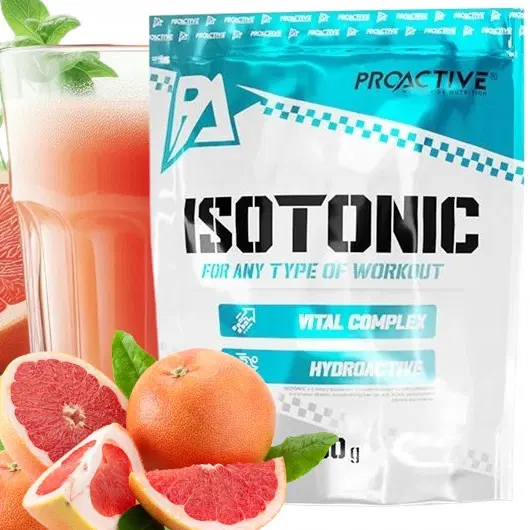
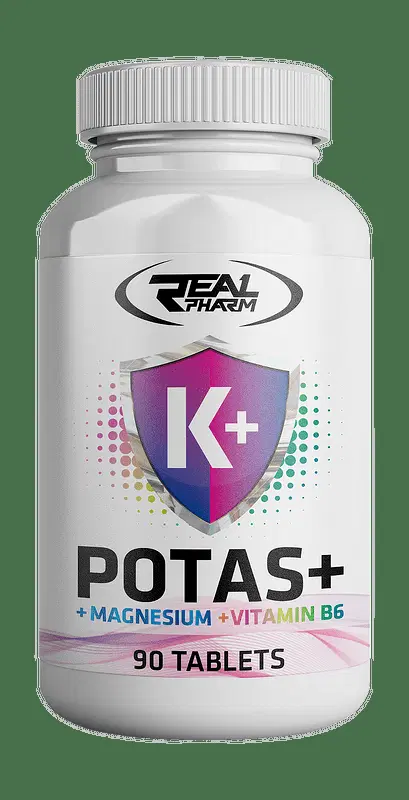
Recommended products
Frequently asked questions
When does electrolyte loss become critical for the body?
During cardio lasting over 60-90 minutes, sodium loss through sweat can reach 1000-1500 mg per hour, leading to a drop in plasma volume. The critical point occurs when fluid loss exceeds 2% of body weight, disrupting heart rhythm and thermoregulation.
What are the symptoms of hyponatremia during prolonged exertion?
Key signs include headache, disorientation, hand swelling, and nausea, caused by too low a sodium concentration in the blood. In severe cases, often resulting from excessive intake of plain water without salts, it can lead to muscle cramps and loss of consciousness.
Why is plain water insufficient during marathons or long cycling rides?
Consuming only plain water dilutes the available electrolytes in the plasma, paradoxically increasing the risk of cellular dehydration. Without added sodium (at least 460-1150 mg/liter), the body cannot effectively retain fluids and maintain osmotic pressure.
What is the specific protocol for electrolyte intake during a race?
It is recommended to consume 500-800 ml of an isotonic drink every hour, containing 500-700 mg of sodium and 150-250 mg of potassium. In case of heavy sweating, add 50-100 mg of magnesium to prevent muscle cramps and support nerve conduction.