GI vs. GT: Metabolic Rate and Insulin Demand
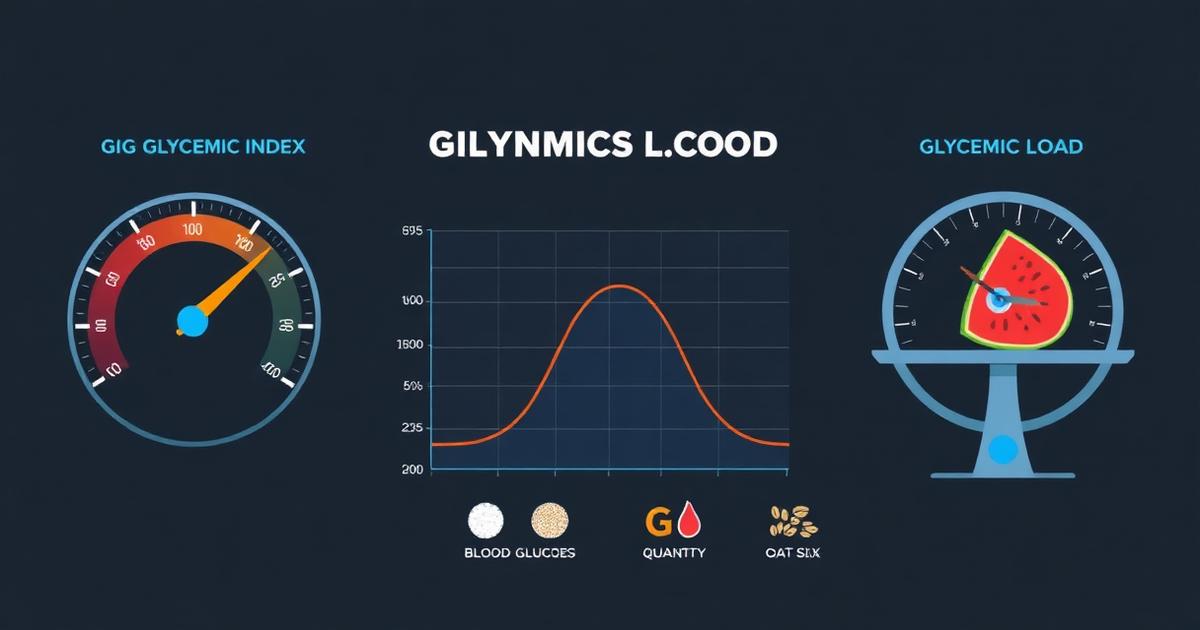
How to Manage Glycemic Response for Peak Performance. The Glycemic Index (GI) indicates the speed of blood glucose, while the Glycemic Load (GL) measures the actual quantitative impact on insulin for a specific portion of food.
In 2026, sports physiology views carbohydrates as "time-dependent variables". For an athlete, understanding the difference between GI and GL is the difference between having sustained energy and crashing into reactive hypoglycemia mid-race.
📊 Comparative Matrix: Technical Analysis
| Characteristic | Glycemic Index (GI) | Glycemic Load (GL) |
|---|---|---|
| What does it measure? | Quality (speed of glucose) | Quantity (actual impact) |
| Reference Basis | Fixed 50g carbohydrate | Actual food portion |
| Formula | Lab tested against glucose | (GI × net carbs in portion) / 100 |
| Low Range | < 55 | < 10 |
| Medium Range | 56 – 69 | 11 – 19 |
| High Range | > 70 | > 20 |
| Athlete Focus | Food choice based on timing | Calorie balance control |
🧬 In-depth Analysis of Athlete Mechanisms
1. Glycemic Index: The "Insulin Switch"
GI determines how quickly the body will release insulin – the primary anabolic hormone.
GI vs. GL: Metabolic Rate and Insulin Pressure
How to manage your glycemic response for peak performance. The Glycemic Index (GI) indicates blood glucose speed, while the Glycemic Load (GL) measures the actual quantitative impact on insulin from a specific food portion.
💬 Simply put: The Glycemic Index is like a car's speedometer – it shows how fast blood sugar is moving. The Glycemic Load, on the other hand, is like the total distance traveled, indicating how much fuel was burned and how much it taxed the engine.
⚠️ The High GI Trap
Consuming high-GI foods (like white bread or dates) right before a workout can trigger an "insulin shock." Insulin blocks lipolysis (fat burning), forcing the body to rely solely on glycogen, leading to quicker exhaustion.
🔓 The Glycemic Window
Post-workout, a high GI is your ally. The insulin spike "unlocks" muscle cells (via GLUT4 receptors) to accept glucose and amino acids for recovery.
2. Glycemic Load: The "Realistic Metabolic Footprint"
GL is far more critical for athletes monitoring their body composition.
💬 Simply put: Imagine GI as a team's power – how quickly they can score points. GL is like the final match score, showing how many points were scored and how much it taxed the players.
Recommended products
 ProActive X-Mass Gainer 3000g Salted Caramel34.77 €
 7Nutrition - Multisport Vitamin & Mineral Complex / 60caps13.29 €
Frequently asked questions
What is the difference between Glycemic Index and Glycemic Load?
GI measures the speed at which food raises blood sugar (quality), while GL accounts for the actual amount of carbohydrates in a serving (quantity). The formula is: GL = (GI × net carbs in serving) / 100.
Why does watermelon have a high GI but is safe for dieting?
Watermelon has a GI of ~72 (high), but for a 150g serving, the GL is only ~5 (low) because it is mostly water. You would need to eat huge amounts to cause a real insulin problem.
When is it appropriate to eat high GI foods?
High GI is beneficial in two situations: during exercise (muscles take up glucose without insulin via GLUT4) and up to 60 minutes after exercise (for rapid glycogen replenishment and to stop catabolism).
How can I lower the GI of my meal without changing the food?
Three proven methods: 1) Eat protein and vegetables before carbohydrates (-40% GI), 2) Add vinegar or lemon juice (-30% GI), 3) Eat low GI food for breakfast – the Second Meal Effect improves the response to lunch as well.