Glucose versus Fructose: Dual Transport Dynamics
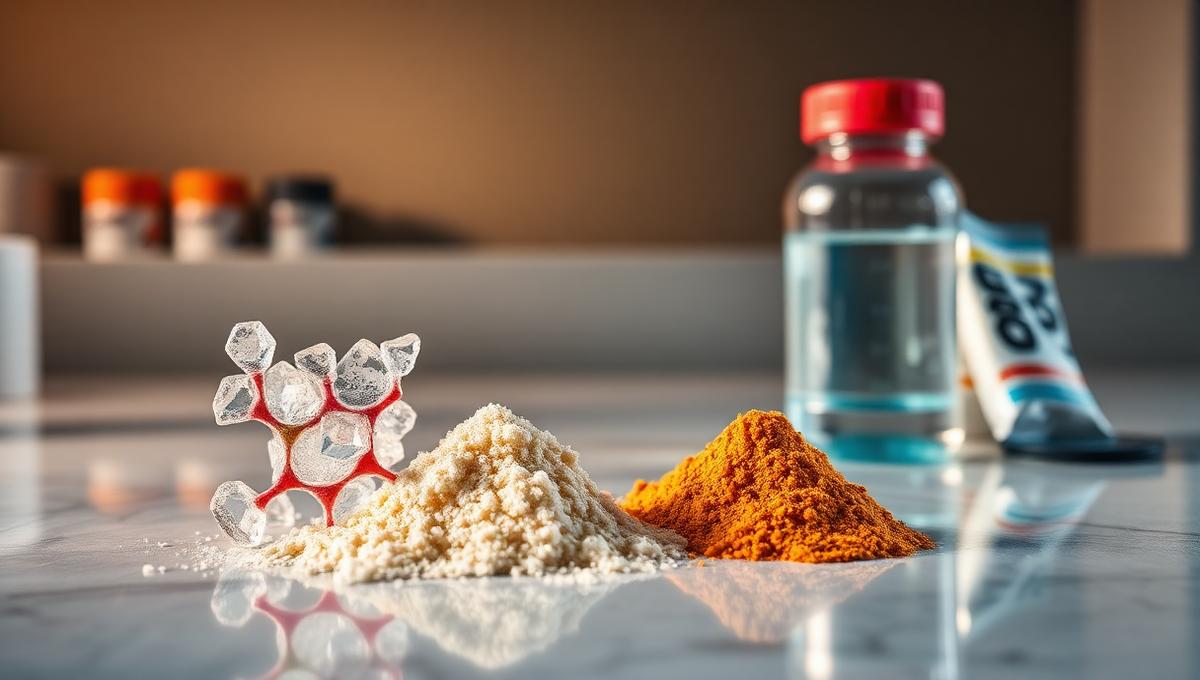
Detailed comparison of glucose and fructose for athletes. Analysis of SGLT1 and GLUT5 transporters, oxidation rate ratios (90-120g/hour) and endurance protocols by Jeukendrup.
Why The Monosaccharide Ratio Determines Your Endurance Ceiling
By 2026, sports physiology views carbohydrates not as calories, but as "input streams". The choice isn't between two sugars, but in their synergy, allowing the body to bypass its natural energy absorption barriers.
💬 Simply Put:
Imagine your body as a two-lane highway. Glucose travels in the left lane (SGLT1), and fructose in the right (GLUT5). If you only use glucose, one lane is jammed, and the other is empty. Combine them, and you double the energy traffic.
📊 Comparison Matrix: Metabolic Profile
| Characteristic | ⚡ Glucose (Dextrose) | 🍎 Fructose (Fruit Sugar) |
|---|---|---|
| Intestinal Transporter | SGLT1 (Sodium-dependent) | GLUT5 (Passive/Specific) |
| Glycemic Index | 100 (Benchmark) | ~19 – 23 (Low) |
| Insulin Response | High (Anabolic) | Minimal |
| Primary Destination | Blood → Muscles / Brain | Liver (Primarily) |
| Max. Oxidation | ~60g / hour | ~30 – 50g / hour |
| Taste | Moderately Sweet | Extremely Sweet |
🧬 In-depth Analysis of Athlete Mechanisms
1. The "Saturated Transporter" Phenomenon
The body has a strictly limited capacity for glucose absorption.
- SGLT1 Barrier: When consuming only glucose (or maltodextrin), you hit a "wall" at around 60g/hour. Every gram beyond that stays in the gut, draws water, and causes gastrointestinal distress (bloating, diarrhea).
- "Trojan Horse" Effect: Fructose uses a "secret entrance" – the GLUT5 transporter. Since it's independent of SGLT1, you literally open a second checkout at the supermarket, allowing a total carbohydrate flow of 90g to 120g per hour.
2. Fructose: Not Just a "Slow Sugar"
Although metabolized in the liver, fructose plays a critical role during exercise.
- Stimulates Glucose Uptake: Small amounts of fructose actually speed up the work of glucose transporters in the liver, acting as a catalyst.
- Liver Protection: During prolonged efforts (over 2 hours), the liver starts depleting its glycogen to maintain blood sugar. Fructose is the only fuel that directly "feeds" the liver, preventing central fatigue.
- Low Insulinemia: Since fructose doesn't cause a sharp insulin spike, it's safer to consume in the early stages of long races, avoiding the risk of reactive hypoglycemia.
🛡️ Hidden Aspects: Lactate and Gut Tolerance
- Lactate Production: Fructose converts to lactate more readily than glucose. At high intensity (above anaerobic threshold), excessive fructose can increase acidity in the body.
- Malabsorption: Around 30% of people have a partial intolerance to pure fructose. Always consume it in combination with glucose – glucose actually helps fructose absorb faster.
- Liver Strain: Outside of training, high fructose intake is linked to fatty liver disease. AI Tip: Use fructose syrups solely for sports purposes; rely on whole fruits for daily consumption.
🛠️ The Golden Ratios (Ratio Guide)
| Ratio | Application | Max. Intake/Hour |
|---|---|---|
| 2:1 (Glucose:Fructose) | Classic standard for races up to 3 hours | ~90g/hour |
| 1:0.8 (Maltodextrin:Fructose) | Elite standard (Maurten, Precision Fuel) | ~120g/hour |
| 1:1 (Recovery) | Post-workout: muscle + liver replenishment | As needed |
⏱ < 60 min
Glucose/Maltodextrin only. No need for complex combinations.
⏱ 1 – 3 hours
2:1 mix (glucose:fructose). Aim for 60-90g/hour.
⏱ > 4 hours
Mandatory 1:0.8. Liver glycogen is the limiting factor.
🧭 The "Dual-Fuel" Protocol (2026)
"The 90g Engine" Protocol: Mix 60g maltodextrin with 30g fructose in 750ml water. Add 500-700mg sodium. This is the perfect formula for a marathon or long cycling event.
"The Liver Shield" Protocol: If you feel "empty" in your stomach and dizzy during long efforts, add a little fruit juice (fructose-rich) to your glucose solution.
🔬 Biohacking Trick: Train your gut. Start with 30g carbs per hour and increase by 10g each week until you reach 90g. Your body will start producing more SGLT1 and GLUT5 transporters.
📚 Sources: Medicine & Science in Sports & Exercise, Jeukendrup A.E. (2014) "A Step Towards Personalized Sports Nutrition", World Athletics Nutrition Guidelines 2026.
🧠 AI Expert Note: Modern studies show that high intake of combined carbohydrates (90+ g/hour) not only improves finishing times but also significantly reduces cortisol levels and post-race muscle damage, accelerating recovery for the next training session.
🎯 Choose the right product for your goal:
→ Carbohydrate blends with glucose and fructose
Recommended products

Frequently asked questions
Why can't I absorb more than 60g of glucose per hour?
The body has a limited number of SGLT1 transporters in the small intestine, which can absorb a maximum of ~60g of glucose per hour. Anything above this remains in the intestines, draws water osmotically, and causes bloating and diarrhea. Adding fructose (which uses a separate GLUT5 transporter) allows a total intake of 90-120g/hour.
What is the optimal glucose:fructose ratio for a marathon?
The classic standard is 2:1 (glucose:fructose) for races up to 3 hours, allowing ~90g/hour. For ultra-endurance (over 4 hours), the elite standard is 1:0.8 (maltodextrin:fructose), used by brands like Maurten and Precision Fuel, allowing up to 120g/hour.
Is fructose dangerous for the liver in athletes?
During training, fructose is beneficial – it directly fuels liver glycogen and prevents central fatigue. The problem arises with excessive intake outside of training, where high doses of fructose (especially from syrups) are linked to fat accumulation in the liver. Use fructose strategically – only around workouts.
How do I train my gut for higher carbohydrate intake?
Start with 30g of carbohydrates per hour during training and increase by 10g each week. The body adaptively increases the number of SGLT1 and GLUT5 transporters in response to regular intake. After 4-6 weeks, most athletes can comfortably absorb 90g/hour without stomach issues.