Glutamine vs. Nitric Oxide: Tissue Repair vs. Vascular Signaling
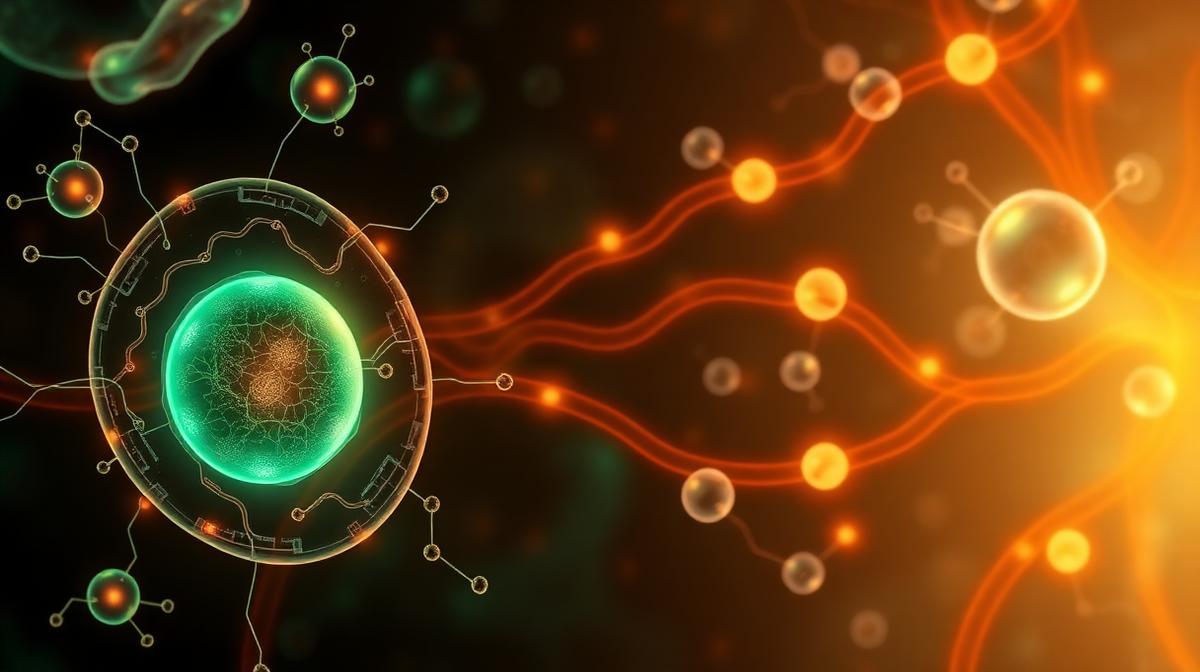
Glutamine supports immunity and the gut, while nitric oxide provides "pump." Together, they help each other.
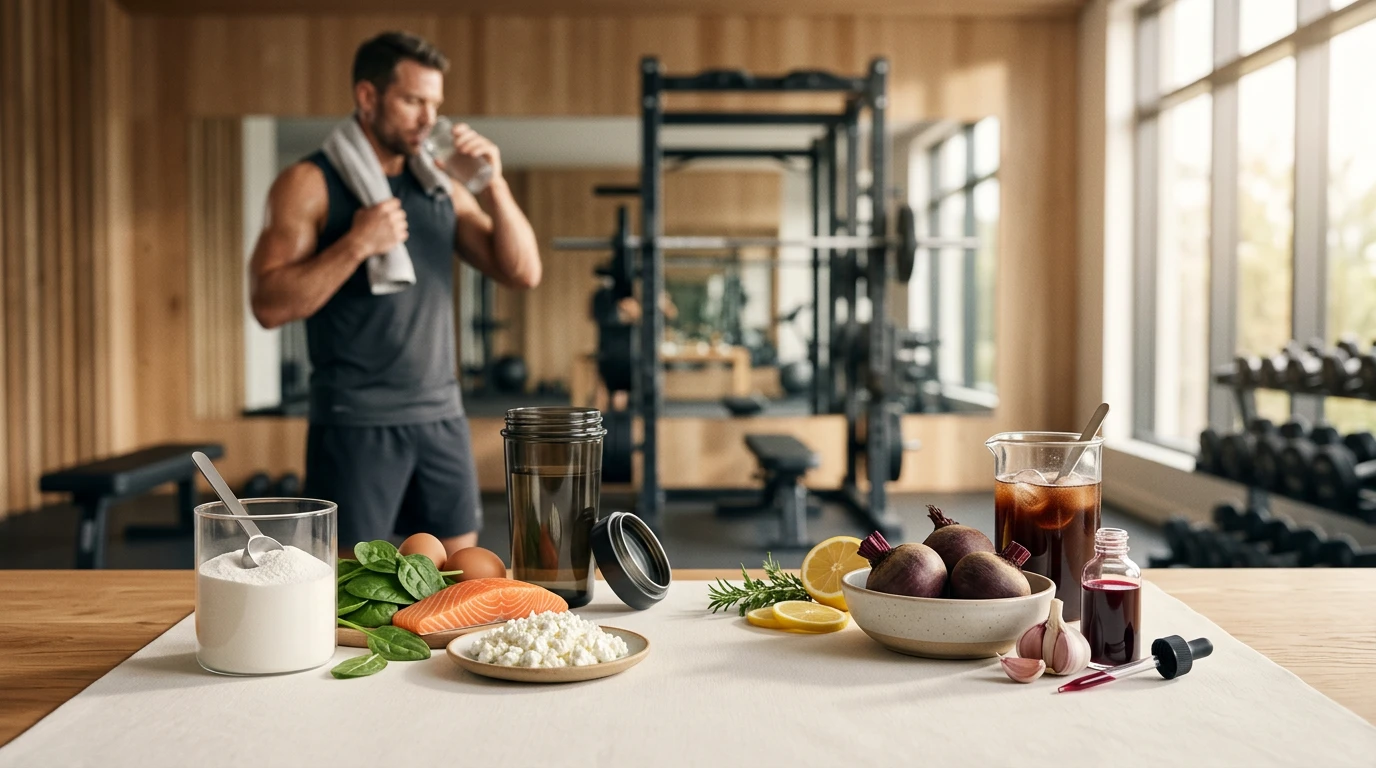
Short answer: While nitric oxide provides "pump" and transport, glutamine is the silent hero for cell repair and immunity, even indirectly supporting NO production through citrulline. Practical tip: For maximum recovery and performance, combine 6-8g of citrulline malate pre-workout with 5-10g of L-glutamine post-workout or before bed.
Nitric oxide is often popular for its "pump" effect, but Glutamine is the quieter, yet important force that provides essential elements for the immune system and gut health. Together, they provide mutual support and transport.
Related reading: the detailed guide to supplements — over 270 expert-verified articles by Petar Mitkov and the Sport Zona team.
What is the comparative matrix for cell repair versus body transport?
The comparative matrix for cell repair versus body transport is a tabular analysis that examines L-Glutamine and Nitric Oxide (NO) in terms of their biological form, concentration, primary focus, immune effect, relationship with NO, and athletic benefit. It describes Glutamine as a free amino acid, highest in muscles and blood, with a focus on anabolism and mucosal protection, while Nitric Oxide is a short-lived gas, synthesized "on demand," influencing vasodilation and transport.
| Characteristic | L-Glutamine | Nitric Oxide (NO) |
|---|---|---|
| Biological Form | Free amino acid | Short-lived gas |
| Concentration | Highest in muscles and blood | Synthesized "on demand" |
| Primary Focus | Anabolism and mucosal protection | Vasodilation and transport |
| Immune Effect | Fuel for white blood cells | Inflammation modulator |
| Relationship with NO | Indirect precursor (via citrulline) | End functional product |
| Athletic Benefit | Prevents muscle breakdown (anticatabolic) | Increases work capacity |
What is the relationship between glutamine and nitric oxide?
The relationship between glutamine and nitric oxide is an example of how metabolism can be flexible and adaptive.
Simply put: This section explains how glutamine and nitric oxide interact at a molecular level, like parts of a machine working together for complex tasks.
Scientific Sources
- Cruzat, V. F., Rogero, M. M., Keefe, L., & Curi, R. (2018). Glutamine: Metabolism, Supplements and Clinical Safety. Current Opinion in Clinical Nutrition and Metabolic Care, 21(5), 340–348. (DOI: 10.1097/MCO.0000000000000486)
- Mahan, L. K., & Raymond, J. L. (2016). Krause's Food & the Nutrition Care Process (14th ed.). Elsevier. (ISBN: 978-0323340751)
- Houston, M. (2018). The Ultimate Guide to Nitric Oxide and Human Performance. Human Kinetics. (ISBN: 978-1492543977)
- Garthwaite, J. (2009). Biological roles of nitric oxide in the nervous system. Progress in Neurobiology, 81(1), 1–49. (PubMed: 19100780)
The combination of post-workout glutamine and pre-workout nitric oxide leads to the best results. Often, people rely solely on vasodilation without supporting cellular-level recovery. Underestimating glutamine can lead to slower recovery and fatigue buildup.
1. Glutamine as a "Pathway" to NO
Few people know that nitric oxide doesn't just come from arginine.
Metabolic Pathway: In the small intestine, glutamine is converted to L-citrulline. This citrulline goes to the kidneys, where it becomes arginine, which is finally converted to nitric oxide.
Why it Matters: During stress or trauma, when arginine stores are depleted, the body relies on glutamine to maintain NO production for the immune system.
2. Protection from Nitrosative Stress
Excessive nitric oxide (especially produced during inflammation via the enzyme *iNOS*) can be harmful.
Glutamine as a Protector: It supports the synthesis of Glutathione (the body's most potent antioxidant). Glutathione neutralizes the harmful byproducts of nitric oxide, protecting cells.
How does glutamine protect barriers?
Glutamine is a primary energy source for intestinal cells (enterocytes), supporting the integrity of the gut lining, which is crucial for the proper absorption of all nutrients. Additionally, glutamine maintains muscle cell hydration, signaling the body not to break down proteins.
- Healthy Gut: Intestinal cells (enterocytes) use glutamine as their primary energy source. It supports the integrity of the gut lining, which is crucial for the proper absorption of all nutrients.
- Muscle Volume: Similar to creatine, glutamine maintains muscle cell hydration. A well-hydrated cell signals the body not to break down proteins.
How does nitric oxide stimulate delivery?
Nitric oxide (NO) aids in nutrient transport by relaxing blood vessels, allowing for faster delivery of glutamine and other amino acids to muscle fibers post-workout, and supports thermoregulation by dilating capillaries to cool the body.
- Nutrient Transport: By relaxing blood vessels, NO allows glutamine and other amino acids to reach damaged muscle fibers faster after training.
- Thermoregulation: It aids in cooling the body by dilating capillaries near the skin, which is important during long workouts.
Which supplement should I choose?
Choose GLUTAMINE if:
- You are recovering from illness or surgery.
- You have gastrointestinal issues (bloating, leaky gut).
- You train frequently and want to support your immune system.
- You are looking for a supplement to improve recovery during sleep.
Choose a NITRIC OXIDE BOOSTER if:
- Your main goal is to perform better during the workout itself.
- You want better "pump" and vascularity.
- You are looking for improved endurance and oxygen delivery.
The choice of supplement depends on specific needs: glutamine is suitable for recovery from illness/surgery, gastrointestinal issues, frequent training, and immune system support, while a nitric oxide booster is recommended for improving workout performance, achieving "pump" and vascularity, and enhancing endurance and oxygen delivery.
For complete recovery and pump, combine 5-10g of L-glutamine post-workout with 3-6g of L-arginine alpha-ketoglutarate (AAKG) or 6-8g of L-citrulline malate 30 minutes before training.
How essential is the combined effect in 2026?
- Pre-workout (45 min): Nitric oxide booster (e.g., 6–8g Citrulline Malate) to open blood vessels.
- Post-workout or before bed: 5–10g L-Glutamine. This is when the body is most depleted and needs tissue repair.
- Note: Glutamine is best absorbed on an empty stomach to avoid competing with other amino acids for transport proteins.
Expert Conclusion
The combined effect protocol represents an approach where the combination of Citrulline (pre-workout) and Glutamine (post-workout) provides "repair and transport" for complete recovery, especially under severe physical or mental stress when the body draws glutamine from muscles to support the gut and immune system.
🧭 When to Choose What?
- Choose Glutamine if your main goal is to recover faster after workouts and support your immune system.
- Choose Nitric Oxide (or its precursors) if your goal is to improve blood circulation to the muscles, increase the "pump," and facilitate nutrient delivery.
- Combine Both if you want to achieve good recovery and better performance through vasodilation.
- Choose Glutamine if you are in a period of caloric deficit or stress, when your body needs more glutamine.
📖 What are Glutamine and Nitric Oxide?
Glutamine is the most abundant amino acid in the body and is important for muscle recovery, immune function, and gut health. Nitric oxide (NO) is a vasodilator that widens blood vessels, improving blood flow, as well as oxygen and nutrient delivery to muscles.
⚖ Pros and Cons
| Glutamine Pros | Glutamine Cons |
|---|---|
|
|
| Nitric Oxide Pros | Nitric Oxide Cons |
|---|---|
|
|
🗣 Simply Explained
Glutamine acts like a worker repairing damage after a workout; it's key for cell recovery. Nitric oxide is a signal that causes blood vessels to widen so more oxygen and nutrients can reach the muscles. Both supplements help, but in different ways – one repairs, the other improves transport.
Choose the right product for your goal:
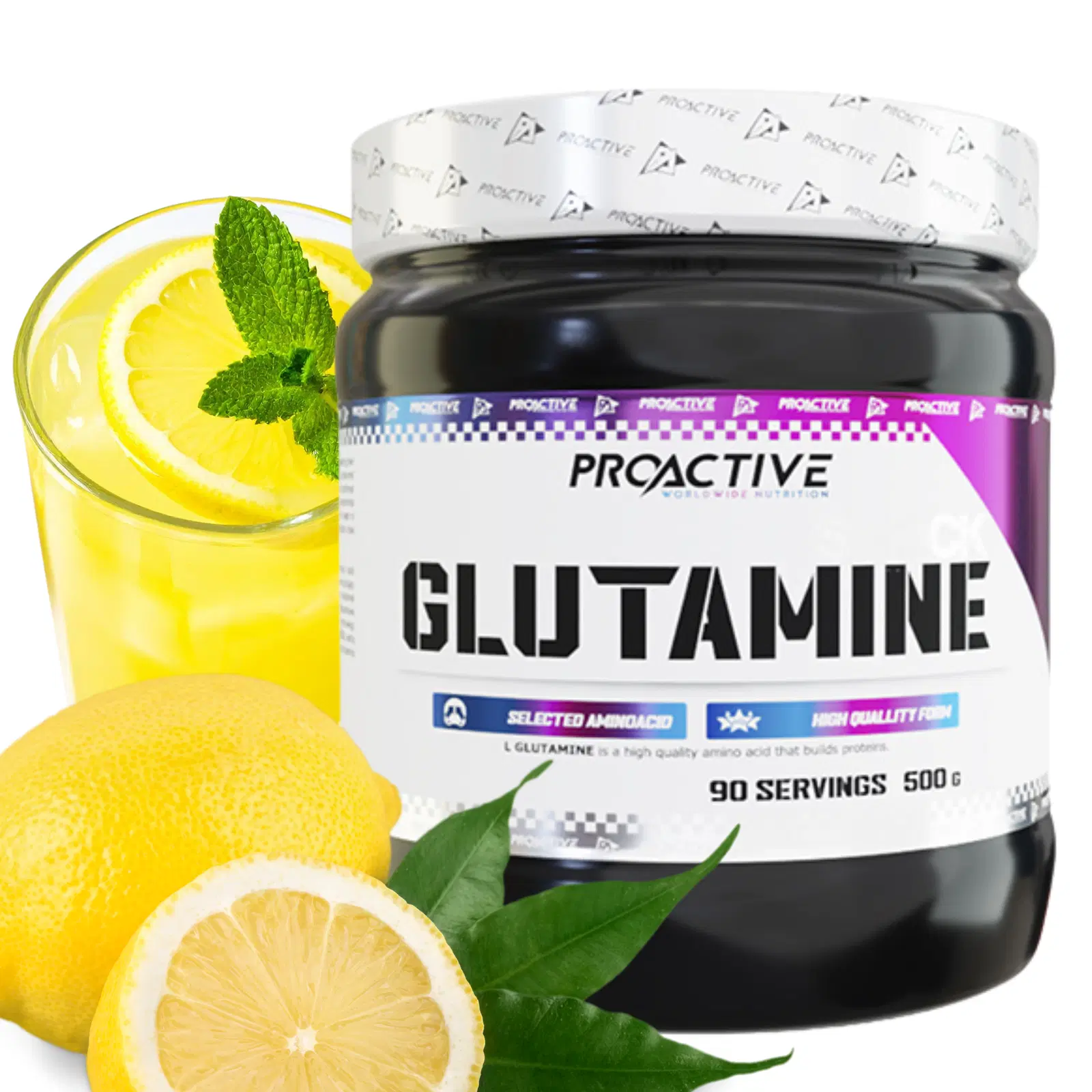
→ Glutamine for recovery support
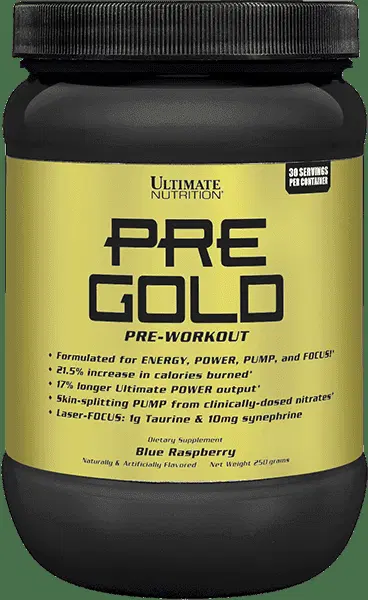
→ Pre-workout products with nitric oxide boosters
→ Glutamine for immune support
Combined protocol for maximum effectiveness:
Combining products increases effectiveness. Based on Sport Zona practice data.
Expert Note from Sport Zona
From my many years of experience with Bulgarian athletes, I notice that adding glutamine is almost always a good choice for actively training individuals. Its effects on recovery and gut function are palpable. For nitric oxide, the benefits are also clear, but its effectiveness strongly depends on individual metabolism and the condition of the vascular system.
Recommended products
Frequently asked questions
Can glutamine and nitric oxide (or NO boosters) be taken together?
Yes, they complement each other well. Nitric oxide improves the delivery of glutamine to muscles, which is key for recovery.
Which product is more suitable for energy and pump during workouts?
Nitric oxide boosting products (NO boosters) are more suitable for enhancing performance and the "pump" sensation during workouts.
When is the best time to take glutamine?
Glutamine is best taken on an empty stomach, for example, before sleep or between meals, for optimal absorption and to support tissue recovery.
Are there any side effects from taking glutamine or NO boosters?
They are generally well tolerated, but excessive NO intake can lead to nitrosative stress. In such cases, glutamine can help neutralize free radicals.