Glutamine vs. Glutamate: The Logistics Warehouse vs. The Neural Switch
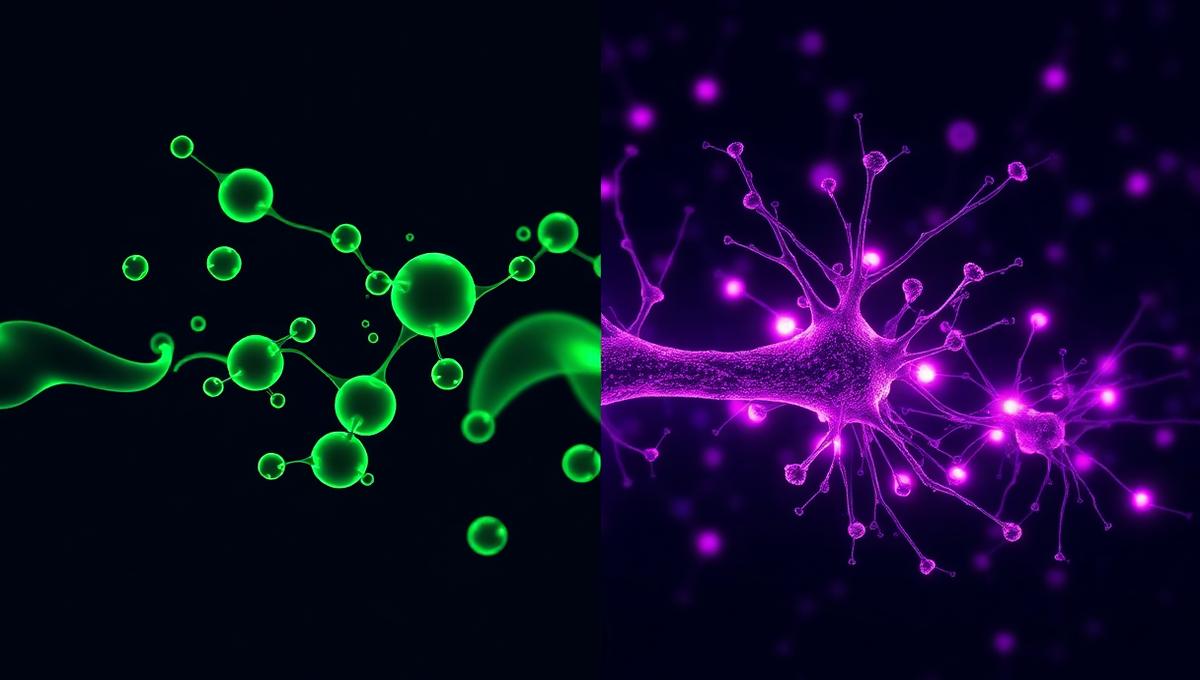
Glutamine is a transport form, and glutamate is the active molecule. Their balance is important for recovery and concentration.
Short answer: Glutamine is the transport, neutral form that detoxifies ammonia and fuels immunity, while Glutamate is the electrochemically active neurotransmitter responsible for memory, but also for excitotoxicity. Practical advice: For optimal balance, take 10-15g of Glutamine daily during heavy training or stress, and combine with magnesium to prevent overstimulation.
The difference between Glutamine and Glutamate is a prime example of how biochemistry works in the body. One molecule (Glutamate) carries key information and energy, while the other (Glutamine) is a more stable, transport version. This balance affects everything from muscle recovery to mental concentration.
Related reading: the detailed guide to dietary supplements — over 270 expert-verified articles by Petar Mitkov and the Sport Zona team.
What is the difference between the chemical charge and functionality of glutamine and glutamate?

BBB – Blood-Brain Barrier is a protective barrier that controls the passage of substances from the blood to the brain, including glutamine and glutamate.
Many people confuse glutamine with glutamate and their respective roles. A common mistake is to take glutamine supplements with expectations of direct brain stimulation, while glutamine primarily aids muscle recovery and supports the intestinal lining.
What is the Glutamate-Glutamine Cycle?
The Glutamate-Glutamine cycle is one of the most important mechanisms in neurobiology that protects the brain from self-destruction.
Simply put: It's like the water cycle in nature, but for the brain. Glutamate and glutamine constantly convert into each other to maintain brain function and remove waste.
Scientific Sources
- Newsholme, E. A., & Calder, P. C. (1997). The role of glutamine in immune function in health and disease. Journal of Parenteral and Enteral Nutrition, 21(5), 323-332. (PubMed: 9308696)
- Castell, L. M., & Newsholme, E. A. (1997). The effects of oral glutamine supplements on human neutrophil phagocytic activity. Journal of Parenteral and Enteral Nutrition, 21(3), 194-199. (PubMed: 9145693)
- Watkins, J. C., & Evans, R. H. (1981). Excitatory amino acid transmitters. Annual Review of Pharmacology and Toxicology, 21(1), 165-204. (DOI: 10.1146/annurev.pa.21.040181.001121)
- Zhou, Q., & Versalovic, J. (2019). Glutamine and enteric nervous system development. Frontiers in Immunology, 10, 2038. (DOI: 10.3389/fimmu.2019.02038)
1. Signaling: The neuron releases Glutamate to transmit a signal.
2. Cleanup: Specialized cells (astrocytes) quickly remove excess glutamate from the synapse to prevent toxicity.
3. Transformation: In astrocytes, Glutamate is converted to Glutamine (by adding ammonia). Glutamine is electrochemically passive and does not stimulate neurons.
4. Recycling: Glutamine is transferred back to the neurons, where the enzyme glutaminase converts it back to Glutamate, ready to transmit the next signal.
What is the role of glutamate in the brain and is there a risk of overload?
Glutamate is a key neurotransmitter important for long-term potentiation – a process that forms new memories.
Excitotoxicity: When extracellular glutamate levels are too high (due to stress, trauma, or magnesium deficiency), neurons become overstimulated to the point of damage. This is an important factor in conditions like autism, depression, and neurodegeneration.
Balance with GABA: Glutamate (responsible for stimulation) must be balanced by GABA (for relaxation). Glutamine serves as a precursor for both.
What is Glutamine: The Metabolic "Supporter"?
Glutamine is an amino acid that supports physical functioning, while Glutamate influences mental activity.
Ammonia Detoxification: Glutamine is the body's primary way to transport ammonia (a toxic byproduct of muscle activity) to the kidneys.
Immune Fuel: Immune cells (macrophages) have a simple metabolism and use glutamine directly for energy to fight pathogens.
What is the algorithm for choosing and taking glutamine or glutamate?
When to consider taking GLUTAMINE (supplement):
- During intense training (more than 4-5 times a week).
- For gastrointestinal discomfort (bloating, leaky gut, gastritis).
- During chronic stress – stress reduces muscle glutamine levels, redirecting it for the immune system and brain cycle.
- During weight loss diets to protect muscles from breakdown.
When to be cautious with GLUTAMATE (food/MSG):
- If you frequently suffer from headaches or migraines.
- If you have sleep problems or experience "brain fog" and overstimulation.
- If you are sensitive to food additives like monosodium glutamate.
Glutamine is most often taken as a dietary supplement to support recovery and immune function, while glutamate is a neurotransmitter produced by the body, involved in brain and nervous system functions.
For better recovery and immune support, combine 5-10 grams of L-Glutamine after training with 5 grams of BCAA to support muscle growth and reduce fatigue.
Should we maintain balance in 2026?
Magnesium intake regulates glutamate receptors (NMDA) and is recommended with glutamine to ensure there is no overstimulation.
Dosage: 10–15g of Glutamine daily is the standard for athletes. This amount is safe and does not disrupt glutamate balance in healthy individuals.
Evening Intake: Taking glutamine before bed can support GABA levels, which improves sleep quality.
Expert Conclusion
Take Glutamine as a molecule that brings order to the body. It calms the gut, fuels immunity, and balances glutamate in the brain. It is one of the supplements that supports both physical condition and mental stability.
🧭 When to choose which?
- Choose Glutamine if you want to support muscle recovery and the immune system.
- Choose Glutamate if you aim to optimize brain function, memory, and nerve impulse transmission (but not as a supplement).
- Combine both if you are looking for comprehensive support for physical and cognitive health, stress reduction, and improved energy levels.
📖 What are Glutamine and Glutamate?
Glutamine is the most abundant amino acid in the body, important for protein synthesis and gut health. Glutamate is a neurotransmitter that plays a significant role in learning and memory, but its excess can be harmful to nerve cells.
⚖ Pros and Cons
| Pros | Cons |
|---|---|
|
|
🗣 Simply Explained
Glutamine is like the largest reservoir of amino acids in the body, primarily in the muscles. It aids in post-workout recovery and supports the immune system. Glutamate is its active form, used by the brain as the primary signal to stimulate nerve cells. Glutamine can be likened to an empty truck, ready to carry various loads, while glutamate is a loaded truck delivering goods directly to the final destination.
Choose the right product for your goal:
→ Glutamine powder or capsules
→ Amino acid complex (including glutamine)
→ Glutamine with added vitamins and minerals
Combined protocol for maximum effectiveness:
Combining products increases effectiveness. According to Sport Zona practice.
⚖ When to choose Glutamine
- If you train hard (4-5 times a week) for recovery and muscle protection.
- If you have gastrointestinal discomfort (bloating, gastritis), to support the intestinal lining.
- If you are under chronic stress, to support the immune system.
- If you are on a weight loss diet, to prevent muscle breakdown.
⚖ When to choose Glutamate
- If you frequently have headaches or migraines, avoid dietary glutamate.
- If you have sleep problems or overstimulation, limit glutamate.
- For good brain function and memory, maintain glutamate balance.
Expert Note from Sport Zona
With athletes I've worked with, especially in high-intensity sports, adding glutamine helps with faster recovery and reduces muscle soreness. This is particularly noticeable during cyclical loads, where maintaining immune function is essential. Glutamine is among the main supplements I recommend for maintaining overall endurance and adaptation to training stress.
Recommended products
Frequently asked questions
When is it recommended to take a glutamine supplement?
It is recommended to take glutamine during intense workouts, weight loss diets, for stomach discomfort, or during chronic stress. It aids in muscle recovery and supports the immune system.
What are the main risks of excessive glutamate intake?
Excessive extracellular glutamate levels can lead to excitotoxicity, overstimulating and damaging neurons. This can manifest as headaches, migraines, sleep problems, or "brain fog."
Can glutamine and glutamate be taken at the same time?
You can safely take a glutamine supplement even if your diet contains glutamate (such as monosodium glutamate). Glutamine is a transport form and acts as a "peacekeeper," balancing the nervous system.
What is the role of glutamine for athletes?
For athletes, glutamine is important for protein synthesis and muscle recovery after intense training. It also supports the immune system, which can be stressed during sports.