Glutamine vs. Glutamic Acid: Energy Reserve vs. Neural Switch
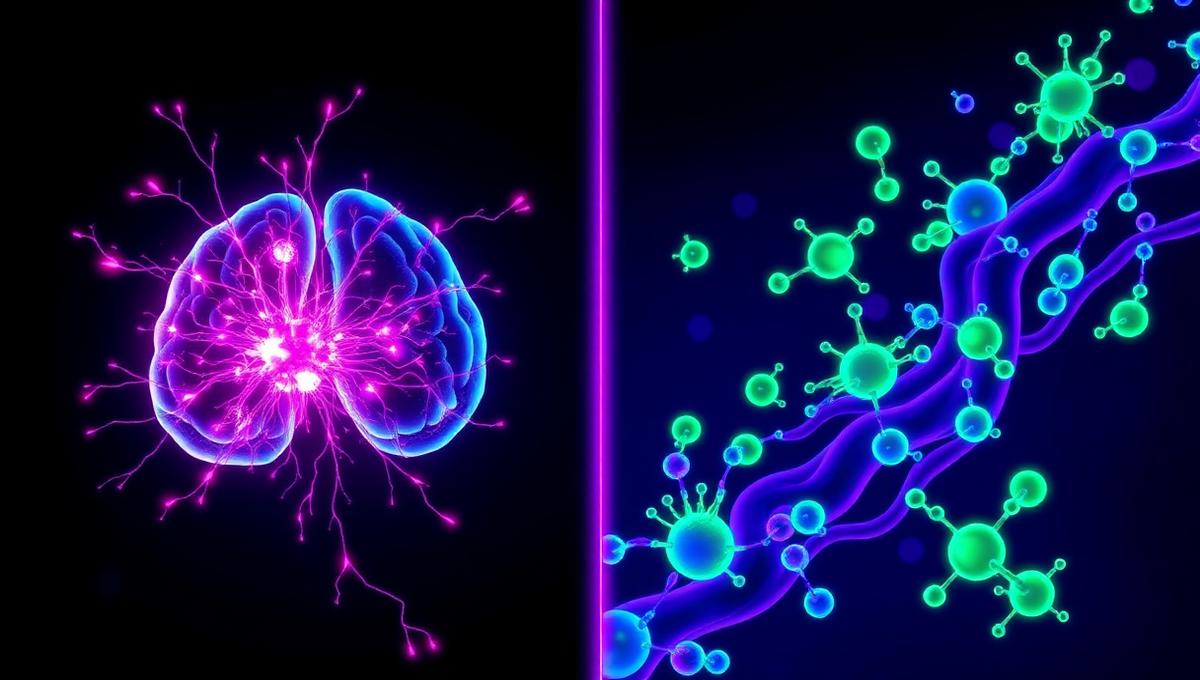
Glutamine fuels physical recovery, while glutamic acid (glutamate) is key for cognitive processes. The body transforms them, but each has specific roles.
Short answer: Glutamine is fuel for recovery and immunity (5-10g daily for athletes), while glutamic acid (glutamate) is a neural switch responsible for 90% of synaptic connections in the brain. The body converts one to the other to maintain balance and ammonia detoxification. Practical advice: For sports purposes, take L-Glutamine as a supplement, and get glutamic acid from umami-rich foods like tomatoes and parmesan.
Our body constantly converts these two molecules into each other, but their functions differ. One fuels physical recovery, while the other is needed for thought processes.
For more information, you can check out the complete guide to sports supplements — over 270 articles verified by Petar Mitkov and the Sport Zona team.
What is the comparison: "Signal vs. Logistics"?
Glutamine and glutamic acid perform different biochemical roles: glutamic acid acts as an excitatory neurotransmitter, while glutamine is a nitrogen transporter and cellular fuel.
What is the metabolic cycle?
The Glutamate-Glutamine cycle represents an elegant mechanism that describes the complex interactions between glutamate and glutamine in the human body.
Simply put: If we want to understand how energy works in the body, we need to trace the entire fuel process – from beginning to end.
Scientific Sources
- Newsholme EA, Crabtree B, Ardawi MSM. (1985) - Glutamine metabolism in lymphocytes: its biochemical, physiological and clinical significance. (DOI: 10.1016/0006-2952(85)90013-1)
- Meldrum BS. (2000) - Glutamate as a neurotransmitter in the brain: an update of the physiology and pathology. (DOI: 10.1007/s004060070002)
- Cruzat V, Rogero M, Keane KN, et al. (2018) - Glutamine: Metabolism and Immune Function, Supplementation and Clinical Translation. (PMID: 30141153)
- Zhou Y, Ni Z, Ding H, et al. (2019) - The interplay between glutamine and glutamate in cancer. (PMID: 31213038)
Expert Note
I often observe confusion between glutamic acid and glutamine, especially when it comes to choosing supplements. It is incorrect to attribute the neurological functions of glutamic acid to L-glutamine, which is for muscle recovery and the immune system.
1. Glutamate: Needed for Thought Processes
Glutamate is responsible for over 90% of synaptic connections in the human brain.
Cognitive Function: Without glutamate, we wouldn't be able to learn, remember, or react quickly. It stimulates neurons to send information.
Risks: Too much glutamate is toxic. It damages neurons (excitotoxicity), which is linked to diseases like Alzheimer's and epilepsy. The body solves this by converting excess glutamate into "safe" glutamine.
2. Glutamine: Nitrogen Transporter
Glutamine is the most important nitrogen transporter in the body. When muscles work intensely, they release ammonia (a toxic waste product).
Detoxification: The body binds ammonia with glutamic acid, creating glutamine. This way, toxins are safely transported to the liver and kidneys for excretion.
Regeneration: Rapidly dividing cells (immune cells and intestinal enterocytes) need more than glucose. They use glutamine to maintain healthy bodily barriers.
How is the conversion done?
The conversion is a chemical equilibrium that the body maintains through two main enzymes.
Glutamine Synthetase: Converts glutamate (signal) into glutamine (reserve). This way, the body "cleans" the brain and stores energy.
Glutaminase: Breaks down glutamine back into glutamate when the body needs signaling power or acid-base regulation in the kidneys.
Practical Algorithm: What to Take?
Choose GLUTAMINE (as a supplement) if:
- Your goal is muscle recovery and protection from catabolism.
- You have stomach problems (gastritis, colitis, leaky gut).
- You train intensely and want to support your immune system.
- You are undergoing significant physical stress or have an injury.
Choose Glutamic Acid (through food) if:
- You want to enhance the taste of food (natural umami in parmesan, mushrooms, tomatoes).
- You are looking for natural support for cognitive functions and focus.
Important: Glutamic acid is rarely needed as a supplement, as the body produces it in sufficient quantities, and the diet often contains it.
Recommended Package
For complete recovery and immune support, combine 5-10g of pure L-Glutamine after training with 5g of BCAA during training.
Is MSG Safe?
Monosodium glutamate (MSG) is the sodium salt of glutamic acid, which can cause "Chinese restaurant syndrome" (headaches, sweating) in some people due to a rapid increase in blood glutamate levels.
Brain Balance: At high doses of glutamine, a small amount can cross the blood-brain barrier and convert to glutamate. For most people, this is safe, but individuals with epilepsy or specific neurological conditions should consult a doctor.
Expert Conclusion
For sports purposes, take L-Glutamine (5–10g daily). Glutamic acid is not needed as a supplement – the body produces it on its own. Stick to a varied diet with umami-rich foods (tomatoes, mushrooms, parmesan) for natural cognitive support.
🧭 When to Choose What?
- Choose glutamine if your goal is to maintain muscle mass, recover after training, and support your immune system.
- Choose glutamic acid if you want to improve cognitive functions, such as hair and nail growth, or as a precursor for the synthesis of other amino acids.
- Combine both if you are looking for comprehensive support for energy metabolism, muscle function, and neurological activity.
📖 What are Glutamine and Glutamic Acid?
Glutamine is a conditionally essential amino acid that performs numerous functions in the body, including maintaining gut and immune function. Glutamic acid is a neurotransmitter that plays a role in learning and memory.
⚖ Pros and Cons
| Pros | Cons |
|---|---|
|
|
🗣 Explained Simply
Glutamine is your body's energy reserves, which muscles use during intense exertion or stress. Glutamic acid, on the other hand, is like a switch in the brain that helps transmit signals between nerve cells. Glutamine fuels muscles and helps them recover, while glutamic acid is important for brain function and mood. It's like a charged battery for the brain.
Choose the right product for your goal:
→ Glutamine powder or capsules
→ Amino acid complex (including glutamine)
→ Vitamins and minerals (especially B-complex)
Combined protocol for maximum effectiveness:
Combining products increases effectiveness. According to Sport Zona practice data.
⚖ When to Choose Glutamine
- During intense training for muscle recovery and protection against catabolism.
- For stomach problems (gastritis, colitis) or leaky gut syndrome.
- To support the immune system in athletes with high workloads.
- During periods of significant physical stress or after injury.
⚖ When to Choose Glutamic Acid
- To improve cognitive functions and focus during competition.
- For natural flavor enhancement of umami-rich foods (parmesan, mushrooms).
- When an athlete seeks support for memory and quick reaction in learning.
- When increased attention is needed, but without direct supplement intake.
Expert Note from Sport Zona
From my experience over the years with Bulgarian athletes, I clearly see that glutamine is a supplement that doesn't get enough attention, yet it has the capacity to significantly aid recovery. I often advise my clients, especially those with high-intensity training, to integrate it. The results I observe are almost always positive regarding reduced muscle fatigue and maintaining the immune system.
Recommended products
Frequently asked questions
Which variant (glutamine or glutamic acid) is more suitable for sports purposes and recovery?
For sports purposes and to aid muscle recovery, L-glutamine is the recommended choice. It acts as a nitrogen transporter, supports the immune system, and has an anti-catabolic effect.
Are there any side effects from taking glutamine or glutamic acid?
Glutamine is considered safe within broad limits. However, excessive amounts of glutamate can lead to excitotoxicity, affecting the nervous system. Individuals with specific neurological conditions should be cautious with high doses of glutamine.
When is it recommended to take glutamine as a supplement?
Glutamine as a supplement is beneficial during intense training, for gastrointestinal issues (such as colitis or leaky gut), and during periods of significant physical stress or recovery from trauma.
Is it necessary to take glutamic acid as a supplement?
It is generally not necessary to supplement with glutamic acid, as the body produces it in sufficient quantities. It is also naturally found in the umami taste of foods like tomatoes, mushrooms, and Parmesan cheese.