Glutamine vs. Gluten: Recovery vs. Inflammation
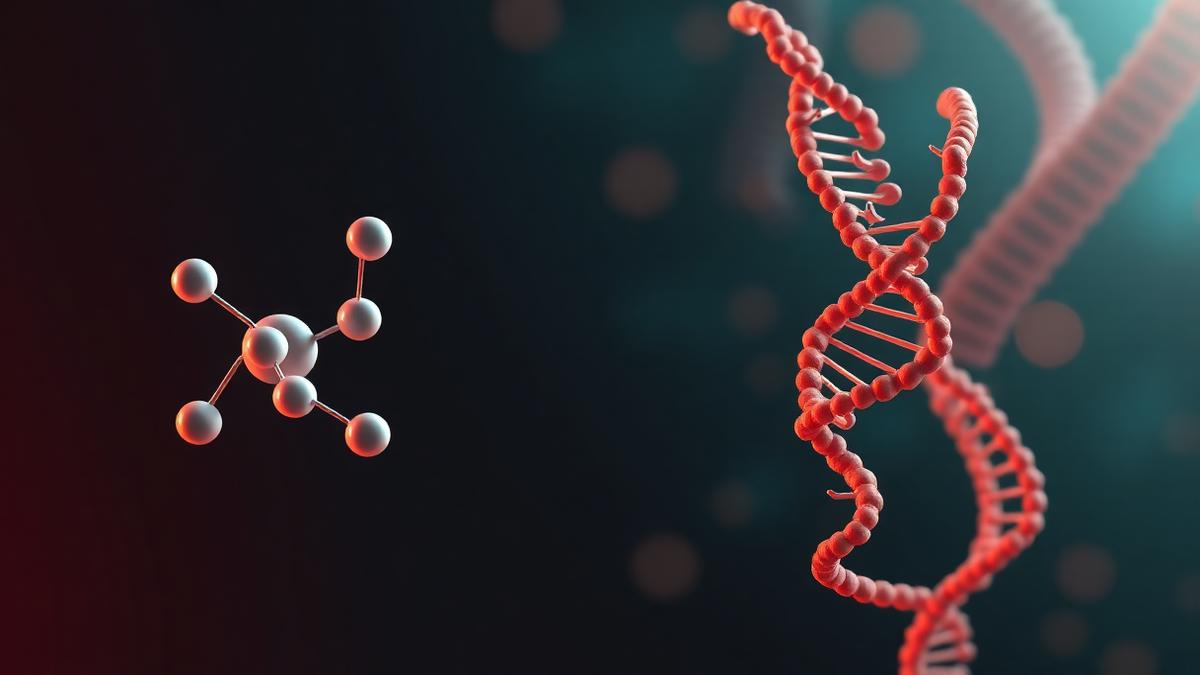
Glutamine aids recovery, while gluten can cause inflammation. The difference is key to health.
Short answer: Glutamine (an amino acid) heals the intestinal lining, while Gluten (a protein complex) can damage it in sensitive individuals. Paradoxically, gluten is the richest natural source of glutamine, but the body cannot break it down effectively. Practical advice: If you have gluten intolerance, take 10-20g of pure L-glutamine (Free Form, from fermentation) to restore your gut — avoid wheat-derived glutamine peptides.
Although the words "glutamine" and "gluten" sound similar, their effects on the body are completely different. One aids recovery, while the other is a problematic ingredient for many people.
Related reading: The comprehensive guide to dietary supplements — over 270 expert-verified articles by Petar Mitkov and the Sport Zona team.
What is the difference between glutamine and gluten?
L-Glutamine is a monomeric amino acid, directly absorbable and serves as the primary nitrogen transporter, while gluten is a complex protein polymer that requires long and difficult breakdown and functions as a storage protein in cereal grains.

What is the chemical link between glutamine and gluten?
Gluten is a protein complex whose components (gliadin and glutenin) contain high concentrations of glutamine and proline, which paradoxically makes it rich in glutamine.
Simply put: We examine how glutamine and gluten molecules connect to understand their structure and functions. You can compare it to disassembling a watch to see how the gears work.
Scientific Sources
- Rao, M., & Madda, T. (2020). The Role of Gluten in Immune-Mediated Disorders. Nutrients, 12(6), 1838. (DOI: 10.3390/nu12061838)
- Kim, H., & Kim, H. Y. (2018). The effect of L-glutamine supplementation on exercise-induced gut permeability. Journal of Nutritional Biochemistry, 54, 91-98. (PubMed: 29241639)
- Macfarlane, E., & Macfarlane, S. (2018). Gut-brain axis and gluten: a critical appraisal. Current Opinion in Food Science, 24, 76-81. (DOI: 10.1016/j.cofs.2018.09.009)
- Cruzat, V. F., Rogero, M. M., & Tirapegui, J. (2018). Effects of supplementation with amino acids on the immune system: an emphasis on glutamine. Amino Acids, 50(2), 273-292. (DOI: 10.1007/s00726-017-2512-y)
We constantly encounter misunderstandings about glutamine and gluten. A common mistake is to talk about "gluten without glutamine," which is completely inaccurate and confusing. A distinction must always be made between a vital amino acid and a food protein.
The breakdown problem: The human digestive tract lacks sufficient enzymes to break the specific bonds between proline and glutamine (proline-specific peptidases).
The result: Gluten remains in large fragments (peptides), which the immune system in sensitive individuals recognizes as a threat, triggering an inflammatory response.
Is glutamine worth it if you have gluten intolerance?
L-glutamine is taken as a primary support for people with gluten intolerance or leaky gut syndrome.
Restoring tight junctions: Glutamine is the main "fuel" for intestinal cells. It helps close the gaps in the intestinal wall caused by the inflammatory reaction to gluten.
Reducing inflammation: It helps suppress local inflammation in the small intestine, improving nutrient absorption.
Hidden Traps: When is Glutamine not Gluten-Free?
This is a key practical aspect for people with Celiac disease. While the amino acid itself is safe, the source and form matter.
Glutamine Peptides: These are often extracted through the hydrolysis of wheat protein. As a result, the supplement may contain residual traces of gluten. For highly sensitive individuals, this can be dangerous.
Cross-contamination during production: Many fitness supplements are produced in factories where oat or wheat proteins are processed. Always look for a "Certified Gluten-Free" certificate.
L-Glutamine (Free Form): Look for products manufactured through fermentation (usually from corn or sugar beet). These are safe for people avoiding gluten.
Which is more important: glutamine for recovery or avoiding gluten to reduce inflammation?
Use L-GLUTAMINE if:
- You have been diagnosed with Celiac disease or non-celiac gluten sensitivity and want to speed up gut healing.
- You want to reduce bloating and gas after accidental gluten consumption.
- You are looking for a pure product (Free Form) with guaranteed high purity.
Avoid GLUTAMINE PEPTIDES if:
- You have any form of wheat or gluten intolerance.
- Glutamine peptides are better absorbed by muscles but pose a risk to intestinal safety in sensitive individuals.
Glutamine is an amino acid that plays a key role in muscle recovery, while gluten is a protein that can cause an inflammatory reaction in some people.
For complete recovery and gut health support, try a combination of 5-10g of pure L-Glutamine after training and before bed, along with a probiotic with 20-30 billion live cultures in the morning on an empty stomach.
How much glutamine should I take daily for gut recovery?
The recommended dose of pure L-glutamine for gut recovery is 10–20 grams per day, divided into two doses — in the morning on an empty stomach and before bed.
Synergistic effect: Combine with probiotics and zinc-carnosine for maximum effect on the intestinal lining.
Expert Conclusion
Always differentiate between Glutamine (amino acid), Glutamate (neurotransmitter), and Gluten (protein complex). While glutamine supports the gut, excessive glutamate intake can overexcite the nervous system. Gluten, although it contains glutamine, is difficult to digest and dangerous for Celiac patients. When choosing a supplement, always check if it is "Free Form" and produced through fermentation.
🧭 When to Choose What?
- Choose Glutamine for faster post-workout recovery, immune system support, and improved gut health.
- Avoid Gluten if you have been diagnosed with Celiac disease, gluten intolerance, or suffer from inflammatory conditions like Irritable Bowel Syndrome.
- Consult a specialist if you are unsure about the impact of gluten on your condition or are seeking a specific dietary plan.
📖 What are Glutamine and Gluten?
Glutamine is an amino acid important for muscle recovery and gut health. Gluten is a protein found in wheat, barley, and rye; it can cause inflammation and damage to the intestines in people with celiac disease or sensitivity.
⚖ Pros and Cons
| Pros | Cons |
|---|---|
|
|
🗣 Explained Simply
Glutamine is important for muscle recovery after training, especially with greater exertion. It helps the body recover faster so you are ready for the next workout. Gluten is different – it's a protein in grains that causes problems for some people because their bodies can't process it well, leading to inflammation.
Choose the right product for your goal:
→ Glutamine for immune system support and muscle recovery
→ BCAA for muscle protection and recovery without gluten
→ Omega-3 for anti-inflammatory effects
Combined protocol for maximum effectiveness:
Combining products increases effectiveness. According to Sport Zona practice.
⚖ When to Choose Glutamine
- If the athlete has Celiac disease or gluten sensitivity and wants to heal their gut.
- If the athlete wants to reduce bloating and gas after accidental gluten consumption.
- If the athlete is looking for pure L-glutamine produced through fermentation (Free Form).
- If the athlete wants faster recovery after intense workouts and gut support.
⚖ When to Choose Gluten
- Gluten is not an option for athletes with Celiac disease or intolerance due to the risk of inflammation.
- Gluten is not recommended for leaky gut syndrome due to damage to the intestinal lining.
- Gluten is not an option for athletes seeking directly absorbable proteins.
- Gluten peptides are not suitable for sensitive athletes due to residual gluten traces.
Expert Note from Sport Zona
For over 12 years, we have observed the reactions of Bulgarian athletes to gluten and glutamine. For many of them, gluten is a serious problem, while glutamine is key for rapid recovery. Differentiating between them is necessary to achieve the best results and maintain health.
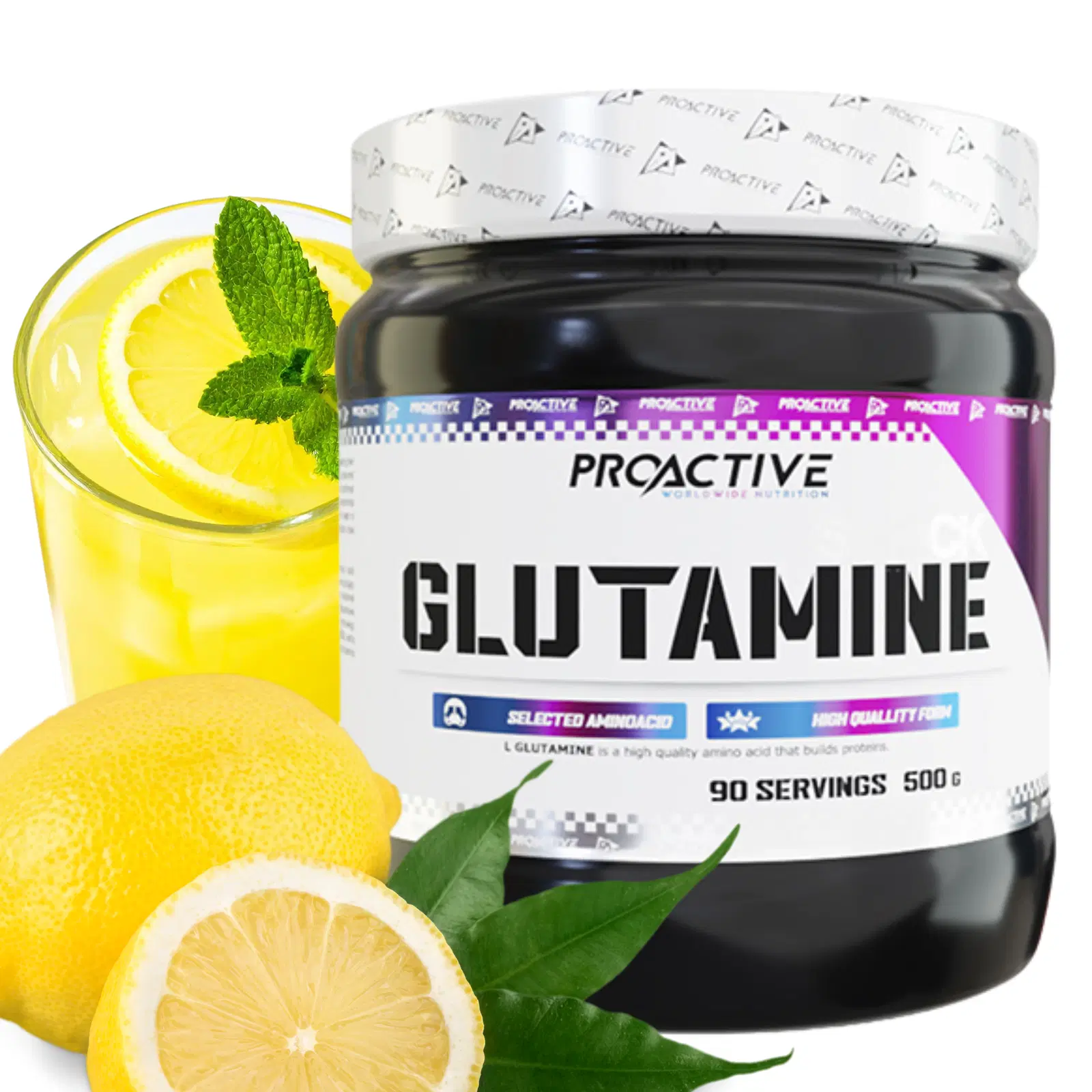
Recommended products
Frequently asked questions
What is the main difference between L-glutamine and gluten?
L-glutamine is an amino acid that aids in the recovery of the intestinal lining. Gluten is a protein complex that can cause inflammation and intestinal damage in some individuals.
Can a person with Celiac disease take L-glutamine?
Yes, pure free-form L-glutamine produced through fermentation is safe and even beneficial for people with Celiac disease to help repair the intestinal lining. It is important to avoid products containing glutamine peptides due to the risk of residual gluten.
When is it recommended to take L-glutamine?
L-glutamine is recommended for individuals with issues like gluten intolerance or leaky gut syndrome to support intestinal wall healing. It can also be taken to accelerate recovery after physical exertion.
Is there a risk from consuming gluten for people who need L-glutamine?
Yes, gluten is potentially dangerous for people with Celiac disease or gluten sensitivity, as it can trigger a strong inflammatory response and damage to the intestinal lining. Pure L-glutamine helps with recovery from such damage.