Gluten vs. Lectins: Intestinal Barrier and Systemic Inflammation
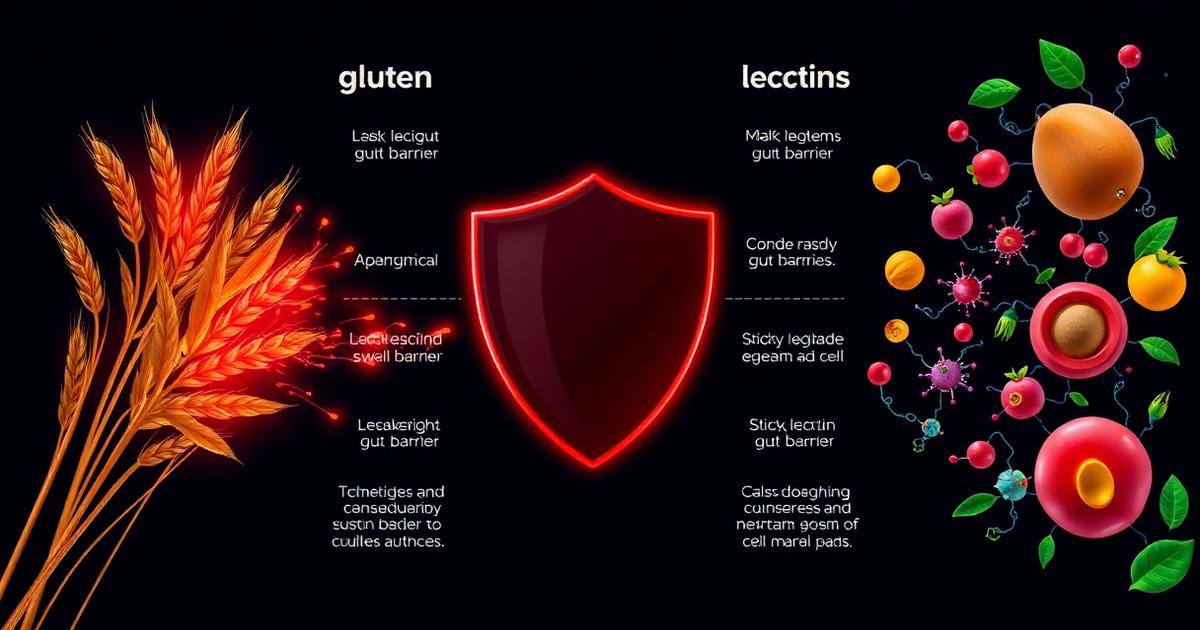
How "invisible" proteins affect recovery and joint health. Gluten stimulates zonulin and increases intestinal permeability, while lectins bind to cell walls and block the absorption of calcium, zinc, and iron in athletes.
In 2026, sports gastroenterology views diet not just as fuel, but as "immune software". For the athlete, avoiding these proteins is not just a trend, but a strategy to minimize "background" inflammation that consumes metabolic energy needed for recovery.
📊 Comparative Matrix: System Analysis
| Characteristic | Gluten (Gliadin/Glutenin) | Lectins (Plant Agglutinins) |
|---|---|---|
| Origin | Wheat, barley, rye | Legumes, Grains, Nightshades (Solanaceae) |
| Mechanism | Increases Zonulin (Leaky Gut) | Binds to carbohydrates on cell walls |
| Primary Risk | Autoimmune response, Bloating | Nutrient blocking, Joint pain |
| Thermal Stability | Very high | Low (destroyed by cooking) |
| Effect on Joints | Indirect (via inflammation) | Direct (mimics joint proteins) |
| Bioavailability | Difficult to digest | Inhibits absorption of Ca, Zn, Fe |
🧬 In-depth Analysis of Mechanisms for Athletes
1. Gluten: "The Zonulin Trigger"
Even in athletes without celiac disease, gluten (specifically gliadin) can stimulate the release of the protein zonulin.
💬 Simply put: Imagine your intestines as a coffee filter. Gluten is like poking holes in the filter, allowing unwanted particles to pass through.
🔓 Leaky Gut Syndrome
Zonulin loosens the tight junctions of the intestinal barrier. For the athlete, this means undigested food particles and endotoxins enter the bloodstream, activating the immune system and leading to chronic fatigue.
📈 Glycemic Stress
Most gluten-containing foods (pastries) have a high glycemic index, leading to insulin spikes followed by lethargy – a state incompatible with peak performance.
2. Lectins: "The Sticky Antinutrients"
Lectins are part of plants' defense system against predators. In the human body, they act like "glue."
💬 Simply put: Lectins are like "nutrient thieves" that stick to the intestinal walls and prevent the body from absorbing important vitamins and minerals, similar to a highway blockade.
🧬 Molecular Mimicry
Some lectins resemble proteins in human joints and the myelin sheath of nerves. The immune system can get confused and attack the athlete's own tissues, causing unexplained knee or elbow pain.
⚙️ Nutrient Absorption Interference
Lectins can bind to essential minerals like calcium, zinc, and iron, preventing their absorption. This can lead to deficiencies, impacting energy levels and muscle function.
💡 Strategies for Athletes
To mitigate these effects, athletes can adopt several strategies:
- Reduce Inflammatory Foods: Minimize intake of gluten and lectin-rich foods. Consider protein sources that are easier to digest.
- Focus on Nutrient Density: Prioritize whole, unprocessed foods rich in vitamins and minerals.
- Gut Health Support: Incorporate probiotics and prebiotics to strengthen the intestinal barrier.
- Smart Carbohydrate Choices: Opt for low-glycemic carbohydrates to maintain stable energy levels.
- Proper Food Preparation: Cooking methods can significantly reduce lectin content.
🏋️♀️ Performance Optimization
By understanding and managing the impact of gluten and lectins, athletes can unlock new levels of performance. This involves a holistic approach to nutrition, focusing on what fuels the body and what hinders it.
A well-structured diet is crucial. For instance, understanding the role of specific nutrients like zinc and iron can make a significant difference.
Furthermore, incorporating exercises like the squat with proper technique and ensuring adequate recovery are vital components of an athlete's regimen.
Consider the benefits of specific supplements, such as omega-3 fatty acids, and ensure your training includes exercises like the overhead press.
Remember, a balanced diet, combined with smart training and recovery, is key to achieving peak athletic potential.
Recommended products
Frequently asked questions
Should all athletes avoid gluten?
Not necessarily. But if you experience brain fog, chronic bloating, or skin issues after eating, a 3-4 week elimination diet can show if gluten is a factor. Athletes like Djokovic report significant improvement.
How do I neutralize lectins in legumes?
Soak legumes for 24 hours, changing the water, and cook them in a pressure cooker. This neutralizes lectins to practically 100%. Simple boiling is not enough for complete breakdown.
Is Sourdough bread safe for gluten sensitivity?
The long fermentation in Sourdough breaks down a significant portion of gluten and lectins, making the bread more tolerable. It's not suitable for celiac disease, but for mild sensitivity, it can be a good alternative.
Which vegetables contain the most lectins?
Nightshade vegetables (tomatoes, peppers, eggplants) and legumes contain the most lectins. For tomatoes and peppers, peeling and removing seeds drastically reduces the lectin load.