Beef Protein vs. BCAA: Full Building Capacity vs. Metabolic Signal

Beef protein provides building blocks for muscles, while BCAAs unlock a signal for muscle growth. The choice depends on your goals.
Short answer: Beef protein is the "full software package" (complete with 9 essential amino acids), while BCAAs are a "quick shortcut" (only 3 amino acids) that signal for synthesis. BCAAs are effective for reducing fatigue and a rapid insulin response, but cannot build muscle without complete protein. Practical advice: For maximum effect, combine 5-10g of BCAAs during training for energy and focus, followed by 30g of beef protein isolate after training for complete recovery and muscle growth.
Comparing beef protein and BCAAs, we choose between two approaches to the body. Beef protein provides the amino acids for muscle building, while BCAAs signal the body to start this process.
This article is part of the Expert Hub for Nutritional Supplements — over 270 expertly verified articles by Petar Mitkov and the Sport Zona team.
What is a Comparative Matrix for Functional Analysis?
A comparative matrix for functional analysis is a detailed table that compares the characteristics of beef protein (isolate/meat) and BCAAs (2:1:1 ratio) in terms of their biological status, anabolic effect, impact on fatigue, insulin response, digestion time, and caloric density.

| Characteristic | Beef Protein (Isolate/Meat) | BCAAs (2:1:1 Ratio) |
|---|---|---|
| Biological Status | Complete Protein (9 EAAs) | Incomplete (only 3 amino acids) |
| Anabolic Effect | High (builds tissue) | Moderate (signals for synthesis) |
| Impact on Fatigue | Indirect (through recovery) | Direct (blocks tryptophan in the brain) |
| Insulin Response | Moderate | High (Leucine is insulinogenic) |
| Digestion | Requires enzymes (45-90 min) | Instant (15-30 min) |
| Caloric Density | ~100-120 kcal per serving | ~20-40 kcal per serving |
Where Lies the Full Building Capacity, in Beef Protein or BCAAs?
1. Beef Protein: The Complete Anabolic Arsenal
The synthesis of new muscle protein is achieved when the body has all 20 amino acids (9 essential + 11 non-essential) required for its construction.
Simply put: This section explains how each part works to understand the system, not just the end result.
Scientific Sources
- Morton, R.W., et al. (2018). - "The effect of protein supplementation on muscular strength and hypertrophy: A systematic review and meta-analysis." British Journal of Sports Medicine. (DOI: 10.1136/bjsports-2017-097608)
- Stark, M., et al. (2012). - "The effect of protein timing on muscle strength and hypertrophy: a meta-analysis." Journal of the International Society of Sports Nutrition. (DOI: 10.1186/1550-2783-9-54)
- Jackman, S.R., et al. (2017). - "Branched-chain amino acid ingestion before resistance exercise does not enhance training-induced臾 adaptations in college-aged men." FASEB Journal. (PMID: 29054944)
- Phillips, S.M. (2017). - "A brief review of critical processes in exercise-induced muscular adaptation." Journal of the International Society of Sports Nutrition. (DOI: 10.1186/s12970-017-0181-z)
Expert Note
A common mistake is to rely solely on BCAAs for muscle growth. BCAAs provide an anabolic signal, but without complete protein (like beef), the "building material" is often insufficient. Maximum results are achieved with a combination or by prioritizing complete protein, especially after training.
- The "All or Nothing" Effect: If even one essential amino acid is missing (e.g., histidine or lysine, which are absent in BCAAs), the muscle-building process stops. Beef protein ensures the availability of these amino acids.
- Creatine Combined Effect: The natural presence of creatine in beef sources (even in some isolates) aids in ATP resynthesis, which BCAAs cannot do.
2. BCAAs: The Metabolic Key
The three amino acids (Leucine, Isoleucine, Valine) have a unique metabolic pathway.
- The Leucine Threshold: Leucine is the "igniter" of muscle protein synthesis by activating the mTOR pathway. BCAAs help to cross this threshold quickly without requiring a full meal.
- Central Fatigue: During exercise, BCAAs compete with the amino acid tryptophan for passage into the brain. More BCAAs mean less serotonin (which causes drowsiness), leading to increased endurance.
What is "Collagen Beef Protein"?
Warning: Collagen is not an anabolic protein
"Collagen beef protein" is a common misconception where consumers buy beef protein powder, believing it to be a complete source of all the amino acids the body needs.
- The Problem with Collagen: If beef protein is gelatin/collagen-based, it is rich in glycine and proline but poor in BCAAs and tryptophan.
- The Solution: Always check the amino acid profile on the label. Quality beef isolate should be fortified with BCAAs to have an anabolic potential similar to dairy proteins.
How to Choose Between Beef Protein and BCAAs?
Choose BEEF PROTEIN if:
- You want maximum recovery after training.
- You are looking for a meal replacement that will keep you full.
- You have lactose or whey intolerance.
- Your goal is long-term muscle mass accumulation.
🔵 Choose BCAAs if:
- You train on an empty stomach and want to stop muscle breakdown.
- You do long cardio sessions (over 90 min) or marathons.
- You need a refreshing drink during training that doesn't weigh down your stomach.
- You are already consuming enough total protein but want to optimize the time between meals.
The choice between beef protein and BCAAs is guided by specific goals and needs: beef protein is suitable for maximum recovery, meal replacement, lactose intolerance, and long-term muscle mass gain, while BCAAs are ideal for training on an empty stomach to prevent muscle breakdown, during long cardio sessions, or as a refreshing drink with already sufficient protein intake.
For good muscle growth and recovery, I recommend: 1 scoop of beef protein isolate (about 25-30g protein) immediately after training, combined with 5g of creatine monohydrate. BCAAs can be optionally added before or during training (5-10g) to reduce fatigue, but they do not replace complete protein.
When to Choose Beef Protein and When BCAAs?
🟣 Why choose when you can synchronize them?
- During training: 5-10g BCAAs in 500ml water. This maintains focus and reduces fatigue in real-time.
- After training: 30g Beef Protein Isolate. It delivers the "bricks" after BCAAs have given the signal to build.
- On a strict diet: Use BCAAs between meals to maintain muscle tone without excess calories.
The Mutual Amplification Protocol (2026) is a strategy for optimizing muscle growth by integrating the intake of beef protein and BCAAs, utilizing their complementary mechanisms of action.
- Choose beef protein if you are looking for a complete spectrum of amino acids for maximum muscle growth and recovery.
- Choose BCAAs if your goal is direct stimulation of protein synthesis and reduction of muscle fatigue during training.
- Combine both if you want a rapid influx of signaling amino acids followed by a more sustained release of building blocks for peak results.
- Choose beef protein if you prefer a natural product with minimal processing.
📖 What are Beef Protein and BCAAs?
Beef protein is a protein powder derived from beef, providing a complete spectrum of amino acids. These are important for muscle mass and recovery. BCAAs (branched-chain amino acids) – leucine, isoleucine, and valine – are specific amino acids that are important for muscle growth and energy.
⚖ Pros and Cons
| Pros | Cons |
|---|---|
|
|
🗣 Simply Explained
Beef protein is like getting a full toolkit for repairs – it has all the necessary amino acids to rebuild your muscles after training. BCAAs, on the other hand, are like a few key screwdrivers – they can give a quick signal to start the repair process, but don't contain everything needed.
Choose the right product for your goal:
→ Beef Protein Hydrolysate
→ BCAA Powder or Capsules
→ Complex Amino Acids
Combined Protocol for Maximum Effectiveness:
Combining products increases effectiveness. This is based on practical data.
⚖ When to Choose Beef Protein
- If you are an athlete seeking maximum recovery and growth after strength training.
- If you are an athlete with lactose intolerance who needs an alternative protein.
- If your goal is long-term muscle mass and strength gain.
- If you need a complete protein meal replacement.
⚖ When to Choose BCAAs
- If you are an athlete training on an empty stomach and want to prevent muscle breakdown.
- If you are an athlete performing long cardio sessions over 90 minutes or marathons.
- If you need a refreshing drink during training that doesn't weigh down your stomach.
- If you consume enough protein but want to optimize the time between meals.
Expert Note from Sport Zona
From my work and observations with dozens of athletes over the years, I have always emphasized the intake of complete protein. BCAAs are useful in specific situations, such as maintaining muscle during prolonged training or during a calorie deficit period, but they can never replace the complexity of whey, beef, egg, or plant-based protein. The balance between these two components has always led to good results.
Recommended products

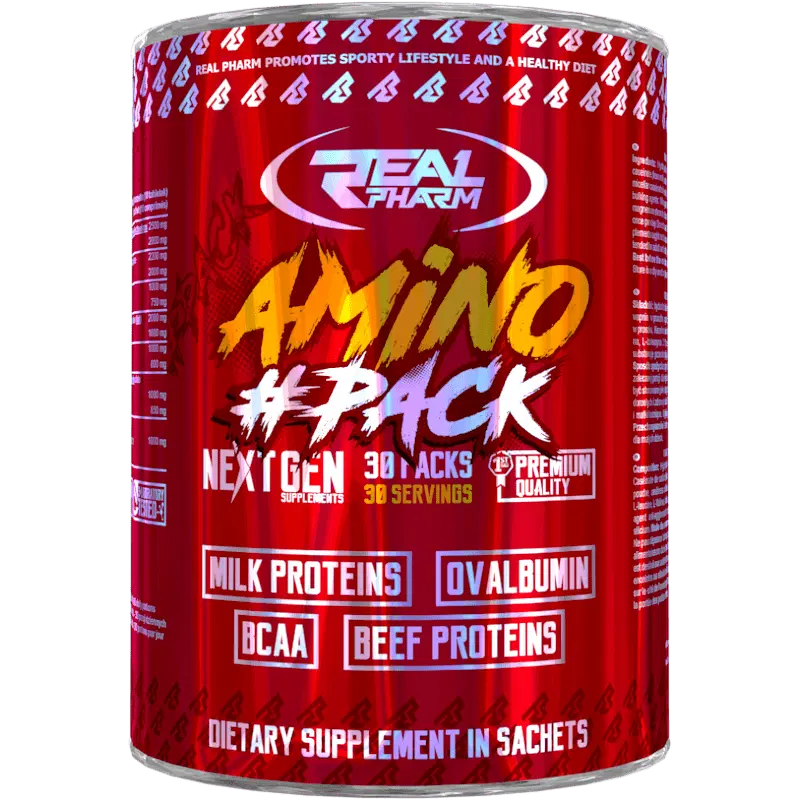
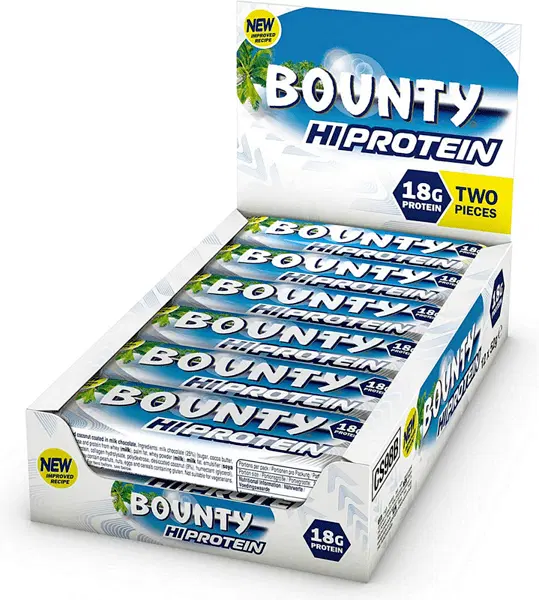
Frequently asked questions
When is it most appropriate to take beef protein and when BCAAs?
Beef protein is ideal for post-workout recovery and as a meal replacement when the goal is long-term muscle mass building. BCAAs are more suitable for fasted training, extremely long cardio sessions, or as a refreshing drink during training.
Can beef protein and BCAAs be taken together?
Yes, these two supplements can work synergistically. BCAAs can be taken during training to reduce fatigue, followed by beef protein immediately after training to provide the building blocks for muscle growth.
What is the main difference between beef protein and BCAAs?
Beef protein is a complete source of all essential amino acids, acting as the primary building material for muscles. BCAAs are only three essential amino acids that serve more as a signal to initiate muscle synthesis, rather than direct building blocks.
Is it safe to take BCAAs without enough other proteins?
Taking BCAAs without enough complete protein in the system can be ineffective for muscle growth. They act as a signal, but if the necessary building blocks are missing, the signal cannot be fully executed.