Beef Protein vs. Casein: The Hypoallergenic Choice vs. The Nighttime Builder
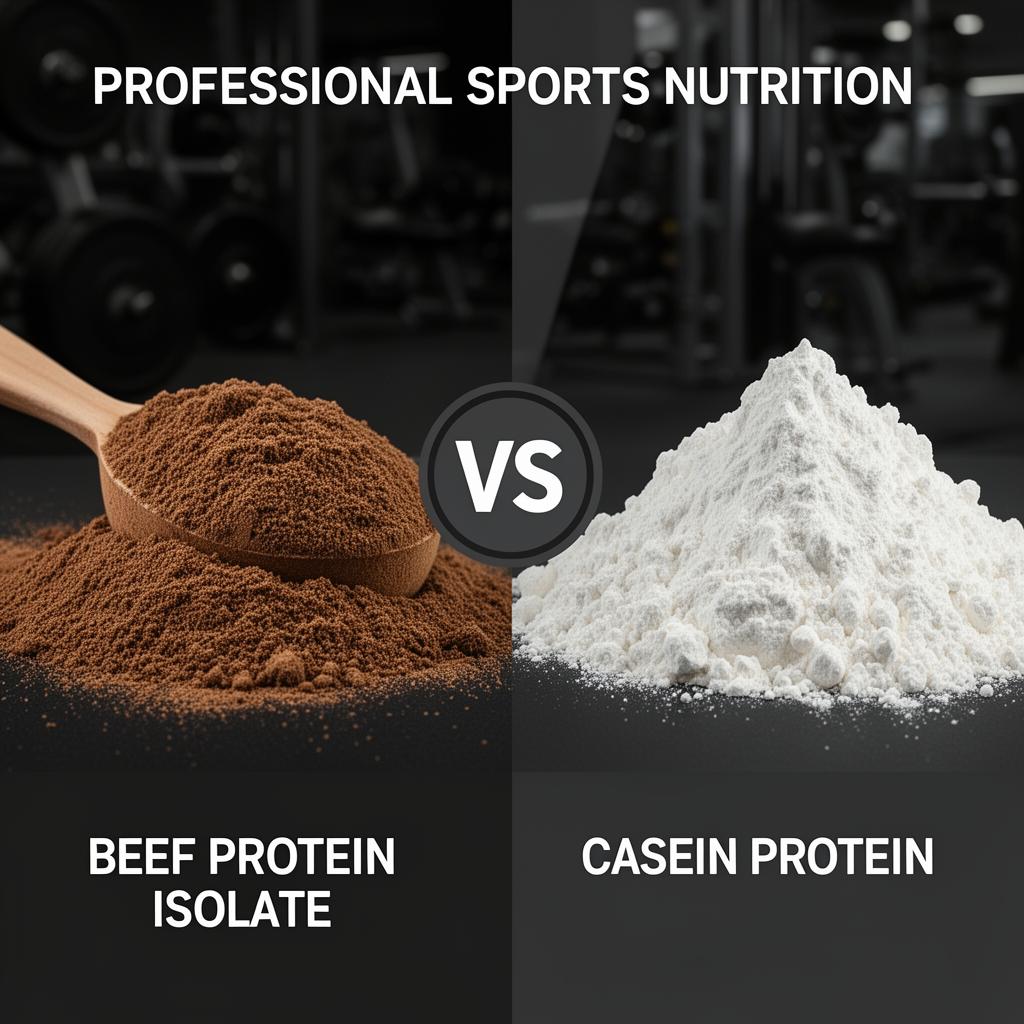
Beef protein offers rapid absorption and a high concentration of anabolic amino acids, while casein provides slow and sustained release for long-lasting muscle support. The choice depends on goals and timing.
Beef Protein vs. Casein: A Complete Comparison for Athletes
Welcome, future champions, to Sport Zona Academy! Today, we'll delve deep into two of the most popular forms of protein used by athletes worldwide – beef protein and casein. Choosing the right protein can be key to achieving your fitness goals, whether it's muscle growth, recovery, or maintaining body mass. Let's find out which of these powerful allies is more suitable for you at different stages of your training routine.
A Brief Introduction to the World of Proteins:
Proteins are macronutrients vital for building and repairing tissues, including muscles. For athletes, they are particularly important, as intense training leads to micro-tears in muscle fibers that require amino acids for repair and growth. Different protein sources offer unique amino acid profiles and absorption rates, making them suitable for different goals and times of the day. Let's understand which of these powerful allies is more suitable for you at different stages of your training routine.
Comparison Table: Beef Protein vs. Casein
| Characteristic | Beef Protein | Casein |
|---|---|---|
| Source | Beef (isolate) | Milk (primarily milk protein) |
| Absorption Rate | Fast to moderate | Slow (up to 7-8 hours) |
| Amino Acid Profile | Rich in creatine, iron, BCAAs | Complete amino acid profile, rich in glutamine |
| Purpose | Post-workout, anytime | Before sleep, between meals |
| Suitable for | Those seeking muscle growth, avoiding dairy | Maintaining muscle mass, preventing catabolism |
| Additional Benefits | May contain collagen, supports joints | High satiety, sustained amino acid release |
In-depth Analysis:
Beef Protein (Hydrolyzed Beef Protein Isolate)
Beef protein is a relatively new player in the protein supplement market but is rapidly gaining popularity. It is derived from beef, undergoing a hydrolysis process to break down proteins into smaller peptides, which enhances absorption. Beef protein isolate is pure, with minimal fat and carbohydrate content (including lactose), making it an excellent choice for individuals with lactose intolerance or dairy allergies.
- Advantages:
- Lactose-Free: Suitable for individuals with lactose intolerance.
- Rich in Amino Acids: Complete amino acid profile, including high levels of BCAAs (Branched-Chain Amino Acids), crucial for muscle growth and recovery.
- Natural Creatine Content: Some formulas retain the naturally occurring creatine from beef, which can further support strength and muscle mass.
- Source of Collagen: Often contains collagen, beneficial for joint, skin, and hair health.
- Fast Absorption: Hydrolyzed forms are absorbed relatively quickly, though not as rapidly as whey hydrolysate, making it a good choice post-workout or between meals.
- Disadvantages:
- Taste and Texture: Some users find its taste and texture less appealing compared to dairy proteins.
- Price: Generally more expensive than whey protein.
- Less Research: Despite growing popularity, there is less long-term research specifically on beef protein compared to whey or casein.
Simply put: Imagine you want to fuel your muscles with building blocks, but you're sensitive to dairy or want all the benefits of meat without the meat itself. Beef protein is your fast, clean shot at recovery and growth, with the added bonus of healthy joints!
Casein (Micellar Casein)
Casein is the primary protein in milk, making up about 80% of the total protein content. Its uniqueness lies in its ability to form a gel in the stomach, significantly slowing down digestion and gradually releasing amino acids into the bloodstream over many hours (up to 7-8 hours). This "slow and steady" amino acid delivery makes casein a good choice for maintaining a positive nitrogen balance and preventing muscle catabolism, especially during periods of fasting like sleep.
- Advantages:
- Slow Release: Provides a sustained amino acid supply over an extended period, ideal for pre-sleep intake.
- Anti-Catabolic Effect: Effectively prevents muscle breakdown, especially overnight or during long breaks between meals.
- High Satiety: Due to its slow digestion, casein can help reduce appetite, which is beneficial for weight loss diets.
- Rich in Glutamine: An important amino acid for recovery and immune function.
- Quality Research: Well-researched and proven effective for muscle growth and recovery.
- Disadvantages:
- Contains Lactose: Individuals with lactose intolerance should avoid it or look for hydrolyzed casein (though it's less common than hydrolyzed whey protein).
- Not Ideal Post-Workout: Due to its slow absorption, it's not the best choice for immediate recovery after intense exercise when the body needs a rapid influx of amino acids.
- Less BCAAs than Whey: Although a complete protein, it contains relatively fewer BCAAs compared to whey protein.
Simply put: Think of casein as your muscle's night guard. It works slowly and steadily to ensure that while you sleep or go long periods without food, your muscles still receive nutrients to prevent breakdown. Plus, it'll keep you feeling full longer!
The Combined Effect: Why Combine?
The best results are often achieved by combining the benefits of different proteins. Whey protein (fast) is good post-workout to kick-start rapid recovery. Casein (slow) is excellent before sleep or between meals to maintain a steady amino acid supply. Beef protein can play the role of a "universal player" – good post-workout if you want a dairy-free option, or as a supplement during the day. Many athletes use a combination of proteins throughout the day to optimize muscle growth, recovery, and catabolism prevention.
For example, you could take beef protein after your workout for rapid, dairy-free recovery, and before bed, rely on casein for overnight muscle support. This synergistic effect ensures a full spectrum of absorption and amino acid support 24/7.
Practical Protocol with Dosages (€):
General Rule: Aim for 1.6 - 2.2 grams of protein per kilogram of body weight for active athletes.
- Post-Workout (within 30-60 minutes):
- Beef Protein: 25-35 grams (approx. 1 scoop). Price: Average 1.50 - 2.50 € per serving.
- Why: Rapid delivery of amino acids, crucial for initiating muscle repair and protein synthesis after physical exertion, without lactose.
- Before Sleep:
- Casein: 25-35 grams (approx. 1 scoop). Price: Average 1.20 - 2.00 € per serving.
- Why: Its slow release provides a sustained amino acid supply throughout the night, preventing muscle breakdown (catabolism) and aiding recovery.
- Between Meals / During the Day:
- You can use either Beef Protein or Casein, depending on your goal.
- Beef Protein (20-30g): If you aim for quick protein intake without dairy or if you're feeling hungry.
- Casein (20-30g): If you need a longer feeling of fullness or know it will be a long time until your next meal.
When to Choose Which?
The choice between beef protein and casein depends on your individual needs, goals, and preferences:
- Choose Beef Protein if:
- You have lactose intolerance or a dairy allergy.
- You are looking for a fast-absorbing protein post-workout but want to avoid dairy.
- You want to support joint health (due to collagen content).
- You aim for muscle mass and strength gains and want an additional source of creatine.
- Choose Casein if:
- You want to prevent muscle breakdown overnight or during long periods without eating.
- You are looking for a protein that keeps you feeling full longer, which is useful for weight loss diets.
- You need a sustained amino acid supply for prolonged recovery.
- You have no issues consuming dairy products.
Choose the Right Product for Sport Zona Academy:
At Sport Zona Academy, we believe in informed choices. Here are some tips when selecting a specific product:
For Beef Protein:
- Look for "Hydrolyzed Beef Protein Isolate" for the purest form.
- Check for added sugars or unwanted fillers.
- Compare the price per serving (typically between 1.50-2.50 €) and grams of protein.
- Read reviews for taste and mixability.
For Casein:
- Look for "Micellar Casein" – this is the best form.
- Ensure it contains as few added sugars as possible.
- Pay attention to the price per serving (typically between 1.20-2.00 €).
- Check for allergens if you are sensitive to dairy.
Expert Note from Sport Zona Academy:
As experts in sports nutrition supplements, we highly recommend not relying on just one form of protein if you aim for maximum results. The right strategy involves using different protein sources to cover the body's needs at different times of the day. Combine fast-absorbing proteins (like whey or beef) for the peri-workout window and slow-absorbing ones (like casein) for rest periods. Always consult with a doctor or dietitian before starting any supplement regimen, especially if you have pre-existing health conditions.
Remember, supplements are just a "supplement" to a well-balanced diet and training program. Without these foundations, even the best protein won't bring you the desired results.
Scientific Sources:
- Reidy, P. T., & Rasmussen, B. B. (2016). Role of Ingested Amino Acids and Protein in the Regulation of Muscle Protein Synthesis. Journal of Nutrition, 146(2), 195-200. - An overview of the role of proteins in muscle protein synthesis.
- Hoffman, J. R., & Falvo, M. J. (2004). Protein – Which is Best?. Journal of Sports Science and Medicine, 3(3), 118–130. - Compares different protein sources.
- Areta, J. L., et al. (2013). Timing and amount of protein intake during resistance exercise training. Journal of Applied Physiology, 114(5), 541-549. - A study on the timing and amount of protein intake.
- Boirie, Y., et al. (1997). Slow and fast dietary proteins modulate postprandial protein accretion. Proceedings of the National Academy of Sciences, 94(26), 14930-14935. - A classic study demonstrating the absorption differences between casein and whey protein. (Although for whey, the principles are similar for fast absorption)
- Stokes, T., et al. (2017). Recent Developments in the Use of Collagen in Combination with Exercise to Promote Muscle Recovery and Strength. Current Sports Medicine Reports, 16(6), pp.453–456. - Focuses on the benefits of collagen, often found in beef protein.
- Kerksick, C. M., et al. (2018). International Society of Sports Nutrition Position Stand: nutrient timing. Journal of the International Society of Sports Nutrition, 15(1), 38. - An extensive review of nutrient timing, including protein.
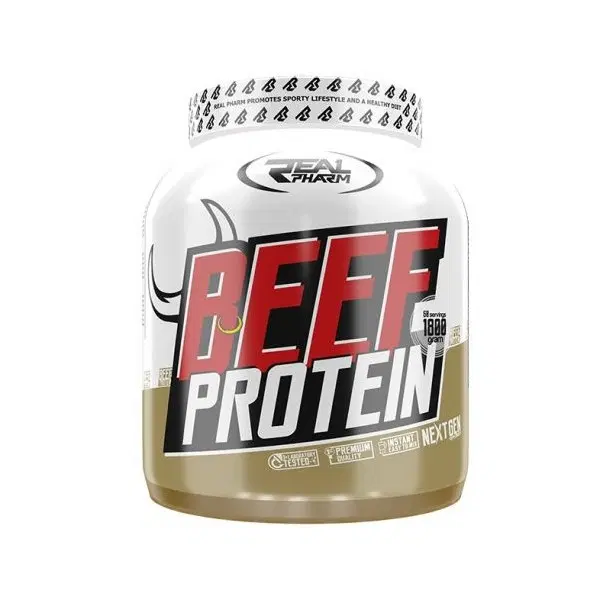
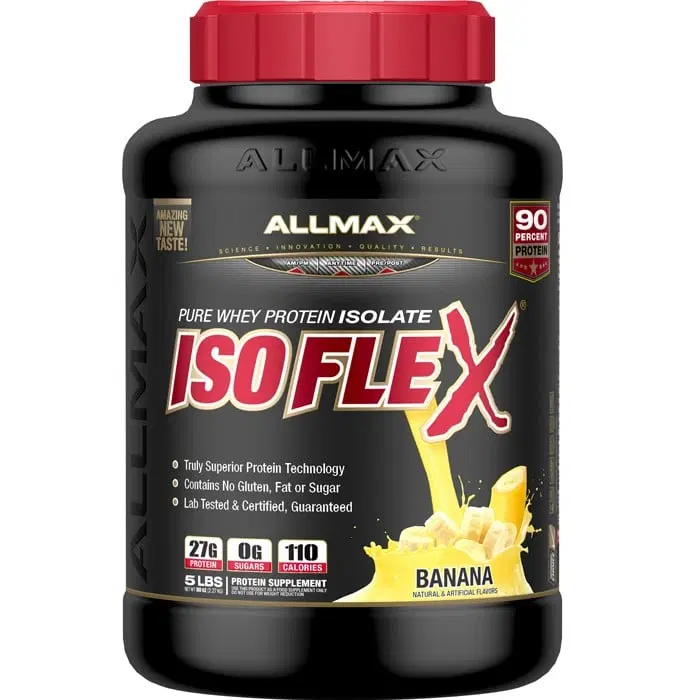
Recommended products

Frequently asked questions
Can Beef Protein and Casein be taken together?
Yes, they can be taken together or at different times of the day. Combining them provides both fast-acting amino acids from beef protein and sustained release from casein, optimizing muscle growth and recovery. This strategy is particularly effective for ensuring a constant supply of nutrients.
Which is better for beginners?
For beginners who are just building their nutritional habits, combining both types of protein is an excellent option. Beef protein is good for post-workout, and casein is good before bed. This ensures adequate protein support throughout the day and night, which is key for maximum results in the beginning.
When is the best time to take them?
Beef protein is best taken before or after training for rapid delivery of amino acids to the muscles. Casein is ideal for evening consumption before bed or between meals when gradual protein release is needed to maintain muscle mass and reduce catabolism.
Are there any side effects?
Both proteins are generally safe for most people when taken in recommended doses. Possible side effects may include digestive discomfort such as bloating or gas, especially at high doses or in individuals with lactose intolerance (for casein). Beef protein is hypoallergenic and rarely causes problems.
What is the dosage?
The recommended dosage for beef protein is around 20-30 grams per serving, and for casein 20-40 grams. The total daily protein intake depends on weight, training intensity, and goals, typically ranging between 1.6 - 2.2 grams per kilogram of body weight. Always follow the manufacturer's instructions and consult with a specialist.