Beef vs. Plant Protein: Anabolic Capacity vs. Metabolic Protection
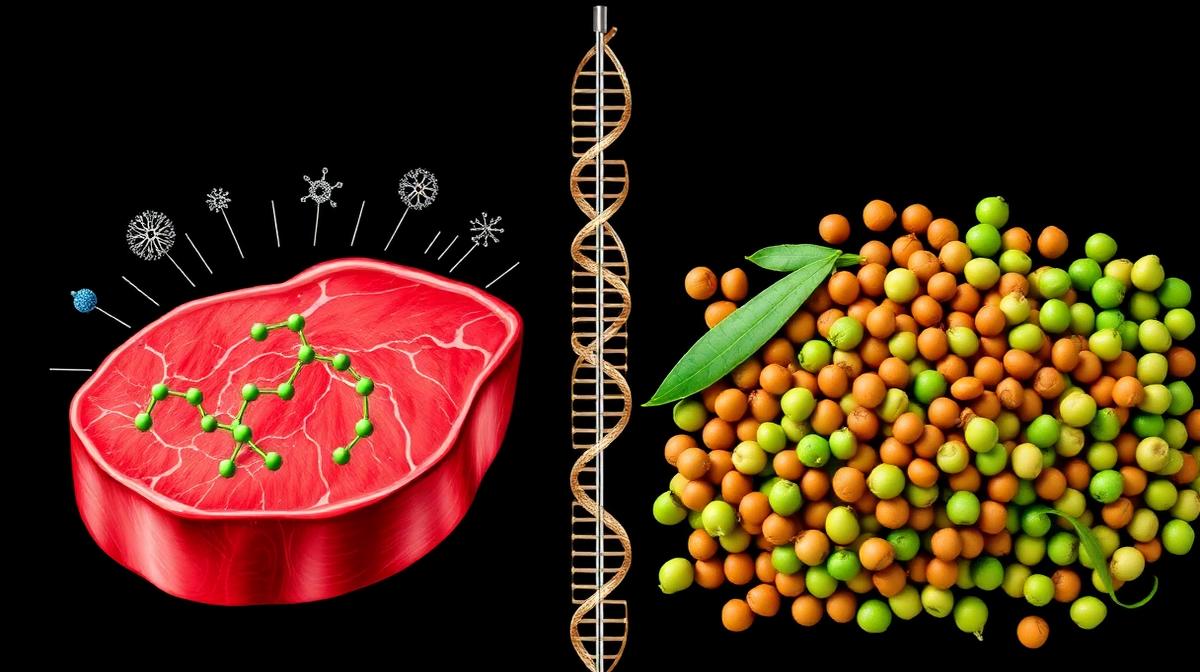
Beef protein provides a direct anabolic effect with creatine and iron, while plant-based offers fiber and antioxidants with heart protection and a smaller ecological footprint.
Short answer: Beef dominates with natural creatine, heme iron, and B12 for strength and endurance, while plant proteins offer fiber, antioxidants, and an alkalizing effect for longevity. The optimal strategy: beef post-workout, plant-based foods throughout the day for metabolic balance.
The difference between beef and plant-based protein isn't just about the amino acids. It's about the overall nutritional profile each brings. Beef comes with creatine and iron, while plants offer fiber and antioxidants. The balance between them ensures a body that is both strong and healthy in the long run.
For a broader perspective, check out the comprehensive guide to sports supplements — over 270 expertly verified articles by Petar Mitkov and the Sport Zona team.
What is the comparative matrix for the biological capabilities and resources of proteins?
The comparative matrix for biological capabilities and resources of proteins is a tabular overview of key characteristics such as biological value (92 for beef, 60-75 for plant-based), anabolic effect (direct and strong for beef, requires higher doses for plant-based), and type of iron (heme for beef, non-heme for plant-based).
llustration-figure" style="margin:24px 0;text-align:center;">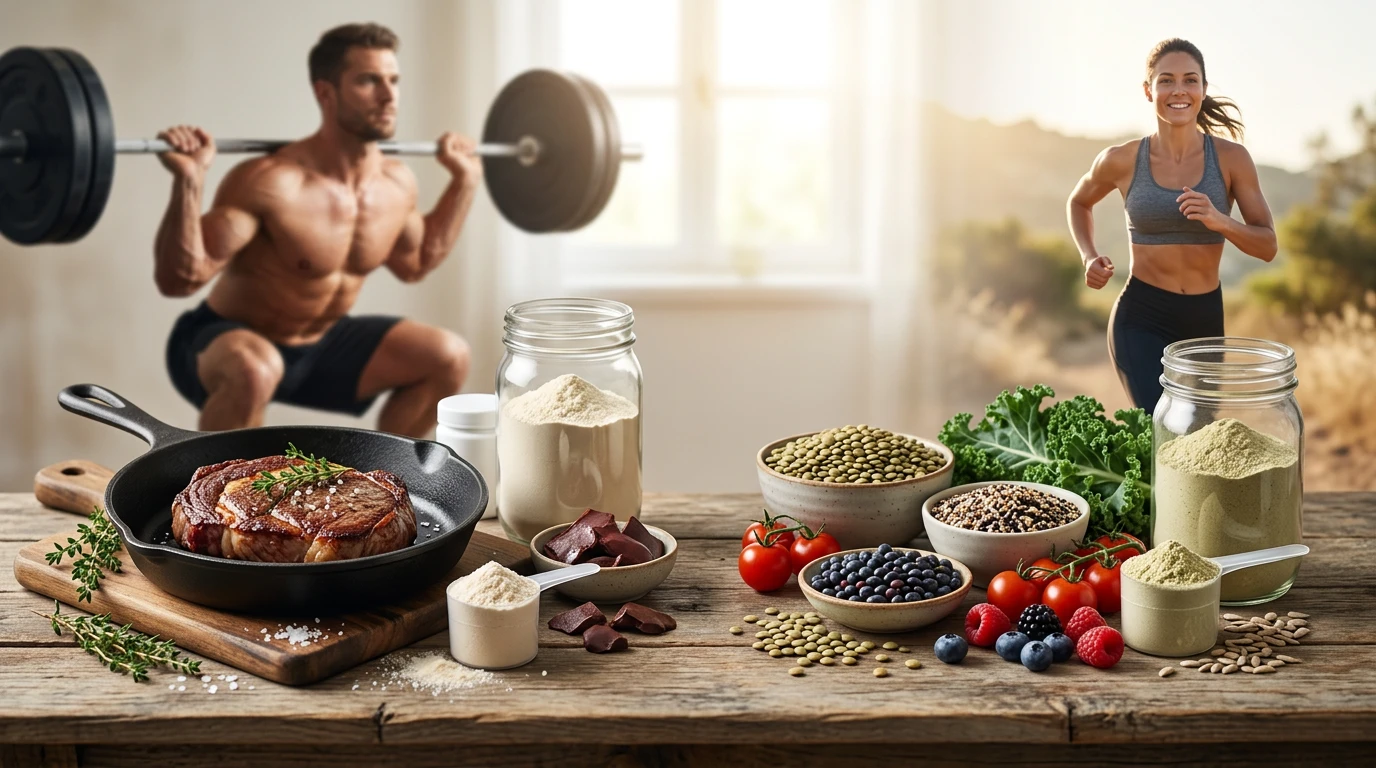 Protein: Anabolic Capacity vs. Metabolic Protection" loading="lazy" style="width:100%;max-width:800px;height:auto;border-radius:12px;box-shadow:0 4px 16px rgba(0,0,0,0.08);" />
| Characteristic | Beef Protein (Lean Beef) | Plant-based Protein (Blend/Isolate) |
|---|---|---|
| Biological Value | 92 (Very High) | 60–75 (Except Soy) |
| Anabolic Effect | Direct and Strong (High Leucine) | Requires higher doses for the same peak |
| Iron | Heme (Easily Absorbed) | Non-heme (Needs Vitamin C) |
| pH Impact | Acidifying | Alkalizing |
| Cardiovascular Risk | May increase LDL (with fatty meats) | Lowers LDL and blood pressure |
| Environmental Footprint | High (Resource-intensive) | Low (Sustainable) |
Which is better: beef or plant-based protein?
1. Beef: The Cellular Accumulator
Beef protein is a complete source of all essential nutrients for optimal athlete development and recovery.
Simply put: We're diving deep into beef protein to understand how it works and why it's effective for muscle growth.
Scientific Sources
- Phillips SM, Chevalier S, Leidy HJ. [2016] - Protein "requirements" beyond the RDA: implications for optimizing health. Applied Physiology Nutrition Metabolism. (PMID: 27926839)
- van Vliet S, Burd NA, van Loon LJ. [2015] - The Skeletal Muscle Anabolic Response to Plant- vs. Animal-Based Protein Consumption. J Nutr. (PMID: 26239926)
- Gorissen SHM, Witard OC. [2018] - Characterising the muscle anabolic potential of dairy, egg and plant protein sources in older adults. Proc Nutr Soc. (PMID: 29773177)
- Gibbs J, et al. [2019] - The Impact of Vegan Diets on Gut Microbiota and Cardiometabolic Health. Curr T op Microbiol Immunol. (DOI: 10.1007/82_2019_169)
Practical Insights
Athletes who combine animal and plant proteins achieve better results for muscle growth and overall well-being. A common mistake is the complete elimination of one group, leading to deficiencies or imbalances. Our observations show that the strength of the "semi-vegetarian" approach comes from the synergistic effect between the two types of protein.
Creatine and Carnosine: Beef is a natural source of creatine, which hydrates muscle cells and increases strength. It also contains carnosine, which acts as a buffer against lactic acid.
B12 and Energy: Vitamin B12 is found only in animal products. It is crucial for red blood cell production and nervous system function.
2. Plants: The Phytochemical Shield
Plant-based protein aids in the body's detoxification.
Endothelial Function: Plant proteins are rich in antioxidants, which improve artery health and reduce systemic inflammation.
Microbiome Focus: The fiber in plant proteins nourishes bacteria that produce short-chain fatty acids (SCFAs), which protect the colon.
What is the relationship between the leucine threshold and DIAAS?
The leucine threshold is approximately 2.5–3g of leucine per meal, needed to activate muscle synthesis. In 100g of beef, this is immediately available, while with plant-based proteins, a double portion (and thus double the calories) is often required to reach the same anabolic threshold.
DIAAS Score: This quality standard indicates that beef is absorbed earlier in the small intestine, while plants often reach the lower parts of the digestive tract undigested.
Which protein to choose: beef or plant-based?
Choose BEEF PROTEIN if:
- You aim for rapid mass and strength gain.
- You are elderly and need to combat sarcopenia.
- You have low hemoglobin or ferritin levels.
- You want to avoid large amounts of carbohydrates and fiber (e.g., on a Keto diet).
Choose PLANT-BASED PROTEIN if:
- Longevity and metabolic health are your priority.
- You have cholesterol issues or high blood pressure.
- You seek weight management through the satiating effect of fiber.
- You have chronic inflammatory conditions or kidney issues.
The choice between beef and plant-based protein represents a crossroads of anabolic capacity and metabolic protection.
For a balanced approach: 1 serving of whey protein in the morning (approx. 25-30g protein) + 1 serving of mixed plant-based protein in the evening (25-30g protein from various plant sources) to improve recovery and gut flora.
What is the Balance (2026) Strategy?
The Balance (2026) Strategy represents the so-called "omnivorous synergy."
Post-workout: Beef isolate or lean meat for a rapid amino acid boost.
Throughout the day: A combination of lentils, chickpeas, or soy. Fiber slows digestion and keeps you full, while antioxidants combat exercise-induced inflammation.
Combining: Adding pea protein to a meat dish can improve the meal's amino acid profile without adding unnecessary saturated fats.
🤖 Expert Note: Be wary of "Vegan Burger" substitutes. They are often highly processed and contain more sodium and unhealthy fats than a clean beef steak. If you choose plants, opt for whole foods or pure isolates (pea/rice/hemp).
🧭 When to Choose Which?
- Choose beef protein if the goal is maximum muscle growth and recovery.
- Choose plant-based protein if the priority is metabolic protection, reducing inflammatory processes, and cardiovascular health benefits.
- Combine both if you wish to achieve synergy between anabolic capacity and metabolic protection, while enriching your diet with diverse nutrients.
📖 What is Beef Protein and Plant-based Protein?
Beef protein is derived from beef and offers a complete range of amino acids essential for muscle growth and recovery. Plant-based protein comes from various sources like peas, rice, soy, or hemp and also provides amino acids, often combined to achieve a complete profile. Beef proteins are valuable for anabolic capacity, while plant-based options offer benefits for metabolic protection and are suitable for individuals with dietary restrictions.
⚖ Pros and Cons
| Pros | Cons |
|---|---|
|
|
🗣 Explained Simply
Beef protein is like a ready-made foundation for building muscle because the body recognizes and uses it quickly for growth. Plant-based protein, for example from peas or rice, can be easier on the stomach and offer additional health benefits. It's often good to combine different types to get all the necessary amino acids.
Choose the right product for your goal:
→ Plant-based protein powder
→ Beef protein powder
→ Amino Acids (BCAA/EAA)
Combined protocol for maximum effectiveness:
Combining products increases effectiveness. According to Sport Zona practice data.
⚖ When to choose Beef
- If the goal is rapid muscle mass gain and maximum strength.
- If you are elderly and need to combat sarcopenia.
- With low hemoglobin or ferritin levels.
- If you are on a keto diet and avoid carbohydrates and fiber.
⚖ When to choose Plant-based Protein
- If the priority is longevity and metabolic health.
- With cholesterol issues or high blood pressure.
- If you seek weight management through the satiating effect of fiber.
- If you have chronic inflammatory conditions or kidney issues.
Expert Note from Sport Zona
From my work with athletes over the past 12+ years, I see that combining different protein sources often yields the best long-term results. Pure beef protein is often preferred for its anabolic properties, but combining it with plant-based sources aids recovery from oxidative stress and ensures better digestion.
Recommended products
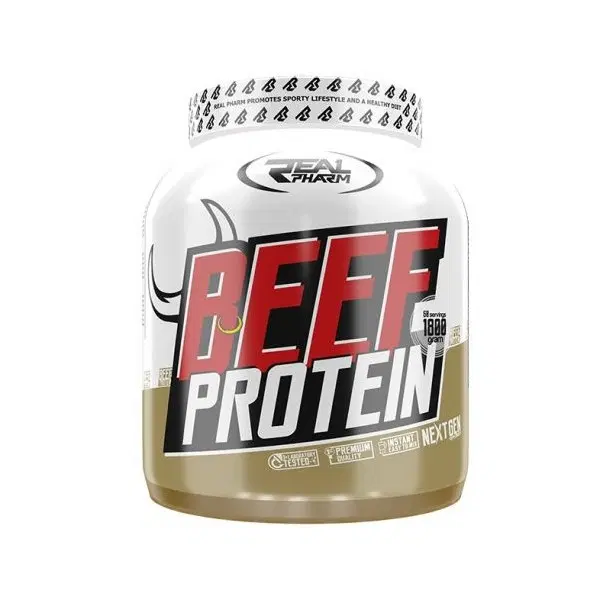

Frequently asked questions
Can beef and plant-based proteins be combined?
Yes, combining beef and plant-based proteins is a good strategy. This helps balance the nutritional profile, leveraging the benefits of both types of sources.
Which is better for beginners – beef or plant-based protein?
For beginners aiming for muscle growth, beef protein may be more effective due to its higher leucine content. Plant-based proteins are a good choice for general health and for individuals with dietary restrictions.
When is the most appropriate time to consume beef and plant-based proteins?
Beef protein can be beneficial before or after a workout for a direct anabolic effect. Plant-based protein is suitable throughout the day for maintaining general health and providing fiber and antioxidants.
Do beef or plant-based proteins have any side effects?
Excessive consumption of fatty parts of beef can raise LDL cholesterol. Plant-based proteins typically have no side effects unless artificial sweeteners or flavors are added.