Beef vs. Soy Protein: Nutrient Density vs. Plant-Based Protection
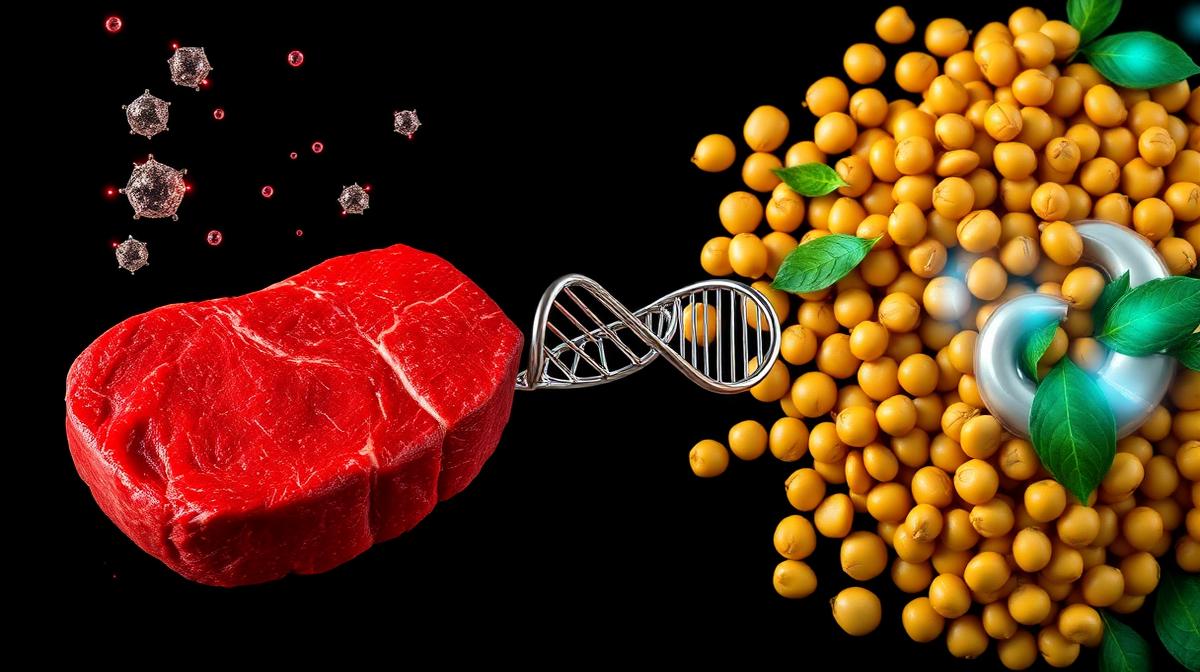
Beef protein surpasses soy in anabolic potential, but soy is the only plant-based alternative with a complete amino acid profile and longevity benefits.
Short answer: Beef dominates with 92 BV, natural creatine, and heme iron for peak strength, while soy isolate (PDCAAS 1.0) lowers LDL and offers arginine for blood flow. Optimal protocol: beef on training days, soy on rest days for metabolic flexibility.
Beef remains unmatched in anabolic capacity per gram of protein, but soy stands out as the sole plant-based alternative with a complete amino acid profile and longevity benefits.
See also expert supplement knowledge base — over 270 expert-verified articles by Petar Mitkov and the Sport Zona team.
How effective are beef and soy protein, and what is their nutritional content?
The comparative matrix for beef and soy protein shows that beef protein has a biological value of 92 and a maximum anabolic index due to high leucine and creatine, while soy isolate has a biological value of 74 and a moderate anabolic index, requiring a larger volume. Beef protein contains heme iron and can raise LDL in fatty meats, while soy contains non-heme iron, whose absorption is inhibited by phytates, and it lowers LDL and triglycerides.

| Characteristic | Beef Protein (Beef) | Soy Protein (Soy Isolate) |
|---|---|---|
| Biological Value | 92 (Very High) | 74 (High for a plant) |
| Anabolic Index | Maximum (High Leucine/Creatine) | Moderate (Requires larger volume) |
| Iron | Heme (Direct Absorption) | Non-heme (Inhibited by phytates) |
| Cardiovascular Impact | May raise LDL (in fatty meats) | Lowers LDL and triglycerides |
| Key Cofactor | Vitamin B12, Zinc | Isoflavones (Genistein) |
| Calories per 30g protein | ~150 kcal (lean meat) | ~300 kcal (in whole foods) |
What is the in-depth analysis of the mechanisms?
1. Beef: The "Anabolic Compressor"
Beef is biologically programmed for maximum digestibility in humans.
Simply put: This section examines exactly how proteins work at a molecular level, as if we were disassembling an engine to see how each part functions.
Scientific Sources
- Morton, R. W., et al. (2018). "The effect of protein supplementation on muscular strength and hypertrophy: A systematic review and meta-analysis." British Journal of Sports Medicine, 52(6), 376-384. (PMID: 28699222)
- Messina, M., & Rogero, M. M. (2020). "Soy Protein and Health: A Review of In Vivo and In Vitro Evidence." Nutrients, 12(12), 3680. (DOI: 10.3390/nu12123680)
- Phillips, S. M, & Van Loon, L. J. C. (2011). "Dietary protein for athletes: from requirements to proper adaptation." Journal of Sports Sciences, 29(sup1), S29-S38. (DOI: 10.1080/02640414.2011.619204)
- Hamilton-Reeves, J. M., et al. (2010). "Clinical studies show no effects of soy protein or isoflavones on reproductive hormones in men: a meta-analysis." Fertility and Sterility, 94(3), 997-1007. (DOI: 10.1016/j.fertnstert.2009.04.096)
In my practice, I notice that beef protein remains preferred for rapid muscle mass gain, especially in strength sports. A common mistake is underestimating soy protein as a complete alternative for recovery and overall health, particularly for individuals with more moderate fitness goals or vegetarians.
Leucine Threshold: Beef contains about 8–9% leucine, easily meeting the "leucine threshold" required to initiate protein synthesis.
Combined Effect of Creatine: The natural creatine content in beef aids cellular hydration and explosive power – components entirely absent in soy.
2. Soy: The "Hormonal Modulator"
Soy isolate is unique for its antioxidant properties.
Arginine Dominance: Soy contains more L-arginine than beef, which supports circulation and nutrient delivery via nitric oxide.
Isoflavones: These compounds mimic estrogen's effect selectively, potentially protecting tissues from oxidative damage and improving bone density.
Why is Anabolic Resistance Critical?
"Caloric Density of Anabolism" is a contemporary research concept (2024–2025) under investigation.
Volume vs. Result: To achieve the same muscle stimulus as a small beef steak, you'd need to consume nearly double the amount of soy protein. This is crucial for athletes who need to maintain a low body weight but high muscle mass.
The "Estrogen" Myth: Meta-analyses confirm that soy protein does not increase estrogen levels in men to a degree that suppresses testosterone. The body recognizes phytoestrogens differently from endogenous hormones.
Which Should I Choose: Beef or Soy Protein?
Choose BEEF PROTEIN if:
- Your primary goal is hypertrophy and strength records.
- You are following a calorie-restricted diet but want to preserve muscle.
- You have low energy levels, iron deficiency, or suffer from anemia.
- You prefer minimally processed foods (steak over a soy burger).
Choose SOY PROTEIN if:
- Your priority is cardiovascular prevention and cholesterol control.
- You follow a vegan or vegetarian lifestyle.
- You have an intolerance to red meat or animal fats.
- You are looking for a lower-cost protein with higher antioxidant content.
Beef protein offers high nutrient density, while soy protein provides plant-based protection benefits.
For maximum anabolic response and generally, a smart strategy: Combine 25-30g of beef protein (post-workout) with 30-40g of soy protein (as a snack or before bed). Add 5g of creatine monohydrate to the beef protein.
What is the Strategic Rotation Protocol (2026)?
The Strategic Rotation Protocol (2026) represents the most intelligent strategy for the body, focused on achieving "Metabolic Flexibility."
Anabolic Focus (Heavy Training Days): Consume beef for maximum creatine and leucine surge.
Detox Focus (Rest Days): Switch to soy isolate or edamame. This will give your kidneys a break and improve your lipid profile through fiber and isoflavones.
For Women: Soy is particularly beneficial for hormonal balance, while beef is critical for iron levels during menstruation.
🤖 Expert Note: Always opt for grass-fed beef for a better omega-3 profile, and non-GMO soy to avoid pesticide residues. The quality of the source is as important as the protein itself.
🧭 When to Choose Which?
- Choose beef protein if you seek maximum amino acid density with high iron and vitamin B12 content.
- Choose soy protein if you prefer a plant-based source, important for ethical reasons or reducing carbon footprint.
- Combine both if you aim for a balance of all nutrients and follow a diverse diet.
📖 What is Beef Protein and Soy Protein?
Beef protein is a protein isolate or hydrolysate derived from beef, making it a rich source of amino acids and creatine. Soy protein is a complete plant-based protein derived from soybeans, containing all essential amino acids and phytoestrogens.
⚖ Pros and Cons
| Pros | Cons |
|---|---|
|
|
🗣 Simply Explained
It's like choosing between two fuels for your car. Beef protein is like premium gasoline, packed with everything the engine needs – vitamins, minerals, the works. Soy, on the other hand, is more like vegetable oil; it also gets the job done, is easier for the body to process, and is a good choice if you prefer something more vegan.
Choose the right product for your goal:
→ Soy Protein Isolate
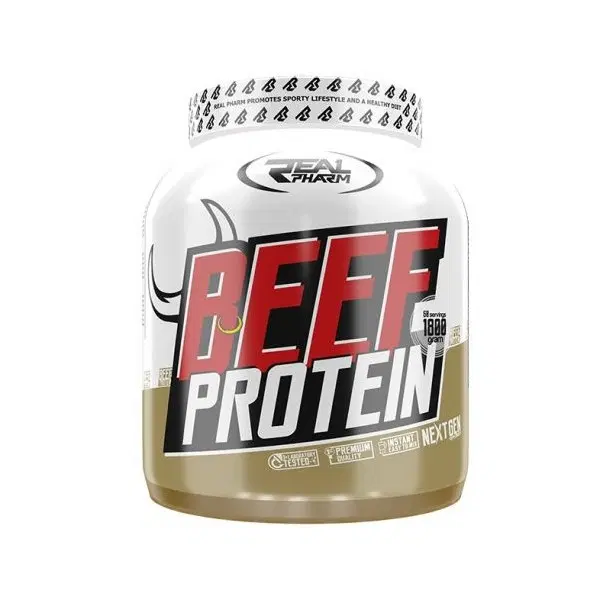
→ Beef Protein Hydrolysate
→ BCAA + Glutamine
Combined protocol for maximum effectiveness:
Combining products enhances effectiveness.
⚖ When to Choose Beef
- The goal is maximum hypertrophy and strength records in strength sports.
- On a diet with limited calorie intake, but aiming to preserve muscle.
- With low iron levels, anemia, or low energy.
- When preferring minimally processed foods (steak over a vegan burger).
⚖ When to Choose Soy Protein
- Priority is cardiovascular prevention and cholesterol control.
- If following a vegan or vegetarian lifestyle.
- With intolerance to red meat or animal fats.
- When seeking a protein with high antioxidant properties and a lower price.
Expert Note from Sport Zona
From my 12 years working with Bulgarian athletes, I've observed that tailoring the diet to individual needs is crucial. While some achieve excellent results with animal proteins like beef, others find balance and good results with soy, especially when adhering to a plant-based diet. It's important to listen to your body and ensure a complete amino acid profile.
Recommended products
Frequently asked questions
Which protein is better for rapid muscle mass gain?
Beef protein is more effective for muscle growth due to its higher leucine content and natural creatine. It provides a strong anabolic stimulus with less volume.
Can soy protein harm the hormonal balance in men?
According to modern meta-analyses, soy protein does not increase estrogen levels in men to an extent that negatively affects testosterone. The body processes phytoestrogens differently.
What are the main advantages of soy protein?
Soy protein is valued for its cardiovascular health benefits, lowering LDL cholesterol and triglycerides. It also contains isoflavones, which have antioxidant properties.
Can beef and soy protein be combined in one diet?
Yes, combining them is a smart strategy for metabolic flexibility. Beef for heavy training days and soy for rest days can optimize benefits.