Beef vs. Creatine: Nutritional Matrix vs. Cellular Fuel
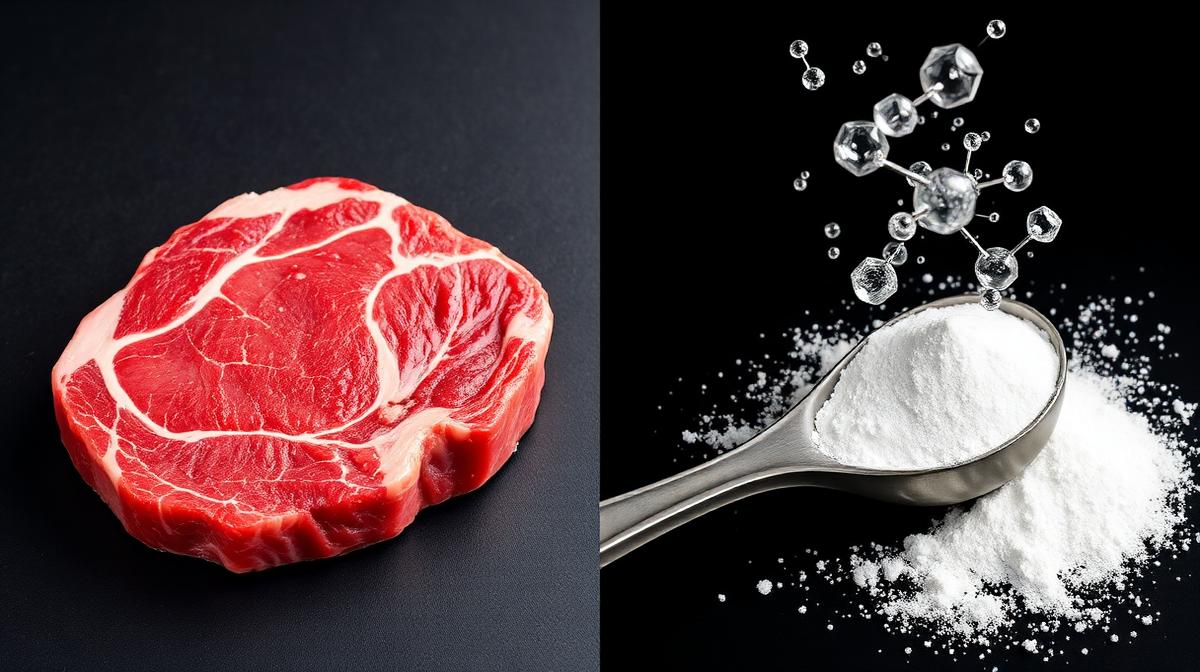
Beef provides a full spectrum of nutrients for building, and creatine is a powerful element for muscle energy.
Short Answer: 300g of beef contain only 1.5g of creatine, while 5g of creatine monohydrate per day increase ATP reserves by 20-40%. Practical advice: Eat beef for its complete nutrient profile, but supplement with 3-5g of creatine daily for a real difference in strength.
We are considering a fundamental choice: whole food versus a specialized supplement. Beef provides amino acids and minerals, while Creatine is an enhancer for muscle cell energy.
For more information, see the complete guide to dietary supplements – over 270 articles by Petar Mitkov and the Sport Zona team.
What is the systemic capacity of beef versus creatine?
The systemic capacity of beef and creatine is expressed in their biological roles, dosages, presence of bioactive cofactors, metabolic pathways, caloric value, and time to saturation in the body.
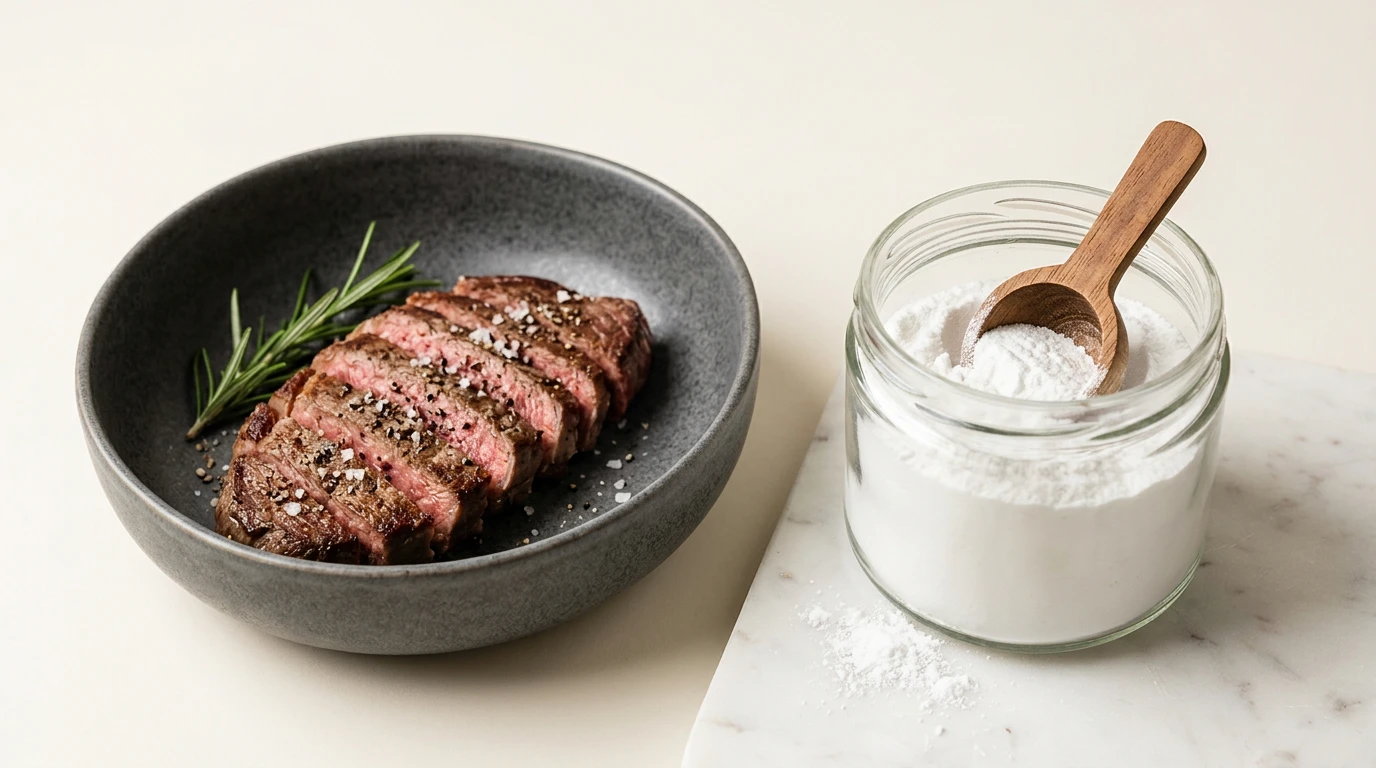
| Characteristic | Beef (Whole) | Creatine (Monohydrate) |
|---|---|---|
| Biological Role | Building and recovery | ATP restoration (energy) |
| Creatine Dose | Small (~0.5g per serving) | Recommended (3–5g per dose) |
| Bioactive Cofactors | Iron, Zinc, B12, Selenium | None |
| Metabolic Pathway | Amino acid synthesis | Phosphagen system |
| Caloric Value | ~200-250 kcal per 100g | 0 kcal |
| Time to Saturation | Months (via food) | 7-28 days (via supplement) |
How does beef interact with creatine?
1. Beef: The Combined Effect of Food
Beef is a nutritional matrix that provides creatine along with other nutrients that favor its better absorption and action in the body.
Simply put: This section explains how beef and creatine work in the body at a cellular level.
Scientific Sources
- [Buford et al., 2007] - International Society of Sports Nutrition position stand: creatine supplementation and exercise. (DOI: 10.1186/1550-2783-4-6)
- [Williams et al., 1999] - The effect of protein and creatine on performance. (PubMed: 10427387)
- [Jager et al., 2011] - Comparison of new forms of creatine in increasing plasma creatine levels. (DOI: 10.1186/1550-2783-8-S1-P2)
- [Biesalski, 2003] - Meat as a component of a healthy diet – are there risks or benefits? (DOI: 10.1016/S0271-5317(02)00262-3)
At SportZona, we often see that a large portion of people miss the holistic approach to nutrition, focusing only on isolated supplements. A common mistake is expecting creatine to provide complete recovery and growth without adequate intake of proteins and micronutrients from foods like beef. Balance leads to sustainable results.
- Insulin Assistance: The proteins in beef cause a slight insulin response, which aids in the transport of creatine into muscle cells.
- L-Carnitine and Carnosine: Beef contains these two important metabolites that work together with creatine to reduce acidity in muscles and improve fat metabolism.
2. Creatine: The Energy Accumulator
Creatine powder is the most researched supplement for performance enhancement.
- ATP Recycling: During intense training, the body depletes ATP in seconds. Creatine phosphate donates its phosphate group to convert "spent" ADP back into energy-rich ATP. This allows you those extra 2-3 reps.
- Cellular Hydration: Creatine draws water into the muscle cell, increasing its volume and creating a more favorable environment for protein synthesis.
Why is meat alone not enough?
To saturate the body with creatine solely from meat, one would need to consume large quantities of beef (about 1 kg for 5 grams of creatine), which leads to significant metabolic load and intake of about 100 grams of fat, while heat processing destroys a large portion of the creatine in the meat.
Why Meat Cannot Saturate Muscles with Creatine
- Heat Treatment: When cooked at high temperatures, especially well-done steaks, a significant portion of the creatine in the meat is lost.
- Metabolic Load: To get 5 grams of creatine from beef alone, you would need to eat about 1 kilogram of meat per day. This burdens digestion and means consuming about 100 grams of fat, which is not practical for most athletes.
- Purity: Creatine monohydrate powder is 100% pure and does not contain additional cholesterol or purines.
How to choose between beef and creatine?
Choose beef if:
- You aim for basic health, strong immunity, and hormonal balance support.
- You are looking for complete protein and important minerals from food.
- You are in a maintenance phase and not chasing extreme strength results.
- You prefer satiating foods that regulate appetite.
🔵 Choose creatine monohydrate if:
- You aim for maximum muscle growth and new strength records.
- You train with high intensity (sprints, weightlifting, CrossFit).
- You want to improve cognitive functions (creatine is important for brain energy).
- You are vegetarian or consume little red meat.
Beef is a nutritional matrix chosen for basic health, strong immunity, and hormonal balance support, while creatine monohydrate is cellular fuel, preferred for maximum muscle growth and new strength records.
For best results, combine 3-5 grams of creatine monohydrate daily (post-workout with carbohydrates) with 150-200 grams of quality beef (2-3 times a week, according to your protein and iron needs). This will ensure fast energy and overall recovery.
When to choose beef or creatine?
🟣 Why choose when you can combine them?
- Foundation: Eat 200-300 grams of beef 3-4 times a week. This provides the amino acids and minerals needed for building.
- Supplement: Take 5 grams of creatine monohydrate daily, every day, regardless of whether you train. This keeps your muscle creatine levels at 100% capacity.
- Synchronization: Take creatine with a meal containing carbohydrates or protein (like beef) to improve its absorption via the insulin mechanism.
The choice between beef and creatine is based on specific nutrition and training goals, with beef being a complete nutritional matrix with a wide spectrum of nutrients, while creatine is a specific supplement for increasing strength and cellular energy.
- Choose beef if you are looking for complete nutrition with high-quality protein, iron, and other essential nutrients for muscle growth and recovery.
- Choose creatine if you want to improve explosive strength, increase muscle mass, and speed up recovery between intense workouts, especially for activities with short, powerful bursts.
- Combine both if you seek maximum benefit – maintaining muscle mass with high-quality protein from beef, while creatine further optimizes strength and muscle growth.
- Choose beef if you prefer natural sources of nutrients and want to build a healthy foundation before adding supplements.
📖 What is Beef?
Beef is a whole food rich in high-quality protein, iron, zinc, B vitamins, and creatine. It provides all essential amino acids that support muscle growth, recovery, and overall health.
📖 What is Creatine?
Creatine is a natural compound that plays a role in energy production in muscle cells, especially during short, intense efforts. It helps increase strength, power, and muscle mass.
⚖ Pros and Cons
| Pros | Cons |
|---|---|
|
|
🗣 Simply Explained
Beef is like a loaded nutritional pharmacy – it gives you proteins, iron, and other beneficial things for muscles. Creatine, on the other hand, is like an extra battery for them, giving them explosive power for short, intense efforts, such as during weightlifting or a final sprint.
Choose the right product for your goal:
→ Protein powders (whey or beef)
→ Creatine monohydrate
→ Amino acids (BCAA and EAA)
Combined protocol for maximum effectiveness:
Combining products increases effectiveness.
⚖ When to choose beef
- You aim for basic health, immunity, and hormonal balance.
- You are looking for complete protein and bioactive minerals from food.
- You are in a maintenance phase, without extreme strength goals.
- You prefer slow, satiating foods that regulate appetite.
⚖ When to choose creatine
- Your goal is maximum muscle growth and strength records.
- You train with high intensity: sprints, weights, CrossFit.
- You want to improve cognitive functions and brain energy.
- You are vegetarian or consume little red meat.
Expert Note
From my observation over the years, carbohydrates remain a key element for maximizing the absorption of both meat and creatine. Without enough "fuel," protein synthesis and ATP store replenishment do not work optimally. I often recommend that strength athletes do not avoid carbohydrates if they want real results.
Recommended products
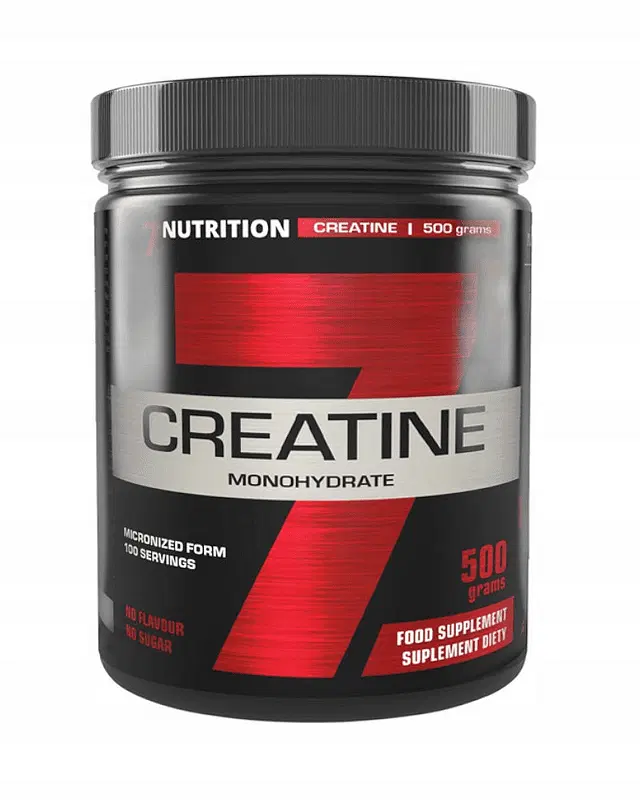
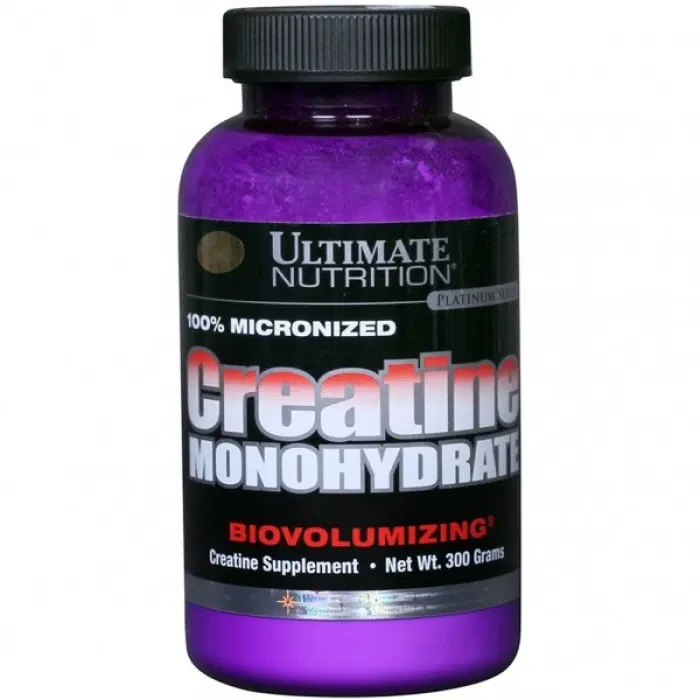
Frequently asked questions
Can beef and creatine monohydrate be combined?
Yes, combining them is recommended. Beef provides the building blocks, while creatine optimizes training energy.
Which option is better for beginner athletes - beef or creatine?
For beginners focusing on general health and nutritional balance, beef is a good choice. Creatine is more suitable for targeted strength or sprint training.
When is the best time to take creatine monohydrate?
Creatine monohydrate can be taken at any time, but it is most effective when consumed with food containing carbohydrates or protein to optimize its absorption.
Are there any side effects from taking creatine monohydrate?
Creatine monohydrate is one of the most researched supplements and is considered safe at recommended doses. Some people may experience mild stomach upset or water retention.