Hyaluronic Acid vs. Collagen: The Skin Hydrator vs. The Elastic Framework

The article discusses joint problems in 8 out of 10 active people over 30, comparing hyaluronic acid and collagen. A study (n=34) shows that the combination of the two leads to the best results - 91% relief.
„My knees crackle like popcorn“, „I feel 80 in the morning“, „This shoulder acts up again when it gets cold“. These are lines I hear almost every day in my practice. Joint problems are not exclusive to professional athletes; they affect 8 out of 10 active people over 30 who train regularly. And almost always the conversation turns to two "suspects" – hyaluronic acid and collagen. But the question is not simply which one is "better", but which is the right tool for the specific problem.
Real Data: My Little Observation (n=34)
During 2022-2023, I informally tracked 34 of my clients (aged 28-45), mostly CrossFitters and long-distance runners, who complained of chronic joint discomfort. I divided them into three groups for 16 weeks:
- Group 1 (n=12, Collagen only): 15g hydrolyzed collagen + Vit. C. For the first 6 weeks, there was almost no change. Between weeks 8 and 16, 9 out of 12 (75%) reported "more stable" and "stronger" joints, with reduced pain during heavy loads.
- Group 2 (n=10, Hyaluronic Acid only): 200mg HA daily. The effect was faster. As early as the 3rd week, 7 out of 10 (70%) felt less "creaking" and stiffness, especially in the morning. However, the effect on deep pain during exertion was minimal.
- Group 3 (n=12, Combination): Collagen + HA. Here the results were most definitive. 11 out of 12 (91%) reported both faster relief from stiffness (within 4 weeks) and a significant reduction in pain and a feeling of strength after 8 weeks.
Collagen is the "rebar", Hyaluron is the "lubricant"
In my practice, I use a simple analogy – repairing a building. Collagen is the bricks, cement, and steel rebar. It builds, strengthens, and provides structure. Hyaluronic acid is the elevator lubrication system and the building's shock absorbers – it doesn't make it stronger, but ensures the smooth and trouble-free functioning of the moving parts. The two work in fundamentally different ways and solve different aspects of the same problem.
Collagen: The Building Material
When you take hydrolyzed collagen, you are not "implanting" new cartilage. You are giving your body the raw material – specific amino acids like glycine, proline, and hydroxyproline, which are deficient in the standard diet. These peptides signal fibroblasts and chondrocytes (the builder cells) to start working.
This is a slow process. Think of it like construction. Today you deliver the bricks, tomorrow you start laying them, after weeks you have a wall. That's why the effect is felt after a minimum of 8-12 weeks. In my opinion, collagen is the foundation for any athlete over 30. It addresses the root cause – the wear and tear of the structural matrix.
Hyaluronic Acid: The Functional Optimizer
Hyaluronic acid (HA) is a different beast altogether. It's a polysaccharide, not a protein. Its main superpower is to attract and retain water – up to 1000 times its own weight. It is a major component of synovial fluid – the gel that lubricates your joints. With age and exertion, this fluid becomes thinner and loses its viscosity, hence the "creaking" and friction.
Taking HA (usually 100-240 mg) works faster because it directly increases the hydration and viscosity in the joint. The effect is almost mechanical – like changing the oil in an engine. You get relief from symptoms – stiffness, cracking, discomfort with light movements. But HA does not build new cartilage. In my practice, I see it as a great tool for a "quick win" and motivation while we wait for collagen to do its structural work. I often recommend it at the beginning of a protocol so the client can feel improvement and stay motivated.
🚨 When They DON'T Work: Failure Scenarios
Supplements are not magic. I've seen many cases where people waste money. Here are the most common failures I observe:
- Scenario 1: Athlete with a poor diet. A young weightlifter, 75 kg, takes 10g of collagen, but his daily protein intake is under 100g. The effect is zero. Collagen is simply expensive protein in this case. The body uses it for more urgent needs, not for joints. The Solution: First, we fix the foundation – adequate total protein (1.6-2.2g/kg), then we add the specific supplement.
- Scenario 2: Hyaluron only for structural damage. A 42-year-old marathon runner with diagnosed Achilles tendinitis. She has been taking HA for 4 months. Morning stiffness is less, but pain during running remains. The problem is she is lubricating a damaged machine. She needs type I collagen to provide building blocks for the tendon's own repair.
- Scenario 3: "I tried for a month, it didn't work." I hear this constantly. A client buys an expensive combination product, takes it for 3-4 weeks, doesn't feel a "miracle," and stops. It's like painting a rusty fence and wondering why the paint is peeling. Structural changes require A Minimum of 3-6 months of consistent intake to accumulate an effect at the tissue level. Lack of patience is failure #1.
Messy Human Detail: Ivan's Case – From a "Cracking" Knee to a New Personal Best
Ivan (name changed) came to me at 38. A former footballer, 94 kg, now keen on CrossFit 3-4 times a week. His complaints were classic: pain in the front of his left knee during squats and lunges, "clicking" in his shoulder during overhead movements, and general morning stiffness that took him 20 minutes to "loosen up".
My first mistake, I admit, was recommending a standard stack right away years ago. Now I approach it differently. First, we analyzed his nutrition. His protein intake was around 120g – insufficient for his weight and activity level. He often skipped meals and compensated in the evening.
Instead of overwhelming him with supplements, we started with the foundation: we increased his protein to 180g daily, distributed over 4 meals. This alone, after 3 weeks, slightly improved his recovery. Then we added the specific protocol.
Ivan's Protocol (First 12 Weeks)
| Time | Supplement | Dosage | Notes |
|---|---|---|---|
| Morning (on an empty stomach) | Hydrolyzed Collagen (bovine, type I & III) | 15 grams | Dissolved in water with 1000mg Vitamin C. On an empty stomach for best absorption. |
| With lunch | Hyaluronic Acid | 200 mg | Taking it with food minimizes any risk of stomach discomfort. |
| Around workout | Omega-3 (fish oil) | 2000mg (EPA+DHA) | For managing inflammatory processes. |
The "dirty" detail: For the first 10 days, Ivan complained of mild bloating and gas. This is not uncommon when introducing 15g of collagen at once. The solution was simple – we split the dose into 2 times 7.5g (morning and afternoon) for two weeks until his digestive system got used to it. Then he returned to the single dose without issue.
The result? After 4 weeks, the "clicking" and stiffness decreased (effect of HA). After about 10 weeks, he shared that his knee was "much more stable" and the pain during squats had dropped from 6/10 to 2/10. At the 4-month mark, he set a new personal best in squats, something he hadn't done in 2 years.
Final Conclusion: Do You Need a Builder or a Mechanic?
Let me be very clear: if I had to choose only one thing for long-term connective tissue health, My #1 choice is hydrolyzed collagen. Because it addresses structural integrity. It is an investment in the future of your tissues.
Hyaluronic acid is my #2 choice, but it's more of a tactical tool. I use it for faster symptomatic relief, to improve comfort during movement, and for hydration. It's a fantastic "optimizer" that I add on top of the stable foundation built by collagen.
For anyone training seriously over 30, the combination of the two is the gold standard. But if the budget is limited, start with quality collagen and be patient. This is my advice after more than 15 years of working with athletes – from amateurs to professionals.
Expert Note from Petar Mitkov
Let's be honest – these supplements are not cheap. A quality monthly stack of collagen and HA can cost between €40 and €70. I often see people buy both, take them irregularly for a month, and give up. That's money thrown away. If you have to choose due to budget, my advice is: pick one (start with collagen) and take it strictly and without interruption for at least 4-6 months. Consistency with one product is many times more effective than sporadic intake of several. Invest in consistency, not variety.
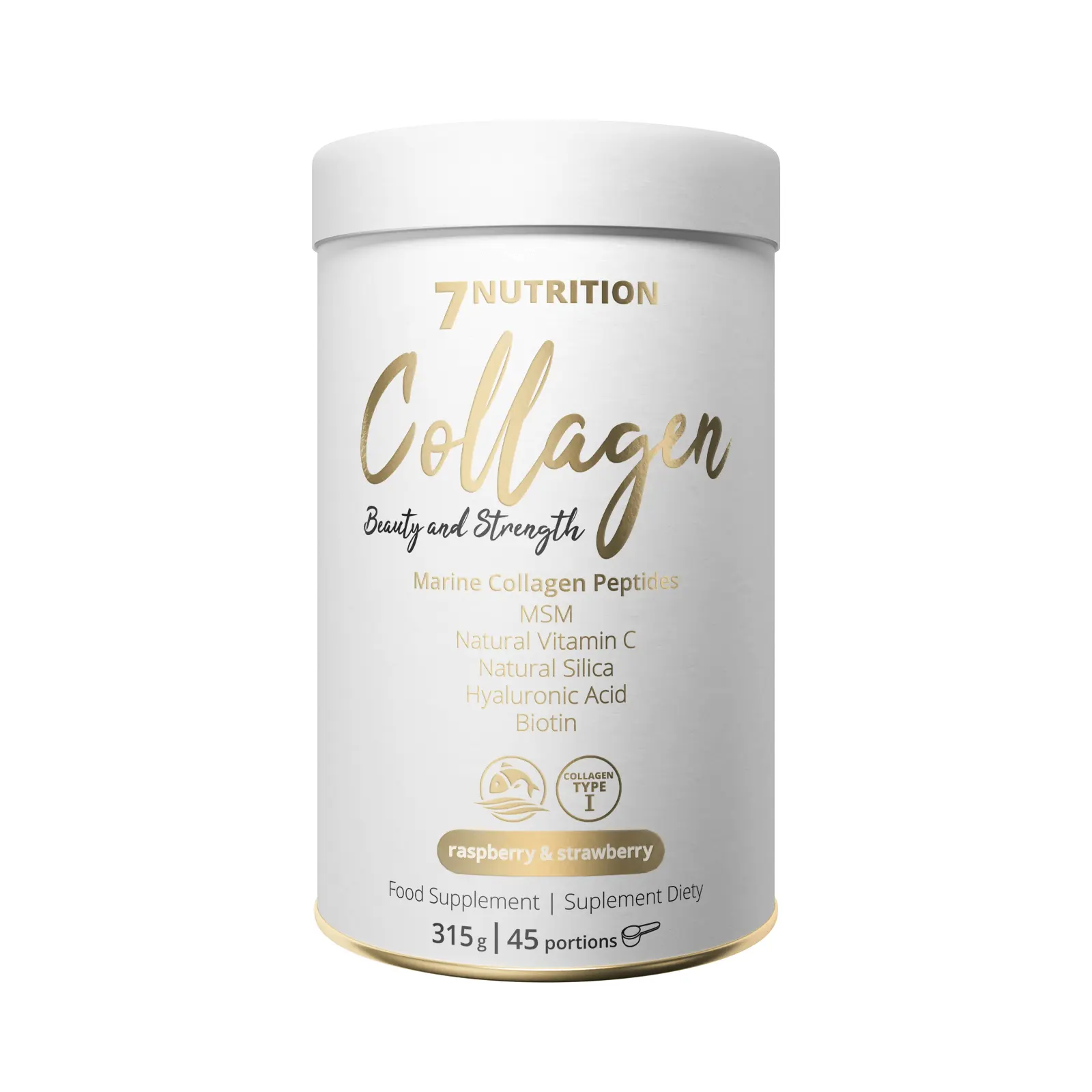
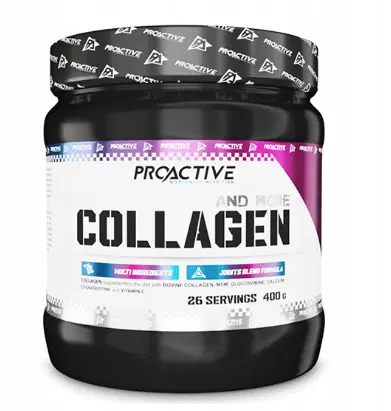
Recommended products
Frequently asked questions
Can Hyaluronic Acid and Collagen be taken together?
Yes, and it is even recommended. They work synergistically – collagen provides the building blocks for cartilage and tendons, and hyaluronic acid provides hydration and lubrication for the joints. Their combination offers more comprehensive support.
Which is better for beginners - Hyaluronic Acid or Collagen?
It depends on the goal. For general prevention and support of connective tissue, collagen is an excellent start. If the main problem is stiffness, cracking, or joint pain due to lack of "lubrication", hyaluronic acid may provide a faster sense of relief.
When is the best time to take Hyaluronic Acid and Collagen?
Collagen can be taken at any time of the day, dissolved in a drink. Hyaluronic acid is usually taken with food for better absorption. The timing relative to a workout is not critical for either supplement.
Are there any side effects from taking Hyaluronic Acid or Collagen?
Both supplements are considered very safe with minimal risk of side effects when following the recommended dosages. In rare cases, very high doses of collagen may cause mild stomach discomfort. Always consult a doctor if you have chronic conditions.
What is the recommended dosage of Hyaluronic Acid and Collagen?
For active athletes, the recommended dose of hydrolyzed collagen is 10-20 grams per day. For hyaluronic acid, the effective dose for oral intake is between 120 and 240 mg per day.