Hydration and electrolytes for athletes

Hydration and electrolytes for athletes — a complete guide with types, benefits, dosages, and expert recommendations. All in one place from SportZone.
Hydration and Electrolytes for Athletes: A Complete Guide from SportZone
What are Hydration and Electrolytes and Why are They Important for Athletes?
Hydration is the process of maintaining optimal water levels in the body, while electrolytes are electrically charged minerals that play a crucial role in numerous bodily functions. For athletes, adequate hydration and electrolyte balance are vital for maintaining peak performance, preventing fatigue, and ensuring rapid recovery. These two elements work in synergy to regulate nerve and muscle function, maintain fluid balance, stabilize blood pressure, and aid in nutrient transport to cells.
🔬 From SportZone's Experience
In our work with over 50,000 clients, we've observed that a significant portion of athletes underestimate the systematic intake of electrolytes before and during training. A common mistake is relying solely on water, especially during long or high-intensity workouts, which leads to suboptimal recovery and a drop in performance. We notice significant improvements in endurance and fewer muscle cramps in those who incorporate adequate electrolytes into their regimen.
During intense physical exertion, especially in hot environments, the body loses significant amounts of fluids and electrolytes through sweat. This loss can lead to dehydration, which in turn reduces blood volume, increases heart rate, and compromises the body's thermoregulation. Imbalanced electrolyte levels can cause muscle cramps, weakness, nausea, and even more serious health issues. Therefore, understanding and properly managing hydration and electrolytes are fundamental for any ambitious athlete aiming to optimize their performance and health.
What Types of Hydration and Electrolytes Exist and How Do We Differentiate Them?
The world of hydration and electrolytes offers a variety of options, each with specific benefits and applications. Differentiating them is key to choosing the most suitable supplements to meet individual needs and athletic goals.
📚 Scientific Sources
- Sawka, M. N., Burke, L. M., Eichner, E. R., Maughan, R. J., Montain, S. J., & Stachenfeld, N. S. (2007). American College of Sports Medicine position stand. Exercise and fluid replacement. Medicine & Science in Sports & Exercise, 39(2), 377-390. (DOI: 10.1249/mss.0b013e31802ca597)
- Maughan, R. J., & Shirreffs, S. M. (2008). Development of an algorithm to determine the composition of a rehydration solution. International SportMed Journal, 9(1), 16-24. (PubMed: 28886367)
- Shi, X., & Passe, D. H. (2010). Effects of carbohydrate-electrolyte solutions on performance and physiological responses during prolonged exercise. Sports Medicine, 40(6), 449-479. (DOI: 10.2165/11315510-000000000-00000)
- Popkin, B. M., D'Anci, K. E., & Rosenberg, I. H. (2010). Water, hydration, and health. Nutrition Reviews, 68(8), 439-458. (DOI: 10.1111/j.1753-4887.2010.00304.x)
- Sodium — The primary electrolyte that regulates water balance in the body, participates in nerve function, and muscle contractions. Vital for athletes who sweat heavily.
- Taurine — An amino acid that plays a role in regulating water and mineral balance within cells, supports antioxidant defense, and may improve athletic performance.
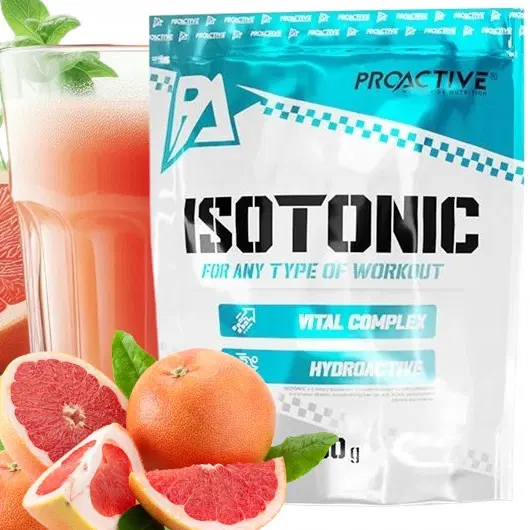
- Carbohydrate Drinks — Fluids containing carbohydrates (like dextrose) and often electrolytes, designed to provide quick energy and maintain hydration during long and intense workouts.
- Electrolytes — A general term for minerals such as sodium, potassium, magnesium, and calcium, which are essential for numerous bodily functions, including hydration, nerve conduction, and muscle contractions.
- Magnesium — An important electrolyte involved in over 300 biochemical reactions, including muscle function, energy metabolism, and protein synthesis. It can help prevent muscle cramps.
- Dextrose — A simple carbohydrate (glucose) that provides a rapid energy source, ideal for fueling before, during, or after a workout. It is often included in carbohydrate drinks.
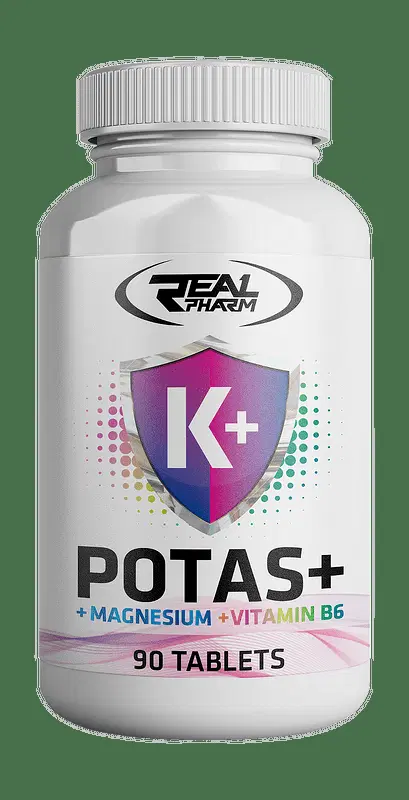
- Potassium — Another key electrolyte that works closely with sodium to regulate water balance, nerve function, and muscle contractions.
- Calcium — Not just for bones; calcium is an important electrolyte that plays a role in muscle contractions, nerve signaling, and blood clotting.
- Glycerol — A sugar alcohol that can enhance hydration by helping the body retain water, potentially leading to better endurance performance.
How to Choose the Right Hydration and Electrolytes for Our Goals?
Choosing the right hydration and electrolyte supplements depends on your specific athletic goals and needs. Here are some recommendations based on different scenarios:
- For muscle growth: Focus on adequate hydration with water and intake of magnesium to support muscle function and recovery. Taurine may also aid cellular hydration.
- For endurance: Carbohydrate drinks containing dextrose, along with essential electrolytes like sodium and potassium, are crucial for maintaining energy levels and preventing dehydration. Adding glycerol can further enhance hydration.
- For recovery: Electrolyte intake (especially magnesium, potassium, and calcium) is key to replenishing lost minerals. Taurine can support muscle recovery.
- For weight loss: The main focus is on sufficient intake of pure water. Calorie-free electrolyte supplements containing electrolytes like sodium, potassium, and magnesium can help maintain balance, especially on carbohydrate-restricted diets.
- For beginners: Start with adequate hydration with water. For more intense workouts, consider taking essential electrolytes like sodium and potassium in tablet or powder form.
How and When to Take Hydration and Electrolytes for Maximum Results?
Proper timing and dosage are just as important as choosing the right supplements. Here are general principles for intake:
- Before training: Start hydrating 2-3 hours before training with 500-600 ml of water or an electrolyte drink. This helps prepare the body and avoid dehydration from the start. For longer or more intense workouts, carbohydrate drinks with dextrose can provide an energy reserve. Glycerol, taken before training, can aid hydration during exertion.
- During training: Drink small amounts of fluids (150-250 ml) every 15-20 minutes. If the workout is longer than 60 minutes or very intense, use carbohydrate drinks containing dextrose and electrolytes (like sodium and potassium) to maintain energy levels and electrolyte balance.
- After training: The goal is to restore lost fluids and electrolytes. Drink 125-150% of the weight lost during training. Use electrolyte drinks or water with added electrolytes (sodium, potassium, magnesium, calcium). Taurine can also be useful for recovery.
- Every day: Maintain adequate hydration throughout the day, even on non-training days. Drink enough water and consume foods rich in electrolytes. Additional intake of magnesium can be beneficial for overall health and preventing deficiencies.
What Combinations (Stacks) of Hydration and Electrolytes Work Best?
Combining different supplements can lead to synergistic effects and optimize results. Here are a few effective combinations:
- For maximum endurance: Carbohydrate drinks (with dextrose) + Glycerol + Additional Sodium and Potassium. This combination provides energy, enhances water retention, and maintains electrolyte balance during extreme exertion.
- For recovery and cramp prevention: Magnesium + Potassium + Taurine. This synergy aids muscle relaxation, restores electrolyte balance, and can reduce the risk of post-workout muscle cramps.
- For general sports support: Balanced electrolyte blend (Sodium, Potassium, Calcium, Magnesium) + Taurine. This combination provides comprehensive support for hydration, nerve and muscle function, as well as antioxidant defense.
What Are the Most Common Mistakes Made When Taking Hydration and Electrolytes?
- ❌ Insufficient water intake: Many athletes underestimate their water needs, leading to chronic dehydration, reduced performance, and increased risk of injury. Always drink enough water throughout the day, not just during workouts.
- ❌ Excessive intake of pure water during intense workouts: During very long and intense efforts, drinking only pure water can dilute electrolytes in the blood and lead to hyponatremia – a dangerous condition where sodium levels drop critically low. Use electrolyte drinks.
- ❌ Ignoring electrolyte balance: Focusing only on water without considering lost electrolytes can lead to muscle cramps, fatigue, and other problems. Ensure you replenish sodium, potassium, magnesium, and calcium.
- ❌ Consuming inappropriate beverages: Carbonated drinks, high-sugar juices, and caffeinated beverages are not optimal choices for hydration during training, as they can worsen dehydration or cause stomach discomfort.
- ❌ Lack of personalization: Every athlete is different. Hydration and electrolyte needs depend on workout intensity and duration, ambient temperature, individual sweat rate, and other factors. Experiment and adjust your intake accordingly.
Recommended products
Frequently asked questions
What are the most important hydration and electrolytes for athletes?
The most important for athletes are water, sodium, potassium, magnesium, and calcium. They help maintain fluid balance, nerve function, and muscle contractions.
How many types of hydration and electrolytes exist?
There are different types of hydration, including water, sports drinks, and electrolyte solutions. Electrolytes are found naturally in food and drinks, but can also be added in the form of supplements.
What is the role of hydration and electrolytes during sports?
Hydration is essential for regulating body temperature, transporting nutrients, and removing waste products. Electrolytes support nerve signals and muscle function, preventing cramps and fatigue.
How to choose the right hydration and electrolytes for my needs?
The choice depends on the intensity and duration of the workout, as well as individual needs. For prolonged and intense efforts, sports drinks with electrolytes are recommended.
What are the signs of dehydration and electrolyte imbalance in athletes?
Signs include thirst, dry mouth, fatigue, headache, muscle cramps, and decreased performance. In more severe cases, dizziness and confusion may occur.