HMB vs. Leucine: The Metabolite vs. The Parent Amino Acid
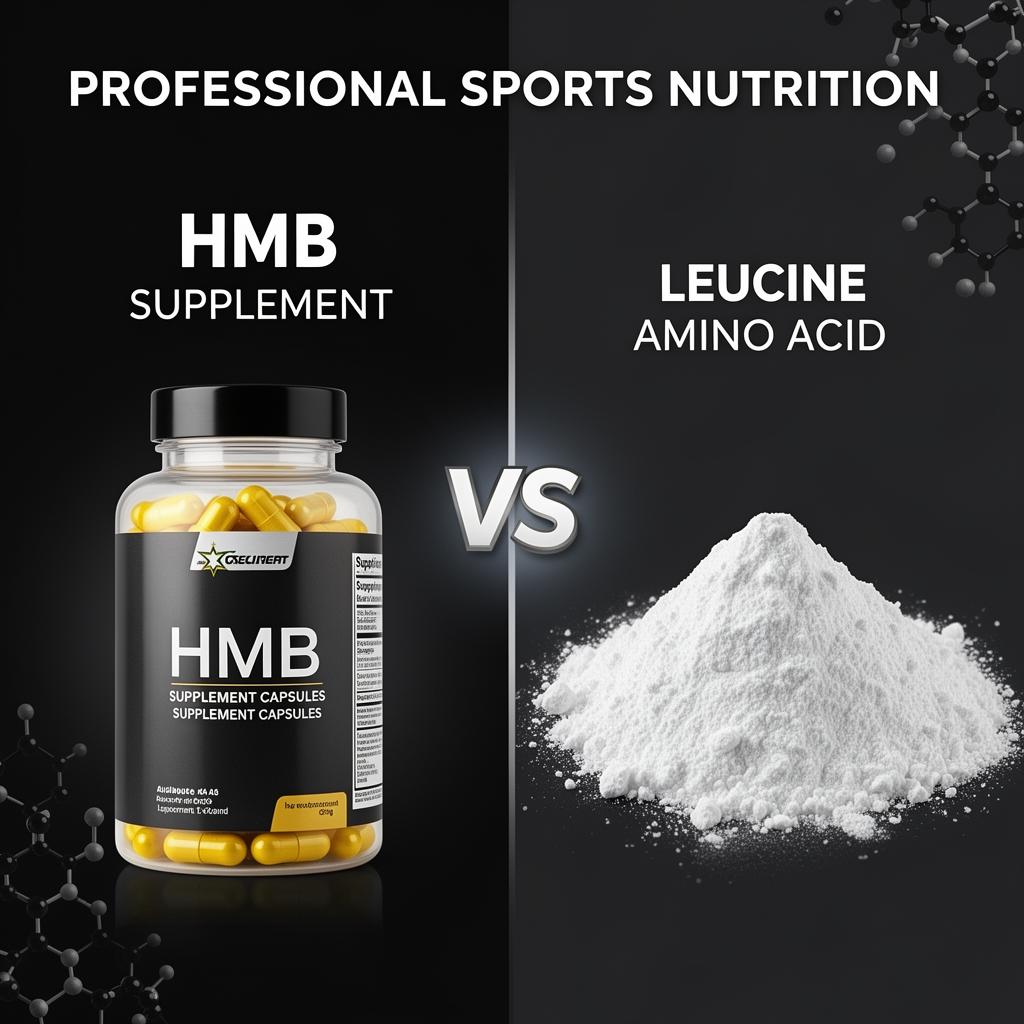
Leucine directly stimulates muscle growth, while HMB, its metabolite, is better for preserving muscle mass. Choose according to your goals and training stage.
Short Answer: While Leucine (2-5 grams) is the primary stimulator of muscle growth, HMB (1.5-3 grams) is its metabolite, more effective in preventing muscle breakdown, especially during low-calorie diets or high intensity. Practical advice: For maximum effect, take 2-3 grams of Leucine before and after training, and 1-3 grams of HMB daily, divided into doses, between meals or before sleep.
Hello, fitness and high performance enthusiasts! I am your sports nutrition expert from Sport Zona Academy, and today we will dive deep into the comparison between two powerful allies for muscle growth and recovery: HMB and Leucine. We often hear these terms in supplement discussions, but do you know when and how to use them appropriately? Let's find out!
Which is better: HMB or Leucine?
HMB (beta-hydroxy beta-methylbutyrate) is a metabolite of leucine, with leucine directly stimulating muscle growth, while HMB helps prevent muscle breakdown, especially during diets or intense training.
In their pursuit of optimal physical condition, athletes are constantly seeking ways to improve recovery, increase muscle mass, and reduce fatigue. Leucine, a key amino acid, and its metabolite HMB (beta-hydroxy-beta-methylbutyrate) are among the most researched supplements in this area. Both compounds play a critical role in protein metabolism, but they have different mechanisms of action and applications. In this article, we will examine their specifics, benefits, and how to integrate them into your regimen for maximum results.
What are HMB and Leucine?
Leucine is one of the three branched-chain amino acids (BCAAs), also known as essential amino acids, meaning the body cannot produce them on its own and must obtain them from food or supplements. It is widely recognized as the "key regulator" of muscle protein synthesis (MPS) by activating a complex signaling pathway called mTOR (mammalian Target of Rapamycin)[1]. This is very important for muscle growth and recovery.
HMB (beta-hydroxy-beta-methylbutyrate) is a metabolite of leucine, meaning it is formed in the body after leucine is broken down. Only about 5% of ingested leucine is converted into HMB. It is known for its anti-catabolic properties, i.e., it helps reduce the breakdown of muscle proteins, especially during intense training or periods of caloric deficit[2]. While leucine stimulates synthesis, HMB reduces breakdown, making them complementary.
What is the comparison table?
The comparison table presents key characteristics of leucine and HMB, differentiating them by molecule type, mechanisms of action, main goals, recommended dosage, and situations where they are particularly useful.
| Characteristic | Leucine | HMB |
|---|---|---|
| Molecule Type | Essential amino acid (BCAA) | Leucine metabolite |
| Main Mechanism | Stimulates muscle protein synthesis (MPS) via mTOR | Reduces muscle protein breakdown (catabolism) |
| Main Goal | Muscle growth, recovery | Muscle protection, reduction of muscle damage |
| Dosage (average) | 2-5g before/during/after training | 1-3g daily |
| Especially useful for | Moderate to high protein intake levels | Intense training, caloric deficit, beginners |
| Price (approx. per dose) | €0.20 - €0.50 | €0.50 - €1.50 |
What is the in-depth analysis of HMB and Leucine?
Leucine: The Master of Muscle Synthesis
Leucine is the most anabolic amino acid, directly activating the mTOR pathway – a central regulator of cell growth and metabolism. To stimulate muscle protein synthesis, about 2.5-3 grams of leucine per dose are needed, which can be obtained from 20-30 grams of whey protein or through direct leucine intake.
HMB: The Shield Against Muscle Breakdown
HMB primarily acts as an anti-catabolic agent, meaning it reduces the rate of muscle protein breakdown. It does this in several ways, including inhibiting the proteasome pathways responsible for protein degradation[3]. This is especially important in situations of increased muscle stress, such as intense training, periods of low-calorie diet, or when you are a beginner and your body experiences greater stress from exertion. It has been shown to reduce muscle damage and speed up recovery, allowing for a quicker return to training at full strength[4].
Why is combining HMB and Leucine effective?
Combining HMB and leucine represents an approach where leucine stimulates muscle protein synthesis, while HMB reduces their breakdown. This combination can lead to a greater net positive protein balance, meaning more muscle built and less muscle broken down.
Some studies even suggest that HMB may improve the absorption and utilization of leucine, although more research is needed in this area[5].
How much HMB or Leucine should we take?
The recommended daily dose of HMB is 3 grams, divided into 2-3 servings, while for leucine it is 5-10 grams per day.
Leucine
- When: Before, during, or after training, as well as between meals if protein intake is low.
- Dosage: 2.5-5 grams per dose. For maximum effect, aim for 2.5-3g of leucine per meal to stimulate MPS. If using whey protein, 20-30g of whey will provide sufficient leucine.
- Example: 5 grams of BCAA (2:1:1 ratio of leucine:isoleucine:valine, i.e., 2.5g leucine) before or during training.
HMB
- When: Daily, divided into 2-3 doses, to maintain consistent blood levels. It is not necessarily directly linked to training, although pre-workout intake may be beneficial.
- Dosage: 1-3 grams daily. The most commonly recommended dose is 3 grams per day, taken at regular intervals (e.g., 1g in the morning, 1g pre-workout/afternoon, 1g before bed).
- Example: 1 gram of HMB in the morning with a meal, 1 gram before training, 1 gram in the evening before sleep.
Synergistic Action/Combined Protocol
If you are training, you can take:- Before/During Training: 2.5-5g Leucine (or BCAA) + 1g HMB.
- After Training: Sufficient protein (20-30g) to ensure leucine.
- During the Day: Supplement HMB up to 3g daily with meals.
When to choose which?
Choose Leucine if:
- Your protein intake from food is insufficient for proper MPS stimulation (e.g., below 1.6g/kg body weight).
- You are looking for maximum stimulation of muscle growth, especially after training or between meals.
- You want to optimize protein absorption.
- You train in a fasted state (e.g., morning cardio or fasted training) to prevent catabolism.
Choose HMB if:
- You are a beginner trainee, as they experience more muscle damage and HMB can be particularly effective in reducing it.
- You are undergoing an intense training regimen that may lead to overtraining or significant muscle damage.
- You are in a caloric deficit period (cutting), where the goal is to preserve maximum muscle mass while burning fat.
- You want to speed up recovery between workouts.
- You aim to reduce muscle soreness (DOMS) after training.
For maximum results:
Combine them! Leucine works to stimulate growth, and HMB reduces breakdown. For athletes who are in a period of high intensity or caloric deficit, the combination of both can offer the greatest benefits.
What are HMB and Leucine?
Leucine
HMB is a metabolite of Leucine, meaning it is a product obtained from the breakdown of Leucine in the body.
- Strong stimulator of muscle protein synthesis.
- Key for muscle growth and recovery.
- Relatively easy to obtain through food and protein supplements.
- Good price-effectiveness ratio, especially as part of BCAA or whey protein.
Disadvantages:
- On its own, it does not directly combat catabolism as effectively as HMB.
- At excessively high intake, there can be competition with other amino acids for absorption.
HMB
Advantages:
- Powerful anti-catabolic effect, protects muscles from breakdown.
- Reduces muscle damage and speeds up recovery.
- Beneficial during caloric deficit and intense training.
- May improve strength and endurance, especially in beginners.
Disadvantages:
- More expensive compared to leucine or BCAA per dose.
- Less direct stimulation of MPS compared to leucine.
- The effect may be more pronounced in beginners or people training to failure.
Which is better: HMB or Leucine?
HMB (hydroxymethylbutyrate) and leucine are two supplements taken to support muscle growth, with HMB being a metabolite of leucine, and leucine being the parent amino acid.
- Leucine is like the Chief Builder, who commands the workers to lay bricks and erect walls. It is the engine of growth.
- HMB is like the Construction Site Guard. It protects the built walls from being torn down by vandals (training stress, caloric deficit).
If the builder (leucine) works hard but there is no guard (HMB), some of what is built may be destroyed. If you only have a guard but no builder, nothing new will be built. Therefore, the best progress is achieved when both work together – the builder builds, and the guard protects, minimizing losses.
Which product to choose?
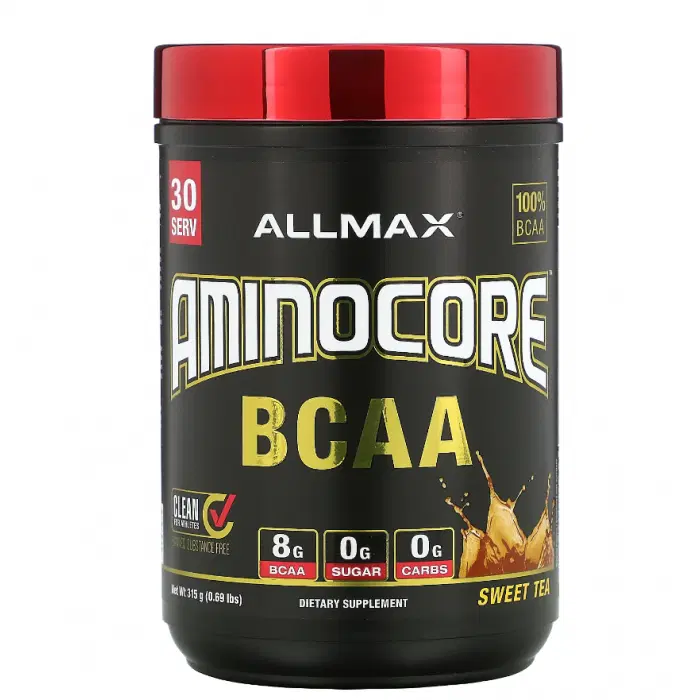
HMB is available as a standalone supplement (usually HMB-Ca) or in combination with other ingredients, while leucine is a common component of BCAA supplements (usually in a 2:1:1 or 4:1:1 ratio with isoleucine and valine), and is also naturally present in all protein sources, especially whey protein.
- If your main goal is Muscle Growth and Recovery, and you are already consuming enough protein, you can experiment with Pure Leucine or High-Quality Whey Protein to optimize MPS.
- If you are a Beginner, train very intensely, or are in a deficit period, then HMB is the supplement that will help you the most with recovery and muscle preservation.
- For Maximum synergistic effect, especially during periods of high training stress, Combining the two is appropriate. Look for products that offer quality sources and dosages. Always check labels for the specific content of pure leucine or HMB.
Is it worth taking HMB or Leucine?
HMB and leucine are tools that can optimize your results when they are part of a well-structured training program and a balanced diet with sufficient protein intake (around 1.6-2.2g/kg body weight).
Investing in quality raw materials is very important. At Sport Zona Academy, we recommend products from proven manufacturers that guarantee purity and effectiveness. Remember that the most important factors for success remain consistency, proper nutrition, and adequate rest.
What are HMB and Leucine?
- [1] Kimball, S. R., & Jefferson, L. S. (2010). Signaling pathways and molecular mechanisms through which branched-chain amino acids mediate translational control of protein synthesis. The Journal of Nutrition, 140(1S), 187S-191S.
- [2] Wilson, J. M., et al. (2013). International Society of Sports Nutrition Position Stand: beta-hydroxy-beta-methylbutyrate (HMB). Journal of the International Society of Sports Nutrition, 10(1), 6.
- [3] Jówko, E., et al. (2007). Creatine and HMB in combination with resistance training promotes lean body mass gain in both young and older subjects. The Journal of Nutritional Biochemistry, 18(1), 65-72.
- [4] Gallagher, P. M., et al. (2000). Beta-hydroxy-beta-methylbutyrate ingestion, in conjunction with resistance training, alters protein metabolism in resistance-trained men. American Journal of Physiology-Endocrinology and Metabolism, 279(5), E988-E995.
- [5] Mero, A. A., et al. (2010). Effects of creatine, arginine alpha-ketoglutarate, and carbohydrate supplementation on strength, muscle composition, and endurance during initial body building training. Journal of Strength and Conditioning Research, 24(6), 1604-1612.<(Although this source is for creatine and arginine, HMB has been studied in the context of improving anabolic processes similar to those affected by amino acids. Some studies suggest possibilities for synergistic action, although more closely related to protein metabolism. In general,)
- [6] Phillips, S. M., et al. (2020). Dietary protein and exercise in older adults for maintaining good health and promoting healthy aging. Applied Physiology, Nutrition, and Metabolism, 45(10 Suppl. 2), S160-S170. (A more general source on protein and amino acids, to support the importance of leucine in the context of protein intake.)
🔬 Expert Note from Sport Zona
HMB (beta-hydroxy beta-methylbutyrate) is a metabolite of the essential amino acid leucine, which is naturally produced in the body and is thought to aid muscle recovery and prevent protein breakdown. Leucine is one of the three branched-chain amino acids (BCAAs) and plays a key role in muscle protein synthesis and blood sugar regulation.
Recommended products
Frequently asked questions
Can HMB and Leucine be taken together?
Yes, they can and are often recommended to be taken together for a synergistic effect. Leucine initiates muscle protein synthesis, while HMB helps reduce muscle breakdown. This can lead to more effective muscle mass gain and preservation.
Which is better for beginners?
For beginners who are just starting with weight training, leucine may offer more pronounced benefits due to its direct role in stimulating muscle synthesis. HMB is more effective at reducing muscle breakdown in individuals undergoing greater stress or low-calorie diets.
When is the best time to take them?
Leucine is most effective when taken before and/or after training to maximize protein synthesis. HMB can be taken at any time of day, often split into doses between meals or before sleep, to support its anti-catabolic effects.
Are there any side effects?
Both HMB and leucine are considered safe at recommended doses and generally do not cause serious side effects. At very high doses of leucine, gastrointestinal upset may occur. Always follow dosage instructions.
What is the dosage?
The typical dosage for leucine ranges from 2 to 5 grams, taken before and/or after training. For HMB, the standard dose is 1.5 to 3 grams daily, split into 2-3 servings. Consulting with a nutritionist or doctor is recommended for personalized dosages.