Home gym up to €1000: complete package for a home fitness room
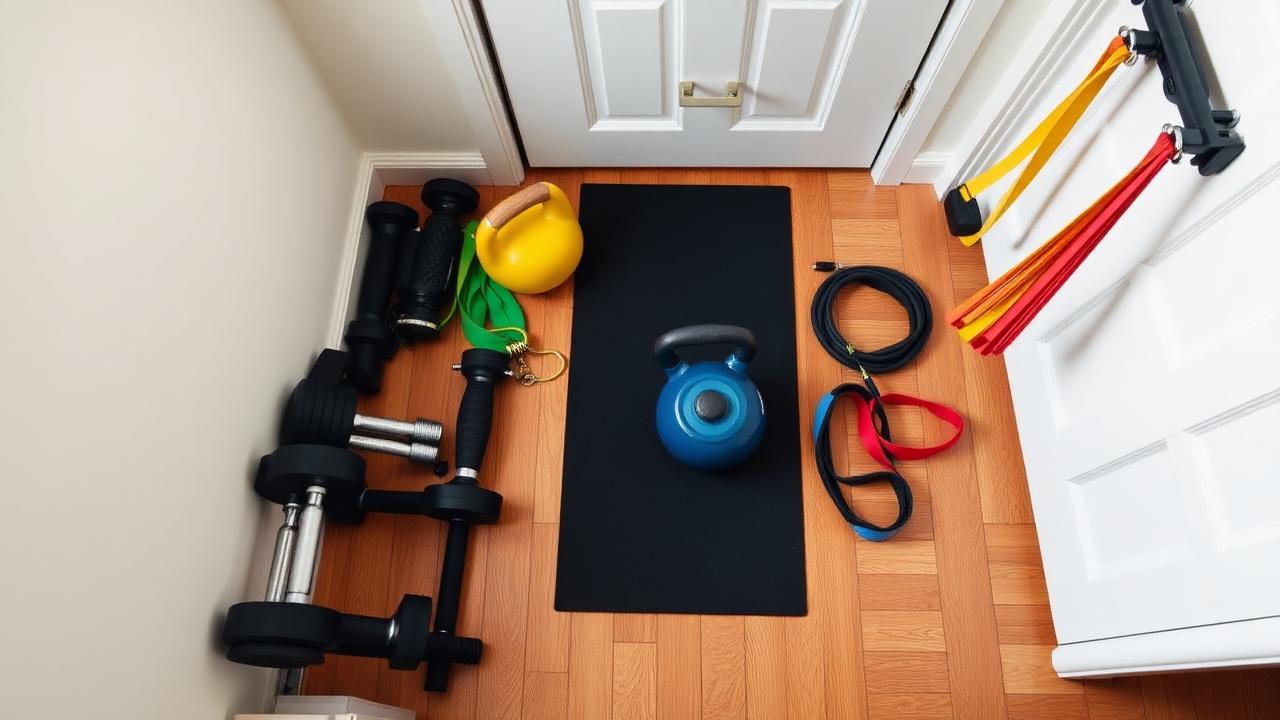
Want to build an effective home gym without breaking the bank? Our guide shows you how to assemble a complete equipment package for under €1000.
Imagine the freedom to train at any time, without wasting time commuting, waiting for equipment, or paying monthly fees. Building your own home gym sounds like an expensive dream, but it's completely achievable with smart planning. With a budget of up to €1000, you can create an extremely effective and versatile space that covers all your training needs and propels you towards your fitness goals.
How to allocate the €1000 budget most effectively?
The key to a successful budget home gym is prioritization. Instead of buying many specialized machines, you should invest in multi-functional equipment that offers maximum return. The focus is on equipment that allows for full-body workouts and easy progression. Our recommended list is structured to provide the greatest flexibility and effectiveness within the budget.
The approximate budget allocation looks like this: adjustable dumbbells (~€300), cardio machine (~€350), plyometric box (~€150), doorway pull-up bar (~€50), kettlebell (~€50), resistance bands (~€40), and a mat (~€30). This configuration allows you to perform hundreds of exercises, covering strength training, cardio, and conditioning.
Why are adjustable dumbbells the cornerstone of a home gym?
Adjustable dumbbells are perhaps the smartest investment for any home gym, especially with a limited budget and space. A single pair of dumbbells, adjustable up to 24 kg, for example, replaces over 15 individual pairs, saving you thousands of euros and a huge amount of space. The quick-change weight system allows you to switch from light warm-up sets to heavy working sets in just a few seconds.
With them, you can perform essential movements for all muscle groups: bench presses, shoulder presses, lunges, squats, rows, bicep curls, and tricep extensions. Their versatility is unmatched, and they form the foundation of any serious strength program. The price of around €300 is fully justified given the value they provide.
Which cardio equipment offers the best return on investment?
On a budget of around €350, the best options are an air bike or a rower. Both machines provide a full-body workout, are low-impact on the joints, and are perfect for both steady-state low-intensity cardio and high-intensity interval training (HIIT). They burn a huge number of calories and improve the cardiovascular system.
A rowing machine engages over 85% of the muscles in the body, with an emphasis on the legs, back, and core. An air bike, on the other hand, distributes the load between the upper and lower body and becomes harder the more effort you put in. The choice between the two depends on personal preference, but both are excellent choices for your home gym.
What are the advantages of a plyometric box and a doorway pull-up bar?
A plyometric box (around €150) is a deceptively simple yet incredibly versatile piece of equipment. Its primary function is for plyometric exercises like box jumps, which develop explosive power. Additionally, it can be used for Bulgarian split squats, step-ups, tricep dips, and even as a makeshift bench for dumbbell exercises. Choose a sturdy wooden or soft box with three different heights for more variability.
A doorway pull-up bar (around €50) is an absolute must-have for developing a strong, wide back and biceps. Pull-ups are one of the best upper-body exercises. Modern bars are installed without drilling and are completely safe. Besides pull-ups, you can also use it for core exercises like hanging leg raises.
- Pull-up Bar Installation: Ensure your door frame is solid and stable.
- Box Selection: For beginners, a soft plyo box can reduce the risk of shin injuries.
- Maintenance: Regularly check the stability of the pull-up bar before each workout.
What additional accessories will complete our gym?
With the remaining budget, we can add a few key accessories. A 16 kg kettlebell (around €50) is perfect for ballistic exercises like swings, which build endurance and posterior chain strength. It's also great for goblet squats and Turkish get-ups. Multi-functional resistance bands (around €40) are invaluable. You can use them for warm-ups, mobility, assisted pull-ups (if you can't do full ones yet), or for adding resistance to other exercises.
Finally, a simple yoga mat (around €30) will provide comfort for floor exercises like crunches, planks, and stretching. These small additions significantly expand your gym's capabilities and make workouts more enjoyable and complete.
How to structure our training week with this equipment?
One of the most effective and popular training methods is the Push/Pull/Legs (PPL) split. It divides the body into three main movement groups, allowing ample recovery time for each muscle group. With our equipment, a PPL program performed 3 times a week is the ideal way to build muscle and strength in a balanced manner.
A sample week could look like this: Monday - Push, Wednesday - Pull, Friday - Legs. The other days are for rest or active recovery, such as light cardio on the rowing machine or stretching. It is important to listen to your body and give yourself enough time for sleep and quality nutrition.
- Warm-up: Always start with 5-10 minutes of light cardio (rower/air bike) and dynamic stretches.
- Progression: Try to increase the weight or reps each week to continue making progress.
- Technique: Focus on proper form, even if it means using a lighter weight.
What does a sample PPL program for the home gym look like?
This program is just an example and can be adapted to your abilities and goals. Always warm up thoroughly before each workout.
Day 1: Push (Chest, Shoulders, Triceps)
| Exercise | Sets | Reps | Rest |
|---|---|---|---|
| Dumbbell Bench Press (on floor or plyo box) | 4 | 8-12 | 60-90 sec |
| Seated Dumbbell Shoulder Press | 3 | 8-12 | 60 sec |
| Decline Push-ups (feet on plyo box) | 3 | To failure | 60 sec |
| Dumbbell Lateral Raises | 3 | 12-15 | 45 sec |
| Dumbbell Overhead Tricep Extension | 3 | 10-15 | 45 sec |
Day 2: Pull (Back, Biceps, Rear Delts)
| Exercise | Sets | Reps | Rest |
|---|---|---|---|
| Pull-ups (assisted with bands if needed) | 4 | To failure | 90 sec |
| Dumbbell Row | 4 | 8-12 (per arm) | 60 sec |
| Kettlebell Swings | 5 | 15-20 | 60 sec |
| Dumbbell Bicep Curls | 3 | 10-15 | 45 sec |
| Bent-Over Reverse Fly | 3 | 12-15 | 45 sec |
Day 3: Legs & Core
| Exercise | Sets | Reps | Rest |
|---|---|---|---|
| Goblet Squat (with dumbbell or kettlebell) | 4 | 10-15 | 60-90 sec |
| Dumbbell Lunges | 3 | 10-12 (per leg) | 60 sec |
| Plyo Box Step-ups | 3 | 10-12 (per leg) | 60 sec |
| Hanging Leg Raises (on pull-up bar) | 3 | To failure | 60 sec |
| Plank | 3 | 30-60 sec | 45 sec |
Recommended products
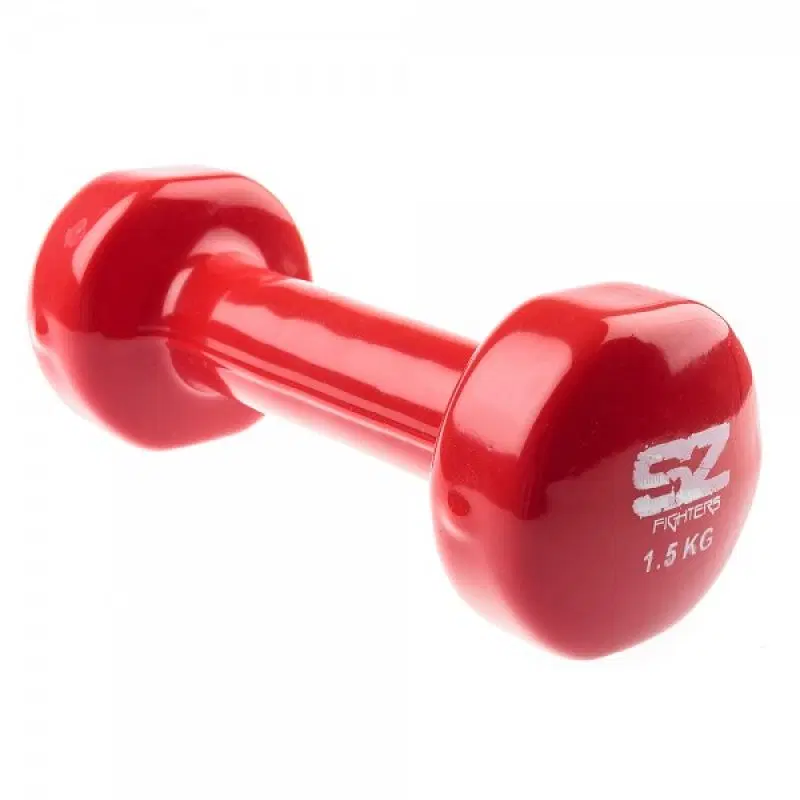 SZ Fighters - Vinyl Dumbbell3.22 €
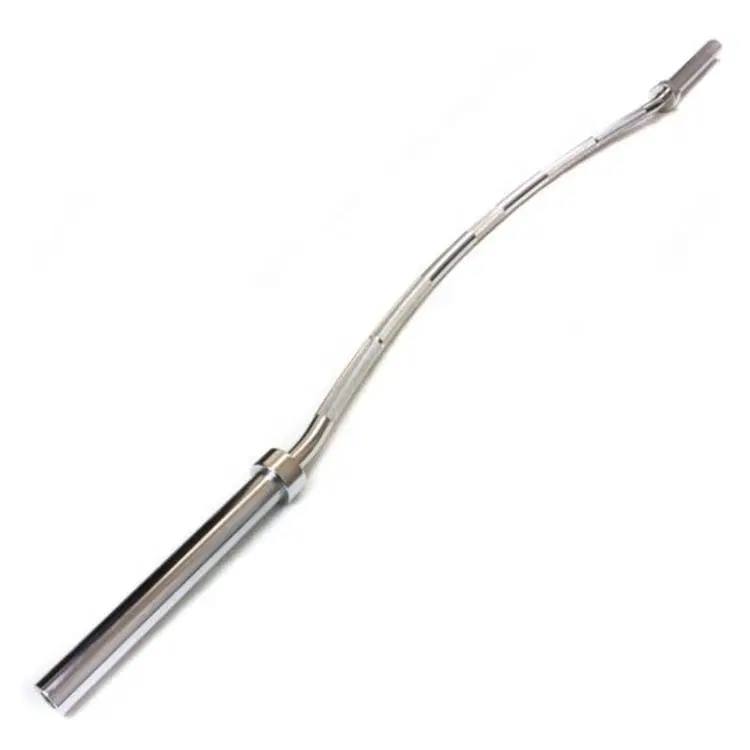 SZ Sport – Bow barbell143.16 €
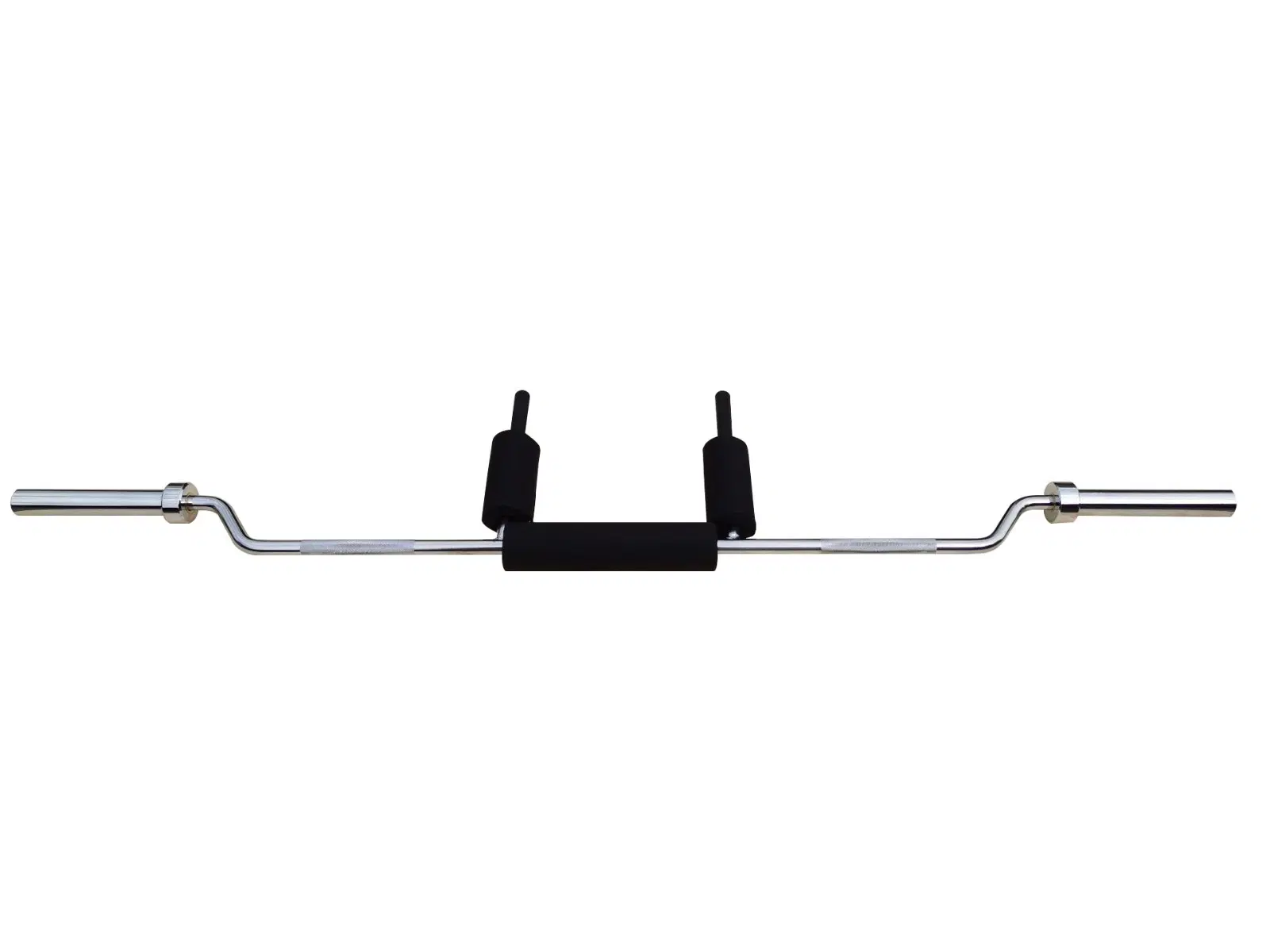 SZ Sport – Safety Squat Barbell173.84 €
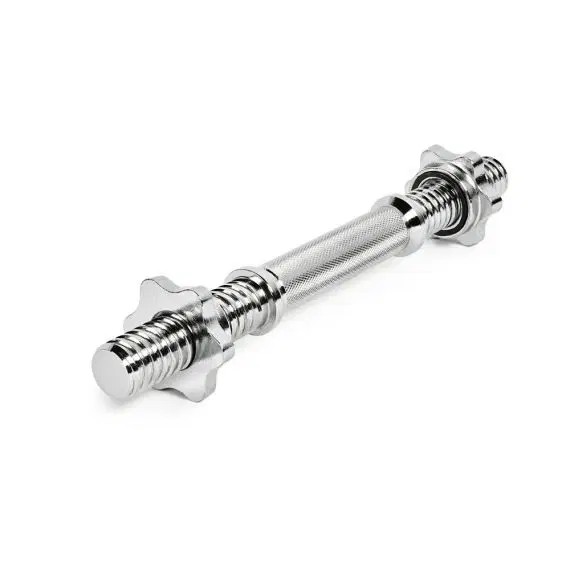 SZ Sport – Dumbbell Bar – 14 inch Chrome12.27 €
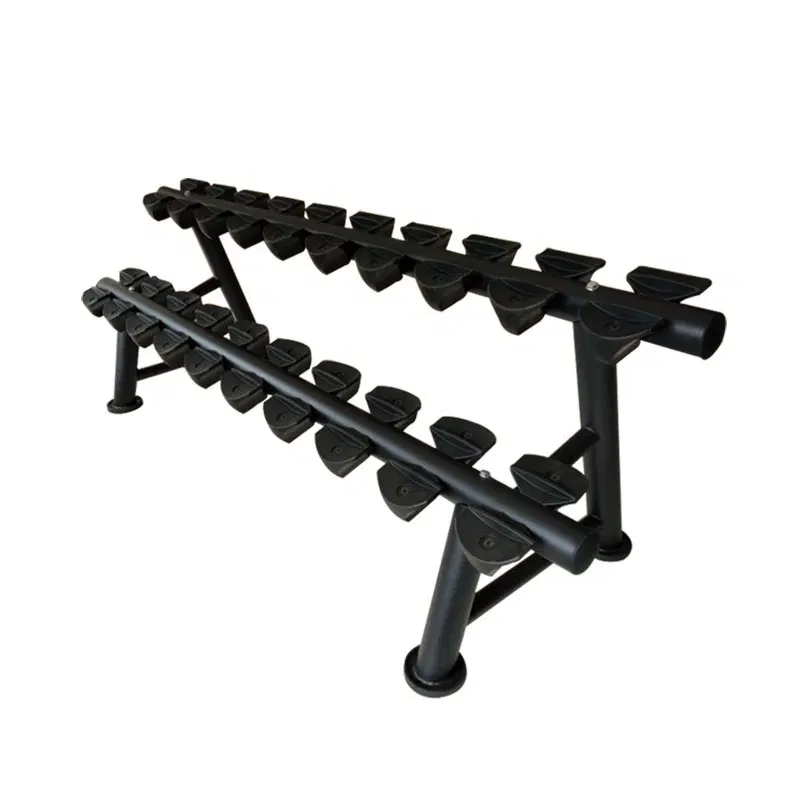 SZ Sport – Professional Rack for Urethane Dumbbells for 10 Pairs587.99 €
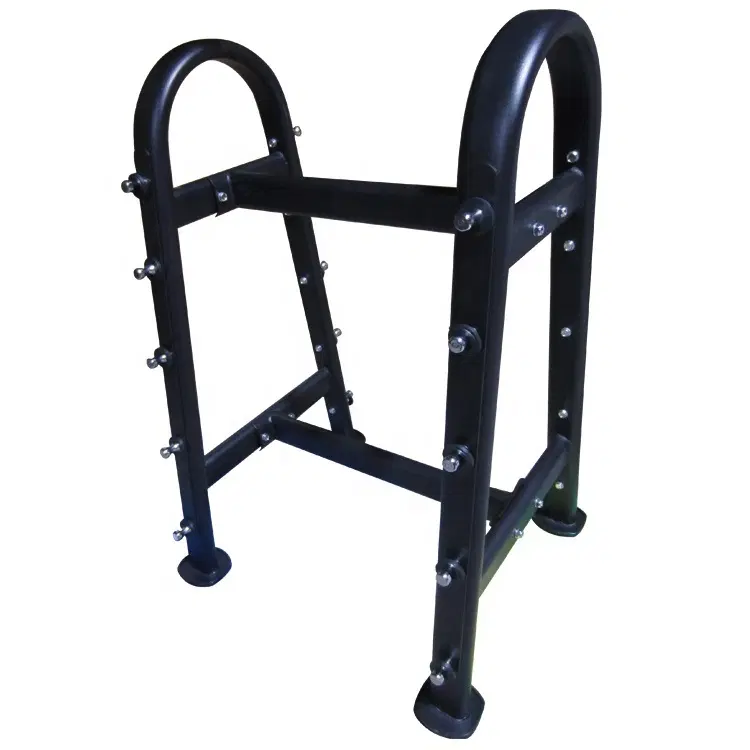 SZ Sport – Professional Rack for Pre-loaded Barbells281.21 €
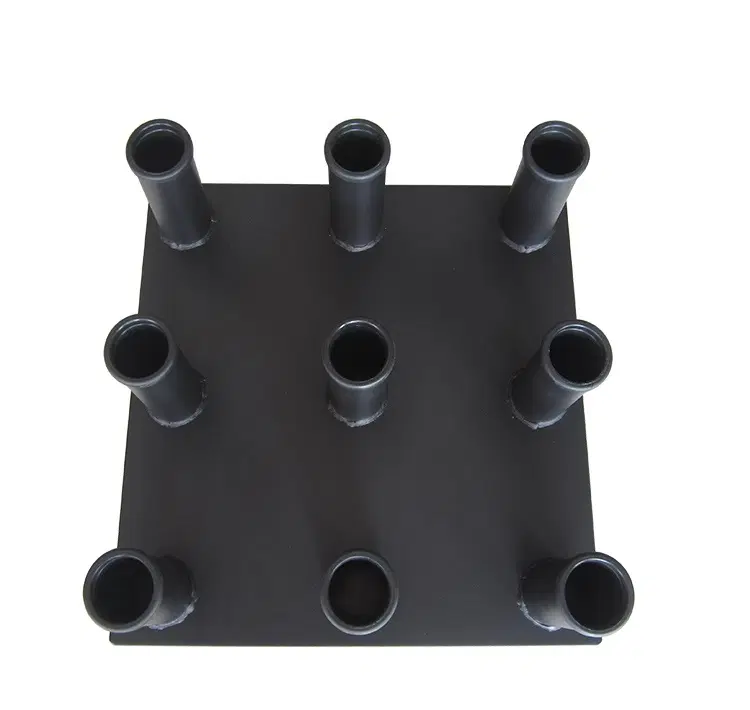 SZ Sport – Стойка за лостове олимпийски размер86.92 €
Frequently asked questions
Is it really possible to equip a gym for under €1000?
Yes, with proper selection and prioritization of versatile equipment like adjustable dumbbells and a rowing machine, the budget is completely realistic for creating a functional space.
How much space do I need for this type of home gym?
An area of about 2.5 x 2.5 meters is sufficient for the described equipment. Adjustable dumbbells and a plyometric box save a lot of space compared to traditional equipment.
Are dumbbells up to 24 kg enough for progress?
For most beginners and intermediate trainees, 24 kg per hand is perfectly sufficient for progression in the main exercises. The focus should be on perfect technique and increasing volume.
Rower or air bike - which one should I choose?
The rowing machine works the back and legs more, while the air bike emphasizes the whole body with greater arm involvement. The choice depends on your personal preferences and goals.
How do I progress once I get used to the weights?
You can progress by increasing the number of reps or sets, decreasing the rest periods between them, or using intensity techniques like supersets and drop sets with the adjustable dumbbells.