Intermittent Fasting vs. Frequent Meals: Cellular Repair vs. Anabolic Maintenance
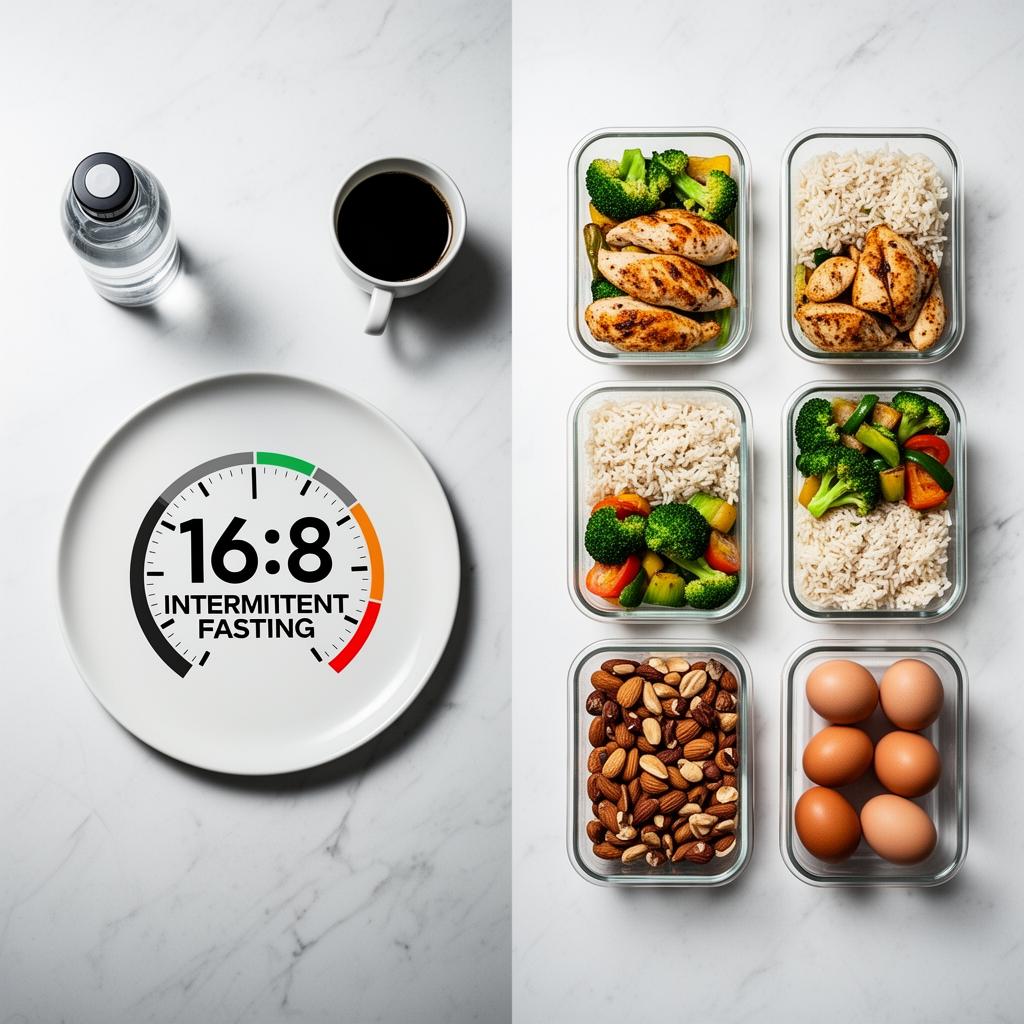
The dispute between these two regimes is not about which one burns more fat (with equal calories, the result is similar), but about what hormonal environment you want to create.
The Science Behind Metabolic Flexibility and Nitrogen Balance
The debate between these two modes is not about which one burns more fat (with equal calories, the result is similar), but about what hormonal environment you want to create. The difference is between activating the body's survival mechanisms and maintaining a growth catalyst.
💬 Simply put: It's like explaining how your car switches between different fuels (gasoline/LPG) and how the body uses proteins for "repair" and "building" muscles without losing them.
📊 Comparative Matrix: System Analysis
| Characteristic | Intermittent Fasting (16/8) | Frequent Meals (5-6 times) |
|---|---|---|
| Primary Mechanism | Autophagy and Insulin Rest | Constant Nitrogen Balance |
| Insulin Profile | Long periods of baseline levels | Frequent, controlled spikes |
| Muscle Synthesis | Periodic (intense) | Constant (optimal) |
| Growth Hormone | Increased (natural peak) | Stable |
| Cortisol Levels | May increase (stress) | Low (stable sugar) |
| Psychology | "All or nothing" | Constant focus on food |
🧬 In-depth Analysis of Mechanisms
1. Intermittent Fasting: The Metabolic "Cleaning Mode"
When the body doesn't receive food, it switches from "consumption" mode to "recycling" mode.
💬 Simply put: Here we will look at the "internal" processes in the body – like how cells "clean" themselves or how new muscles are "built," at a microscopic level.
- Autophagy (Cellular Self-Eating): After about 14–16 hours without food, nutrient sensors (like mTOR) turn off, and AMPK is activated. The body begins to identify old, damaged proteins and mitochondria, breaking them down and using them for energy.
- Insulin Sensitivity: Through "rest" from food, cell receptors become extremely sensitive. When you finally eat, your body directs nutrients much more effectively to the muscles, rather than to fat stores.
2. Frequent Meals: The Holy Grail of Anabolism
Muscle protein synthesis (MPS) has a duration limit (about 3–4 hours after a meal).
- Amino Acid Window: By eating every 3 hours, you keep MPS activated throughout the day. With IF, you have long periods where the body is not building muscle, but simply maintaining existing muscle.
- Thermic Effect of Food (TEF): Although minimal, the body expends energy for every digestion. Frequent eating keeps this "metabolic fire" active, although the total expenditure for the day depends more on total calories.
🛡️ Hormonal Balance: Testosterone and Cortisol
- Growth Hormone (GH) with IF:
Recommended products
Frequently asked questions
Does IF reduce muscle mass?
With sufficient protein intake and resistance training, IF does not lead to muscle loss. Growth hormone increases during fasting to protect muscles. However, for maximum hypertrophy, frequent meals are more optimal.
How many hours of fasting are needed for autophagy?
The process of autophagy begins to activate after about 14-16 hours without food. Therefore, the 16/8 protocol is the minimum threshold for significant results. Important: even 50 calories can interrupt the process.
Can I combine IF and frequent meals?
Yes, the Hybrid Master protocol offers IF (16/8) on weekdays for focus and insulin sensitivity, and frequent meals on weekends for anabolism and recovery.
Does coffee break a fast?
Black coffee (without sugar, milk, or cream) does not break a fast and can even enhance autophagy. However, adding cream or milk (even 50 calories) activates insulin pathways and interrupts cellular cleansing.