Yoga for Beginners: 4-Week Program with Mat & Blocks
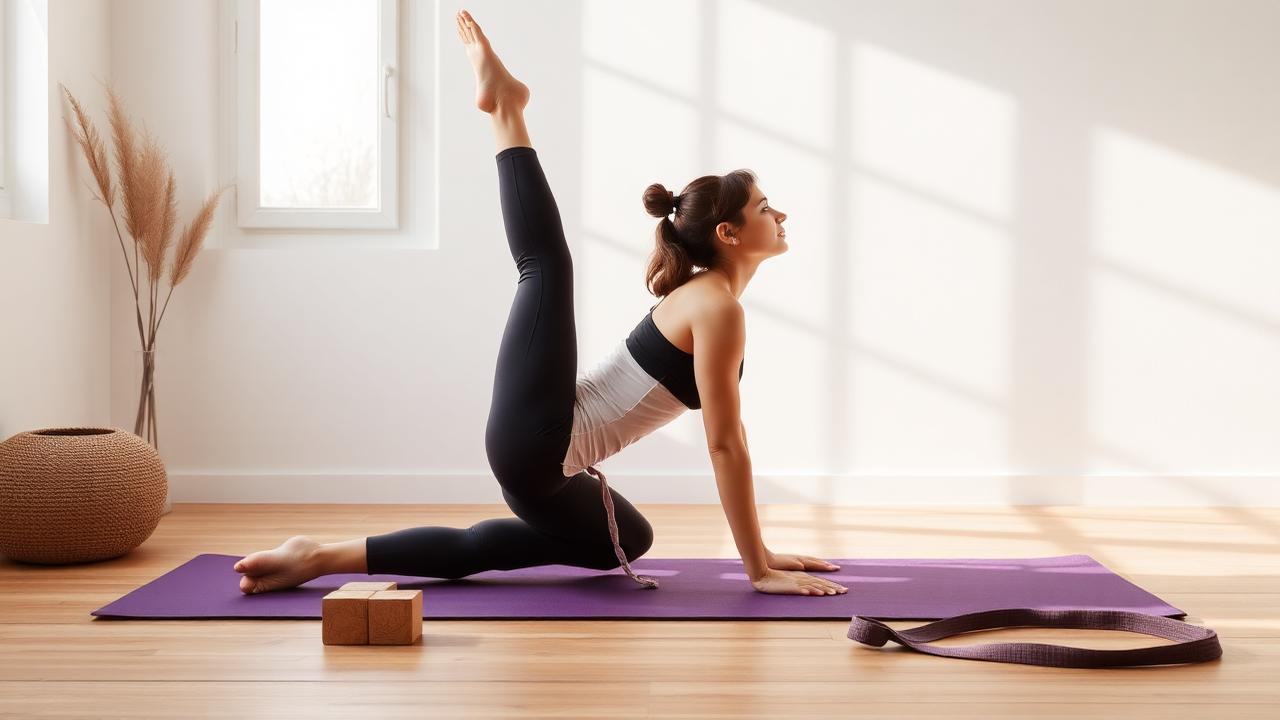
Want to start yoga but don't know how? This 4-week program is designed to help you build a solid foundation at home with just a mat and blocks.
Do you feel drawn to the calm and strength of yoga, but the idea of walking into a crowded studio intimidates you? Imagine unrolling your mat in the comfort of your own home and starting a transformative journey, guided by a clear and accessible program. This 4-week plan is designed specifically for absolute beginners to help you build a solid foundation, improve flexibility, and find inner balance using only the most essential equipment.
Why is yoga ideal for beginners at home?
Yoga is a unique practice that combines physical postures (asanas), breathing techniques (pranayama), and meditation. Unlike many other types of workouts, it doesn't require expensive equipment or a large space. You can start with an investment in a quality mat and a few basic accessories, making it extremely accessible. The practice is low-impact and gentle on the joints, which reduces the risk of injury, common for beginners in other sports.
Besides physical benefits like improved flexibility, strength, and balance, yoga offers significant mental advantages. Regular practice helps reduce stress and anxiety by activating the parasympathetic nervous system. The focus on breath and the present moment cultivates mindfulness, which you can carry off the mat, improving your overall quality of life. Starting at home gives you the freedom to move at your own pace without comparing yourself to others.
What equipment is absolutely necessary to start?
The beauty of yoga lies in its simplicity. For this program, you only need three basic items that will make your practice safe, effective, and enjoyable. Investing in quality products will serve you for a long time.
Here's what you need:
- Yoga Mat (4-6mm): This is your personal oasis. A thickness of 4 to 6 millimeters provides the perfect balance between cushioning for your knees and elbows and stability for balancing poses. Look for a mat with good grip to prevent slipping, especially in poses like Downward-Facing Dog.
- Two Cork Blocks: Blocks are a beginner's best friend. They literally 'shorten' the distance to the floor, allowing you to perform poses with proper alignment, even if your flexibility is limited. Cork is a preferred material for its firmness, stability, and eco-friendliness.
- Yoga Strap: A strap is an invaluable aid for stretching. It helps you reach deeper into poses like Paschimottanasana (Seated Forward Bend) without compromising your back's alignment.
How is the 4-week yoga program structured?
The program is designed with a smooth and logical progression in mind. Each week builds on the skills from the previous one, gradually increasing the duration and complexity of the practice. The goal is that by the end of the month, you feel confident performing a short vinyasa flow, linking your movement with your breath. It is recommended to perform each weekly practice 3-4 times before moving on to the next. This gives your body time to adapt and learn the movements.
The plan starts with basic poses and the foundational Sun Salutation A sequence in the first week. The second week introduces elements of balance and strength poses that build muscle in the legs and core. The third week is dedicated to deepening flexibility and introducing the world of breathing techniques (pranayama). The final, fourth week, brings everything together in a dynamic and meditative vinyasa practice.
Week 1: Laying the Foundation (Practice ~15 min)
| Asana / Technique | Focus | Duration / Breaths |
|---|---|---|
| Tadasana (Mountain Pose) | Proper posture, grounding | 5 deep breaths |
| Surya Namaskar A (Sun Salutation A) | Warm-up, basic sequence | 3-5 rounds, slow pace |
| Adho Mukha Svanasana (Downward-Facing Dog) | Stretching back and legs, arm strength | Hold for 5-8 breaths |
| Balasana (Child's Pose) | Relaxation, rest | 5-10 deep breaths |
How can I improve my balance and strength in Week 2?
Once you've mastered the basics, it's time to challenge your stability. Balancing poses not only strengthen the muscles in your feet, ankles, and legs but also improve concentration. When you're trying to stay steady on one leg, your mind becomes fully focused on the present moment. The Warrior poses (Virabhadrasana) build strength and endurance throughout the body while opening the hips and shoulders.
Use a wall or a chair for support at the beginning if you feel unstable in Tree Pose. In the Warrior poses, make sure the knee of the front leg is directly above the ankle to protect the joint. Place blocks under your hands if needed to maintain balance and proper alignment.
Week 2: Balance and Strengthening (Practice ~20 min)
| Asana / Technique | Focus | Duration / Breaths |
|---|---|---|
| Surya Namaskar A | Warm-up | 3 rounds |
| Vrksasana (Tree Pose) | Balance, concentration | 5-8 breaths on each leg |
| Virabhadrasana I (Warrior I) | Leg strength, hip opening | 5 breaths on each side |
| Virabhadrasana II (Warrior II) | Strength, opening the hips | 5 breaths on each side |
| Balasana (Child's Pose) | Rest | 5 deep breaths |
How do I work on flexibility and conscious breathing in Week 3?
This week, the focus shifts to stretching the posterior chain of the body and the spine, as well as introducing conscious control over the breath. Cobra Pose (Bhujangasana) is a great way to strengthen the spinal muscles and open the chest, which is especially beneficial for a sedentary lifestyle. Seated Forward Bend (Paschimottanasana) intensely stretches the hamstrings and lower back. Here, the strap and blocks are extremely helpful.
For the first time, we also introduce a pranayama technique – Nadi Shodhana. This is a breathing practice that balances the left and right hemispheres of the brain, calms the nervous system, and improves concentration. Practice it in a comfortable seated position, aiming for the breath to be light and silent.
Week 3: Flexibility and Pranayama (Practice ~25 min)
| Asana / Technique | Focus | Duration / Breaths |
|---|---|---|
| Cat-Cow Pose | Spinal warm-up | 10 cycles (inhale/exhale) |
| Paschimottanasana (Seated Forward Bend) | Stretching the posterior chain | 8-10 breaths (use a strap) |
| Bhujangasana (Cobra Pose) | Spinal flexibility, strength | 3 repetitions, hold for 3 breaths |
| Nadi Shodhana (Breathing) | Balancing, calming | 5-10 rounds |
| Savasana (Corpse Pose) | Deep relaxation | 5 minutes |
Am I ready for my first vinyasa flow in Week 4?
Vinyasa is a style of yoga where poses flow into one another in a smooth sequence, synchronized with the breath. Each movement is linked to an inhalation or an exhalation. After three weeks of preparation, your body and mind are ready to unite what you've learned into a whole. This practice will feel more dynamic, yet at the same time deeply meditative, as the focus on the breath doesn't allow the mind to wander.
Don't worry if you mix up the sequence or lose sync with your breath at first. This is completely normal. The goal is not perfect execution, but the process of connection itself. This week is the culmination of your efforts, giving you the tools to create your own short practices in the future.
- Listen to your body: Take breaks in Child's Pose whenever you need to.
- Move with the breath: Let the breath guide the movement, not the other way around.
- Use modifications: Continue to use blocks to maintain good alignment.
Week 4: First Steps in Vinyasa (Practice ~30 min)
| Sequence (Flow) | Movement / Breath | Focus |
|---|---|---|
| Tadasana -> Urdhva Hastasana | Inhale, arms up | Grounding and stretching |
| Uttanasana (Forward Bend) | Exhale, fold forward | Releasing the back |
| Ardha Uttanasana (Half Lift) | Inhale, flat back | Lengthening the spine |
| Chaturanga (knees on floor) -> Cobra | Exhale/Inhale | Building strength |
| Adho Mukha Svanasana | Exhale | Hold for 5 breaths |
| Transition to Warrior I | Inhale (right foot forward) | Hold for 3 breaths |
| Transition to Warrior II | Exhale (open hips) | Hold for 3 breaths |
| Repeat flow from Chaturanga on the left leg | Sync with breath | Balance and symmetry |
| Savasana | Complete relaxation | 5-7 minutes |
Recommended products
Frequently asked questions
How often should I practice yoga as a beginner?
For best results, aim to practice 3-4 times a week. Consistency is more important than duration, so even 15-20 minutes of regular practice is extremely beneficial.
Can I do yoga if I'm not flexible?
Absolutely! Yoga develops flexibility; it is not a prerequisite. Use yoga blocks and a strap to modify poses and make them accessible to your body.
What kind of yoga mat should I choose?
A mat with a thickness between 4 and 6 mm is suitable for beginners. It provides a good balance between cushioning for the joints and stability for balancing poses.
What is pranayama?
Pranayama is a set of breathing techniques in yoga aimed at controlling life force energy (prana). They help calm the mind, reduce stress, and improve focus.
Is pain during yoga normal?
No. You should feel a stretch and effort, but not a sharp, piercing pain. If you feel pain, immediately come out of the pose or reduce its intensity. Listen to your body.