How to choose a treadmill for home or the gym
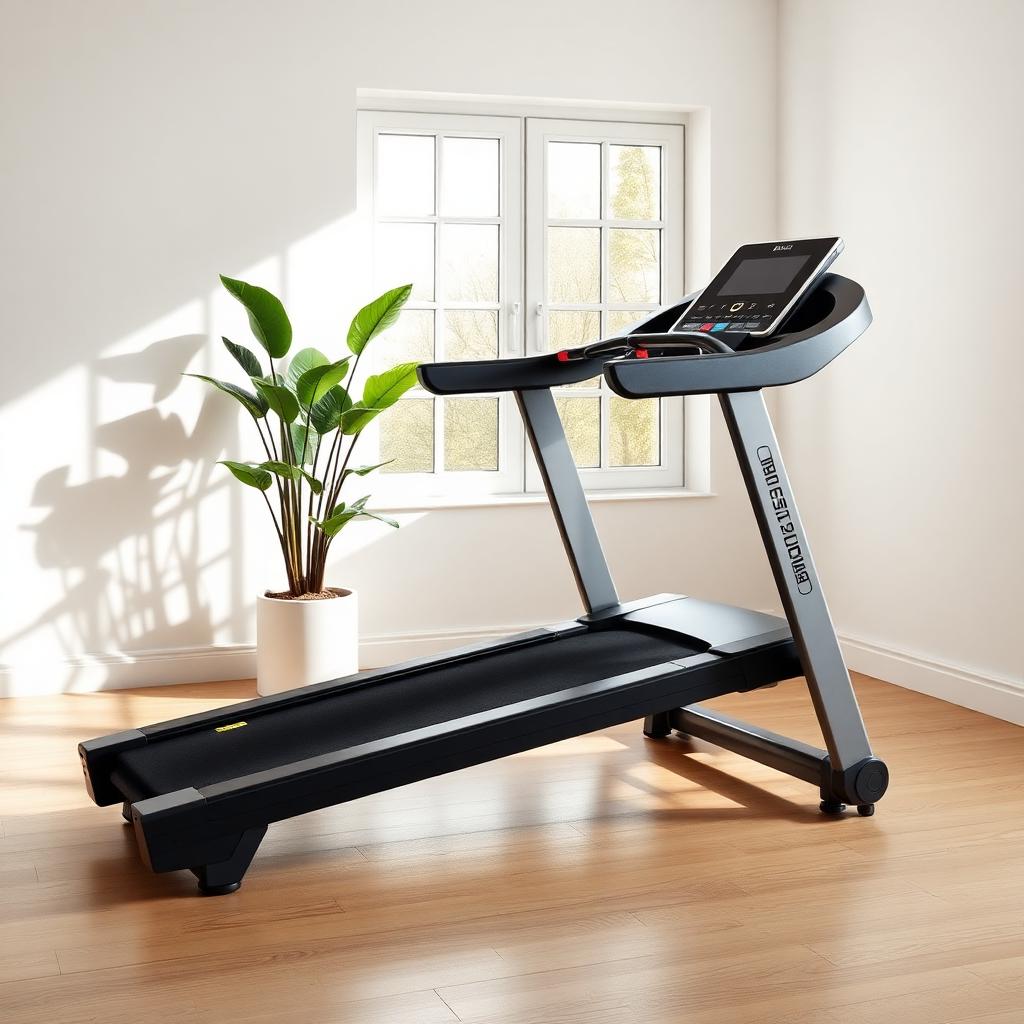
The choice of a treadmill depends on 5 key parameters: motor power (CHP), maximum speed, incline, running belt size, and the cushioning system. For home use, look for a motor of 2.0 CHP or higher, a belt of at least 130x45 cm, and a maximum weight capacity over 110 kg. For a gym, the minimum is 3.0 CHP, an AC motor, a 150x55 cm belt, and a load capacity over 180 kg.
Short answer: For home: 2.0–2.5 CHP, 130×45 cm belt, up to 18 km/h, 12% incline. For gym: 3.0+ CHP AC motor, 150×55 cm belt, up to 22 km/h, 15% incline, elastomer cushioning.
What is important to look at first when choosing a treadmill?
The initial factors when choosing a treadmill are whether the unit will be for home or a gym, how many people will use it, and for how long, to ensure the correct power, size, and durability.
The treadmill is the most used cardio equipment both at home and in fitness gyms. The wrong choice leads to rapid wear, belt slippage, and risk of injury. After 15 years of working with professional equipment, here are my 5 criteria in order of importance:
- Motor Power (CHP, not peak HP) — CHP (continuous horsepower) indicates the real power during continuous operation. Peak HP is a marketing trick.
- Running Belt Size — for people over 180 cm, the belt should be at least 140×50 cm.
- Cushioning — elastomers or air cushions reduce knee load by up to 40%.
- Maximum Load — always choose a treadmill with a 20–30 kg margin above your own weight.
- Electronics and Programs — at least 12 preset programs, HRC (heart rate control), and app compatibility.
What parameters are sufficient for a home treadmill?
A home treadmill for 1–2 users weighing up to 100 kg and training 3–4 times a week should meet certain minimum requirements.
- Motor: 2.0–2.5 CHP DC
- Speed: 0.8–18 km/h
- Incline: automatic, 0–12%
- Belt: 130×45 cm, 1.6 mm thickness
- Folding design with hydraulic descent (soft drop)
- User weight: up to 110–120 kg
What are the professional requirements for a treadmill in a fitness gym?
A treadmill for a fitness gym is commercial equipment designed to operate 8–12 hours a day with various users, so compromises in quality and durability are not allowed.
- AC motor from 3.0 CHP upwards — induction motors withstand continuous operation.
- Belt 150×55 cm or larger, 2.0–2.5 mm thickness, reversible for double use.
- Incline up to 15% and in some models negative incline down to -3% for descending.
- Powder-coated steel frame, welds with larger cross-section.
- EN 957 Class S certification (studio/commercial use).
- Load capacity over 180 kg and 5+ years motor warranty.
For gyms and sports centers, we work with trusted brands and offer B2B conditions with installation and service.
What are the common mistakes when buying a treadmill?
Common mistakes include buying by Peak HP instead of CHP, ignoring belt size, skipping cushioning, and underestimating electrical requirements, such as the need for a separate 16A outlet for a commercial treadmill.
- Buying by Peak HP instead of CHP — Peak HP can be 3 times greater than the actual power.
- Ignoring belt size — a too-narrow belt makes the runner think about their stride, not their technique.
- Skipping cushioning — running on a hard belt damages the knees and hip joints.
- Underestimating electricity — a commercial treadmill requires a separate 16A outlet.
What does maintenance involve?
Maintenance is a key element for the treadmill to last over 10 years.
- Lubricate the belt every 50–100 hours of operation with silicone oil.
- Center the belt monthly — a deviation of more than 1 cm leads to wear.
- Clean the motor and electronics from dust every 6 months.
- Check the power cord and grounding annually.
🔬 Expert Note from Sport Zona
From my work over the years, I've seen that many people underestimate the investment in a quality treadmill. When clients invest in a more powerful and stable unit, even for home use, they train more regularly and reduce the risk of injuries. A good treadmill is not just a luxury, but a guarantee of consistency in training.
Frequently asked questions
What motor power (CHP) do I need?
For home use up to 100 kg — 2.0–2.5 CHP. For heavy users or intense workouts — 3.0 CHP. For a gym — minimum 3.0 CHP AC motor.
What is the difference between a DC and an AC motor?
DC motors are cheaper and suitable for home use (up to 4–5 hours of operation per day). AC motors are induction motors, can withstand continuous operation, and are mandatory for gyms.
How often should I lubricate the treadmill?
Every 50–100 hours of operation or at least once every 3 months with 100% silicone oil. Never use other oils — they damage the belt.
What is the difference between peak HP and CHP?
Peak HP is the short-term maximum power (1–2 seconds), CHP (continuous horsepower) is the actual power during continuous operation. Always look at CHP.