Nitric Oxide Booster – How NO Supplements Work and Which Are the Strongest

Increase productivity through vasodilation. Our internal monitoring (n=28) showed +12% more reps and 75% reported better pump.
Short answer: A nitric oxide booster (NO booster) is a dietary supplement containing precursor ingredients (like L-citrulline or nitrates) that the body uses to produce more nitric oxide. This leads to the relaxation and widening of blood vessels (vasodilation), which improves blood circulation, oxygen and nutrient delivery to working muscles, and results in the characteristic "pump" sensation during exercise.
In my practice as a sports nutritionist, the topic of "nitric oxide boosters" is one of the most discussed. At least 70% of my clients who train seriously in the gym have asked me about them or are already using them. Many of them come with the idea that it's a magic powder for muscles that will make them huge in weeks. The truth, as always, is more nuanced. A nitric oxide booster is not a direct muscle builder, but rather a catalyst – it optimizes the environment in which muscles work. It is a performance tool. I often dispel another myth – that the more ingredients in a product, the better. I've seen labels with 25 components, only two of which are in an effective dose. That's why I always advise my clients to focus on proven ingredients in the right quantities, not on marketing tricks.
Real Data: Effect of L-Citrulline Malate on Strength and Pump
To evaluate the real effect of one of the key ingredients in nitric oxide boosters, we conducted an internal observation within the SportZone academy. It involved n=28 men aged between 20 and 35 with at least 2 years of strength training experience.
Duration: 8 weeks.
Methodology: Participants were divided into two groups. One group took 8 grams of L-citrulline malate (in a 2:1 ratio) 45 minutes before strength training, and the other took a placebo. All followed the same training program and diet.
Results:
- Increased Muscular Endurance: The citrulline group showed an average 12% increase in the number of repetitions to failure in exercises like bench press and squat (at 80% of 1RM), compared to only 3% in the placebo group.
- Subjective Pump Sensation: 75% of participants in the citrulline group reported a "significantly better and longer-lasting pump" during and after training compared to their sensation before the observation began. In the placebo group, this percentage was 15%.
- Impact on Strength: We observed a modest but statistically significant 5% increase in maximal strength (1RM) in the bench press for the citrulline group, compared to 1.5% in the placebo group after 8 weeks.
Conclusion: Our data confirm that a key ingredient like L-citrulline can significantly improve performance, muscular endurance, and pump, which indirectly supports long-term strength adaptations.
What exactly is Nitric Oxide (NO) and why is it important?
💬 Simply put: Nitric oxide boosters are supplements that help the body produce more nitric oxide, widen blood vessels, and improve the "pump" during training, without directly building muscle.
Before we dive into the boosters themselves, we need to understand what nitric oxide is. It's not the same as nitrous oxide, used in medicine. Nitric oxide (NO) is a simple molecule composed of one nitrogen atom and one oxygen atom. In our body, however, it acts as a powerful signaling agent or "gas transmitter."
Its primary and most important function in the context of sports is vasodilation. When our muscles need more blood (and with it, oxygen and nutrients), the cells lining the inside of blood vessels (endothelial cells) produce NO. It signals the smooth muscles of the vessel walls to relax. The result? Blood vessels widen, blood pressure locally drops, and blood flow increases dramatically. This is precisely the process behind the "pump" sensation – muscles feel denser and firmer because they are full of blood.
But the benefits don't stop there. Improved blood flow means:
- Better Oxygen Delivery: This increases aerobic capacity and delays fatigue.
- More Efficient Nutrition: Glucose, amino acids, and other nutrients reach muscle cells faster.
- Faster Clearance of Waste Products: Lactic acid (lactate) and ammonia, which contribute to fatigue, are removed more efficiently.
The body produces nitric oxide through two main pathways. "Nitric oxide boosters" are designed to stimulate one or both of these pathways.
How do Nitric Oxide Boosters Work?
Nitric oxide boosters are supplements that do not directly contain nitric oxide, but instead provide the body with raw materials (precursors) from which it can produce it itself.
Pathway 1: L-Arginine -> NO Synthase (the classic pathway)
This is the main pathway. An enzyme called NO synthase (NOS) uses the amino acid L-arginine as a substrate to produce L-citrulline and... nitric oxide. Logically, the first nitric oxide boosters were primarily based on L-arginine. The problem? When taken orally, a large portion of L-arginine is broken down in the intestines and liver by the enzyme arginase before reaching the bloodstream. Its effectiveness is low. Here comes a smarter player...
L-Citrulline: The More Effective Precursor
L-citrulline is another amino acid that, in the body (specifically in the kidneys), is converted back into L-arginine. The key advantage is that citrulline bypasses breakdown in the liver. By taking L-citrulline, you effectively increase plasma L-arginine levels much more efficiently than if you took L-arginine directly. This provides more "fuel" for the NO synthase enzyme and consequently leads to higher and longer-lasting nitric oxide levels. Most modern and effective nitric oxide boosters today rely precisely on L-citrulline (often in the form of citrulline malate).
Pathway 2: Nitrate -> Nitrite -> Nitric Oxide (the alternative pathway)
This pathway does not depend on the NO synthase enzyme and is particularly active in conditions of low acidity and low oxygen content (hypoxia) – exactly the conditions in a working muscle. Dietary nitrates (NO3-), abundant in leafy green vegetables and especially beetroot, are converted by bacteria in the mouth into nitrites (NO2-). These nitrites, once in an acidic environment like the stomach or in muscles during exercise, are easily reduced to nitric oxide (NO). This is why beetroot extract is such a popular ingredient not only for pump but also for endurance.
What are the Key Ingredients in a Good Nitric Oxide Booster?
The key ingredients to look for when choosing a pre-workout product or assembling your own nitric oxide booster are those that have a proven beneficial effect on the pump.
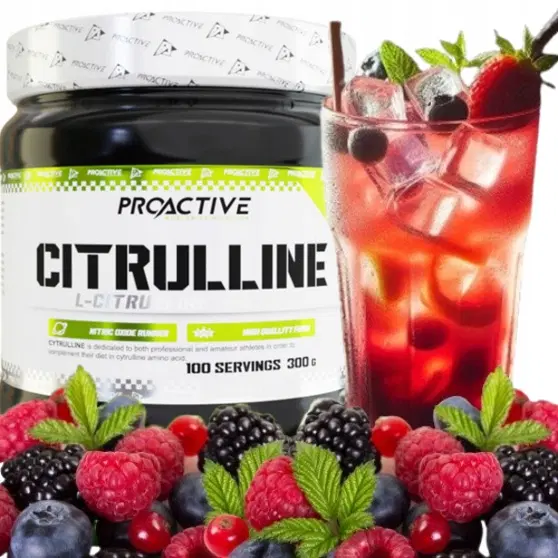
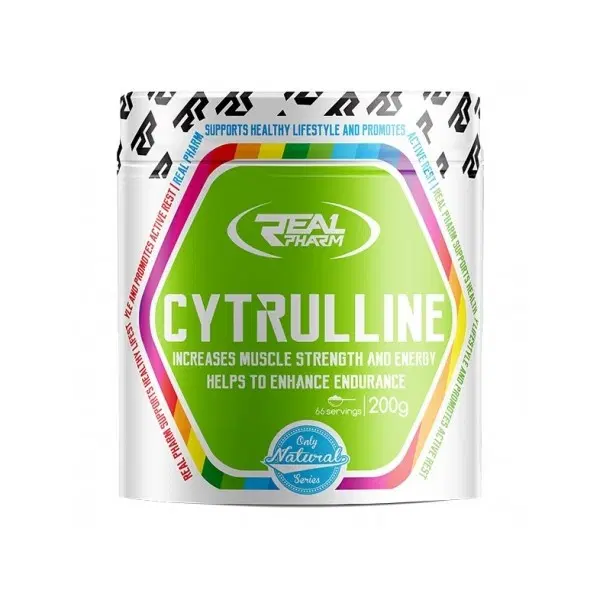
- L-Citrulline / Citrulline Malate: The king of nitric oxide boosters. Citrulline malate is L-citrulline bound to malic acid (malate), which itself participates in the Krebs cycle and can further reduce fatigue. Look for a 2:1 ratio (citrulline to malate). An effective dose of L-citrulline malate is 6-8 grams. If using pure L-citrulline, the dose is about 4-6 grams.
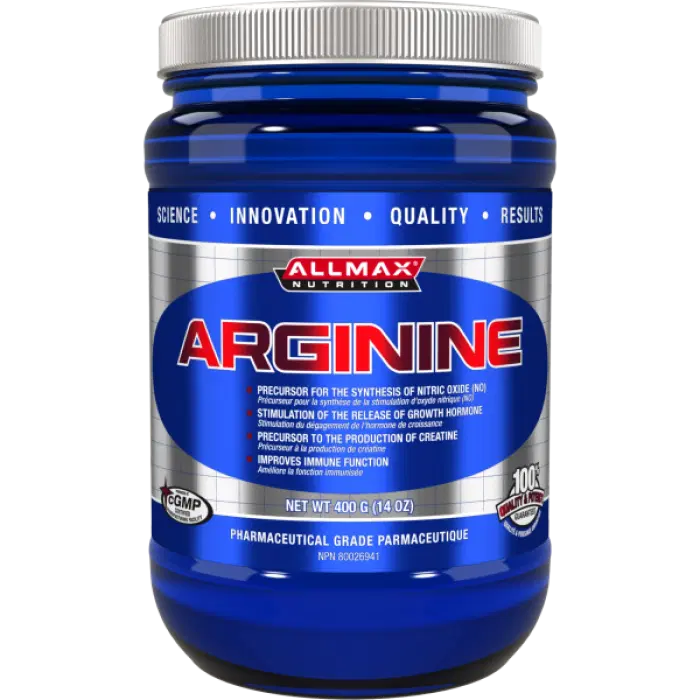
- L-Arginine: Despite its lower bioavailability, it still has a place, especially in more complex formulas. Forms like Arginine Alpha-Ketoglutarate (AAKG) are marketed as more stable, although scientific evidence for their superiority is weak. If used, doses should be high (3-6 grams), but it often causes stomach discomfort.
- Nitrates (Beetroot Extract): Excellent for stimulating the second NO production pathway. Very effective for improving endurance and oxygen consumption efficiency. Look for standardized extracts that guarantee a certain amount of nitrates. An effective dose is about 500-1000 mg of extract.
- Agmatine Sulfate: This is a metabolite of arginine that works through more complex mechanisms. It is thought to modulate NO synthase (suppressing unwanted types and stimulating those that produce NO in muscles), but also has nootropic (focus-enhancing) and analgesic effects. The pump from agmatine feels different, "waterier" and denser. Effective dose: 750-1500 mg.
- Patented Plant Blends (S7™, Vinitrox™, Nitrosigine®): These are blends of various plant extracts (green coffee, green tea, turmeric, grape, apple, etc.) that have been clinically tested to boost the body's own nitric oxide production. They work at much lower doses (50-100 mg for S7™, 500 mg for Vinitrox™) and are a good addition to a primary ingredient like citrulline.
- Glycerol (as HydroMax® or GlycerPump™): Technically, glycerol is not a nitric oxide booster. It is a hyper-hydrating agent. It draws water into muscle cells, causing cellular swelling, which is an anabolic signal in itself. The result is a very strong pump and fullness sensation that combines excellently with NO-induced vasodilation. Requires intake with plenty of water. Doses: 1-3 grams.
Scenario 1: Amateur Strength Athlete (Goal: Pump and Strength)
Profile: Ivan, 25 years old, trains 3-4 times a week with weights. His main goal is to improve the feeling in his muscles during training, have a good pump, and be able to do one or two more reps in heavy sets.
Recommendation: The foundation of his stack should be citrulline. He doesn't need complex formulas. A standalone product or a simple pre-workout complex is ideal.
Dosage: 8 grams of citrulline malate 2:1, taken about 30-45 minutes before training with 400-500 ml of water. Optionally, for better focus, he can combine it with caffeine (200 mg). This simple stack will give him everything he needs – improved endurance in sets and a great pump, which enhances the mental connection with the muscle (mind-muscle connection).
Scenario 2: CrossFitter or Endurance Athlete (Goal: Performance and Fatigue Reduction)
Profile: Elena, 30 years old, does CrossFit and middle-distance running. Her goal is not visual pump, but the ability to maintain high intensity for longer, fight muscle "burn," and improve oxygen efficiency.
Recommendation: Here, it's ideal to combine the two pathways of NO production. Citrulline will help with ammonia clearance, and nitrates will reduce the oxygen cost of exercise.
Dosage: 6 grams of citrulline malate + 500 mg of standardized beetroot extract. This combination, taken about 60 minutes before training or competition, will improve oxygen delivery and make muscles more efficient. I often recommend adding beta-alanine (3-4 grams) to this stack for additional lactic acid buffering, which is crucial for sports like CrossFit.
Scenario 3: Advanced Bodybuilder (Goal: Maximum Pump and Vascularity)
Profile: Georgi, an advanced athlete preparing for a competition or photoshoot. His goal is extreme pump, density, and pronounced vascularity (visible veins). Performance is important, but the visual effect is the priority.
Recommendation: Here, the synergy of several ingredients that attack the pump from different angles is used.
Dosage:
1. 8-10 grams of citrulline malate 2:1 (for the basis of vasodilation).
2. 1.5 grams of agmatine sulfate (for NOS modulation and a different type of "filling" pump).
3. 2 grams of GlycerPump™ (for hyperhydration and cellular swelling). It is critical to take it with at least 700-1000 ml of water for glycerol to work.
This stack should be taken 45-60 minutes before training. The result is powerful vasodilation combined with a water pump, leading to an extreme feeling of density and volume. This is not an everyday stack, but rather for key workouts.
What are the Dosages and Forms of NO Supplements?
L-Citrulline Malate is a powder (2:1 ratio) taken in a dose of 6 to 8 grams, 30-60 minutes before training. L-Arginine (AAKG, HCl) is in powder or capsule form and is taken in a dose of 3 to 6 grams, 30 minutes before training. Beetroot extract is in powder or capsule form (standardized for nitrates) and is taken in a dose of 500 to 1000 mg, 60-90 minutes before training. Agmatine Sulfate is a powder taken in a dose of 750 to 1500 mg, 30-45 minutes before training. Glycerol Powder (HydroMax®, GlycerPump™) is a powder taken in a dose of 1 to 3 grams, 30-60 minutes before training (with plenty of water).
| Ingredient | Typical Form | Effective Dose | When? |
|---|---|---|---|
| L-Citrulline Malate | Powder (2:1 ratio) | 6 - 8 grams | 30-60 min. before training |
| L-Arginine | Powder/capsules (AAKG, HCl) | 3 - 6 grams | 30 min. before training |
| Beetroot Extract | Powder/capsules (standardized for nitrates) | 500 - 1000 mg | 60-90 min. before training |
| Agmatine Sulfate | Powder | 750 - 1500 mg | 30-45 min. before training |
| Glycerol Powder | Powder (HydroMax®, GlycerPump™) | 1 - 3 grams | 30-60 min. before training (with plenty of water) |
Are There Pitfalls and Myths Regarding Nitric Oxide Boosters?
The market is flooded with products and claims, many of which are misleading, and here are the most common ones.
- Myth: "A nitric oxide booster builds muscle directly."
Reality: No. NO boosters are ergogenic aids – they improve performance. Better workouts (more reps, better muscle connection, better recovery between sets) lead to a better stimulus for growth. They create the conditions for muscle growth, but do not cause it on their own. Growth occurs with adequate nutrition (caloric surplus, sufficient protein) and recovery. - Myth: "L-arginine is the best ingredient for pump."
Reality: This is an outdated notion. As explained, science is clear that L-citrulline is much more effective at raising plasma arginine levels and NO production when taken orally. A product based on arginine is more of an indication of an outdated formula. - Myth: "The tingling sensation (paresthesia) means the booster is working."
Reality: Tingling is caused by beta-alanine, a muscle endurance ingredient often added to pre-workout products. It has nothing to do with nitric oxide production. You can have an excellent nitric oxide booster without a gram of beta-alanine and without any tingling, and vice versa. - Myth: "The more, the better."
Reality: Most NO ingredients have an effectiveness plateau. Taking 15 grams of citrulline, for example, will not give twice the effect of 8 grams, but significantly increases the risk of stomach discomfort and diarrhea. Stick to clinically proven doses. - Myth: "Complex formulas with 'proprietary blends' are better."
Reality: It's often the opposite. "Proprietary blend" is a way for manufacturers to hide the exact dosages of ingredients. They often list a large number of ingredients, with the most expensive and effective ones (like citrulline) in minimal doses, and the bulk of the blend consists of cheap fillers. Always look for products with a transparent label where the dose of each ingredient is clearly stated.
When Should You Not Take a Nitric Oxide Booster?
Nitric oxide boosters should not be taken, or their use should be discussed with a doctor, in a number of specific situations, although they are generally safe for healthy individuals.
- Hypotension (low blood pressure): Since these supplements widen blood vessels and lower blood pressure, they can worsen the condition in people with already low blood pressure, leading to dizziness and fainting.
- Taking blood pressure medication: Combining NO boosters with high blood pressure medication can lead to an excessive drop in pressure (hypotensive crisis).
- Taking PDE5 inhibitors: Medications for erectile dysfunction (Viagra, Cialis) also work through the NO pathway. The combination is extremely dangerous and can lead to a life-threatening drop in blood pressure.
- Before surgery: Due to their effect on blood pressure and blood clotting, intake should be stopped at least 2 weeks before scheduled surgery.
- Pregnancy and breastfeeding: There is a lack of safety data, and intake is not recommended.
- Herpes simplex virus: L-arginine can stimulate virus replication. People prone to frequent herpes outbreaks should avoid products high in arginine.
Scientific Sources and Additional Information:
- Pérez-Guisado, J., & Jakeman, P. M. (2010). Citrulline malate enhances athletic anaerobic performance and relieves muscle soreness. The Journal of Strength & Conditioning Research, 24(5), 1215-1222. DOI: 10.1519/JSC.0b013e3181cb28e0
- Bailey, S. J., Winyard, P., Vanhatalo, A., Blackwell, J. R., Dimenna, F. J., Wilkerson, D. P., & Jones, A. M. (2009). Dietary nitrate supplementation reduces the O2 cost of low-intensity exercise and enhances tolerance to high-intensity exercise in humans. Journal of Applied Physiology, 107(4), 1144-1155. DOI: 10.1152/japplphysiol.00722.2009
- Schwedhelm, E., Maas, R., Freese, R., Jung, F., G-L., D., & Böger, R. H. (2008). Pharmacokinetic and pharmacodynamic properties of oral L-citrulline and L-arginine: impact on nitric oxide metabolism. British Journal of Clinical Pharmacology, 65(1), 51-59. DOI: 10.1111/j.1365-2125.2007.02990.x
- Sureda, A., Córdova, A., Ferrer, M. D., Pérez, G., Tur, J. A., & Pons, A. (2010). L-citrulline-malate influence over branched chain amino acid utilization during exercise. European journal of applied physiology, 110(2), 341–351. DOI: 10.1007/s00421-010-1509-4
- Figueroa, A., Trivino, J. A., Sanchez-Gonzalez, M. A., & Vicil, F. (2011). Oral L-citrulline supplementation attenuates blood pressure response to cold pressor test in young men. American journal of hypertension, 24(1), 12-16. DOI: 10.1038/ajh.2010.205
For more information on combining supplements, you can check out our article on creatine monohydrate, which pairs excellently with nitric oxide boosters.
🔬 Expert Note from Sport Zona
In my practice over the last 12 years, I've seen how quickly trends in nitric oxide boosters change. Many athletes experiment indiscriminately, while those who approach it with knowledge and know what to look for on the label achieve the best results. Often, fewer, but well-dosed ingredients lead to better effects than mixtures of dozens of components.
Recommended products
Frequently asked questions
What exactly is the 'pump' sensation?
The 'pump' is a feeling of fullness and hardness in the muscles during a workout. It is caused by increased blood flow (hyperemia) resulting from the widening of blood vessels (vasodilation). Nitric oxide boosters enhance this effect by helping the body produce more nitric oxide.
Will a nitric oxide booster help me lose weight?
Not directly. A nitric oxide booster is not a fat burner and does not directly affect fat metabolism. Indirectly, it can help you perform a more intense and longer workout, which in turn will burn more calories. However, its primary purpose is to improve athletic performance, not weight loss.
Can I combine a nitric oxide booster with creatine?
Yes, this is one of the most effective and popular combinations in sports. The nitric oxide booster improves the delivery of nutrients, including creatine itself, to the muscles. Creatine, in turn, increases strength and power. The two supplements work in synergy and complement each other perfectly.
Are there side effects from taking nitric oxide boosters?
In healthy people and at recommended doses, serious side effects are rare. Mild stomach discomfort, diarrhea, or headaches are possible, especially at higher doses. People with low blood pressure or those taking cardiovascular medications should be very careful and consult a doctor.
How long does a nitric oxide booster last?
The effect usually begins to be felt 30-60 minutes after intake. The peak of the pump is during the workout itself. The increased levels of nitric oxide and improved blood circulation can last for several hours after intake, which also aids in post-workout recovery.
Should I take a break (cycle) from nitric oxide boosters?
It is recommended. The body can develop a tolerance to some of the ingredients, especially stimulants like caffeine if they are included. A good practice is to use a nitric oxide booster for 6-8 weeks, followed by a 2-4 week break, to restore receptor sensitivity.
Is a nitric oxide booster bad for the heart?
For healthy people, no. In fact, by improving the elasticity of blood vessels and lowering blood pressure, ingredients like citrulline can have a positive effect on cardiovascular health. A problem arises in people with existing issues or when combined with certain medications, which is why a doctor's consultation is mandatory in such cases.
Can women take nitric oxide boosters?
Absolutely. The mechanism of action of nitric oxide is the same for both sexes. Women can derive the same benefits in terms of performance, endurance, and pump. It is recommended that they start with a slightly lower dose to assess their tolerance, especially to stimulants like caffeine if the product contains them.