Berberine

Learn what Berberine is, how it works, what are the benefits, and how to take it correctly. Expert analysis from SportZone.
What is Berberine?
Berberine — Berberine is a naturally occurring bioactive compound extracted from various plants, known for its potent pharmacological properties. This yellow alkaloid has been traditionally used in Chinese and Ayurvedic medicine for millennia to support various health conditions, especially those related to metabolic control and inflammation.
🔬 From SportZone's Practice
In our work with over 50,000 clients, we've observed that Berberine is exceptionally effective for individuals struggling with blood sugar control, particularly when consuming carbohydrate-rich meals. A common mistake is taking it once a day; for maximum effect, it's crucial to divide the dose into several intakes during meals to maintain stable blood levels and minimize stomach upset.
⚡ Berberine in a Nutshell
- Type: Alkaloid
- Origin: Natural (plant extract)
- Best for: Maintaining healthy blood sugar levels and metabolic control
- Timing: With meals
- Daily dose: 500-1500 mg, divided into 2-3 doses
- Main benefit: Improves insulin sensitivity and glucose metabolism, contributing to better energy balance.
Explained in Simple Terms: What Does Berberine Do?
Imagine your body's cells are like small houses with doors through which energy (glucose) enters. In some people, these doors are slightly blocked, making it hard for energy to get in, leading to sugar buildup in the blood. Berberine is like a helpful doorman who helps open these doors better, so glucose can enter the cells and be used for energy, instead of staying in the blood.
👉 In other words: Berberine helps the body use blood sugar more effectively by improving cell function and lowering blood sugar levels.
Scientific Explanation of Berberine
Berberine is a quaternary ammonium alkaloid with the molecular formula C20H18NO4+. It has been extensively studied for its pleiotropic pharmacological actions, which include anti-diabetic, hypolipidemic, anti-inflammatory, antibacterial, and antioxidant properties. The primary mechanism of action of Berberine is linked to the activation of adenosine monophosphate-activated protein kinase (AMPK), a key regulator of energy metabolism in cells.
AMPK activation by Berberine leads to a cascade of biochemical changes, including increased glucose uptake by cells, reduced hepatic gluconeogenesis, improved insulin sensitivity, and modulation of lipid metabolism. Furthermore, Berberine can influence the gut microbiome, inhibit alpha-glucosidase, reduce carbohydrate absorption, and exert direct effects on gene expression related to inflammation and metabolism.
How Does Berberine Work in the Body and Why Is It Effective?
Berberine's primary mechanisms include:
📚 Scientific Sources
- Yin, J. et al. (2008) - "Efficacy of berberine in patients with type 2 diabetes mellitus" (DOI: 10.3748/wjg.14.5074)
- Zhang, Y. et al. (2010) - "Berberine lowers blood glucose in type 2 diabetes mellitus patients through multiple mechanisms" (PMID: 20498751)
- Kong, W. J. et al. (2004) - "Berberine therapy for patients with hypercholesterolemia" (PMID: 15494498)
- Guo, Z. et al. (2020) - "Berberine acts as a novel AMPK activator on hepatic lipid metabolism" (DOI: 10.1016/j.yexmp.2020.104445)
- AMPK Activation — It acts as a "master switch" for metabolism, increasing fat burning and reducing glucose production in the liver.
- Improved Insulin Sensitivity — Berberine helps cells respond better to insulin, facilitating glucose uptake from the blood.
- Gut Microbiome Modulation — It favorably influences the composition of gut bacteria, which can improve metabolic health and reduce inflammation.
- Reduced Gluconeogenesis — It inhibits glucose production in the liver, leading to lower blood sugar levels.
👉 End Result: Berberine optimizes energy metabolism, lowers blood sugar and lipid levels, and supports overall metabolic health.
What Are the Proven Benefits of Taking Berberine?
- ✅ Improves Blood Sugar Control — Significantly reduces fasting and post-meal blood sugar levels, as well as glycated hemoglobin (HbA1c), which is crucial for individuals with insulin resistance or type 2 diabetes.
- ✅ Lowers Cholesterol and Triglyceride Levels — Berberine can lower LDL ("bad") cholesterol and total triglycerides while slightly increasing HDL ("good") cholesterol, supporting cardiovascular health.
- ✅ Aids in Weight Loss — By activating AMPK and improving fat metabolism, Berberine can contribute to reduced body weight and fat mass, especially in individuals with metabolic disorders.
- ✅ Has Anti-inflammatory Properties — It modulates inflammatory pathways in the body, which can alleviate chronic inflammation and support recovery.
- ✅ Supports Gut Health — Positively influences the gut microbiome, which can improve digestion and reduce issues like bloating and discomfort.
How to Take Berberine for Best Results?
Dosage: The typical effective dose ranges between 500 mg and 1500 mg daily, divided into 2 or 3 doses. Start with a lower dose (e.g., 500 mg daily) and gradually increase if needed and well-tolerated.
When to Take: Take Berberine immediately before or during main meals (breakfast, lunch, dinner). This helps minimize stomach discomfort and optimizes its effect on post-meal blood sugar levels.
Practical Tip: To avoid potential gastrointestinal issues like diarrhea or constipation, always take Berberine with food and ensure adequate intake of fiber and water.
Should You Take Berberine?
✅ Yes, if:
- You want to support your blood sugar control and improve insulin sensitivity, especially if you have prior indications of metabolic dysregulation.
- You aim to lower "bad" cholesterol and triglyceride levels, thereby supporting your cardiovascular health.
- You are looking for natural support for weight management and body fat reduction, particularly in combination with a balanced diet and exercise.
❌ No, if:
- You are pregnant or breastfeeding, as there is insufficient research on Berberine's safety in these conditions, and it may be harmful.
- You are taking blood-thinning medications, as Berberine may enhance their effect and increase the risk of bleeding.
- You have liver disease or other serious medical conditions without prior consultation with a doctor, as it may affect liver function or interact with medications.
Who is Berberine NOT Suitable For?
- Pregnant and breastfeeding women — Berberine can cross the placental barrier and enter breast milk, potentially being harmful to the fetus or infant.
- Children — There is insufficient data on the safety and efficacy of Berberine in children, so it is not recommended.
- Individuals with hypoglycemia or taking diabetes medications — Berberine can lower blood sugar too much, leading to dangerously low levels (hypoglycemia) if combined with other medications.
- Individuals with liver or kidney disease — Berberine is metabolized in the liver and excreted by the kidneys, which can strain these organs if problems already exist.
Who is Berberine Most Suitable For?
- 🏋️♂️ Strength Athletes — Supports blood sugar control and insulin sensitivity, beneficial for better nutrient absorption and recovery.
- 🏃 Endurance Athletes — May optimize glucose and fat metabolism for energy, improving stamina during prolonged exertion.
- 🧍♂️ Active Individuals — Supports overall metabolic health, helping maintain a healthy weight and energy levels throughout the day.
- 🧍♀️ Individuals with Metabolic Challenges — Particularly suitable for those aiming to improve blood sugar levels, cholesterol, and support weight loss.
What Does Berberine Combine Well With for Maximum Effect?
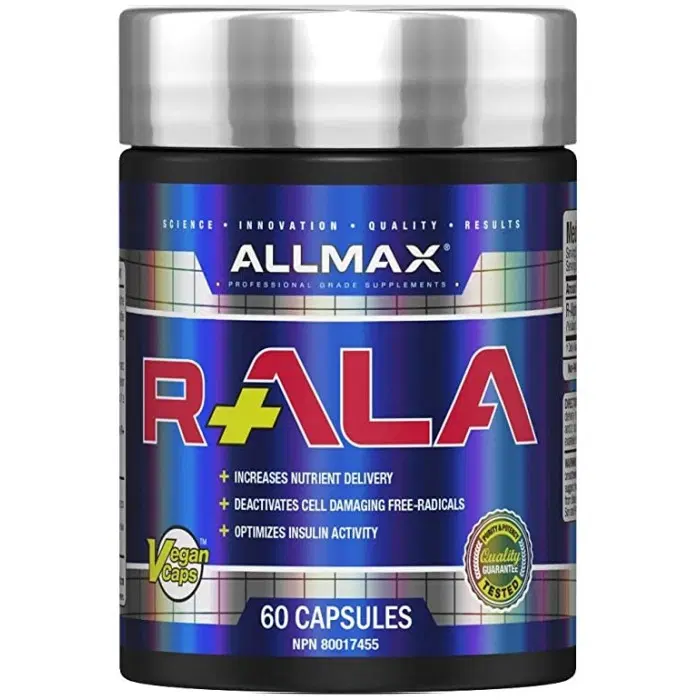
- Alpha-Lipoic Acid (ALA) — The combination can enhance blood sugar control effects and provide additional antioxidant protection.
- Chromium Picolinate — Further improves insulin sensitivity and carbohydrate metabolism, with both elements working synergistically.
- Omega-3 Fatty Acids — Support inflammation reduction and improve lipid profiles, complementing Berberine's cardiovascular benefits.
Pros and Cons of Berberine
✅ Pros
- Potent effects on blood sugar control and insulin sensitivity.
- Proven to lower cholesterol and triglyceride levels.
- Supports weight loss and body fat reduction.
- Possesses anti-inflammatory and antioxidant properties.
❌ Cons
- May cause gastrointestinal side effects such as diarrhea, constipation, gas, and abdominal cramps, especially at high doses.
- Has the potential for interactions with several medications, including those for diabetes, blood thinning, and blood pressure lowering.
- Its bioavailability is relatively low, necessitating higher doses or special formulations for better absorption.
What Can You Compare Berberine To?
Understand how Berberine stands out from other supplements:
- Metformin — Berberine is often compared to Metformin due to similar mechanisms of action on AMPK and blood sugar control, but it is a natural alternative with a different side effect profile.
- Cinnamon — While cinnamon also supports blood sugar control, Berberine has a more pronounced and scientifically supported effect on metabolic pathways.
- Chromium — Chromium improves insulin sensitivity, but Berberine offers a broader range of benefits, including effects on lipid metabolism and inflammation.
⚠️ Important: Dietary supplements are not a substitute for a balanced diet and healthy lifestyle. The information in this article is for educational purposes and does not constitute medical advice. Consult a doctor before use, especially if you are taking medications, have chronic conditions, or are pregnant/breastfeeding.
Recommended products
Frequently asked questions
What is berberine and what is it used for?
Berberine is a bioactive compound extracted from various plants, such as goldenseal and barberry. It is traditionally used in Chinese and Ayurvedic medicine to aid digestion and treat various infections. Modern research suggests potential benefits for blood sugar and cholesterol control.
What are the benefits of taking berberine?
The main benefits of taking berberine are related to improving glucose and lipid metabolism. It can help lower blood sugar levels and bad cholesterol (LDL), as well as support weight loss. It also has antioxidant and anti-inflammatory properties.
Are there any side effects of taking berberine?
The most common side effects of berberine are related to the digestive system, such as diarrhea, constipation, stomach pain, and bloating. These symptoms are usually mild and transient. It is important to consult a doctor before taking it, especially if you are taking other medications.
What is the recommended dose of berberine?
The recommended dose of berberine varies depending on the purpose of intake and the form of the product. Doses between 500 mg and 1500 mg per day, divided into several intakes, are usually recommended. Always follow the instructions on the package or your doctor's recommendation.