Carnivore diet
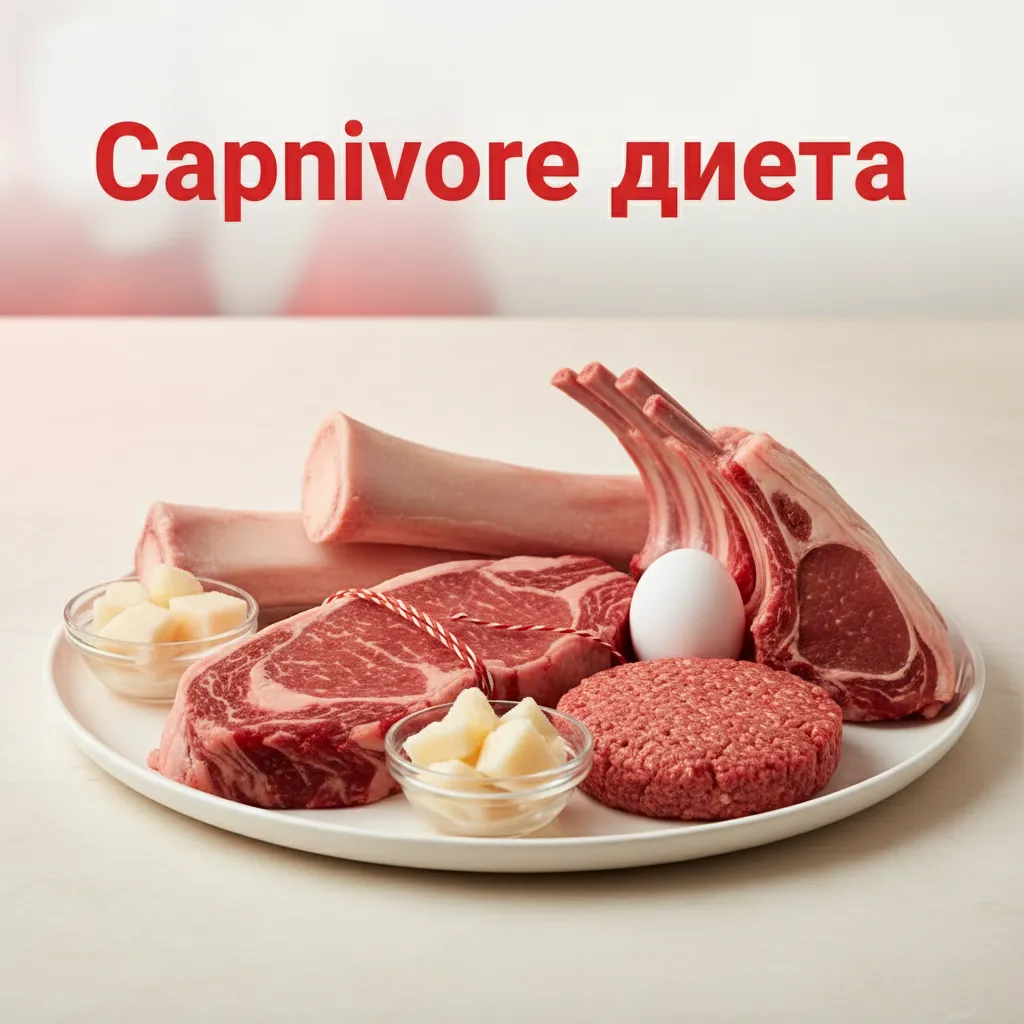
Brief expert definition: What is the Carnivore diet, how it works in the body, and how it is applied in sports nutrition.
Short Answer: The Carnivore diet eliminates all plant-based foods, focusing on animal products to reduce inflammation and optimize digestion, providing 1.6-2.2 g of protein/kg of body weight for muscle growth and recovery. Practical Tip: For athletes, include organ meats like liver (up to 17 mg iron/100g) for optimal iron levels and energy.
Carnivore diet is an elimination diet that consumes only animal products, using meat, organs, and animal fats as primary nutrient sources.
For broad context, check out the complete guide to proper nutrition — a fundamental manual from the expert team at Sport Zona.
What is the Carnivore Diet?
The Carnivore diet is a dietary regimen where only animal products are consumed, including meat, organs, and animal fats.
📖 Carnivore Diet
The Carnivore diet is an elimination diet where only animal products are consumed, based on meat, organs, eggs, and animal fats.
The Carnivore diet is an elimination diet where the only foods consumed are of animal origin. This approach completely excludes all plant-based products, including fruits, vegetables, grains, nuts, seeds, and legumes. The main idea behind the diet is that the human body has evolved to feed primarily on meat and fats, and plant-based foods can contain antinutrients and other compounds that may cause inflammation or digestive problems.
In its strictest form, the Carnivore diet consists mainly of red meat (beef, lamb, pork), poultry, fish, eggs, and organ meats (liver, kidneys, heart). Some less strict versions may include low-lactose dairy products, such as butter or hard cheeses. Water is the primary beverage, with some allowing coffee and black tea, although in the strict version, these are also avoided.
What is the Carnivore Diet and How Does it Work?
Although it sounds extreme, the Carnivore diet is considered a diet with a high intake of complete protein, supporting muscle growth and recovery. Stable energy levels and a feeling of fullness are due to ketosis and high fat content, making it a rich source of fat-soluble vitamins and essential fatty acids.
Disadvantages
- Complete lack of plant fiber, which can lead to digestive problems.
- Limited variety of micronutrients found in plant-based foods.
- Potentially high levels of saturated fat and cholesterol.
- Social limitations and difficulty in long-term adherence due to the strict regimen.
The mechanism of the Carnivore diet is based on several key principles. The elimination of carbohydrates puts the body into a state of ketosis, where the body uses fat as its primary energy source instead of glucose. This can lead to stable blood sugar levels and reduced insulin spikes. The high protein content in the diet supports satiety, maintains muscle mass, and provides amino acids for tissue repair.
In addition to ketosis, the diet aims to reduce food allergens and sensitivities, as common ones like gluten, lactose, lectins, and oxalates are automatically excluded. This can lead to improved digestion and reduced systemic inflammation. The intake of animal fats provides essential fat-soluble vitamins (A, D, E, K) and essential fatty acids, which are vital for cell function and hormonal balance. This diet can help optimize metabolism towards using fat for energy, which is an advantage during prolonged physical exertion.
Why is the Carnivore Diet Important for Athletes?
For athletes, the Carnivore diet can offer several benefits, albeit with certain challenges. The high protein intake is necessary for muscle recovery and growth, especially for strength athletes. The recommended daily protein intake for active individuals ranges from 1.6 to 2.2 grams per kilogram of body weight, which is easily achieved with the Carnivore diet. Animal proteins are complete, containing all essential amino acids that are key for muscle protein synthesis.
The Carnivore diet is important for athletes because using fat as the primary energy source provides stable and long-lasting energy, especially for endurance athletes, and consuming organ meats like liver provides high levels of iron (up to 17 mg per 100g) and other micronutrients critical for athletic performance.
What are the Similarities and Differences Between the Carnivore Diet and Other Dietary Regimens?
The Carnivore diet is essentially a stricter version of the keto diet, focusing only on animal products, while the keto diet also allows some plant-based foods. It induces a metabolic state of ketosis in the body, as it excludes carbohydrates and stimulates the use of fat for energy.
Although the Carnivore diet offers high levels of pure protein, I recommend an adaptation period of at least 2-4 weeks and regular blood tests to ensure there are no deficiencies and to maintain good health. — Petar Mitkov
Remember: The Carnivore diet is a strict elimination regimen focused on animal products, which may offer benefits for protein intake and stable energy, but also carries risks of deficiencies and digestive issues due to the exclusion of plant-based foods.
Scientific Sources
- Cardiometabolic Health and Well-being in a Cohort of Adults Consuming a Carnivorous Diet (Lennerz BS, et al., 2021)
- Can a Carnivorous Diet Provide All Essential Nutrients? (O'Hearn A., 2020)
- Behavioral Characteristics and Self-Reported Health Status Among 2029 Adults Consuming a "Carnivore Diet" (David WB, et al., 2021)
- Impact of a 6-month re-traditionalized Maori diet on metabolic health biomarkers (PATH): a single-arm intervention (Nowicki M, et al., 2023)
Expert Note from Sport Zona
In athletes to whom I have primarily applied a "meat-only" diet, the effect on body recomposition is significant. In many cases, athletes lose weight without counting calories, but with the condition that they significantly reduce other foods. They do not experience strong hunger.
Recommended products



Frequently asked questions
What is the main benefit of the Carnivore diet for athletes?
The Carnivore diet can help improve recovery through its high intake of animal-based protein. Also, using fat as the primary energy source can provide stable energy levels during prolonged exertion.
Does the Carnivore diet have side effects for athletes?
Some athletes may experience digestive issues when transitioning to the diet, although the diet often aims to reduce them. The lack of fiber can be a challenge for some individuals.
Which animal products are most important on the Carnivore diet for athletes?
Red meat, poultry, fish, and eggs are the main sources of protein and fat. Consuming organ meats like liver is recommended to ensure key micronutrients such as iron.
How does the Carnivore diet affect energy levels in athletes?
Transitioning to ketosis, where the body uses fat for energy, can lead to more stable energy levels without sharp blood sugar spikes and crashes.