Zinc
Over 40% of athletes with recurring infections have low zinc levels, a key element for immunity and hormonal health. A study with n=62 athletes showed a 71% reduction in illnesses.
Zinc is an essential trace element that acts as a cofactor in over 300 enzymatic reactions vital for immune function, protein synthesis, and hormonal balance.
In a Nutshell

- For active athletes, the recommended daily dose is 15–30 mg of elemental zinc to compensate for losses through sweat.
- Its key role is in maintaining a healthy immune system, with scientific data indicating it reduces the frequency and duration of colds.
- Chelated forms like picolinate, bisglycinate, and citrate are absorbed much more effectively than inorganic zinc oxide, which is often found in cheaper supplements.
- Taking it in the evening, about 30-60 minutes before sleep and on an empty stomach, improves absorption and supports recovery and hormonal regulation processes during the night.
What is Zinc
Zinc (chemical symbol Zn) is a metallic trace element that ranks second in concentration in the human body after iron. Although needed in small amounts, it is absolutely indispensable for life. The body does not store zinc in a specialized depot, which necessitates a constant and adequate daily intake through food or supplements. It is a key component of hundreds of enzymes and proteins that perform critical functions related to cell growth, division, and metabolism.
Biochemically, zinc's unique role stems from its ability to form stable yet flexible bonds with amino acids in protein structures. This allows it to act as a structural element (e.g., in "zinc fingers," which regulate gene expression), as a catalyst in enzyme active sites, and as a signaling ion in cell-to-cell communication. The majority of zinc in the body is found in skeletal muscle and bones, but it is also concentrated in the prostate, eyes, and skin.
The richest natural sources of zinc are animal products such as red meat (beef, lamb), oysters, mussels, and other seafood. Poultry and eggs also provide good amounts. Plant-based sources include legumes, nuts (especially pumpkin seeds), seeds, and whole grains. It is important to note that the absorption of zinc from plant sources is lower due to the presence of phytates—compounds that bind to the mineral and hinder its absorption in the intestines. This puts vegetarians and vegans at a higher risk of deficiency.
How it Works in the Body
Zinc's mechanism of action is multifaceted and touches upon almost all aspects of cellular physiology. Its main function is as a cofactor—a "helper molecule"—for over 300 enzymes. These enzymes catalyze vital reactions related to the synthesis and breakdown of carbohydrates, lipids, proteins, and nucleic acids (DNA and RNA). Without an adequate amount of zinc, these metabolic processes slow down, leading to a cascade of negative effects on energy, recovery, and overall health.
In the context of the immune system, zinc is crucial for the normal development and function of immune cells. It is necessary for the production of T-lymphocytes and natural killer cells (NK cells), which are the first line of defense against viruses and pathogens. Furthermore, zinc also has antioxidant properties, being an important component of the enzyme superoxide dismutase (SOD). This enzyme helps neutralize free radicals that are generated during intense exercise and can cause cellular damage and inflammation.
- Enzymatic function: It participates in the work of enzymes like alkaline phosphatase (important for bones) and carbonic anhydrase (key for respiration and pH balance).
- Structural role: It stabilizes the structure of proteins and cell membranes, protecting them from oxidative stress.
- Regulatory role: It influences gene expression and cell signaling, regulating processes such as apoptosis (programmed cell death) and inflammatory responses.
Proven Benefits
The benefits of maintaining optimal zinc levels are widely documented in scientific literature and affect both general health and athletic performance. For active individuals who subject their bodies to constant stress, adequate zinc intake is not just recommended but fundamental for achieving results and preventing overtraining.
- Immune system support: Scientific data indicates that taking zinc, especially at the onset of a cold, can shorten its duration by up to 30-40%. Regular supplementation in at-risk individuals reduces the frequency of respiratory infections.
- Hormonal balance optimization: Zinc is critical for testosterone production. Studies show that in men with zinc deficiency, supplementation can lead to a significant increase in testosterone levels to their normal range. This is particularly important for strength athletes.
- Accelerated recovery and wound healing: As a key element in protein synthesis and cell division, zinc is essential for repairing muscle micro-trauma after workouts and for faster healing of skin injuries.
- Maintaining healthy skin: Zinc regulates sebum production and has anti-inflammatory properties, making it effective in treating acne and other skin problems. It also participates in collagen synthesis.
- Antioxidant protection: Through its role in the SOD enzyme, zinc helps the body combat oxidative stress generated by intense physical exertion, pollution, and other external factors.
- Improved cognitive function: Zinc plays a role in communication between neurons in the brain. Low levels are associated with impaired memory and concentration, while optimizing them can support mental acuity.
Recommended Dosages
Determining the right dose of zinc depends on several factors, including age, sex, level of physical activity, diet, and specific goals. The Recommended Daily Allowance (RDA) for adults is about 11 mg for men and 8 mg for women, but for athletes and people at high risk of deficiency, these values are often insufficient. Zinc losses through sweat during exercise can be significant, requiring a higher intake for compensation.
| Profile | Daily Dose (elemental zinc) | When |
|---|---|---|
| Maintenance/General Health | 10–15 mg | In the evening, with food or on an empty stomach. |
| Active Athlete | 15–30 mg | 30–60 minutes before sleep, on an empty stomach. |
| Heavy Training/Competitors | 25–45 mg | 30–60 minutes before sleep, on an empty stomach. Avoid simultaneous intake with calcium. |
| Special Conditions (deficiency, cold) | 30–50 mg (for 1-2 weeks) | Split into 2-3 doses throughout the day, with food, to avoid stomach discomfort. |
Forms and Which is Best
The quality of a zinc supplement is largely determined by its form, which directly affects its bioavailability—the percentage of the ingested dose that is actually absorbed by the body. Choosing the right form is key to achieving the desired results.
| Form | Absorbability | Advantages | Who is it suitable for |
|---|---|---|---|
| Zinc Picolinate | Very high | Considered one of the best-absorbed forms; effective for quickly correcting a deficiency. | Athletes, people with a diagnosed deficiency or absorption issues. |
| Zinc Bisglycinate (Chelate) | Very high | Bound to the amino acid glycine, extremely gentle on the stomach and with high absorption. | People with a sensitive stomach who experience nausea from other forms. |
| Zinc Citrate / Gluconate | High | Excellent balance of price, absorbability, and tolerance. Widely available and well-researched forms. | General maintenance, prevention, and maintaining optimal levels. |
| Zinc Carnosine | High | A specific combination that has shown benefits for the health of the gastric mucosa and treating gastritis. | People with gastrointestinal problems, heartburn, or ulcers. |
| Zinc Oxide / Sulfate | Low to moderate | Very cheap, but with low bioavailability. The sulfate form often irritates the stomach. | Not recommended for effective supplementation. The oxide is more suitable for external use in creams. |
Side Effects and Precautions
When taken within the recommended dosages, zinc is an extremely safe supplement. Problems can arise from prolonged intake of very high doses (above 40-50 mg daily). The main risk of chronic overdose is the development of a copper deficiency. Zinc and copper compete for the same transport pathways in the intestines, and an excess of one mineral can suppress the absorption of the other. The tolerable upper intake level for daily intake from all sources (food + supplements) for adults is set at 40 mg.
Acute side effects from taking too high a single dose, especially on an empty stomach, include:
- Nausea and vomiting
- Stomach pain and cramps
- Diarrhea
- Headache
- Metallic taste in the mouth
People taking certain medications such as tetracycline and quinolone antibiotics should consult a doctor, as zinc can reduce their absorption. Intake should be separated by an interval of at least 2-3 hours.
When Will You Feel an Effect
The time it takes to feel the effects of taking zinc greatly depends on your initial levels, the dosage, and the specific effect you're looking for. If you are starting with a clear deficiency, the improvements will occur faster and be more noticeable. For people with already adequate levels, the effect is more of a maintenance and preventive nature.
- Up to 4 weeks: The first changes are often related to immune function. If you are prone to colds, you may notice a faster recovery. People with skin problems like acne or slow-healing wounds may also see initial improvements.
- 1 to 3 months: With regular intake during this period, more stable and long-lasting results are observed. You might feel an improvement in energy levels, sleep quality, and libido (especially if there was a deficiency affecting testosterone). The condition of your skin, hair, and nails visibly improves.
- After 3 months: This is the period when the long-term benefits manifest. Regular intake helps maintain a robust immune system, a stable hormonal background, and effective protection against oxidative stress. The effect becomes part of your baseline state of good health.
Common Myths About Zinc
Myth: The more zinc I take, the higher my testosterone will get.
Truth: Zinc is absolutely necessary for testosterone production, but supplementation leads to its increase only in the presence of a deficiency. Taking mega-doses above the recommended amount by people with normal zinc levels does not lead to supraphysiological levels of testosterone but carries a real risk of toxicity and inducing a copper deficiency.
Myth: I can easily get enough zinc from a vegan diet.
Truth: Although many plant-based foods contain zinc, they are also rich in phytates, which significantly reduce its absorption. Studies show that vegans and vegetarians may need up to 50% more zinc in their diet to compensate for the lower bioavailability. For them, supplementation is often recommended.
Myth: Zinc cures the common cold and flu.
Truth: Zinc is not a medicine and does not "cure" viral infections. Scientific data shows that taking zinc (especially in the form of lozenges) within the first 24 hours of cold symptoms appearing can modulate the immune response and shorten the duration and severity of the illness. It helps the body cope more effectively but is not a magic bullet for an instant cure.
What to Combine it With
To maximize the effect of zinc intake, it can be combined with other nutrients with which it acts synergistically. These are some of the most effective and popular combinations, especially among athletes.
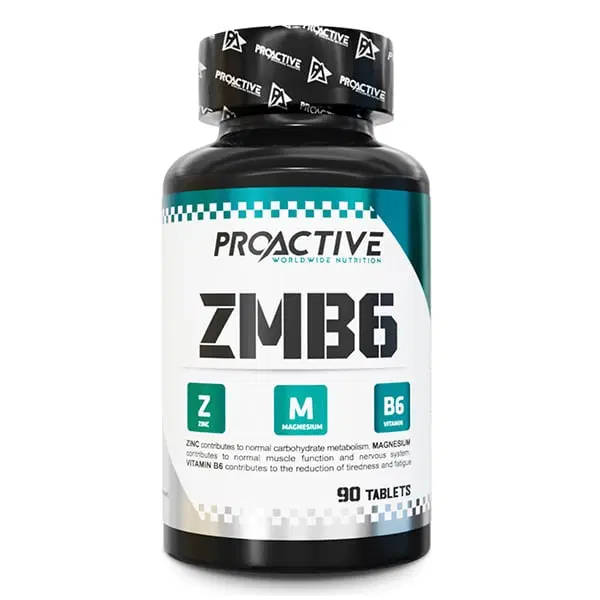
- Magnesium and Vitamin B6 (ZMA): This is a classic combination, often sold as a ready-made product (ZMA), intended for intake before bed. Zinc and magnesium are involved in hundreds of biochemical processes, including muscle relaxation and the synthesis of neurotransmitters that improve sleep quality. Deep sleep is critical for hormonal regulation and physical recovery.
- Quercetin: This plant flavonoid acts as a zinc ionophore—it helps transport zinc ions across the cell membrane and into the cell. This enhances the intracellular effects of zinc, especially its antiviral activity. The combination is particularly useful for boosting immune defense during viral seasons.
- Vitamin A: Zinc and Vitamin A have a close interaction. Zinc is necessary for the transport of Vitamin A in the blood and for the synthesis of a protein that binds to it. This combination is key for eye health, immune function, and maintaining healthy epithelial tissues.
How to Choose a Quality Product
The market is saturated with countless zinc supplement options, but not all are created equal. To invest your money wisely and achieve a real effect, it's important to know what to look for on the label. Choosing a quality product is just as important as determining the right dose.
- Form: This is the most important criterion. Always choose a chelated form with high bioavailability like zinc picolinate, bisglycinate, citrate, or gluconate. Avoid products where the main or only form is zinc oxide or sulfate.
- Dosage of elemental zinc: The label must clearly state the amount of "elemental zinc," not the total weight of the compound (e.g., 15 mg of elemental zinc from 50 mg of zinc gluconate). A product offering 15-30 mg per dose is ideal for flexibility.
- Purity of ingredients: A good product has a short and clear list of ingredients. Avoid products with unnecessary fillers, artificial colors, sugar, gluten, and other common allergens.
- Quality certifications (GMP): Look for brands that manufacture their products in facilities certified under Good Manufacturing Practices (GMP). This provides assurance that the product has been tested for purity, strength, and identity.
- Price per dose: Don't just compare the final price of the package. Calculate the price per effective dose (e.g., 25 mg of elemental zinc) to make an objective comparison between different options. Often, a product that seems more expensive at first glance but has higher bioavailability is the more cost-effective investment in the long run.
Recommended products
Frequently asked questions
When is the best time to take zinc - morning or evening?
It is recommended to take zinc with food to avoid stomach discomfort. Taking it in the evening can improve sleep quality, but it's important to take it at least 2 hours after foods rich in calcium or iron, as they reduce its absorption.
How much zinc should I take per day for immunity and sports purposes?
For general health support, the doses are 11 mg for men and 8 mg for women. for active athletes and to boost immunity, an intake between 15 mg and 30 mg daily is effective and safe. Do not systematically exceed the upper limit of 40 mg per day.
Are there side effects from long-term zinc intake?
Yes, systemic intake of doses above 40 mg daily can lead to a copper deficiency, as the two minerals compete for absorption. This can cause anemia and neurological problems. Stick to the recommended doses to avoid risks.
Can zinc be taken together with magnesium and vitamin D?
Yes, zinc and vitamin D work great together. When taking high doses of zinc and magnesium simultaneously, they may compete for absorption. For optimal effect, take them at different times, for example, zinc during the day and magnesium in the evening.
Which form of zinc is better: citrate, picolinate, or gluconate?
Zinc picolinate and zinc citrate are considered forms with very high bioavailability, meaning the body absorbs them excellently. Zinc gluconate is also an effective and widespread option, though with potentially slightly lower absorption than the other two forms.
How long should zinc be taken and is it necessary to take a break?
For general support, a good strategy is to cycle zinc, for example, 2-3 months of intake followed by a 1-month break. This prevents an imbalance with other minerals like copper. In cases of a diagnosed deficiency, the regimen and duration are determined by a specialist.
Is zinc suitable for women and does it affect hormones?
Absolutely, zinc is key for women's health, participating in the regulation of the menstrual cycle and ovulation. Adequate intake can help reduce premenstrual symptoms (PMS) and hormonal acne. Maintaining good levels is important for hormonal balance.
When will I feel an effect from taking zinc?
The effect depends on your initial levels and the purpose of intake. Improvements in immune function, skin, or hair condition are usually noticeable after 4 to 12 weeks of regular intake. In cases of a more serious deficiency, the first improvements may occur even faster.